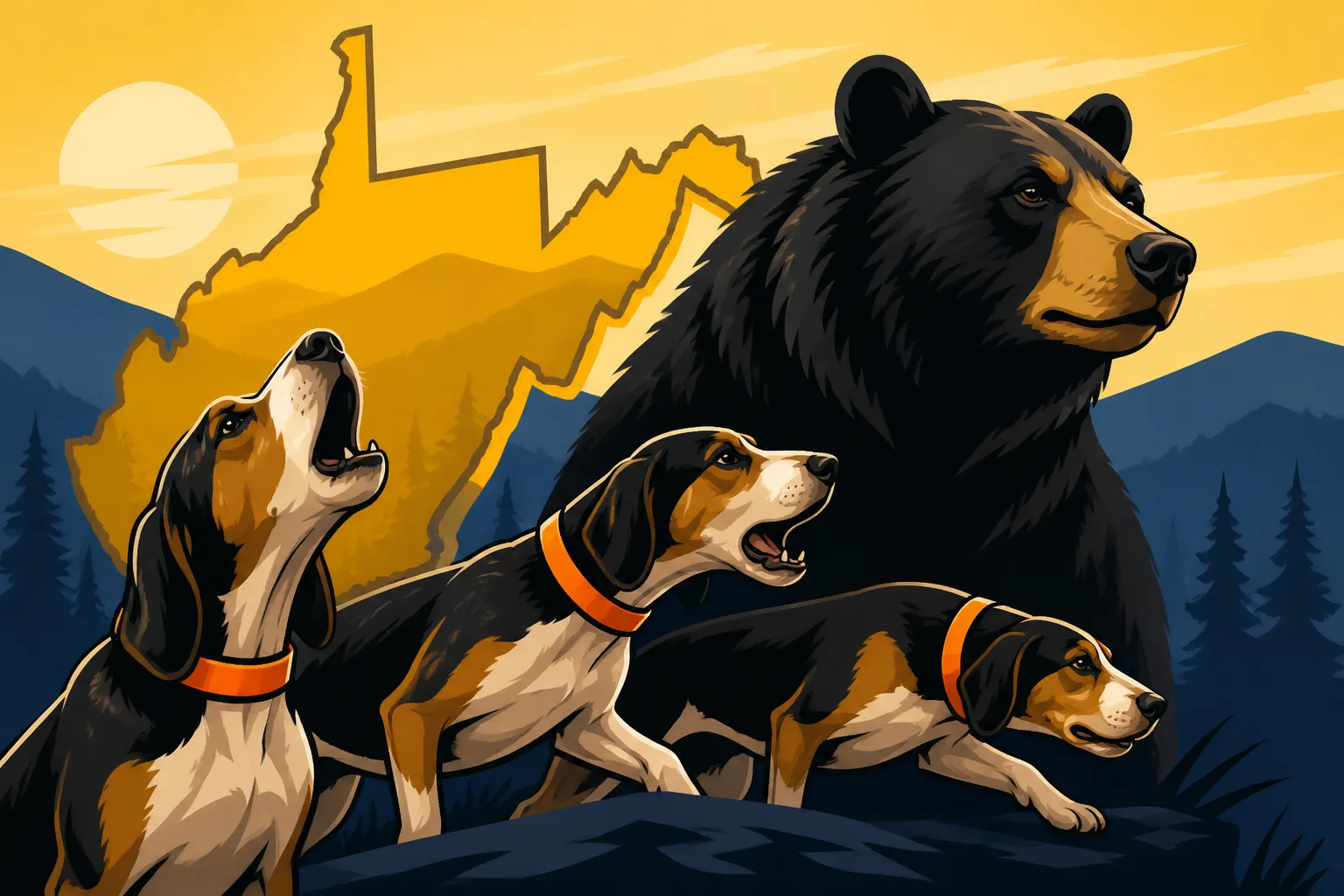
Running Hounds for West Virginia Bears
There's nothing quite like the sound of a good pack of hounds striking a fresh bear track in the pre-dawn chill of a West Virginia mountain. It's a tradition, a passion, and for many, a way of life that connects them to the wild heart of our state. But let's be honest, getting into bear hunting with hounds isn't something you just stumble into. It's a significant commitment of time, money, and sheer grit, and it comes with its own unique set of challenges, from understanding complex regulations to navigating unforgiving terrain. This guide is here to walk you through the ins and outs of running hounds for West Virginia bears, helping you prepare for the chase and embrace this incredible experience responsibly.
Understanding West Virginia's Bear Hunting Regulations for Hounds
Before you even think about releasing a hound, you’ve got to be intimately familiar with West Virginia's bear hunting regulations. They can be pretty specific, and misunderstanding a rule could ruin your hunt or, worse, land you in hot water. The West Virginia Division of Natural Resources (WVDNR) works hard to manage our robust bear population, and their rules are designed to ensure fair chase and a sustainable harvest. This isn't just about reading a pamphlet; it's about truly understanding the nuances.
Key Season Dates and County-Specific Rules
West Virginia offers one of the most liberal bear seasons in the country, but those seasons are broken down into specific segments, and the rules often vary by county. For hound hunters, the primary fall bear season with dogs typically runs from early September through November, often split into archery/muzzleloader and then a later firearms segment, though actual dates can shift slightly year to year. It’s absolutely critical to check the current year’s hunting proclamation every single time before you head out. Some counties might have slightly different start or end dates, or even specific restrictions on Sundays. For example, some counties will close bear hunting on Sundays, while others permit it.
The state is generally divided into different zones, and what's legal in the rugged high country of the Monongahela National Forest might be different from the rules closer to the Eastern Panhandle. You might find a continuous season in one area, while another has a staggered season to allow for different hunting methods. Always verify the specific county you plan to hunt. These details are paramount for planning your trips, especially if you're traveling across the state to access different types of bear habitat. You'll want to ensure you're in compliance with West Virginia's Liberal Bear Season Rules for the precise dates and locations.
License and Tag Requirements for Hound Hunters
Just like any other hunting pursuit in West Virginia, running hounds for bears requires the proper licenses and stamps. As a resident, you'll need your base Class A hunting license, and then a bear stamp. Non-residents have similar requirements, typically involving a Class E (non-resident hunting) license and the non-resident bear stamp. Don't forget, if you're pursuing bear, you need that specific bear tag in your pocket. These tags aren't just for checking your animal after the harvest; they're your legal right to pursue the game.
When you successfully harvest a bear, the checking process is another non-negotiable step. You'll need to report your kill to the WVDNR, often within 24 hours. This can typically be done online, through a phone app, or at designated check stations. This data is vital for the WVDNR to monitor the West Virginia bear population estimate and adjust future seasons. Also, be aware of any specific rules about West Virginia Bear Tag Requirements regarding where on the animal the tag must be affixed and how it must be transported. It's not uncommon for conservation officers to be out checking hunters and their game, especially during peak seasons, so having everything in order ensures a smooth and legal experience.
Legalities of Hound Training and Tracking
Training your bear hounds isn't a year-round free-for-all. West Virginia has specific regulations regarding when and where you can train dogs on bears. Often, there's a designated training season that precedes the actual hunting season, allowing handlers to get their dogs in shape without the intent to harvest. During this training period, you might be allowed to run hounds on bear, but you are absolutely not permitted to kill a bear. The focus is solely on the dogs' performance and conditioning.
Furthermore, it's crucial to understand laws around tracking wounded game with dogs. While hound hunting is about actively pursuing healthy game, rules for trailing a wounded animal (especially if you're not a hound hunter yourself) can differ. Always double-check these specifics. For proper year-round care and conditioning, be sure you're up to date on West Virginia Bear Hound Training Rules, which cover everything from off-leash regulations to permitted training methods. These rules are put in place to ensure the welfare of the bears and prevent harassment outside of legal hunting activities, and they are something every responsible hound hunter takes seriously.
The Art and Science of a West Virginia Bear Chase
Bear hunting with hounds isn't just releasing dogs and hoping for the best; it's a deeply strategic and physically demanding endeavor. It requires an intimate understanding of bear behavior, dog psychology, and the unique challenges of the Appalachian landscape. It's a chess match played out over miles of rugged terrain, where every decision, from where you start your dogs to how you interpret their barks, can make or break the hunt.
Selecting and Training Your Bear Hounds
The foundation of a successful bear hunt with hounds lies squarely in the quality and training of your dog pack. These aren't just any dogs; they are specialized athletes bred for endurance, courage, and a relentless drive to follow a scent. Popular breeds include Plott Hounds, Black and Tans, Blueticks, and Walkers, each with their own unique traits and strengths. When selecting pups, look for those with a strong nose, good conformation, and a bold, intelligent demeanor. A good lineage from proven bear dogs is often a strong indicator of potential.
Training starts early and is a continuous process. Young dogs are typically introduced to bear scent through controlled training exercises, often involving caged bears or bear hides. They learn to ignore deer and other game, focusing solely on the distinctive and powerful scent of a bear. Socialization with the rest of the pack is also critical, as a cohesive, well-working pack is far more effective than a group of individual dogs. They learn to "strike" a track, "trail" the bear, and ultimately "tree" or "bay" it, communicating their progress through distinct barks and howls. It's a commitment that spans years, not just weeks, ensuring your dogs are ready for the rigorous demands of the chase.
Reading Bear Sign and Cutting Tracks
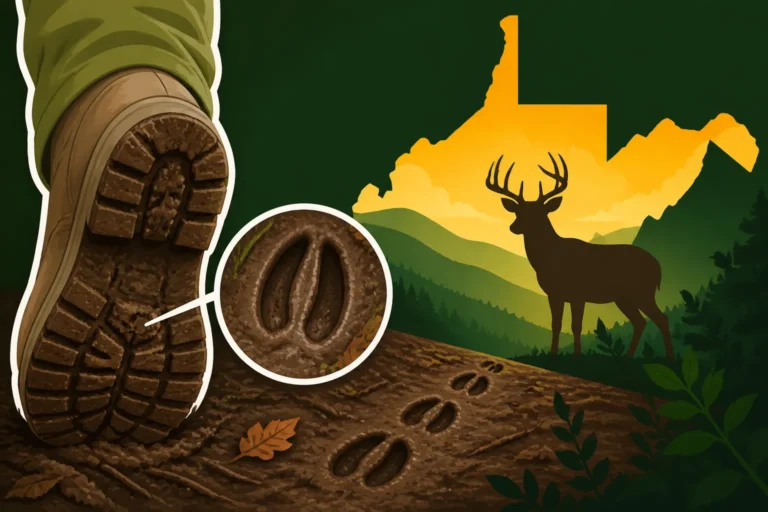
A successful hound hunt often begins before the dogs are even out of the box. Savvy hunters spend considerable time scouting, looking for fresh bear sign. This could be anything from tracks in soft mud, claw marks on trees where bears have climbed or rubbed, to overturned rocks and logs from their foraging activities. Bear scat, particularly if it's still fresh and steaming on a cool morning, is a strong indicator of recent presence. Learning to differentiate between fresh sign and old sign is a skill honed over many seasons.
"Cutting a track" refers to the process of finding a fresh bear track or scent and putting the dogs on it. This often happens at dawn, as bears are frequently active during the night and early morning, leaving fresh scent trails. Hunters might drive remote logging roads, looking for tracks in the dirt, or walk through known bear crossings and feeding areas. Once a fresh track is located, the lead dogs are usually released, and their excited barks signal that they've struck the scent and the chase is on. Using detailed maps, perhaps even digital ones from services like GoHunt, can help pinpoint likely crossing points or feeding areas that might hold fresh sign.
Managing the Chase on Challenging Terrain
Once the dogs are on a track, the real adventure begins. West Virginia's terrain is legendary for its steep hills, dense laurel thickets, and deep hollows, all of which present unique challenges. Bears are incredibly adept at navigating this landscape, often choosing the thickest, most difficult cover to evade the dogs. Hunters must follow the chase, often on foot, relying on GPS collars to track their dogs' movements. It's not uncommon for a chase to cover several miles, traversing multiple ridges and creek bottoms.
Communication is key within the hunting party. Hunters often split up, with some staying closer to the vehicle for strategic positioning, while others follow the dogs more directly. Interpreting the dogs' barks is a learned skill: a running bark is different from a baying bark, which is different from a treed bark. Knowing what the dogs are telling you allows the team to adjust strategy—whether it's cutting off a bear's escape route, pushing harder to reach a treed bear, or knowing when to pull the dogs off a cold track. Wind and thermals play a huge role in how scent travels, especially in the mountains, so understanding Wind and Thermals on a Steep Ridge can give you an edge in predicting a bear's movement and where your dogs might push it.
Essential Gear and Equipment for Hound Hunting
Bear hunting with hounds is a gear-intensive endeavor, and for good reason. You're not just carrying your rifle or bow; you're also managing a pack of valuable dogs and navigating some of the toughest terrain in the state. Having the right equipment isn't a luxury; it's a necessity for safety, efficiency, and ultimately, success.
Dog Tracking Technology and Safety Gear
In the vast, rugged expanses of West Virginia, losing a dog is a real concern. That's where modern dog tracking technology comes in. GPS collars are absolutely indispensable, providing real-time location data for each dog in your pack. Garmin's Alpha and Astro series are popular choices, allowing you to see your dogs' positions on a handheld unit or even on your smartphone via a connected app. Some systems also allow for two-way communication, letting you issue commands or trigger a tone on the collar. The ability to monitor individual dogs, especially when they split up or travel far, is critical for safety and strategic decision-making.
Beyond tracking, safety gear for your dogs is equally important. Bright, blaze orange or reflective collars and vests make dogs more visible to other hunters and passing vehicles, especially when they might cross a road. Protecting their paws with dog boots can prevent injuries from sharp rocks or thorns during long chases. A well-stocked canine first-aid kit is also a must, ready to treat cuts, scrapes, or exhaustion. Having fresh water and high-energy snacks for the dogs after a long chase will help them recover quickly. For a deeper dive, check out resources on GPS Collars for West Virginia Bear Hounds.
| Feature / System | Garmin Alpha 200i | Garmin Astro 430 | SportDOG TEK 2.0 |
|---|---|---|---|
| Connectivity | GPS, InReach | GPS | GPS, HopTek |
| Dog Tracking | Up to 20 dogs | Up to 20 dogs | Up to 21 dogs |
| Range (approx.) | Up to 9 miles | Up to 9 miles | Up to 10 miles |
| Mapping | Preloaded, Satellite | Preloaded | Topo, Satellite |
| Handheld Features | Touchscreen, InReach, Wi-Fi | Buttons, simpler interface | Full-color map |
| Training Collars | Yes (tone, vibe, stim) | No (tracking only) | Yes (tone, vibe, stim) |
| Battery Life | 15-20 hours | 20 hours | 24 hours |
| Key Advantage | Integrated satellite communication | Robust, reliable tracking | Versatile, great for training |
Hunter's Personal Gear and Navigation
Just like your dogs, you'll need to be prepared for the physical demands of following a bear chase. Sturdy, waterproof boots with excellent ankle support are non-negotiable for traversing uneven, steep, and often muddy terrain. Layered clothing, ideally made of synthetic or wool materials that wick moisture and provide insulation even when wet, is essential for West Virginia's unpredictable weather. A good rain suit is a must-have, as mountain rain can pop up quickly.
Navigation is paramount. While your dog tracking unit helps with the hounds, you'll need personal navigation too. A dedicated handheld GPS unit or a robust smartphone app like GoHunt, loaded with topographic maps and public/private land boundaries, is crucial. Remember, cell service can be spotty in the mountains, so download offline maps. A compass and paper map are excellent backups. Don't forget a quality headlamp with extra batteries for those early morning starts and late-night walks out. Carrying enough water, high-energy snacks, and a small, lightweight pack to carry essentials like extra layers, a first-aid kit, and perhaps a game bag is also vital. Consider Boots for West Virginia Hollows and Ridges when making your selection.
Communication and First Aid for the Team
Effective communication within your hunting team is critical for safety and success. Two-way radios are invaluable, especially in areas with no cell service. They allow hunters to coordinate movements, share dog locations, and alert each other to potential hazards. Having a designated channel and clear communication protocols ensures everyone is on the same page.
A comprehensive first-aid kit, beyond just basic bandages, is essential for both humans and dogs. Think about what might happen miles from the nearest road: falls, snake bites, deep cuts, or even allergic reactions. Knowledge of basic wilderness first aid, including how to treat shock or severe bleeding, can be a lifesaver. Furthermore, consider a satellite messenger device (like the Garmin InReach or Spot devices) if you're venturing into truly remote backcountry areas. These devices allow you to send emergency messages even without cell service, providing an invaluable lifeline in a worst-case scenario. When planning any hunt, remember that safety is always the top priority for both hunters and their valuable canine companions.
Navigating West Virginia's Diverse Bear Habitats
West Virginia's landscape is a patchwork of rugged mountains, rolling farmlands, and dense forests, each offering different challenges and opportunities for the hound hunter. Understanding these varied habitats and adapting your strategy accordingly is a hallmark of an experienced bear hunter.
Hunting the Rugged Mountainous Regions
The high country of West Virginia, particularly within areas like the Monongahela National Forest or specific Wildlife Management Areas (WMAs) in the Potomac Highlands, is prime bear country. These regions are characterized by steep, heavily timbered ridges, deep hollows, and dense laurel and rhododendron thickets. Bears thrive here due to abundant natural food sources like acorns, hickory nuts, and berries, along with vast tracts of undisturbed cover. Hound hunting in these areas is incredibly challenging and physically demanding.
When hunting the mountains, you'll often be working long, steep ascents and descents. Bears here tend to run long and hard, often attempting to put a mountain between themselves and the dogs. Hunters need to be prepared for extended treks, sometimes hours from the nearest vehicle. Strategic placement of chase teams, attempting to "head off" a bear at known crossings or saddles, becomes crucial. Understanding how Hunting Steep Allegheny Ridges impacts both bear and dog movement, and your own energy levels, is paramount. This environment demands top-tier physical conditioning from both you and your dogs, and the rewards are often big, mature bears that have learned to survive in tough conditions.
Working Agricultural Interfaces and River Bottoms
While bears are often associated with deep woods, they also frequent agricultural areas, especially in counties with a mix of forest and farmland. Here, bears are attracted to cornfields, apple orchards, and sometimes even livestock feed. River bottoms, with their fertile soils and often thick cover, can also be hotbeds for bear activity. These areas present a different set of challenges and opportunities for hound hunters.
In these "softer" landscapes, bears might not run as far or as hard, potentially seeking refuge in dense brush along creek beds or in small woodlots surrounded by fields. The challenge here often revolves around property lines and respecting private land. Knowing Getting Private Land Permission in West Virginia before you hunt is essential, as bears can quickly cross onto un-huntable ground. Using mapping tools like GoHunt to clearly identify land ownership is critical. While the terrain might be less strenuous, the strategic game of keeping dogs on the bear and off private property is intensified.
Strategies for Public vs. Private Land Access
Access is a recurring theme for any hunter in West Virginia, and it's especially true for hound hunters whose dogs can cover vast distances. Public lands, such as national forests and WMAs, offer extensive hunting opportunities without the need for individual permission. Places like Cranberry Wildlife Management Area or sections of the Monongahela National Forest provide the large tracts necessary for extended chases. However, public land often comes with higher hunting pressure, and you might encounter other hunters or recreationists.
Private land offers potentially less pressure and more control, but it requires diligent work to gain access. Building relationships with landowners, offering to help with chores, or managing nuisance bears for them can open doors. It’s also vital to be a good steward of the land, leaving gates as you found them and being respectful of property. When hunting near public/private land boundaries, using a GPS with land ownership overlays is absolutely critical to avoid trespassing. Remember, whether on public or private ground, ethical conduct and adherence to the law are the cornerstones of responsible hunting.
Ethical Considerations and Responsible Practices
Bear hunting with hounds, like all hunting, carries a profound ethical responsibility. It's about more than just harvesting an animal; it's about respecting the game, the land, and the traditions that define the pursuit. Being a responsible hound hunter means upholding the highest standards of sportsmanship and stewardship.
Ensuring Fair Chase and Animal Welfare
The concept of "fair chase" is central to ethical hunting. For hound hunting, this means ensuring the bear has a reasonable chance to escape and that the hunt is not an undue advantage for the hunter. This includes never chasing a bear into a situation where it's trapped without escape, or taking a shot at a bear that is unduly stressed or in an unsafe position. Good hound hunters also know when to call off a chase – if a bear is clearly exhausted, if the terrain becomes too dangerous for the dogs, or if the track goes cold into an unrecoverable area.
Animal welfare extends to your dogs as well. Overworking dogs, exposing them to unnecessary danger, or failing to provide proper care before, during, and after a hunt is irresponsible. A responsible hunter ensures their dogs are healthy, well-conditioned, and given adequate rest and hydration. Knowing Handling a Bear After the Shot also falls under this, ensuring a quick, humane harvest and proper care of the animal. This respectful approach maintains the integrity of the hunt and ensures the well-being of all creatures involved.
Respecting Landowners and Fellow Hunters
Hound hunting often requires significant movement, and that can mean crossing paths with other land users. Whether you're on public land or navigating near private property, showing respect is paramount. On public land, be mindful of other hunters, hikers, or campers. Don't let your dogs interfere with their activities, and keep noise to a minimum, especially in areas known for quiet pursuits. Communication is key; if you encounter others, a friendly word can go a long way.
When hunting near private land, as discussed, permission is non-negotiable. Even with permission, be courteous. Close gates, don't block access roads, and avoid damaging property. Landowners are offering you a privilege, and maintaining that relationship is crucial for continued access for yourself and other hunters. The perception of hound hunters can sometimes be a challenge, and every interaction is an opportunity to showcase the responsible, ethical nature of this hunting tradition.
Post-Harvest Responsibilities and Reporting
Once a bear is harvested, your responsibilities continue. The first is to ensure a swift and humane recovery of the animal. This might involve navigating difficult terrain to reach the treed or bayed bear. Once the bear is down, proper field dressing is essential, especially in warmer weather, to preserve the meat. Knowing the best methods for field dressing and extracting an animal from challenging terrain, such as Dragging a Deer Off a Steep Ridge, can save you a lot of effort and ensure the meat is handled correctly.
Immediately after harvest, you must legally tag your bear and then report it to the WVDNR within the specified timeframe, usually 24 hours. This data is critical for wildlife management. Ensure you understand West Virginia Bear Checking Requirements for the precise steps. Beyond the legal requirements, take pride in your harvest. Utilizing as much of the animal as possible, from the meat to the hide, is another aspect of responsible hunting. Share your experience, educate others about the tradition, and help foster a positive image of hunting in West Virginia.
Disclaimer
Hunting is an inherently risky activity. This guide provides general information and best practices, but it is not a substitute for official West Virginia hunting regulations, professional instruction, or personal judgment. Always consult the most current WVDNR hunting proclamations and local laws before hunting. The author and publisher are not responsible for any incidents or accidents that may occur as a result of following the information contained herein. Always prioritize safety and ethical conduct in the field.