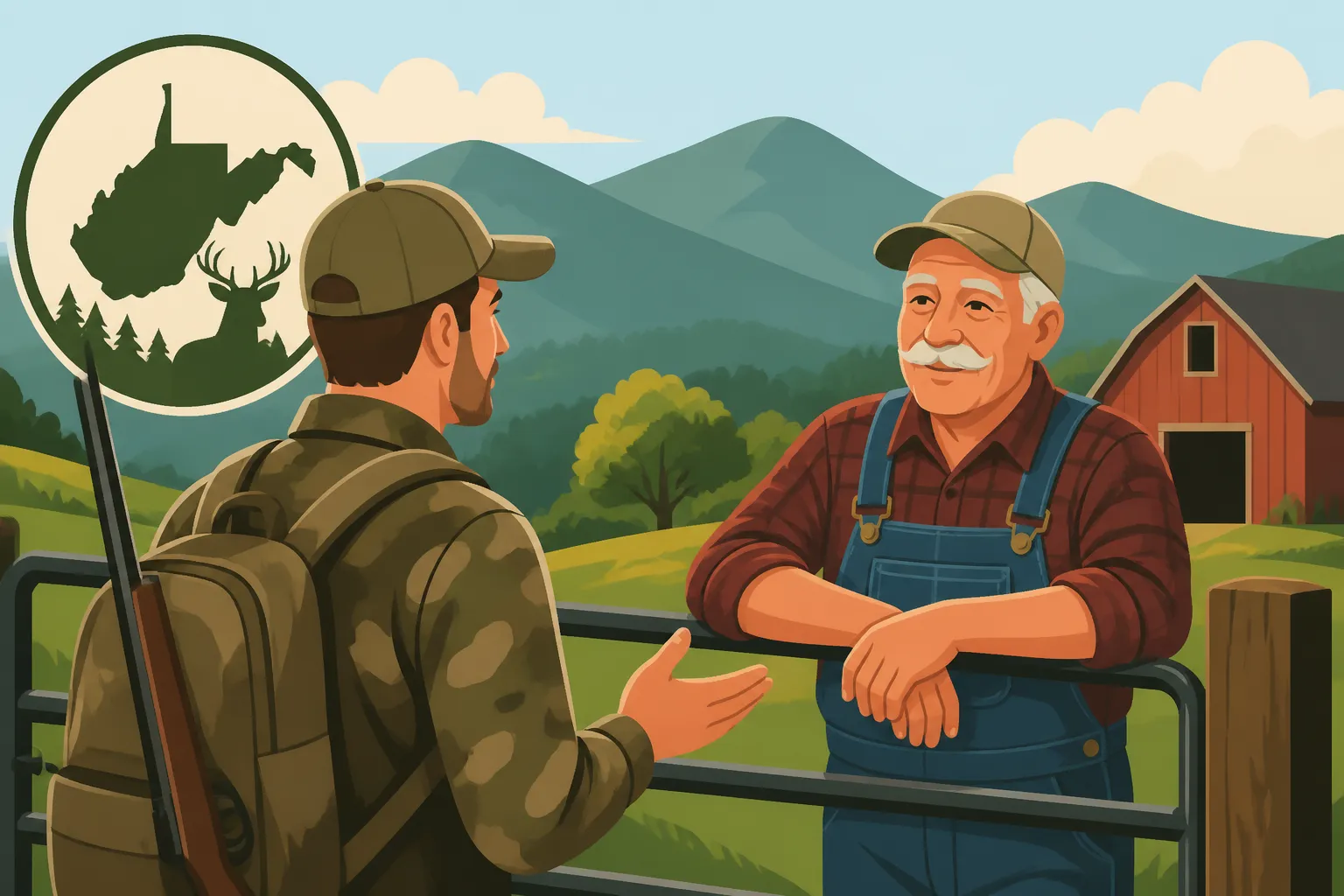
Asking a West Virginia Farmer for Permission
Let's face it, finding a great hunting spot in West Virginia often means looking beyond public lands, especially if you're hoping to avoid crowds or target a specific type of habitat. But approaching a farmer or private landowner for hunting permission can feel incredibly daunting, like you're imposing or asking for a huge favor. This guide is designed to empower you with the strategies, etiquette, and confidence needed to respectfully approach West Virginia landowners and, hopefully, unlock some incredible hunting opportunities.
The Unique Value of Private Land in West Virginia Hunting
West Virginia offers a lot of fantastic public hunting land, from the vast expanses of the Monongahela National Forest to numerous Wildlife Management Areas. However, these areas often come with their own set of challenges, including significant hunting pressure, especially during opening weekends and the heart of deer season. That's where private land comes in – it can offer a more controlled, often less pressured, and sometimes more productive hunting experience.
Why Private Land is Often Less Pressured
Think about a sprawling WMA or a section of national forest: anyone with a license can walk in and hunt, and during peak times, it can feel like a small army. While there are certainly tactics for Finding Ground Others Walk Past even on public land, the reality is that competition for prime spots can be fierce. On private land, however, once you have permission, that access is generally yours, or shared only with a handful of others the landowner approves. This dramatically reduces pressure on the game, meaning deer, turkey, or even small game are more likely to exhibit natural patterns rather than being constantly driven and spooked. It creates a much more relaxed and potentially more successful hunting environment, allowing for quieter hunts and often better encounters.
The Advantage of Diverse Habitat and Food Sources
West Virginia's agricultural landscape, particularly in areas like the Eastern Panhandle or along major river valleys, often provides incredible habitat that's less common on purely forested public tracts. Farmers often have a mix of timber, brushy fencerows, standing crops like corn or soybeans, and fallow fields that create a smorgasbord for wildlife. These diverse food sources and cover types act as magnets for deer, turkey, and small game. Public land might have mast crops, but the consistent, high-energy food sources found on private farms can be a game-changer. Imagine hunting a beautiful woodlot that backs up to a sprawling cornfield – that's a scenario many public land hunters dream of. This variety also allows you to adjust your strategy based on the time of year, from Hunting a Standing Soybean Field in the early season to focusing on a Working a Creek Bottom for Late-Season Deer once the crops are harvested.
Building Relationships Beyond Just Hunting
When you gain permission to hunt private land, you're not just getting a place to hunt; you're often building a relationship with a landowner. These relationships can extend far beyond a single hunting season. Farmers appreciate respectful hunters, and showing that respect often comes back to you in spades. This might mean offering a hand with chores, helping mend fences, or simply stopping by to chat even when it's not hunting season. This reciprocal relationship ensures continued access and builds a bond of trust. Many lifelong hunting friendships have started with a simple knock on a farmhouse door. It’s an investment, but one that pays dividends in hunting enjoyment and personal connection to the land and its stewards.
Before You Knock: Research and Preparation Are Key
Never underestimate the power of preparation. Walking up to a farmer's door without doing your homework is like going into the woods without your blaze orange – it's a rookie mistake that can easily be avoided. A little legwork beforehand not only increases your chances of getting permission but also shows the landowner that you're serious, respectful, and prepared.
Identifying Potential Properties and Landowners
Your first step is to pinpoint properties that look promising. This usually involves a combination of old-school driving around and modern digital scouting. Take drives through rural areas of West Virginia, looking for farms with good cover, woodlots, brushy edges, and fields that appear to be holding deer or turkey. Pay attention to properties that aren't already heavily posted with "No Hunting" signs or leased out.
Once you have a few properties in mind, it's time to leverage technology. Tools like onX Hunt or GoHunt are absolute game-changers for this stage. These apps allow you to view property lines, identify landowners, and often find contact information. You can see who owns specific parcels of land, which can save you a lot of time knocking on the wrong doors. Use the aerial and topo maps to scout potential bedding areas, travel corridors, and water sources. For instance, you might identify a perfect Hunting a Funnel Between Two Hollows on a specific property. This kind of detailed information helps you understand the property's potential and demonstrates your seriousness to the landowner. Remember to check out properties near areas where you know deer are active, like those adjacent to Hunting Eastern Panhandle Farmland Deer hotspots or near Where Monongahela Forest Bucks Bed if you're looking at smaller private tracts in those vicinities.
Understanding West Virginia's Permission Laws
It's absolutely critical to know the legal landscape before you even think about stepping foot on private land. In West Virginia, the law is clear: you need permission to hunt private land. This isn't just a courtesy; it's a legal requirement. While What West Virginia Trespass Law Requires generally means you can't be on posted land without permission, it's always best practice to seek permission for any private land, posted or not.
You might be wondering, Do You Need Written Permission in West Virginia? While verbal permission is legally binding, written permission is always a safer bet. It protects both you and the landowner by providing a clear record of the agreement. A simple signed note stating who has permission to hunt, for what species, during which dates, and any specific rules (like designated parking areas or weapon restrictions) can prevent misunderstandings down the road. Some landowners might have their own forms, or you can create a basic one yourself. This isn't about distrust; it's about clarity and respect for everyone involved.
Preparing Your Pitch: What to Bring and Say
When you finally decide to approach a landowner, come prepared. Dress neatly and conservatively – no muddy boots or camo unless you’re already in the field hunting (and even then, change!). You want to make a good first impression, and looking presentable conveys respect.
Here's a list of things you should consider bringing or having ready:
- Yourself: Be polite, articulate, and confident.
- Your Hunting License and ID: To show you're a legitimate hunter.
- A Map of Their Property: Print out an onX Hunt map showing their boundaries. This allows you to point out specific areas you're interested in hunting and discuss potential access points, showing you've done your homework.
- A Simple Written Agreement (Optional but Recommended): As discussed, a basic permission slip can be very helpful.
- A Good Attitude: Be ready for a "no," and accept it gracefully.
Think about what you'll say. Practice a brief, respectful introduction. Start by introducing yourself and explaining why you're there. "Hello, Mr. Jones, my name is [Your Name]. I'm a local hunter, and I was wondering if you ever allow hunting on your property. I'm very respectful of land and property, and I'd be happy to discuss any concerns you might have." Be prepared to talk about your hunting ethics, your commitment to safety, and your willingness to follow any rules they set.
Making the Connection: Your Conversation with the Landowner
This is the moment of truth. Approaching a landowner can feel nerve-wracking, but remember, you're simply asking a question. The worst they can say is no, and often, they'll appreciate your directness and courtesy.
Approaching at the Right Time and Place
Timing is everything. Don't knock on a farmer's door at dawn during planting season, or at dusk when they're trying to get dinner on the table after a long day. Weekends or late afternoons on a weekday are often best, but be flexible. Look for a time when they appear to be relaxing or finishing up less urgent tasks. If they're out working in a field, a friendly wave and a brief, respectful conversation might be appropriate, but don't hold them up.
Always approach the main farmhouse or residence first. Don't wander into their fields or barns uninvited. This shows respect for their privacy and property. If you see children playing or a busy family gathering, it's probably not the best time. Err on the side of caution and return another day if the timing feels off. A quick drive-by to gauge activity levels can be helpful before you commit to knocking.
What to Say and How to Present Yourself
When you greet the landowner, be polite and introduce yourself clearly. Explain why you're there in a concise, respectful manner. For example: "Good afternoon, my name is [Your Name], and I live nearby in [Your Town]. I've admired your property for a while and was wondering if you ever allow hunting for deer (or turkey, small game) on your land. I'm a very responsible hunter, safety-conscious, and always make sure to close gates and respect property boundaries."
Here are some key points to emphasize:
- Respect: Clearly state your commitment to respecting their land, fences, crops, and livestock.
- Safety: Explain that safety is your top priority. Mention you hunt alone or with a trusted, quiet partner.
- Rules: Ask about any specific rules they might have regarding parking, access points, areas to avoid (e.g., near livestock or residence), weapon restrictions (West Virginia Legal Firearms for Deer Hunting), or even game retrieval (Retrieving Game From Private Land in West Virginia).
- Cleanliness: Assure them you will leave no trash and always leave the property cleaner than you found it.
- Offer to Help: "If you ever need a hand with anything around the farm, I'd be glad to help out." This simple offer can go a long way in establishing goodwill.
Be prepared for questions. They might ask about your experience, your hunting style, or even what kind of game you're looking for. Answer honestly and confidently. If they have concerns, listen carefully and address them directly and respectfully.
Handling "No" Gracefully
Not every ask will result in a "yes," and that's okay. Many landowners have had bad experiences with disrespectful hunters in the past, or they might already have family or friends hunting the property. Some simply don't want hunters on their land, and that's their prerogative.
If you hear a "no," respond with courtesy and understanding. "I completely understand. Thank you for your time anyway, and I appreciate you listening to me." A polite rejection leaves a positive impression, and sometimes circumstances change. A "no" today doesn't necessarily mean a "no" forever. You might even ask if they know of any other landowners in the area who do allow hunting. They might appreciate your persistence and refer you to a neighbor.
Here’s a quick table to help you prepare your approach:
| Do's | Don'ts |
|---|---|
| Dress neatly and respectfully. | Show up in dirty, ripped clothes or camo. |
| Be polite and introduce yourself clearly. | Be vague or evasive about why you're there. |
| Have your license/ID ready. | Forget basic identification. |
| Bring a map of their property. | Assume you know the property lines. |
| Ask about their specific rules. | Dictate how or where you'll hunt. |
| Emphasize safety and respect for land. | Act like you're entitled to hunt. |
| Offer to help with chores. | Only talk about what you want. |
| Leave a good impression, even if denied. | Argue, complain, or leave in a huff if denied. |
Beyond the Hunt: Building a Lasting Relationship
Getting permission for one season is great, but the real goal is to build a lasting relationship that provides access for years to come. This takes effort, respect, and communication.
Maintaining Communication and Respect
The hunting season might be over, but your relationship with the landowner shouldn't be. Make it a point to check in periodically, even when you're not hunting. A quick phone call, a friendly wave if you drive by, or a brief stop to chat shows you value them beyond just the hunting access.
During hunting season, always keep them informed. Let them know when you plan to be on the property and when you've left. If you harvest an animal, offer them some fresh venison – it's a fantastic gesture of appreciation and a great way to share the bounty. If you notice a broken fence, a downed tree blocking a path, or anything else that might need attention on their property, let them know. You become an extra set of eyes, which can be invaluable to a busy farmer. This level of communication builds trust and solidifies your reputation as a responsible and thoughtful individual.
Going Above and Beyond: Helping on the Farm
Remember that offer to help? Follow through on it. Farmers are always busy, and a helping hand is often more valuable than any money you could offer. This could involve:
- Mending Fences: A common and often time-consuming chore.
- Clearing Brush or Deadfall: Especially useful if it impacts their fields or access roads.
- Helping with Harvest: Even small tasks during planting or harvest season can be a huge relief.
- Checking on Livestock: If they have cattle or other animals, an extra check-in, especially if they're away, can be a great help.
- Controlling Pests: If deer are causing crop damage, offering to help with West Virginia Deer Damage Permits for Farmers or focusing your efforts on specific areas can be a win-win. Similarly, if they have issues with coyotes, your skills in Coyote Calling in West Virginia Farm Country could be invaluable.
These actions demonstrate that you're not just there to take; you're there to contribute. This kind of initiative creates a bond and makes you an asset to the landowner, not just another hunter. It also shows that you truly understand the West Virginia Landowner Deer Permit Rules and the challenges they face with wildlife on their property.
Leaving the Property Better Than You Found It
This should be a no-brainer, but it bears repeating. Every time you leave the property, ensure you've left no trace of your presence except for perhaps some boot prints.
- Pack out all your trash. This includes spent casings, food wrappers, and anything else you brought in.
- Close all gates securely. This is vital to prevent livestock from escaping.
- Avoid unnecessary damage to crops or fields. Stick to field edges or established paths where possible.
- Respect their privacy. Don't snoop around areas that aren't relevant to hunting or designated for your access.
- Ensure ethical harvest: If you harvest an animal, clean up any blood or entrails discreetly and away from main thoroughfares or visible areas. Dragging a deer through a steep hollow in West Virginia can be tough, but remember to be mindful of where you field dress your game.
By consistently demonstrating respect, reliability, and a willingness to help, you'll secure your private land hunting access for the long haul. A good reputation as a hunter on one property can even lead to referrals to other landowners in the area. It’s all about being a good neighbor and an ethical hunter, making the most of the unique opportunities that Hunting Small Private Tracts in West Virginia can offer.
Disclaimer
This article is for general informational purposes only and does not constitute professional advice. Laws, prices and regulations vary by location and change over time. Consult a qualified professional for guidance on your specific situation.