Hunting Dolly Sods High-Elevation Bogs
Hunting the high-elevation bogs of Dolly Sods in West Virginia presents a truly unique challenge, one that can be both incredibly frustrating and deeply rewarding. This isn't your typical timber hunt; it's a rugged, windswept landscape where dense spruce and fir meet open, marshy areas, demanding specialized tactics and gear. This guide will help you understand this wild terrain and equip you with the knowledge to pursue game effectively in one of West Virginia's most iconic wilderness areas.
The Unique Challenge of Dolly Sods' High-Elevation Bogs
Dolly Sods is unlike almost any other place in West Virginia. Ascending to elevations typically over 4,000 feet, this plateau within the Monongahela National Forest is an ecological marvel. Its high altitude and exposed nature mean it experiences weather patterns more akin to Canada than the rest of the Mid-Atlantic. This harsh environment, coupled with its designated wilderness status, creates a hunting experience that tests even the most seasoned outdoorsmen.
What Makes Dolly Sods So Different?
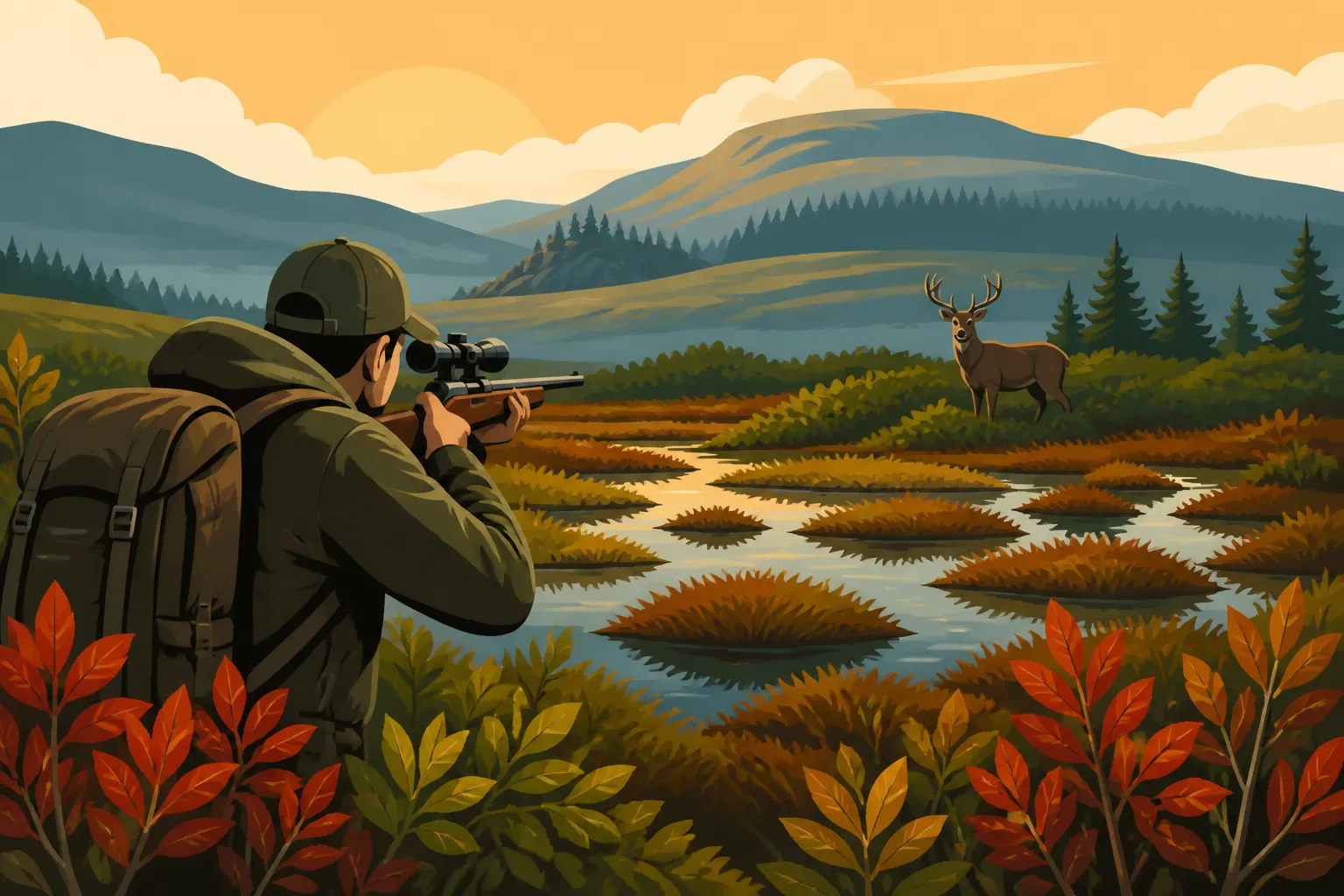
The landscape itself is the primary differentiator. You'll find expansive, open heath barrens dotted with wind-swept, stunted red spruce and fir trees. Interspersed throughout are the namesake bogs – wetlands characterized by sphagnum moss, cranberries, and unique high-altitude flora. These bogs can be deceptively shallow or surprisingly deep, making travel challenging and sometimes hazardous. The thin, rocky soil, coupled with consistent high winds, has sculpted the trees into gnarled, dense thickets that offer incredible cover for game but are brutal to navigate for hunters. The climate here is significantly cooler and wetter than in surrounding lower elevations, with sudden, dramatic shifts in weather being the norm. You might start your day in sunshine and find yourself battling sleet and fog by noon. This unique microclimate and geography are what make Dolly Sods Wilderness Boundary Rules so critical to understand before you set foot in the area.
Common Game Species in the Boggy Terrain
While not teeming with game in the same way some lower-elevation areas might be, Dolly Sods holds a respectable population of resilient species adapted to its conditions. White-tailed deer are present, though often not in large numbers, and they tend to be smaller-bodied but incredibly tough due to the sparse browse and challenging environment. These deer are masters of using the dense spruce thickets for bedding and escape cover. White-Tailed Deer Across West Virginia can give you a broader understanding of deer behavior, but know that Dolly Sods deer have their own unique adaptations.
Black bears are also residents, often found foraging for berries in the open heath or denning in thick cover. Their ability to move silently through the dense spruce can make them elusive targets. West Virginia's Black Bear Comeback is a testament to strong conservation efforts, and Dolly Sods offers prime bear habitat. For the small game hunter, ruffed grouse are iconic residents of the spruce and fir stands, providing explosive flushes that will test your reflexes. Ruffed Grouse in the West Virginia Highlands details their habitat preferences, which align perfectly with the high-elevation cover of Dolly Sods. Snowshoe hare also thrive in the dense, boggy cover, offering a fun, challenging hunt when snow covers the ground.
Understanding the Impact of Elevation and Weather
The high elevation of Dolly Sods means a few things for hunters. First, the air is thinner, which can be taxing on your lungs, especially if you're not accustomed to it or if you're dragging a deer out of a hollow. Physical conditioning is paramount here. Second, the weather is an unpredictable beast. Temperatures can plummet rapidly, and rain can turn to sleet or snow in mere minutes, even in early fall. Fog rolls in with startling speed, reducing visibility to mere feet and making navigation a nightmare. Winds can be relentless, chilling you to the bone and making it hard to hear game or even your hunting partners. Being prepared for extreme cold, wind, and wet conditions is not just about comfort; it's about survival. Always check multiple weather forecasts, but be ready for anything and everything Mother Nature can throw at you.
Pre-Hunt Preparation and Accessing the Bogs
Before you even think about loading your rifle or nocking an arrow, extensive preparation is key for a successful and safe hunt in Dolly Sods. This isn't a place you casually wander into. Its wilderness status adds layers of responsibility and restrictions that must be respected.
Navigating Permits and Regulations
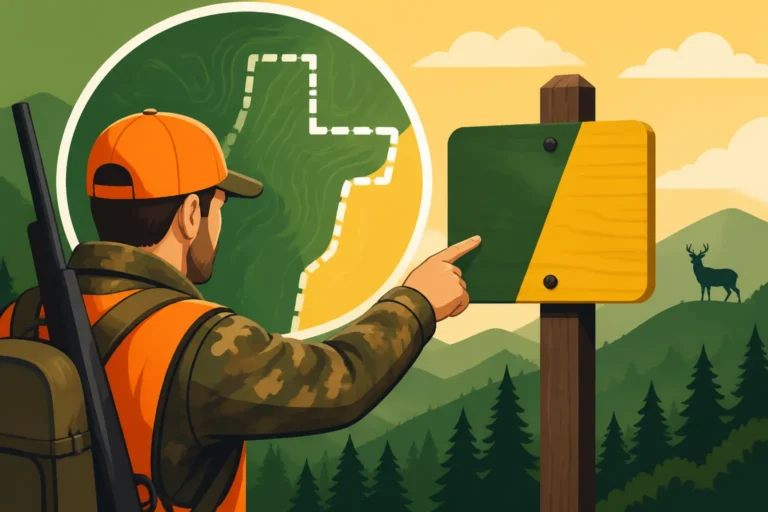
Being part of the Monongahela National Forest and a designated wilderness area, Dolly Sods has specific rules beyond standard West Virginia hunting regulations. You'll need your valid West Virginia hunting license and appropriate stamps, of course. However, within the wilderness boundaries, certain activities are restricted. For instance, motorized vehicles, including ATVs, are strictly prohibited, meaning everything must be done on foot. Camping regulations are also specific; while dispersed camping is generally allowed, you need to follow Leave No Trace principles meticulously. Understanding these nuances is crucial, and a call or visit to the local Monongahela National Forest ranger district office is always a good idea to get the latest information. This helps you avoid any unintended violations of Camping Rules on West Virginia National Forest Land.
Mapping and Route Planning
This is where modern technology really shines, but old-school skills remain indispensable. Relying solely on your phone's GPS can be a recipe for disaster given the notoriously spotty cell service in the Sods. Invest in a dedicated GPS unit and know how to use it. Even better, bring a topographic map and compass and understand how to navigate with them. Mark your entry and exit points, potential game travel corridors, water sources, and any distinctive terrain features you identify from satellite imagery.
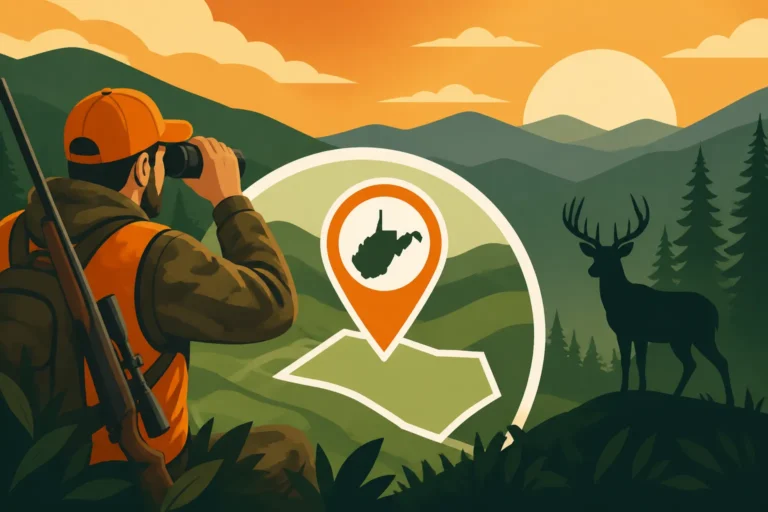
This is precisely where tools like onX Hunt become invaluable. You can download offline maps to your phone, mark waypoints, identify property boundaries (though most of Dolly Sods is public, understanding where wilderness boundaries begin or end is vital), and trace potential routes. Scouting on these digital maps beforehand allows you to virtually walk the terrain, identify saddles, benches, and thick cover. Use high-resolution satellite imagery to pinpoint those transition zones where dense spruce meets more open bog, or where a slight rise offers a vantage point. Don't forget to mark prominent features like rocky outcrops or distinct tree lines that can serve as natural landmarks if the fog rolls in. While GoHunt primarily caters to Western big game draw odds, the principles of detailed digital scouting are universal, and a deep dive into available satellite imagery for any public land area is always a smart move.
Entry Points and Trail Considerations
Access to Dolly Sods is generally via forest roads that fringe the wilderness area. Once you leave the road, you'll often find a network of established hiking trails, some of which are more defined than others. These trails can be excellent starting points, but to truly hunt the bogs effectively, you’ll need to leave the beaten path. The temptation is to stick to the easier-to-traverse trails, but the game often holds tight in the deep, difficult-to-penetrate thickets and boggy depressions that most hikers avoid.
Identify less-traveled entry points that minimize your impact and give you a tactical advantage. These might involve bushwhacking through dense rhododendron tunnels or picking your way across uneven, rocky terrain. Always consider your exit strategy, especially if you plan to pack out game. A steep, boggy incline that's manageable on the way in with an empty pack can become an absolute nightmare with a loaded one. Plan for slow travel, expect to exert significant energy, and understand that cover is rarely sparse, making long-distance visibility almost non-existent in many areas.
Hunting Strategies for Dolly Sods Bogs
Hunting in the Dolly Sods bogs requires patience, adaptability, and a willingness to work harder than you might in other hunting locales. The dense cover and challenging terrain necessitate specific approaches for success.
Still-Hunting the Spruce and Fir
Given the incredibly dense nature of the spruce and fir stands, still-hunting is often your most effective tactic for deer and bear. This involves moving incredibly slowly, often taking only a few steps before stopping to observe, listen, and scan. Think of it as stalking, but with a much slower pace. You're not just looking for an animal; you're looking for movement, a subtle shift in color, the flick of an ear, or the glint of an antler.
Focus on the edges where the dense timber meets the more open bogs or heath. These transition zones are natural travel corridors and feeding areas. Animals use the thick cover for security and will venture out to feed. Move into the wind, paying close attention to thermals, which can be fickle and shift with changes in elevation and sun exposure. In the mountains, cold air sinks into hollows at night, then rises with the sun. Understanding Wind and Thermals on a Steep Ridge is crucial here, even though you're on a plateau, localized elevation changes and the open, windswept nature of the Sods create complex air currents. Deer and bear will be bedded deep in the thickest cover, so you need to be silent and methodical, easing through the dense branches, stepping over downed timber, and watching for fresh sign like rubs, scrapes, or droppings.
Driving Tactics in the Dense Cover
For areas of particularly dense cover, small, controlled deer drives can be effective, especially for pushing game out of impenetrable spruce thickets towards more open bog edges or natural funnels. This isn't about running and yelling; it's about smart, strategic movement. Two or three hunters can often cover a surprising amount of ground when working together.
One or two hunters can act as "pushers," moving slowly and deliberately through a section of cover, making just enough noise to encourage game to move. The other hunter or hunters, the "standers," position themselves silently along likely escape routes or funnels. These could be subtle depressions, breaks in the thicket, or the edge of a bog. Communication is paramount, either through quiet radios or pre-arranged signals. Remember, the goal isn't to blast through the woods, but to gently prod deer or bear out of their beds and towards a waiting hunter. Deer Drives With Three or Four Hunters is a general approach, but in Dolly Sods, the drives need to be tighter, slower, and incredibly disciplined. Due to the limited visibility, standers must have clear shooting lanes and be absolutely certain of their target and what lies beyond.
Tracking in Soft Ground and Snow
The boggy nature of Dolly Sods, combined with its propensity for early snow, can create excellent tracking conditions. Soft, wet earth and fresh snow allow you to read the story of the woods. Look for fresh tracks, not just any tracks. Pay attention to the size, depth, and gait of the tracks to determine if it's a deer, bear, or another animal, and whether it's moving casually or being pushed.
If you manage to get a shot off, especially on a larger animal like a deer or bear, tracking will be your primary method of recovery. Dolly Sods is not a place for marginal shots or giving up quickly. The dense cover can swallow an animal whole, and the difficult terrain makes blood trailing a challenge. Take your time, mark the last blood, and proceed cautiously. Even in wet, boggy ground, the vegetation can quickly obscure a blood trail. Look for broken twigs, displaced moss, or disturbed leaves that indicate the animal's path. Be prepared for a long, arduous track, and always have a plan for Blood Trailing After Dark in West Virginia if necessary, as daylight hours can shrink rapidly in the high mountains.
Essential Gear for a Successful Bog Hunt
The challenging environment of Dolly Sods demands a very specific gear list. Skimping on quality or preparedness here is not just uncomfortable; it can be dangerous.
Footwear and Clothing for Wet, Cold Conditions
Your feet will be the foundation of your Dolly Sods hunt, so invest in top-tier waterproof boots. These aren't just for splashes; you'll be slogging through muddy bogs, wet sphagnum, and potentially shallow streams. Look for boots with excellent ankle support for the uneven terrain and aggressive traction for slippery rocks and moss. Rubber boots are a solid choice for their waterproof capabilities, but ensure they are insulated for the cold. Consider wearing gaiters to keep bog water and debris out of your boot tops. When it comes to clothing, layering is non-negotiable. Start with moisture-wicking base layers, add insulating mid-layers like fleece or wool, and top it off with a completely waterproof and windproof outer shell. Wool is an excellent choice for insulation because it retains warmth even when wet. Boots for West Virginia Hollows and Ridges gives a good overview, but prioritize absolute waterproofing for Dolly Sods. And never, ever skimp on Rain Gear for a West Virginia Downpour – you'll need it.
| Gear Category | Specific Item | Dolly Sods Application | Why It's Crucial |
|---|---|---|---|
| Footwear | Insulated Rubber Boots | Navigating bogs, streams, muddy trails | Absolute waterproofing, warmth, ankle support |
| Outerwear | Waterproof/Windproof Shell | Protection from rain, sleet, snow, and relentless wind | Prevents hypothermia, keeps base layers dry, maintains body warmth |
| Insulation | Wool/Synthetic Layers | Sustained warmth in cold, wet conditions | Retains warmth even when damp, wicks moisture, quiet for hunting |
| Navigation | GPS Unit & Map/Compass | Finding waypoints, preventing disorientation in fog/wilderness | Cell service unreliable, essential for safety and finding game |
| Safety | First Aid Kit, Fire Starter | Addressing injuries, emergency warmth | Remote area, quick response to medical needs, emergency signaling |
| Visibility | Blaze Orange/Pink | Required for gun season, high visibility in dense cover | Legal requirement, prevents accidents, especially in low visibility |
Navigation and Safety Tools
As mentioned, cell service is often non-existent. A reliable, dedicated GPS unit loaded with detailed topographic maps is your best friend. Even with a GPS, always carry a physical map and compass and know how to use them. Mark your truck, specific bog entrances, and any distinct features as waypoints. A power bank for your phone (if using it for onX Hunt or other mapping apps) and your GPS is also a must.
Beyond navigation, safety is paramount. A comprehensive First Aid Kits for Remote Highlands Ground is not optional. Include blister treatment, pain relievers, bandages, antiseptic wipes, and any personal medications. A fire starter (waterproof matches, lighter, ferro rod) can be a lifesaver if you get stuck overnight in cold conditions. Carry a headlamp with extra batteries – walking out in the dark over uneven, boggy ground is hazardous. A whistle can be useful for signaling hunting partners if you get separated in the fog. Consider carrying a small saw or hatchet for clearing shooting lanes or processing firewood in an emergency. GPS Units Versus Phone Apps discusses the pros and cons; for Dolly Sods, redundancy is key.
Firearm and Optics Considerations
For the dense cover of Dolly Sods, you'll generally be making shots at relatively close range. A rifle chambered in a cartridge suitable for heavy cover, like a .30-30, .308, or 6.5 Creedmoor, will work well. The key is accuracy at 50-150 yards, not long-range precision. Short, handy carbines are excellent for maneuvering through thick spruce. Shotguns with slugs or muzzleloaders are also effective, especially during specific seasons. Ensure your firearm is sighted in for close to mid-range and that you've practiced shooting quickly and accurately in brushy conditions.
Optics should prioritize low-light performance and a wide field of view. A binocular in the 8x or 10x range will be sufficient for scanning the edges of bogs or glassing through breaks in the timber. Rangefinders are useful, but keep in mind that many shots will be within known distances, so knowing your rifle's holdovers for 50, 100, and 150 yards is more important than ranging a distant target. A good quality, low-power rifle scope (e.g., 1-4x, 2-7x, or a fixed 4x) with an illuminated reticle can be invaluable for quick target acquisition in the deep shadows of the spruce or in low light conditions often prevalent in the Sods.
Hunting Dolly Sods' high-elevation bogs is not for the faint of heart, but for those who embrace the challenge, it offers an unforgettable experience in one of West Virginia's wildest places.
Disclaimer
This article is for general informational purposes only and does not constitute professional advice. Laws, prices and regulations vary by location and change over time. Consult a qualified professional for guidance on your specific situation.