Feral Swine Sightings in Southern West Virginia
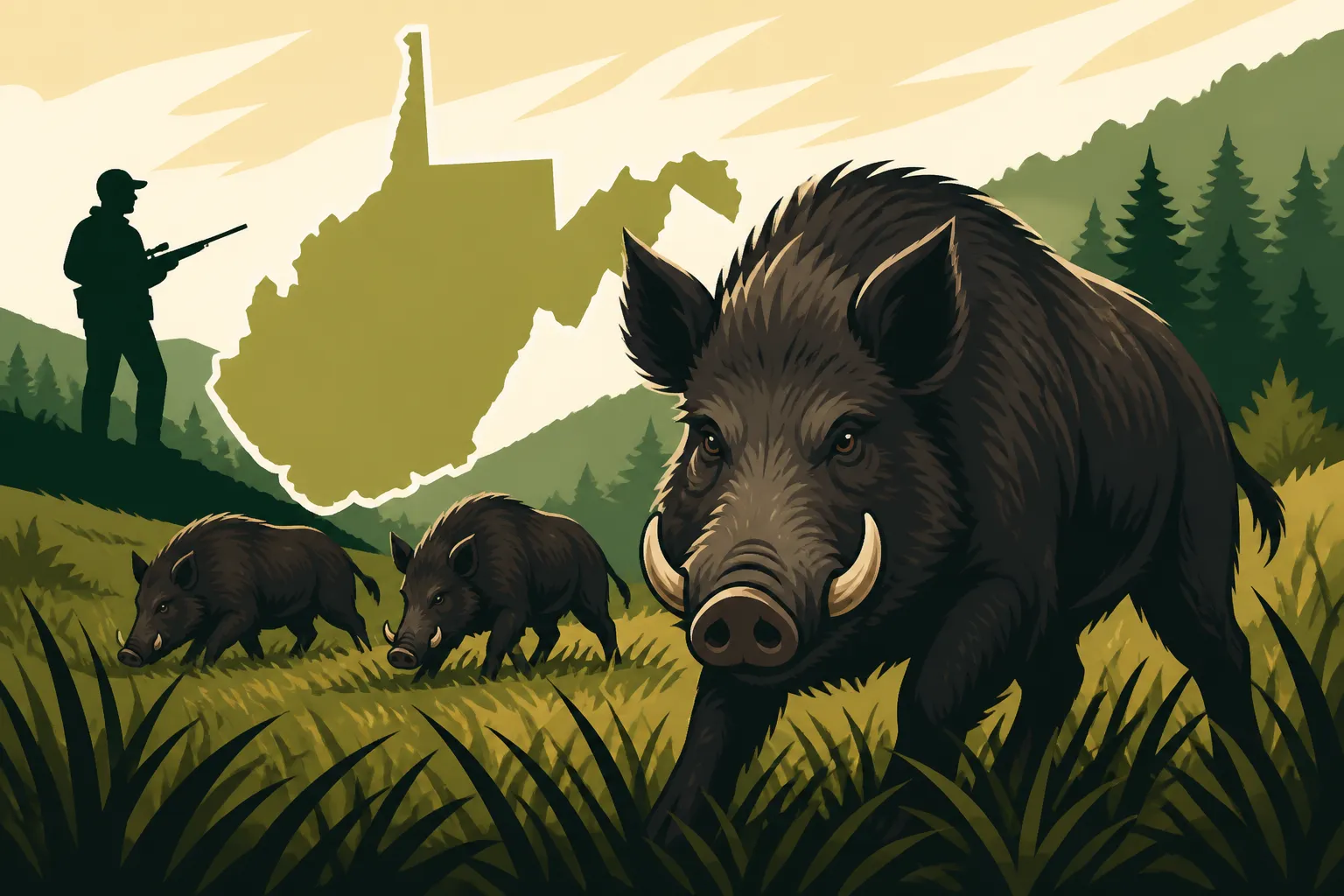
The quiet hum of the Appalachian foothills in Southern West Virginia has, in recent years, been occasionally interrupted by a less-than-harmonious sound: the tell-tale rooting and snorting of feral swine. For hunters, landowners, and conservationists, these unwelcome visitors represent a growing challenge, threatening native wildlife and causing significant agricultural and ecological damage. This guide aims to pull back the curtain on feral swine sightings in Southern West Virginia, helping you understand their impact, identify their presence, and learn what can be done to manage them.
The Growing Threat of Feral Swine in Southern West Virginia
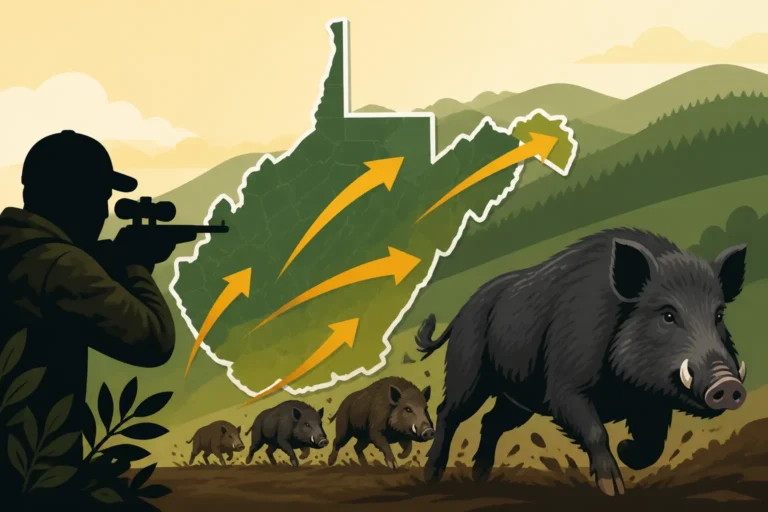
Feral swine, often called wild hogs or wild pigs, are a formidable invasive species, and their presence in West Virginia, particularly in the southern counties, is a serious concern. These aren't just farm escapees; they are resilient, intelligent, and incredibly destructive animals that reproduce at an alarming rate. Their expansion into new territories is a silent invasion that can rapidly destabilize local ecosystems and agricultural operations.
Understanding the Destructive Nature of Wild Hogs
When we talk about the problems feral swine cause, it’s not just about a few animals roaming the woods. These creatures are ecological wrecking balls. Their primary mode of destruction is their relentless rooting behavior, where they use their powerful snouts to dig up soil in search of roots, tubers, and insects. This rooting devastates agricultural crops, pastures, and delicate forest understories, leaving behind landscapes that look like they've been plowed by a tractor. Imagine waking up to find your carefully tended food plot or even a significant portion of your backyard looking like a minefield – that’s the kind of direct impact we’re talking about. This isn't just an inconvenience; it can mean lost income for farmers and a significant hit to habitat for native wildlife.
Beyond rooting, they wallow in mud, creating stagnant, contaminated water sources and disturbing stream beds. They also carry diseases like pseudorabies, brucellosis, and leptospirosis, which can be transmitted to domestic livestock, pets, and even humans, posing a very real public health and agricultural risk. The potential for a disease outbreak spreading from a wild hog population to commercial livestock operations is a constant worry for farmers in the region.
Competition with Native Wildlife
Feral swine are voracious omnivores, meaning they'll eat just about anything. Their diet includes acorns, roots, insects, snakes, eggs of ground-nesting birds, and even fawns. This puts them in direct competition for food sources with native game species like white-tailed deer and wild turkeys. Imagine a limited supply of acorns, a critical food source for deer and bears in the fall. When a sounder of hogs moves in, they can decimate that food supply, leaving little for the animals that rely on it to build fat reserves for winter.
Their predation on fawns and turkey poults is particularly concerning, as it can significantly impact the reproductive success and overall health of these game populations. We work hard to manage our deer and turkey populations in West Virginia, and the introduction of a new, highly effective predator like the feral hog adds another layer of complexity and stress to those efforts. It's a frustrating situation for hunters who observe healthy native populations year after year, only to see them potentially suffer due to an invasive species. If you're passionate about White-Tailed Deer Across West Virginia or Wild Turkeys in West Virginia, understanding the threat posed by feral swine is crucial.
Pinpointing Feral Swine Presence in Southern West Virginia
Identifying where feral swine are appearing is the first step in understanding and combating their spread. While their populations are still somewhat localized compared to some other states, sightings are increasing, and it's vital for anyone spending time outdoors to know what to look for and where.
Common Habitats and Hotspots
In Southern West Virginia, feral swine tend to favor areas that offer dense cover, proximity to water, and abundant food sources. This means you're most likely to encounter their sign in riparian areas along creek bottoms and river systems, especially those with thick stands of rhododendron or mountain laurel. These areas provide excellent concealment and easy access to water. They also frequent reclaimed surface mine lands, where disturbed soil and early successional vegetation can offer abundant rooting opportunities and dense thickets for bedding. Large, continuous tracts of timber, especially those with oak stands providing mast, also become attractive feeding grounds.
Counties in the southern tier, particularly those bordering states with established hog populations, have seen an increase in activity. While specific numbers change, anecdotal reports and official observations suggest that counties like Wayne, Mingo, Logan, and Wyoming are areas where hunters should be particularly vigilant. These areas often have a mix of dense forest, agricultural fringes, and those reclaimed lands that provide ideal hog habitat. It's not uncommon to hear of sightings even in more remote parts of Hunting the Southern Coalfields, especially around water sources.
Recognizing the Signs: What to Look For
Feral swine are masters of stealth, often active at night or in the dense cover of day, making direct sightings rare. However, they leave behind a plethora of unmistakable signs. The most obvious is rooting, which appears as disturbed earth, churned up soil, and overturned vegetation, often in long, linear patterns. This isn't just a shallow scrape; it's often deep, as if a small plow went through. Wallows, muddy depressions where hogs roll to cool off and remove parasites, are another clear indicator, often found near water sources.
Tracks are distinctive, resembling deer tracks but with slightly more splayed toes and dewclaws that almost always register, even in soft mud. Rubs, where hogs scratch themselves against trees or fence posts, can also be found, sometimes accompanied by mud or hair. Scat varies but can often contain plant matter, seeds, and even hair or bone fragments. Tusk marks on trees, especially saplings, are another sign, as boars will rub their tusks to sharpen them and mark territory. For hunters using mapping tools or scouting apps like GoHunt, understanding these signs can help you mark potential hog activity areas and adjust your Scouting West Virginia Public Land Before Season strategy accordingly.
| Sign of Presence | Description | Location/Context | Impact |
|---|---|---|---|
| Rooting | Uprooted soil, disturbed vegetation, resembles plowing | Fields, food plots, forest floors, creek banks | Crop destruction, habitat degradation, soil erosion |
| Wallows | Muddy depressions, often with visible hair | Near water sources (streams, ponds, wet areas) | Water contamination, soil compaction |
| Tracks | Split hooves, often splayed, dewclaws usually show | Soft ground, mud, snow, near water or feeding areas | Indicate presence and travel patterns |
| Rubs | Scratches/mud on trees, fence posts, or rocks | Along trails, near bedding or feeding areas | Territory marking, tusk sharpening, can damage saplings |
| Scat | Irregular pellets or clumps, varied diet | Along trails, feeding areas | Indicates diet and presence |
| Trails | Well-worn paths through dense vegetation | Between bedding, feeding, and watering areas | Suggests regular travel routes |
Your Role in Management: Reporting and Response
The fight against feral swine isn't one that can be won by a single agency or a handful of individuals. It requires a collaborative effort from every resident, especially those who spend time in the woods or manage land. If you encounter signs of feral swine, your actions matter.
The Importance of Reporting Sightings
The absolute best thing you can do if you suspect or confirm feral swine presence is to report it immediately. The West Virginia Division of Natural Resources (WVDNR) relies heavily on public reports to track the spread of these animals and implement targeted management strategies. Simply knowing where they are is half the battle. Don't assume someone else will report it; take the initiative. Accurate reporting helps the WVDNR allocate resources effectively for trapping efforts and allows them to communicate with landowners who might be impacted.
When you report, try to be as specific as possible. Note the date and time of the sighting, the exact location (GPS coordinates are ideal, but a clear description of landmarks works too), the number of hogs seen, and any observable signs like rooting or wallows. Even a photo, if safely taken, can be incredibly helpful. This data is critical for understanding How Many Feral Hogs West Virginia Has and Which West Virginia Counties Have the Most Hogs, directly informing future management decisions.
Hunting and Trapping as Management Tools
For hunters, feral hogs are an interesting challenge. West Virginia has a very liberal approach to hunting feral hogs due to their invasive status. Generally, they can be hunted year-round on private land without bag limits, and often even at night with lights, although specific rules and regulations should always be verified with the WVDNR. This can be an effective way for landowners and hunters to help control populations. If you're interested in Hunting West Virginia's Year-Round Feral Hogs, always make sure you're up-to-date on the latest regulations, especially concerning weapons and public land access.
However, it's important to understand that recreational hunting alone is rarely enough to eradicate or even significantly control established hog populations. Hogs are smart, and they quickly become nocturnal and wary of human pressure. Trapping, especially large-scale trapping using corral traps, is often the most effective method for removing significant numbers of hogs, as it allows for the capture of entire sounders (family groups). Landowners experiencing significant damage can often work with wildlife agencies or private contractors who specialize in trapping. For more on this, you might look into Trapping West Virginia Feral Hogs. Combining informed hunting with strategic trapping efforts is usually the most successful approach.
Ecological Impact and Future Outlook
The spread of feral swine isn't just a nuisance; it's an ecological problem with far-reaching consequences for West Virginia's natural heritage. Understanding these impacts helps underscore the urgency of proactive management.
Effects on Native Flora and Fauna
As previously mentioned, feral swine directly compete with native wildlife for food and actively prey on vulnerable species. This pressure can be particularly acute on ground-nesting birds, like wild turkeys and ruffed grouse, whose nests are easily destroyed by rooting hogs. The impact on fawns, especially in their early weeks, can be devastating, potentially reducing the recruitment of new deer into the population. Beyond direct predation, their constant rooting can destroy critical habitat components, such as rare plant communities or the regeneration of specific tree species, altering forest composition over time. The ripple effect through the ecosystem can be subtle but profound, impacting everything from insect populations to soil health.
Consider a mature oak forest, a cornerstone of Appalachian wildlife. Hogs can root up acres of this forest floor, consuming acorns that would have fed deer, bear, and squirrels. This disruption prevents new oak saplings from establishing, impacting the future of the forest. This kind of ecological damage is not easily reversed, and it compounds over time.
The Role of Hunter Education and Community Awareness
Hunter education isn't just about safety; it's also about conservation and understanding the role hunters play in managing wildlife populations, including invasive species. Educating the hunting community about the destructive nature of feral swine and the importance of reporting sightings is paramount. Hunters are often the first line of defense, spending countless hours in remote areas where hogs might first appear. Tools like GoHunt can be invaluable here, not just for mapping and scouting, but also for its community features where hunters can share observations and learn from each other's experiences regarding these unwelcome visitors.
Community awareness extends beyond hunters. Landowners, farmers, hikers, and anyone recreating outdoors needs to be informed. The more eyes and ears we have on the ground, the better equipped we are to track and respond to these animals. West Virginia's unique landscape, with its dense forests and reclaimed lands, offers abundant cover for feral swine, making early detection and a coordinated response absolutely essential. For those concerned about potential damage, understanding West Virginia Deer Damage Permits for Farmers and similar programs can offer some recourse and support.
Disclaimer
This article is for general informational purposes only and does not constitute professional advice. Laws, prices and regulations vary by location and change over time. Consult a qualified professional for guidance on your specific situation.