West Virginia CWD Prevalence in the Containment Area
For West Virginia hunters, few topics bring more concern and conversation to the deer camp than Chronic Wasting Disease, or CWD. It's a real and present threat that can feel overwhelming, especially when you're trying to understand what its presence in specific containment areas truly means for your hunting plans and the health of our deer herd. This comprehensive guide aims to demystify CWD prevalence in West Virginia's containment zones, breaking down the facts, outlining your responsibilities as a hunter, and offering practical advice to navigate these challenging but crucial regulations.
Understanding CWD and Its Impact in West Virginia
Chronic Wasting Disease is a serious, fatal neurological disease that affects cervids – deer, elk, and moose. It's caused by abnormal proteins called prions, which slowly accumulate in the brain and other tissues, leading to a host of debilitating symptoms like extreme weight loss, abnormal behavior, and ultimately, death. What makes CWD particularly insidious is its long incubation period, meaning an infected animal can appear perfectly healthy for months or even years while shedding infectious prions into the environment through saliva, urine, and feces. These prions are incredibly persistent, capable of remaining infectious in soil for extended periods, making contaminated areas a long-term risk.
The arrival of CWD in West Virginia was a significant blow to our wildlife management efforts and hunting traditions. It was first detected in a deer harvested in Hampshire County, and from there, we've watched with heavy hearts as it has slowly, but surely, spread to neighboring areas. The initial discovery immediately triggered a series of containment and management strategies by the West Virginia Division of Natural Resources (WVDNR) to monitor the disease and attempt to limit its spread. This isn't just a West Virginia problem; it's a nationwide concern, but for us, it hits close to home. Understanding How CWD Spread From Hampshire County is key to appreciating the challenges we face today. It’s not just an abstract concept; it affects real deer in real places where we hunt.
The reason CWD is such a profound concern is twofold. First, there's currently no vaccine or cure, making prevention and containment our primary tools. Once established in a herd and environment, it's incredibly difficult, if not impossible, to eradicate. Second, while there's no evidence CWD can spread to humans, the Centers for Disease Control and Prevention (CDC) and other health organizations recommend not eating meat from CWD-positive animals. This adds a layer of anxiety for hunters who rely on venison for their families. The long-term implications for deer populations, herd health, and the future of hunting in affected areas are significant, and that's why regulations around CWD prevalence are so stringent. Our hunters play an absolutely vital role in helping to monitor and manage this disease, which is why your understanding and compliance are so critical. The very first detection point, Why Hampshire County Became West Virginia's CWD Ground Zero, remains a focal point for our understanding of the disease's lifecycle within the state.
The Dynamics of CWD Prevalence in Designated Containment Areas
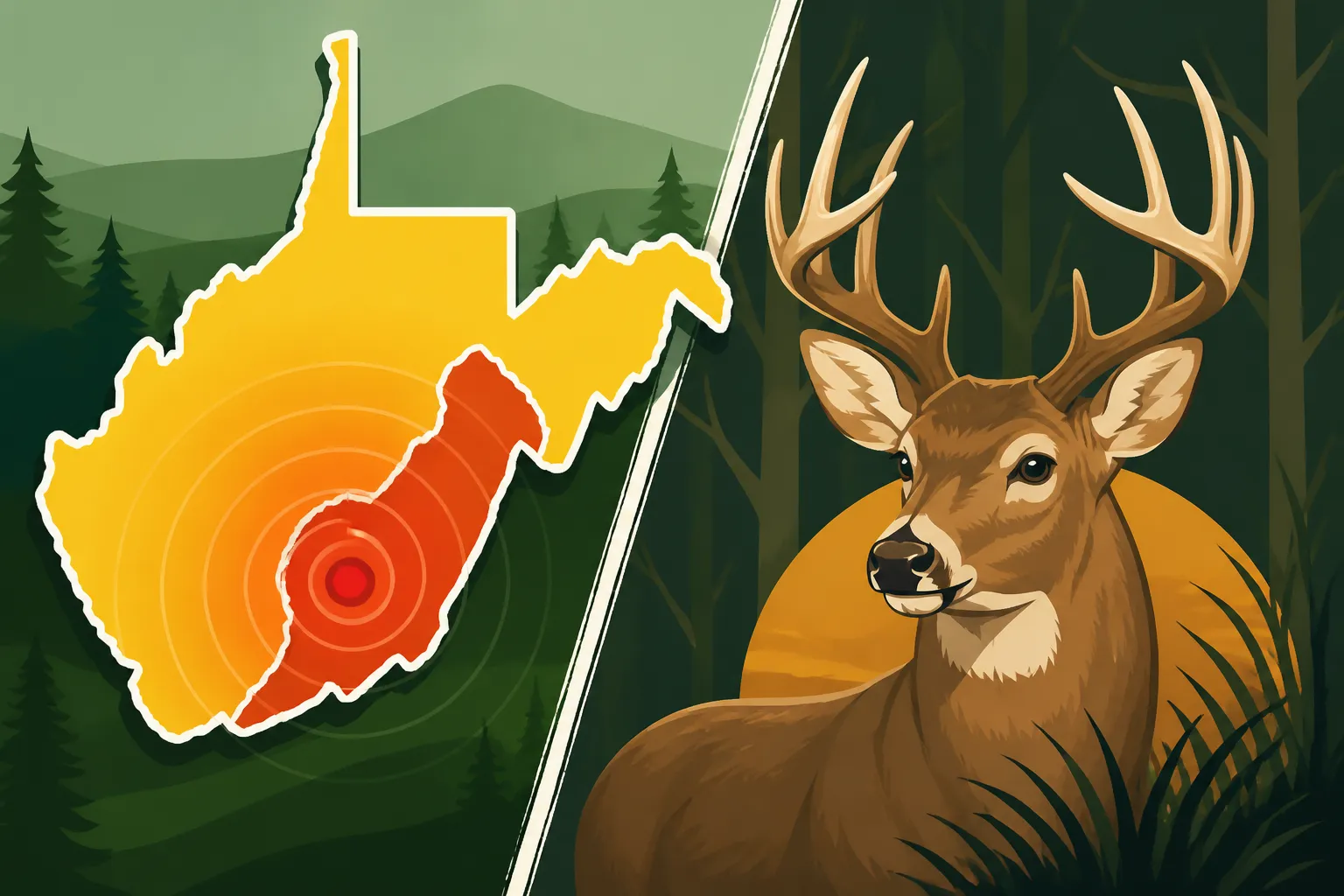
When we talk about "containment areas," we're referring to specific counties or portions of counties where CWD has been detected and where special regulations are in place to try and control its spread. These areas aren't static; they can expand as new cases are found. The WVDNR constantly monitors and updates the list of West Virginia's Chronic Wasting Disease Counties based on ongoing surveillance efforts. What defines these areas, beyond just the detection of the disease, are the specific, often mandatory, protocols that hunters must follow. These typically include mandatory CWD testing for harvested deer, restrictions on carcass movement, and sometimes even specific antlerless harvest initiatives to help manage herd density.
Prevalence, in simple terms, is the percentage of deer in a specific area that test positive for CWD. It's a critical metric because it tells wildlife managers how widespread the disease is within a given population. How is this prevalence measured? It starts with hunters bringing their harvested deer to designated sampling stations within the containment area. Biologists collect tissue samples, typically from the deer's lymph nodes, which are then sent to a certified lab for testing. The total number of positive tests compared to the total number of samples collected gives us the prevalence rate. This isn't a perfect science, as it relies on hunter participation and the accessibility of sampling stations, but it provides the best available data. For example, knowing How Many West Virginia Counties Have Found CWD gives us a broader picture, but the localized prevalence within those counties is what dictates specific management actions.
The dynamics of CWD prevalence can vary wildly, even within containment areas. In a newly established zone, prevalence might be very low, perhaps less than 1%, indicating the disease is still in its early stages. However, in areas where CWD has been present for a longer time, and especially in core infection areas, prevalence can be significantly higher, sometimes reaching double-digit percentages in adult bucks. Several factors influence these rates. Deer density is a big one: more deer living closer together means more opportunities for direct and indirect transmission. Habitat types also play a role, as certain environments might concentrate deer or retain prions more effectively. Hunter harvest strategies, including mandatory antlerless harvests, are often implemented to reduce overall deer density and potentially slow the spread of the disease. The concept of Mandatory Testing Inside the CWD Containment Area is a direct response to gathering this critical data on prevalence. It’s an inconvenience, sure, but it’s absolutely vital for understanding the scope of the problem.
Practical Implications for Hunters in West Virginia's CWD Zones
For those of us who hunt in West Virginia's CWD containment areas, the implications are significant and require careful attention. The most immediate impact is usually mandatory CWD testing for any deer harvested within these zones. This means that after you successfully fill your tag, you can't just head straight home to process your deer. You'll need to locate an official CWD sampling station – these are often staffed by WVDNR personnel or located at designated drop-off points, and it's a good idea to know where your nearest one is before you even hit the woods. The GoHunt app can be a lifesaver here, often having up-to-date maps and locations for these crucial checkpoints. You can find detailed information on Finding a West Virginia CWD Sampling Station to ensure you're prepared.
Another major hurdle is the carcass movement restriction. This is designed to prevent hunters from inadvertently moving an infected carcass out of a CWD zone and potentially spreading prions to new areas. Generally, this means you can only transport certain parts of the deer – typically boned-out meat, cleaned skull plates with antlers attached, hides, and cleaned teeth – outside the containment area. The brain, spinal cord, lymph nodes, and other high-risk tissues must remain within the CWD zone for disposal or testing. This often necessitates field dressing and even partially butchering your deer at the kill site or at a designated facility within the zone, which can be a real challenge, especially if you're hunting steep terrain or far from your vehicle. It’s a pain, no doubt, but it’s a necessary step. Make sure you’re crystal clear on West Virginia Carcass Movement Restrictions before your hunt.
These regulations can also influence your hunting strategy. While the core seasons might not change, some containment areas may have extended antlerless seasons or increased bag limits to help manage the deer population. This is all part of the WVDNR's effort to reduce deer density, which is believed to be a factor in CWD transmission. You might find yourself considering shots you might have passed on before, purely for herd management purposes. Additionally, deciding where to field dress your animal, how to transport it, and having appropriate game bags and tools for on-site processing become even more important. Platforms like GoHunt can sometimes offer insights into public land access that takes these CWD regulations into account, helping you plan your hunt logistics. Compliance with West Virginia CWD Testing for Hunters is not just a legal requirement; it's a vital contribution to the health of our deer herd.
Mitigating Risk and Supporting Wildlife Health Efforts
As hunters, we have a crucial role to play in mitigating the risks associated with CWD and supporting the overall health of West Virginia's wildlife. First and foremost, always practice safe handling when dealing with any harvested deer, especially in CWD zones. This means wearing gloves when field dressing and processing, minimizing contact with the brain and spinal cord, and using clean, disinfected tools. It's also wise to dedicate specific knives and processing equipment for deer harvested in CWD areas, or at least thoroughly clean and disinfect them with a bleach solution after each use.
Proper carcass disposal is another critical component. Never dump carcasses in fields, along roadsides, or in streams, particularly in CWD zones. High-risk parts like the brain, spinal cord, and lymph nodes should be double-bagged and disposed of in an approved landfill or buried deeply on the property where the animal was harvested, provided it's legal and practical to do so. This prevents prions from contaminating the environment and potentially infecting other deer. Every little bit we do helps.
Furthermore, we are the eyes and ears of the WVDNR in the woods. If you observe any deer exhibiting symptoms consistent with CWD – severe emaciation, abnormal drooling, neurological issues, or general disorientation – it's absolutely vital to report it. Do not attempt to harvest or handle a visibly sick animal unless specifically instructed by wildlife officials. Instead, note the location, take photos or video if possible, and contact the WVDNR immediately. They have protocols in place for Reporting a Sick Animal in West Virginia, and your timely information can be instrumental in identifying new outbreaks or monitoring existing ones. This active participation strengthens West Virginia Wildlife Disease Monitoring efforts across the state. Using tools like GoHunt to understand specific regulations or access contact information for regional WVDNR offices quickly can also streamline this reporting process, ensuring swift action.
Finally, continue to support the WVDNR's efforts by complying with all CWD regulations, participating in mandatory testing, and advocating for sound wildlife management policies. This disease poses a long-term threat to our hunting heritage, and our collective actions, no matter how small, can make a significant difference. Staying informed and being proactive is the best defense we have.
Disclaimer
This article is for general informational purposes only and does not constitute professional advice. Laws, prices and regulations vary by location and change over time. Consult a qualified professional for guidance on your specific situation.