West Virginia Squirrel and Rabbit Populations
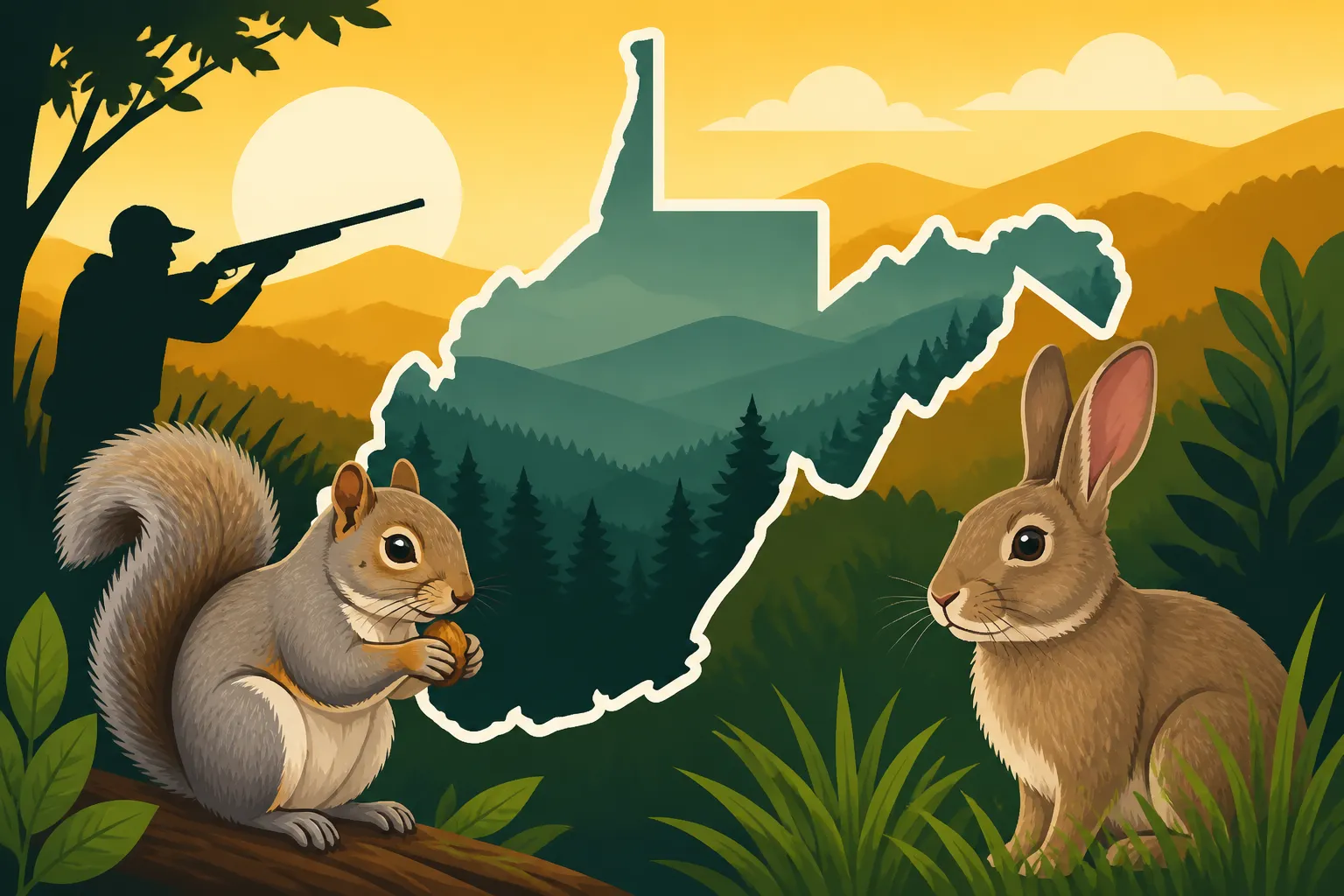
For many West Virginia hunters, the crisp autumn air doesn't just signal deer season; it ushers in the nostalgic pursuit of squirrels and rabbits. These aren't just small game; they're often the gateway to hunting, the perfect quarry for introducing new generations to the woods, and a fantastic way to sharpen your skills for bigger game. However, understanding where these populations thrive and why can feel like a moving target, especially with ever-changing habitats and environmental factors. This guide aims to pull back the curtain on the dynamics of squirrel and rabbit numbers across our beautiful Mountain State, helping you understand their patterns and find success in the field.
The Enduring Appeal of West Virginia's Small Game Hunting
There's something deeply satisfying about a day spent pursuing squirrels or rabbits. It’s often less about the trophy and more about the experience – the rustle of leaves, the keen eye for movement, the precise shot, and the simple pleasure of fresh game for the pot. These pursuits offer a different rhythm than the often-silent vigilance of deer hunting, providing more action and opportunity to move through the woods.
Why Small Game Matters to Mountain State Hunters
For many of us, chasing squirrels and rabbits was our first foray into hunting. There’s no pressure for a Boone and Crockett entry, just the pure enjoyment of being outdoors with a firearm or bow. It's a fantastic way to teach woodsmanship, tracking skills, and safe firearm handling without the intensity of a deer hunt. Think about those chilly mornings, walking through a woodlot with a .22 rifle, listening for the distinctive bark of a gray squirrel, or trudging through a brushy field, hoping to kick up a cottontail. These experiences are foundational. They instill a deep appreciation for habitat and wildlife interactions, skills that transfer to other game. Plus, a plate of fried squirrel or rabbit with gravy and biscuits? Pure West Virginia comfort food. It’s a tradition that binds generations, offering accessible hunting grounds and a long season for many.
The Challenge of Locating Consistent Populations
While small game animals are generally abundant, finding consistent concentrations year after year can be a real head-scratcher. One season, a specific oak ridge might be crawling with squirrels, only to be eerily quiet the next. The same goes for rabbits; a thick fencerow that produced dozens of flushes last year might only yield a handful this season. This variability often frustrates hunters who return to familiar spots expecting the same results. Factors like mast crop failures, heavy rains, or even localized predator spikes can dramatically shift where these animals choose to live and breed. It means you can't just rely on last year's intel; you need to understand the underlying population dynamics to stay ahead of the game.
West Virginia's Squirrel Populations: Grays and Foxes
When we talk about squirrels in West Virginia, we’re primarily focusing on two species: the prolific gray squirrel and the somewhat larger, less common fox squirrel. Both are native and offer excellent hunting opportunities, though their habits and preferred habitats differ.
Gray Squirrels: The Acorn Aficionados
The eastern gray squirrel is the undisputed king of West Virginia's squirrel woods. They are incredibly adaptable and found in nearly every county, particularly where mature hardwood forests dominate. If you've got oaks, hickories, and beeches, you've likely got gray squirrels. Their population numbers are heavily tied to the availability of mast crops – acorns, hickory nuts, beechnuts, and walnuts. A bumper crop one year can lead to a boom in squirrel numbers the following year, as more young survive and thrive. Conversely, a poor mast year can lead to a noticeable drop in populations and force squirrels to travel widely in search of food, making them harder to find in traditional spots.
These squirrels are busy creatures, constantly caching nuts for winter, which keeps them active on the forest floor and up in the canopies. They're often found in large numbers where preferred food sources are concentrated. Imagine walking through a mature oak flat in the Monongahela National Forest after a good mast year; the ground is often littered with cuttings, and the woods are alive with their chattering. This provides excellent opportunities for hunters practicing their Squirrel Hunting West Virginia Bottomland Hardwoods skills. They prefer dense canopy cover for security and nesting, using tree cavities or building leaf nests (dreys) high in the branches.
Fox Squirrels: Larger, Scarcer, and More Open-Minded
Fox squirrels are the giants of West Virginia's squirrel world, often twice the size of their gray cousins with a more reddish or yellowish-gray coat. They tend to be less common and more localized than gray squirrels. Unlike grays, fox squirrels prefer more open, scattered woodlots, often bordering agricultural fields, pastures, or along river bottoms with large, mature trees. You'll find them more in the river valleys and less dense forests, rather than the deep, unbroken timber where grays thrive. For example, in parts of the Ohio River Valley bottomland, you might find more fox squirrels because of the blend of agriculture and mature trees.
Their diet is broader, too, incorporating more seeds, buds, and even agricultural crops like corn and soybeans, in addition to nuts. Because they’re often in more open habitats, they can be a bit warier and require a different approach. They don't typically congregate in the same high numbers as gray squirrels, so if you're out Squirrel Hunting a West Virginia Oak Ridge, you're more likely to encounter grays unless that ridge transitions into more open farmland. Identifying areas with larger, widely spaced trees and proximity to fields can be key to finding good fox squirrel numbers. They also tend to be less social than grays, often seen alone or in smaller family units.
West Virginia's Rabbit Populations: The Eastern Cottontail
The eastern cottontail is the primary rabbit species hunted in West Virginia, a quintessential symbol of small game hunting. These little dynamos are known for their incredible reproductive capacity and their ability to thrive in edge habitats across the state.
The Eastern Cottontail's Boom-and-Bust Cycle
Eastern cottontails are famous for their ability to reproduce rapidly, earning them the reputation of being a truly resilient game species. A single doe can have multiple litters in a year, sometimes producing 3-7 young per litter, leading to impressive population booms in ideal conditions. This high reproductive rate is essential because cottontails are a primary food source for a wide array of predators, from coyotes and foxes to hawks and owls. This dynamic creates a classic boom-and-bust cycle. Years with mild winters and ample cover can see populations explode, while harsh winters, heavy predation, or habitat loss can cause numbers to dip significantly.
They are widespread across West Virginia, from the farmlands of the Eastern Panhandle to the regenerating clear-cuts of the Allegheny Highlands. However, their numbers are directly linked to the availability of dense, low-growing cover for both shelter and escape. Think about the edge of a field, a briar patch, or a tangle of honeysuckle.
Preferred Habitat: Thickets, Fencerows, and Early Successional Cover
Cottontails are habitat specialists, preferring areas with a mosaic of dense cover and open feeding grounds. They are edge-dwelling creatures, meaning they thrive where different habitat types meet. Ideal cottontail habitat includes:
- Fencerows and Hedgerows: These linear strips of tangled vegetation provide excellent travel corridors, escape cover, and foraging opportunities. For hunters looking to bag a few bunnies, targeting these areas is often fruitful. There’s a particular satisfaction in working a classic Rabbit Hunting West Virginia Fencerows setup.
- Brush Piles and Logging Debris: Any area with downed trees, brush, or debris provides immediate shelter from predators and harsh weather. Farmers who push up brush on field edges are often unknowingly creating prime rabbit habitat.
- Early Successional Growth: Recently clear-cut areas, old fields transitioning into brush, or young timber stands offer the dense, low-growing vegetation that rabbits absolutely adore. They need that thick stuff to hide in, often only venturing a few feet out to feed in adjacent grasses or forbs. Without this kind of regenerating cover, rabbit numbers will struggle.
- Swampy Areas and Bottomlands: Areas with dense cattails, reeds, or thickets near water sources also offer fantastic rabbit habitat, especially in the more agrarian valleys.
The key to finding cottontails is finding these "thickets within a thicket." They want to be able to dive into impenetrable cover at a moment's notice.
Factors Influencing Small Game Populations
Understanding the actual numbers of squirrels and rabbits across West Virginia requires looking beyond just what we see during a hunt. Their populations are in a constant state of flux, influenced by a complex interplay of environmental factors.
Mast Production and Food Availability
For squirrels, especially gray squirrels, mast production is paramount. Hard mast – acorns, hickory nuts, beechnuts – provides the critical energy source needed for survival through winter and successful reproduction in the spring. A banner mast year means more food, higher survival rates for young squirrels, and generally healthier, more robust populations. Conversely, a poor mast year can lead to:
- Reduced Reproductive Success: Fewer viable food sources mean does are less likely to successfully raise multiple litters or for their offspring to survive.
- Increased Mortality: Malnutrition makes squirrels more susceptible to disease and predation.
- Dispersal: Squirrels will travel much further in search of food, making them seem scarce in areas that were previously productive. If your go-to patch of woods seems empty, it might be that the local food source failed, and the squirrels moved on.
While rabbits have a more varied diet of grasses, forbs, and browse, an abundance of lush vegetation can certainly support higher numbers. However, their reliance on cover often outweighs the specific food available, as they're more generalist feeders.
Habitat Loss and Fragmentation
Habitat is king for all wildlife, and small game is no exception. Changes in land use and forest management practices can profoundly impact squirrel and rabbit numbers.
- Mature Forest for Squirrels: While gray squirrels are adaptable, they still need mature hardwood forests for dens and reliable mast production. Extensive clear-cutting without proper regeneration plans, or the conversion of forests to other land uses, directly reduces their prime habitat.
- Early Successional Habitat for Rabbits: The decline of small farms, the conversion of brushy fields into monoculture agriculture, or the maturation of forests without periodic disturbance (like timbering or prescribed burns) directly impacts rabbit populations. As brushy areas mature into timber, they lose the low-growing cover that rabbits need. This is a big reason why Rabbit Hunting Thick West Virginia Brush is becoming more specific to certain areas rather than being widespread.
- Fragmentation: Even if the total acreage of habitat remains, if it's broken up into smaller, isolated patches, it can lead to smaller, less resilient populations that are more vulnerable to localized threats.
This is where understanding local land use patterns and using scouting tools like GoHunt, which can show satellite imagery and land ownership, becomes incredibly valuable. It allows you to identify those crucial edge habitats and younger forest stands that rabbits and squirrels depend on.
Predation and Disease
Both squirrels and rabbits are prey animals, and their populations are constantly managed by predators. Hawks, owls, foxes, coyotes, bobcats, and even domestic cats and dogs take a toll. While a healthy ecosystem can typically sustain both predator and prey, localized increases in predator numbers or conditions that make prey more vulnerable can impact populations. For example, a severe winter that removes much of the protective undergrowth can leave rabbits exposed to aerial predators.
Diseases can also play a role, though often less dramatically than habitat or food. For squirrels, diseases like mange or squirrel pox can sometimes cause localized die-offs. Rabbits can be affected by conditions like tularemia (rabbit fever) or external parasites. These outbreaks are usually localized but can certainly impact huntable numbers in specific areas.
Regional Variations in West Virginia's Small Game Hunting
West Virginia is a state of diverse landscapes, and this diversity means that small game populations aren't uniform. What you find in the Eastern Panhandle might be different from the Southern Coalfields or the Allegheny Highlands.
Eastern Panhandle: Farmland Edges and Woodlots
The Eastern Panhandle counties, with their rolling hills, agricultural fields, and numerous woodlots, often provide excellent habitat for both squirrels and rabbits. The mix of mature hardwood stands (especially oak and hickory) bordering corn and soybean fields creates ideal conditions for gray squirrels and, in some areas, fox squirrels. Those field edges and fencerows are prime rabbit territory.
You'll often find squirrels feasting on mast crops in the woodlots and then moving into cornfields during the late season. Rabbits, meanwhile, thrive in the brambles, honeysuckle, and brushy borders that separate fields from forest or define property lines. Hunters in these areas often focus on working these transitional zones.
Allegheny Highlands: Vast Forests and Mast Dependence
In the higher elevations and vast timberlands of the Allegheny Highlands, such as the Monongahela National Forest, you'll find primarily gray squirrels. These deep woods are characterized by extensive oak and hickory stands, making mast production a critical factor here. Hunters often have to work harder to find concentrated populations, scouting for areas that had a strong mast crop.
Rabbit populations in the Highlands tend to be more localized, found in clear-cuts, old logging roads that have grown up, or along the edges of small farms or homesteads nestled into the valleys. The extensive, mature forests don't provide the low-growing cover rabbits need, so finding areas of early successional growth, perhaps from recent timber operations, is key. Hunters often have to hike deeper to find less pressured areas. Consider areas adjacent to Spruce Knob's High Ground or similar elevations where there might be a mix of forest and clearing.
Southern Coalfields: Regrowth and Rabbit Hotbeds
The Southern Coalfields, particularly areas with reclaimed surface mines or extensive timbering operations, can offer surprisingly good small game hunting. While some areas are heavily forested, many also feature significant acreages of regenerating forest, brushy clear-cuts, and open areas from past industrial activity.
These regenerating landscapes are absolute magnets for rabbits. The dense, low-growing vegetation, briar thickets, and scattered brush piles created by reclamation efforts provide phenomenal cover. Squirrels, especially gray squirrels, will also utilize these areas as the timber matures, focusing on remaining mature hardwoods or those growing back quickly. This region presents unique opportunities for hunters willing to explore these dynamic, changing landscapes.
Scouting and Season Success Strategies
Understanding population dynamics is one thing, but translating that into successful hunts is another. It requires active scouting and adapting your strategies to what the current season offers.
Pre-Season Scouting for Squirrels
The absolute best way to gauge squirrel populations and locate hot spots is to get out in the woods before the season opens.
- Identify Mast Production: Walk through your preferred woodlots in late summer and early fall. Look up into the canopy for developing nuts. Are the oak trees heavy with acorns? Are the hickories loaded? Pay attention to the forest floor for signs of early dropping or cuttings. A good mast crop is the number one indicator of where squirrels will be abundant. This is why tools that can help identify tree species, or simply knowing your hardwoods, is so important.
- Look for Cuttings and Nests: Even if you don't see squirrels, look for evidence of their activity. Fresh cuttings (fragments of nut shells) on logs or rocks indicate active feeding. Look for leaf nests (dreys) high in the trees, especially if they appear recently built or well-maintained.
- Listen: On quiet mornings, listen for their chattering, barking, and the rustle of leaves as they move. A walk through a potential area will quickly tell you if the woods are "squirrelly."
When the mast crop is spotty, squirrels might concentrate in smaller, isolated pockets where food is available. This is when Hunting After a Poor Acorn Year really tests a hunter's scouting abilities. Using a mapping application like GoHunt, you can overlay public land boundaries with satellite imagery, helping you pinpoint potential mast-producing ridges or bottomlands.
Finding Rabbit Concentrations
Rabbits are a bit different because they rely so heavily on dense cover. Scouting for them is more about identifying the right type of habitat.
- Focus on Edge Habitat: Walk the edges of fields, along fencerows, and through brushy clear-cuts. Look for dense briar patches, thickets of multiflora rose, honeysuckle, or fallen trees covered in vines.
- Look for Droppings and Runways: In these dense areas, look for rabbit droppings (small, round pellets) and well-worn trails or "runways" through the thick vegetation. These indicate active use.
- Identify Food Sources Near Cover: Rabbits will feed on clover, grasses, and tender shoots, but they won't venture far from dense cover. Look for these food sources immediately adjacent to impenetrable thickets.
- Observe During Off-Hours: Drive rural roads or walk quiet trails around dawn or dusk. Rabbits are often more active during these times and might be seen feeding at the edge of cover, giving you clues to their daytime hideouts.
Successful Rabbit Hunting Thick West Virginia Brush often involves identifying a network of these cover types and working them systematically. Don't be afraid to put on some tough brush pants and get into those tangles where the rabbits feel safe.
| Small Game Species | Primary Habitat | Key Food Sources | Population Indicators | Best Scouting Method |
|---|---|---|---|---|
| Gray Squirrel | Mature Hardwood Forests (Oaks) | Acorns, Hickory Nuts, Beechnuts, Walnuts | Mast Crop Success, Cuttings, Dreys | Visual inspection for mast/sign |
| Fox Squirrel | Open Woodlots, Field Edges, River Bottoms | Nuts, Seeds, Buds, Agricultural Crops | Presence of large mature trees, field proximity | Visual inspection, habitat analysis |
| Eastern Cottontail | Edge Habitat, Thickets, Fencerows | Grasses, Forbs, Tender Shoots, Browse | Dense Cover, Droppings, Runways | Identify thick cover zones |
Adapting to Population Shifts During the Season
Small game populations are not static, even within a single hunting season. Early season success might come from one area, but as pressure mounts, leaves fall, and food sources are depleted, animals will move.
- Follow the Food (Squirrels): As the season progresses, squirrels will deplete certain mast crops. If the red oaks were hot early, they might shift to white oaks or hickories later. Continue to observe where the food is most abundant and adjust your hunting locations accordingly.
- Increase Pressure, Increase Cover (Rabbits): With more hunting pressure, rabbits will become warier and stick to the densest cover available. Your tactics for Running Beagles on West Virginia Cottontails might need to be more aggressive, or you might need to hunt thicker, less accessible areas that other hunters avoid.
- Weather Impacts: Cold snaps can push animals into heavier cover, while mild days might see them more active. Snow can reveal fresh tracks, helping you pinpoint their travel routes and bedding areas.
Being flexible and observant is key. Don't be afraid to try new areas or change your tactics if your usual spots aren't producing. West Virginia offers incredible small game opportunities, and by understanding their populations and adapting your approach, you can enjoy these classic hunts for years to come.
Disclaimer
This article is for general informational purposes only and does not constitute professional advice. Laws, prices and regulations vary by location and change over time. Consult a qualified professional for guidance on your specific situation.