West Virginia Captive Cervid Oversight
For anyone who loves the wild beauty and abundant wildlife of West Virginia, the idea of "captive cervids" might bring up a lot of questions—and sometimes, a fair bit of concern. You might be wondering why deer or elk would be kept in pens at all, and more importantly, how the state ensures these operations don't negatively impact our beloved wild herds. This guide is here to untangle the complex web of regulations and oversight surrounding captive cervids in West Virginia, offering a deep dive into what it all means for the health of our wildlife and the future of our hunting traditions.
Understanding Captive Cervids in West Virginia
The term "captive cervid" might sound a bit technical, but it refers to a specific and carefully regulated aspect of wildlife management in our state. It's a world distinct from the free-ranging deer and elk we pursue in our forests, yet one that has significant implications for them.
What Exactly Are Captive Cervids?
When we talk about cervids, we're primarily referring to species like deer, elk, and their relatives. In West Virginia, this usually means white-tailed deer and, to a lesser extent, elk within specialized facilities. "Captive" simply means these animals are held within an enclosure, rather than roaming freely in the wild. This isn't just about someone keeping a pet deer (which is generally illegal without very specific permits, and certainly not the focus here). Instead, we're talking about more structured operations.
These operations can take several forms, each with its own set of rules and purposes. You might encounter deer farms, where animals are raised for venison, antler velvet, or breeding stock. There are also private hunting preserves, where captive-bred deer or elk are released into fenced areas for hunting opportunities. Some facilities might even be involved in research or rehabilitation. Each of these scenarios presents unique challenges and requires robust oversight to ensure they don't compromise the integrity and health of West Virginia's wild deer and elk populations. The line between wild and captive, while physically defined by fences, often blurs in terms of disease risk and genetic concerns, making stringent definitions and regulations absolutely crucial for our state's wildlife.
The Rationale Behind State Oversight
So, why does the state bother with all this oversight for animals that aren't technically "wild"? The answer boils down to protection – protecting our wild herds, protecting public health, and protecting the very future of our hunting heritage. The West Virginia Division of Natural Resources (WVDNR) and the West Virginia Department of Agriculture (WVDA) recognize that even fenced-in animals can pose risks to their wild counterparts, primarily through disease transmission and potential genetic mixing.
One of the most pressing concerns, and arguably the driving force behind much of the regulation, is the threat of Chronic Wasting Disease (CWD). This neurological disease is always fatal to cervids and has no known cure. If CWD were to spread unchecked from captive facilities into our wild deer population, it could devastate local herds and seriously impact hunting opportunities. Beyond disease, there's the risk of escapes. If a captive deer, perhaps one with a genetic makeup not typical of our native West Virginia deer, were to escape and breed with wild deer, it could dilute the genetic pool, potentially leading to less hardy or less adapted animals. Furthermore, ensuring humane treatment and preventing illegal wildlife trade also fall under the umbrella of state oversight. It's a delicate balance of allowing legal, commercial enterprises while safeguarding the wild resources that belong to all citizens of the Mountain State.
West Virginia's Regulatory Framework for Captive Cervids
Navigating the rules and regulations around captive cervids in West Virginia can feel a bit like wading through dense laurel thickets – it requires patience and a good map. Thankfully, the state has a comprehensive framework designed to keep things in order and, most importantly, protect our wild deer and elk.
Key Agencies Involved in Oversight
When it comes to captive cervid oversight in West Virginia, you're essentially dealing with a two-headed monster, but in the best possible way: the West Virginia Division of Natural Resources (WVDNR) and the West Virginia Department of Agriculture (WVDA). Each agency has its own area of expertise and responsibility, working in tandem to ensure compliance and prevent problems.
The WVDNR is primarily concerned with the health and management of wild populations, but their mandate extends to captive cervids due to the direct impact these facilities can have on wild deer and elk. They focus on preventing disease transmission, managing permits for holding wildlife, and ensuring that any captive operations don't undermine the state's conservation efforts. Their role is critical in setting standards for enclosures, monitoring escapes, and responding to incidents that could affect wild animals. The WVDA, on the other hand, approaches captive cervids from a livestock and animal health perspective, treating them much like any other agricultural animal. They handle disease testing, health certifications, veterinary inspections, and ensuring facilities meet biosecurity standards. This dual agency approach ensures that both wildlife conservation and animal agriculture concerns are addressed comprehensively, providing a robust safety net for our state's natural resources.
Specific Regulations and Requirements
Operating a captive cervid facility in West Virginia isn't a casual endeavor; it's governed by a detailed set of regulations designed to minimize risk. These aren't just suggestions; they are legally binding requirements that facility owners must adhere to, with significant penalties for non-compliance.
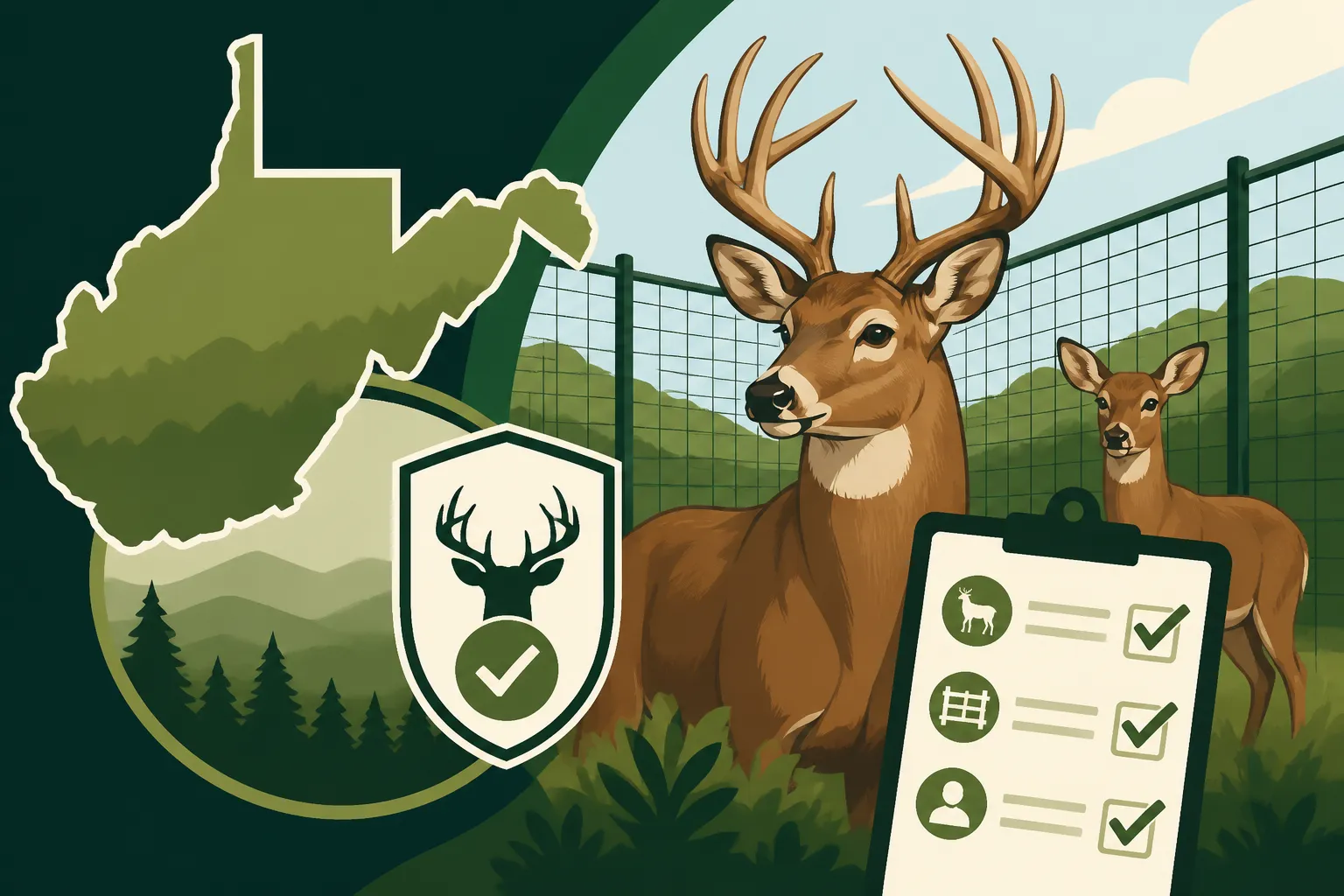
One of the foundational requirements is for secure fencing. This isn't just a basic cattle fence; we're talking about high, sturdy fences designed specifically to prevent the escape of captive cervids and, equally important, to prevent wild cervids from entering the facility. These fences must be regularly inspected and maintained to ensure there are no breaches. Next up are stringent disease testing and health protocols. This is where the WVDA plays a massive role. Facilities must participate in state-mandated CWD surveillance programs, which involve regular testing of animals, especially those that die or are harvested. There are also protocols for other diseases like tuberculosis and brucellosis. These tests are vital for early detection and preventing potential outbreaks. Every captive cervid also needs to be properly tagged and identified, typically with ear tags, which allows for individual tracking and management. This is critical for tracing disease outbreaks or identifying escaped animals. Finally, facilities have reporting requirements. Owners must report births, deaths, acquisitions, and transfers of animals, keeping detailed records that allow the WVDNR and WVDA to maintain an accurate inventory and monitor all activities within the state's captive cervid population. All these rules, while seemingly burdensome, are the bedrock of protecting our wild herds.
Addressing the Concerns: CWD, Escapes, and Genetic Integrity
The regulations surrounding captive cervids are not arbitrary; they are a direct response to very real and significant concerns that could severely impact West Virginia's wildlife and hunting opportunities. Understanding these concerns helps to appreciate the importance of stringent oversight.
The Ever-Present Threat of Chronic Wasting Disease
Let's be frank: Chronic Wasting Disease (CWD) is the elephant in the room when discussing captive cervids. This insidious, always-fatal neurological disease is a constant worry for wildlife managers and hunters alike. It spreads through prions, which can persist in the environment for years, making containment incredibly difficult once established. The nightmare scenario is a CWD-positive captive animal escaping or interacting with wild deer, rapidly accelerating the disease's spread. We've seen firsthand how CWD can take root, with Chronic Wasting Disease in West Virginia Deer being a major ongoing challenge.
The risk is so high because captive facilities, by their very nature, often house animals in higher densities than they would experience in the wild. This increased proximity can lead to more efficient transmission of diseases like CWD if an infected animal is present. West Virginia has unfortunately identified West Virginia's Chronic Wasting Disease Counties, and a significant part of the strategy to control its spread involves stringent rules around captive cervids, particularly those within or near containment areas. These rules include mandatory testing and surveillance programs for captive herds, often requiring all harvested or deceased animals to be tested. Facilities are also subject to regular inspections to ensure compliance. Hunters in and around these areas also face specific requirements, such as Mandatory Testing Inside the CWD Containment Area for wild deer and restrictions on Moving a Deer Carcass Out of the Containment Area. It's a collective effort, but the potential role of captive facilities in either containing or exacerbating CWD cannot be overstated.
Preventing Escapes and Interactions with Wild Deer
Beyond disease, the physical barrier between captive and wild cervids is paramount. The last thing anyone wants is a captive deer, potentially carrying unknown diseases or undesirable genetics, to escape and join the wild population. Similarly, wild deer getting into a captive facility can be just as problematic, potentially contracting diseases from the captive herd and then carrying them back out into the wild.
This is why secure fencing isn't just a suggestion; it's a critical legal requirement. These fences must be built to specific heights and standards, often requiring double fencing in high-risk areas, to be truly deer-proof. Regular inspections by both the facility owner and state agencies are crucial to identify and repair any breaches promptly. But what happens if an escape does occur? Facility owners are obligated to immediately report any escaped animals to the WVDNR and WVDA, initiating rapid recapture efforts. The goal is to retrieve the animal before it has a chance to interact significantly with wild deer or establish itself outside the enclosure. Conversely, if wild deer are found inside a captive facility, they must be removed, and the facility's security protocols are thoroughly reviewed. The vigilance around these physical barriers is a non-negotiable aspect of responsible captive cervid management in West Virginia.
Maintaining the Genetic Health of Wild Herds
While disease transmission often grabs the headlines, another subtle yet significant concern with captive cervids is the potential impact on the genetic integrity of our wild deer and elk populations. West Virginia's wild deer, which we monitor closely through efforts to estimate the West Virginia Deer Population Estimate, are well-adapted to our state's varied terrain and climate. They possess a robust genetic pool built over millennia.
The worry arises when captive cervids, particularly those bred for specific traits like larger antlers or faster growth, escape and breed with wild animals. These captive animals might carry genes that make them less resilient to natural predators, less adapted to foraging for natural food sources, or less capable of surviving harsh West Virginia winters. Introducing these "farmed" genetics could dilute the superior adaptations of our wild deer, potentially weakening the overall health and vitality of the herd over generations. Furthermore, there's the ethical consideration for many hunters who cherish the pursuit of truly wild animals. The thought of genetically modified or non-native deer influencing the wild population runs counter to the spirit of fair chase and wildlife conservation. Stringent controls on breeding, careful monitoring of animal origins, and strict fencing requirements are all part of the effort to safeguard the genetic purity of West Virginia's cherished White-Tailed Deer Across West Virginia and its growing West Virginia's Restored Elk Herd.
Implications for West Virginia Hunters and Wildlife
For the average hunter hitting the woods in West Virginia, the world of captive cervids might seem far removed from their day-to-day pursuits. However, the policies and practices surrounding these facilities have very real and tangible impacts on our hunting regulations, public lands, and the overall health of the wildlife we cherish.
How Captive Cervids Impact Hunting Regulations
It might not be immediately obvious, but captive cervid oversight directly influences the hunting regulations you encounter each season. The primary link, as we’ve discussed, is Chronic Wasting Disease. The existence of CWD in West Virginia, whether detected in wild or captive animals, leads to specific regulations aimed at preventing its spread. This includes things like carcass movement restrictions, mandatory testing in certain areas, and changes to season structures in CWD-positive counties.
For example, if CWD is detected in a captive facility, it can trigger intense surveillance in the surrounding wild populations, potentially leading to specific antlerless harvest allocations or even special hunts to reduce deer density and slow disease transmission. Hunters are often asked to participate in testing programs, which, while an inconvenience, are vital for tracking the disease. Understanding How West Virginia's CWD Containment Area Works becomes crucial for hunters in those regions, and those rules are often designed with both wild and potential captive cervid interactions in mind. The goal is always to protect the broader wild deer resource, ensuring that hunting remains a sustainable and healthy tradition for generations to come.
The Role of Public Awareness and Reporting
Hunters are often the first line of defense when it comes to noticing unusual things in the woods, and this holds true for issues related to captive cervids. Your vigilance can be incredibly important in identifying potential problems before they become widespread. Seeing an animal that looks sick, finding a damaged fence around a known facility, or even observing unusual deer behavior should prompt action.
It's crucial for hunters to be aware of where captive cervid facilities exist in their hunting areas. If you're hunting near such a facility and notice a deer with ear tags outside the fence, or a breach in the fence itself, reporting it to the WVDNR is essential. You can often use tools like the WVDNR app or even GoHunt's mapping features to identify land ownership and regulations specific to different areas. The state relies on the public, especially those who spend extensive time in the outdoors, to be their eyes and ears. If you Reporting a Sick Animal in West Virginia or an unusual cervid sighting, you're not just being a busybody; you're actively participating in the conservation efforts that protect our wild game. Staying informed about current CWD zones and regulations, often available through the WVDNR website or apps like GoHunt, helps ensure you're hunting legally and responsibly, while also contributing to the overall health of West Virginia's treasured wildlife.
Disclaimer
Please remember that hunting regulations, wildlife management policies, and disease containment protocols are subject to change. Always consult the most current West Virginia Division of Natural Resources (WVDNR) official regulations and advisories before planning any hunting trip or making decisions related to wildlife. This content is for informational purposes only and should not be considered legal advice.