West Virginia Elk Restoration Program Status
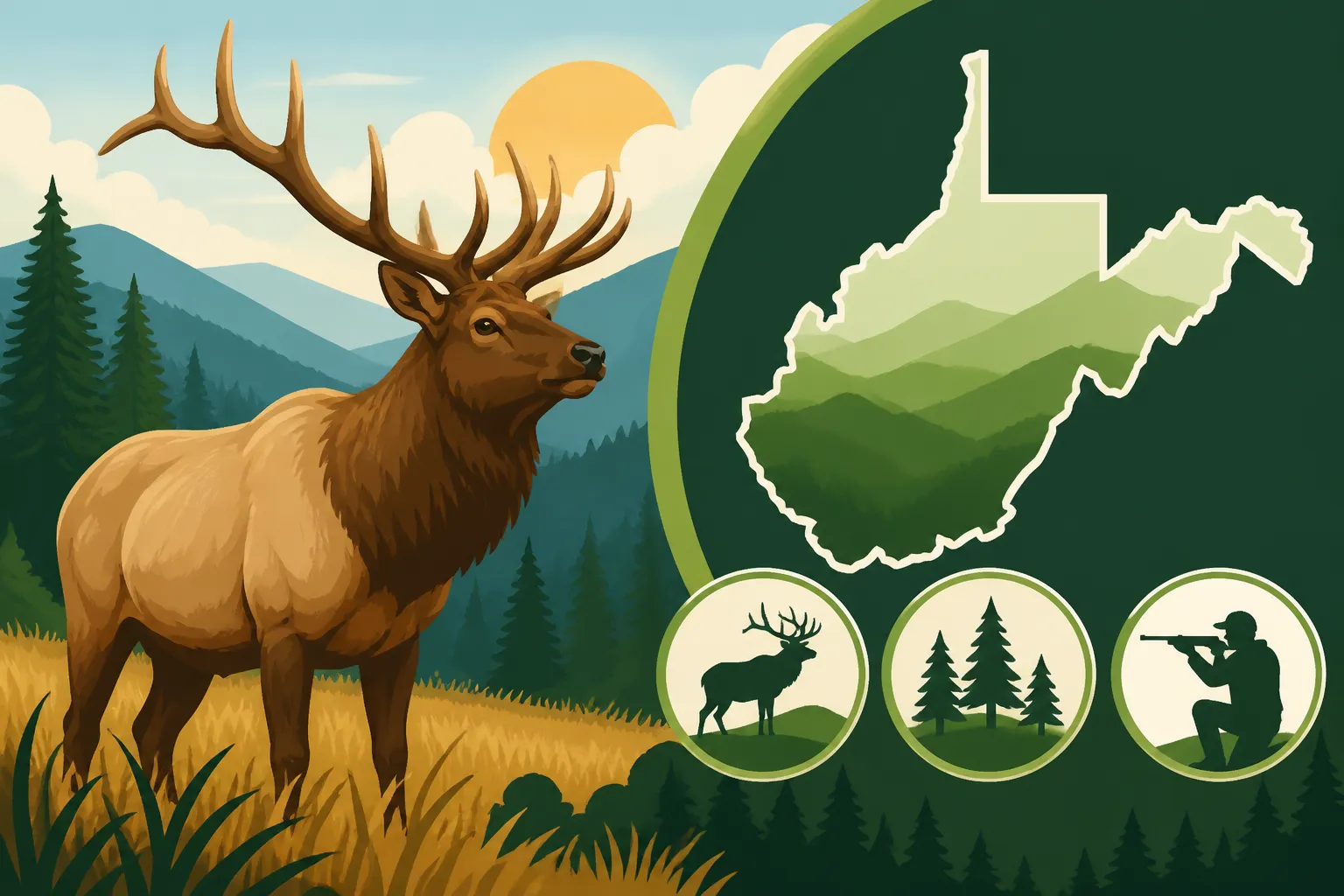
For too long, the idea of elk roaming the mountains of West Virginia felt like a distant dream, a whisper of what once was in our wild, wonderful state. Many of us have hiked through vast, remote areas and imagined the thunderous sound of a bull elk bugle echoing through the hollows, only to be reminded that those magnificent animals were driven from our lands generations ago. This guide is dedicated to exploring the incredible efforts underway to bring this iconic species back home, giving us all hope for a future where elk once again thrive here, from the status of the West Virginia Elk Restoration Program to what that means for hunters and wildlife enthusiasts alike.
The Return of a King: A Look Back at West Virginia's Elk History and Loss
It’s hard to imagine now, but West Virginia was once prime elk country. Before extensive settlement and industrialization, our rolling hills, dense forests, and abundant natural forage provided an ideal habitat for these majestic creatures. Understanding where we've been helps us appreciate the journey we're on to bring them back.
Tracing the Eastern Elk's Legacy in the Mountain State
The original inhabitants of these lands were the Eastern elk, a subspecies that once roamed vast portions of eastern North America. These weren't just random wanderers; they were a significant part of the ecosystem here for thousands of years. Early explorers and settlers wrote about encountering large herds, and archaeological evidence, including ancient bone fragments and artifacts, confirms their widespread presence. The Native American tribes who called this region home, such as the Shawnee and Cherokee, relied on elk for sustenance, clothing, and tools, integrating them deeply into their cultural and spiritual lives. The sheer size and power of these animals must have been an incredible sight against the backdrop of our rugged terrain.
However, the arrival of European settlers brought profound changes. Unregulated market hunting, driven by the demand for hides and meat, began to decimate populations across the continent. There were no seasons, no bag limits, and certainly no concept of wildlife management as we know it today. Simultaneously, massive deforestation for agriculture, timber, and coal mining rapidly destroyed the vast, interconnected forests that elk needed to survive. The combination of intense hunting pressure and wholesale habitat destruction proved to be a death sentence for the Eastern elk in West Virginia. By the late 1800s, the last native elk in the state had vanished, leaving a void in our forests and our natural heritage. For generations, the only elk most West Virginians saw were in pictures or on trips out West.
The Long Absence and the Spark of Restoration
For well over a century, the mountains of West Virginia remained silent to the bugle of a wild elk. It was a stark reminder of the consequences of unchecked exploitation and a bygone era. Many believed that elk were simply a part of the past, never to return. However, a growing conservation movement, fueled by the dedication of hunters and wildlife enthusiasts, began to dream of restoring lost species. We saw incredible successes in bringing back other game animals, like the wild turkey and black bear, which themselves faced similar fates. This track record of successful restoration provided a powerful blueprint and a surge of optimism.
The success stories from neighboring states, particularly Kentucky and Pennsylvania, were incredibly inspiring. Kentucky, for example, started its elk restoration in 1997 and now boasts one of the largest and most robust elk herds east of the Mississippi River, supporting a thriving hunt. Seeing these majestic animals flourish just across our borders ignited a spark. Hunters, conservation groups, and the West Virginia Division of Natural Resources (WVDNR) began to seriously discuss whether West Virginia could follow suit. The idea wasn't just about bringing back a species; it was about restoring a piece of our wild heritage and creating new opportunities for both wildlife viewing and, eventually, hunting. This collective desire, born from a century of absence, finally set the stage for one of the most ambitious wildlife projects in the state's history.
Bringing Back the Herd: West Virginia's Elk Restoration Program in Detail
The journey to bring elk back to West Virginia has been a monumental undertaking, requiring meticulous planning, significant resources, and unwavering dedication from many different groups. It's a true testament to what can be achieved when conservation is prioritized.
The Vision and the Partners Behind the Effort
At the heart of the West Virginia Elk Restoration Program is the West Virginia Division of Natural Resources (WVDNR). They are the driving force, responsible for the scientific planning, logistical coordination, and long-term management of the herd. However, a project of this scale simply couldn't happen without a coalition of dedicated partners. Chief among these is the Rocky Mountain Elk Foundation (RMEF). RMEF has been an instrumental player, providing not just financial support but also critical expertise gained from decades of elk restoration and habitat improvement projects across North America. Their knowledge of elk biology, behavior, and the complexities of translocation has been invaluable.
Beyond these major players, countless local landowners, volunteers, and other conservation groups have contributed significantly. Landowners in the designated restoration zones, particularly in the southern coalfields, have opened their properties for release, monitoring, and habitat improvement. The vision for this program is clear: to establish a healthy, self-sustaining, and free-ranging elk herd that will eventually be robust enough to support regulated hunting opportunities. This isn't just about dropping a few animals into the woods; it’s about rebuilding a population that can thrive independently and contribute positively to West Virginia's biodiversity and economy for generations to come. The effort highlights the collaborative spirit vital for large-scale conservation, echoing the successes seen in managing other native species like the state's healthy population of White-Tailed Deer Across West Virginia or the remarkable West Virginia's Black Bear Comeback.
The Journey from Western States to West Virginia: Translocation Efforts
Bringing elk back wasn't as simple as opening a gate. It involved a highly complex process of "translocation" – moving animals from established populations in other states to West Virginia. The WVDNR strategically partnered with states that had robust, healthy herds and were willing to share. Arizona and Kentucky were key sources for our initial elk. The process is incredibly delicate, starting with capturing wild elk in their home states. This usually involves darting from helicopters or using large corral traps, ensuring the animals are handled as gently and stress-free as possible.
Once captured, each elk undergoes a thorough veterinary examination. They are tested for diseases like brucellosis and chronic wasting disease (CWD) to ensure that only healthy animals are introduced into West Virginia. This health screening is absolutely paramount to protect our existing wildlife populations. After being cleared, the elk are fitted with GPS collars, which are vital for tracking their movements, survival rates, and dispersal patterns once released. Then comes the long journey in specialized transport trailers, designed to minimize stress and ensure their safety. The primary release site for West Virginia's elk has been the Tomblin Wildlife Management Area Elk Herd in Logan County, a vast and wild region in the southern coalfields. This area, with its diverse habitat of reclaimed mine lands, young forests, and mature timber, provides an excellent foundation for the new herd. The WVDNR and its partners have worked tirelessly to prepare these sites, ensuring adequate forage, water, and security for the newly arrived animals.
Early Successes and the Growth of the Herd
The initial translocations have been a resounding success! The first elk arrived in West Virginia in December 2016, and since then, additional animals have been brought in from various locations. The commitment to this program is evident in the strategic decisions made, such as selecting robust animals from states with strong elk management programs. These initial releases were a leap of faith, but the elk have adapted remarkably well to their new mountain home. We've seen them settle in, find suitable forage, and, most importantly, begin to reproduce.
The GPS collars fitted on the released elk provide invaluable data, allowing WVDNR biologists to monitor their survival, breeding success, and how they are utilizing the landscape. This scientific approach is crucial for understanding the herd's expansion and health. The current population estimates show a steady and encouraging increase in elk numbers. While these numbers fluctuate as new calves are born and natural mortality occurs, the overall trend is one of growth. You can often find detailed information on these populations through resources like GoHunt, which helps hunters and enthusiasts track wildlife data. The successful reintroduction story in the southern coalfields also provides valuable lessons for potentially expanding restoration efforts to other parts of the state in the future, if deemed appropriate and sustainable by the WVDNR. This successful reintroduction of How Elk Returned to Southern West Virginia, much like the efforts to manage West Virginia's Black Bear Comeback, speaks volumes about the state's conservation commitment.
| Year of Major Translocation | Number of Elk Released | Source State(s) | Primary Release Area | Current Herd Status Note |
|---|---|---|---|---|
| 2016 | 24 | Kentucky | Tomblin WMA | Initial successful adaptation and breeding observed. |
| 2018 | 32 | Arizona | Tomblin WMA | Significant genetic diversity added; continued population growth documented through calf recruitment. |
| 2019 | 16 | Arizona | Tomblin WMA | Strong calf survival rates noted; herd expanding its range within and around the WMA. |
| 2020-Present | Ongoing monitoring | N/A | Tomblin WMA Vicinity | Herd is self-sustaining and growing; WVDNR focusing on habitat management and natural expansion. Current population estimated in the hundreds. |
The Future of Elk in West Virginia: Hunting, Management, and Public Enjoyment
The return of elk is not just a scientific success; it's a profound restoration of a natural legacy that opens up exciting possibilities for West Virginians and visitors alike. From the dream of an elk tag to simply hearing a bugle, the future is bright.
Envisioning a West Virginia Elk Hunting Season
For many, the ultimate goal of elk restoration is the establishment of a controlled hunting season. The thought of pursuing one of these magnificent animals in our home state is truly exhilarating. However, the WVDNR is taking a responsible and measured approach, recognizing that patience is key to ensuring the long-term health and sustainability of the herd. Before any hunting season can be considered, the elk population needs to reach a size and distribution that can withstand limited harvest without impacting the herd's growth trajectory. This means having a healthy, thriving, and geographically dispersed population that demonstrates a consistent harvestable surplus year after year.
The decision to open a hunting season will be based on sound science and careful population modeling. It’s likely that when a season does eventually come, it will initially be very limited, perhaps through a lottery or quota hunt system, similar to how other highly sought-after species are managed in other states. Hunters will also need to be well-versed in general regulations, including West Virginia Hunting Licenses and What They Cost, and specific elk regulations when they arise. The experience of Hunting the Rut in Mid-November, for example, could take on a whole new dimension with elk in the mix. The WVDNR will carefully consider factors like herd numbers, sex ratios, age structure, and genetic health before issuing any tags. This ensures that hunting remains a tool for responsible wildlife management, not just a recreational pursuit, and that the herd continues to flourish for future generations.
Challenges and Ongoing Conservation Efforts
While the program has seen remarkable successes, the journey is far from over. There are ongoing challenges and continuous efforts required to ensure the long-term viability of West Virginia's elk. One major focus is continued habitat expansion and connectivity. As the herd grows, elk will naturally disperse beyond the Tomblin Wildlife Management Area Elk Herd. This expansion will require careful management to ensure they have suitable habitat and to mitigate any potential conflicts with agricultural lands or infrastructure. The WVDNR works closely with private landowners in these expansion areas to foster understanding and cooperation, sometimes exploring avenues for elk-friendly land management practices.
Disease monitoring is another critical aspect. Elk, like other cervids, are susceptible to various illnesses, and constant vigilance is required to detect and manage any outbreaks. The GPS collaring efforts are a part of this, providing valuable data on elk movement and health. GoHunt, a platform often used by hunters, might even offer tools or maps that overlay known elk territories with public land access, helping both hunters and conservationists understand expansion. Continued research into elk behavior, diet, and reproduction specific to West Virginia's unique ecosystem is also vital. The ultimate goal is to establish a robust, free-ranging elk population that truly thrives, and this involves a dynamic, adaptive approach to conservation that evolves with the herd. Hunters will also need to stay up to date on hunter education requirements, regardless of species, found in West Virginia Hunter Education Requirements.
Opportunities for Viewing and Experiencing West Virginia's Elk
Even if you're not an aspiring elk hunter, the return of these magnificent animals offers incredible opportunities for wildlife enthusiasts. Just the presence of elk adds a new dimension to our state's rich natural tapestry. The Tomblin WMA and surrounding areas are quickly becoming prime locations for Elk Viewing in West Virginia. Imagine spending a crisp autumn morning hiking and hearing the powerful, haunting bugle of a bull elk echoing through the mist – it's an experience unlike any other. Knowing When West Virginia Elk Bugle, typically during the September-October rut, can greatly increase your chances of witnessing this natural spectacle.
Responsible viewing practices are essential. Giving elk plenty of space, using binoculars or spotting scopes for distant viewing, and respecting their natural behavior are paramount. The WVDNR provides guidance on best practices for wildlife viewing to minimize disturbance to the animals. This program not only aims to bring back a huntable species but also to enrich the natural experience for all who cherish West Virginia's wild places. It's a chance to connect with a piece of our past and marvel at the success of dedicated conservation efforts, encouraging future generations to explore and appreciate our state's stunning biodiversity. When planning such trips, it's always wise to prepare by Scouting West Virginia Public Land Before Season, even if just for viewing purposes, to understand access points and terrain.
Disclaimer
The information provided in this guide is for general informational purposes only and does not constitute legal advice or guarantee hunting success. Hunting regulations, seasons, and licensing requirements in West Virginia are subject to change by the West Virginia Division of Natural Resources (WVDNR). Always consult the most current WVDNR hunting regulations pamphlet or visit their official website before planning any hunting trip. It is the responsibility of each hunter to know and abide by all applicable laws and regulations.