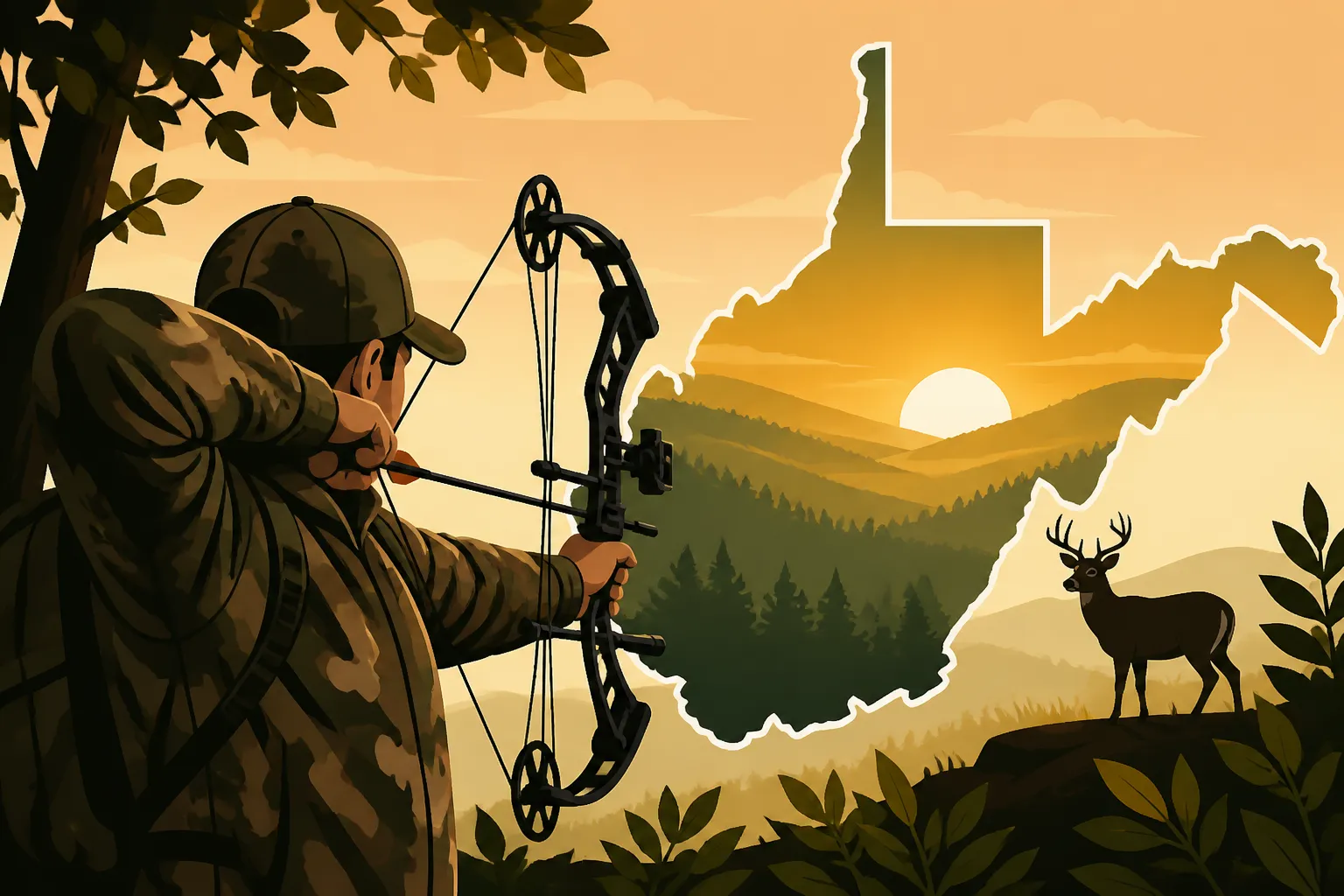
West Virginia Archery Season Opening Day
Few things get a West Virginia deer hunter's heart pumping quite like the thought of archery season. It's a fresh start, a chance to get back into the woods before the crowds, but the exact opening date can sometimes feel like a moving target. This guide is designed to cut through any confusion, laying out precisely when West Virginia's archery season begins and offering actionable advice to ensure you're squared away and ready for that exciting first day afield.
When the West Virginia Archery Season Kicks Off
That crisp morning air, the rustle of leaves underfoot, and the promise of deer moving through the timber – it all begins with opening day. Knowing exactly when to mark your calendar is the first step to a successful season.
Understanding the Statewide Opening Date
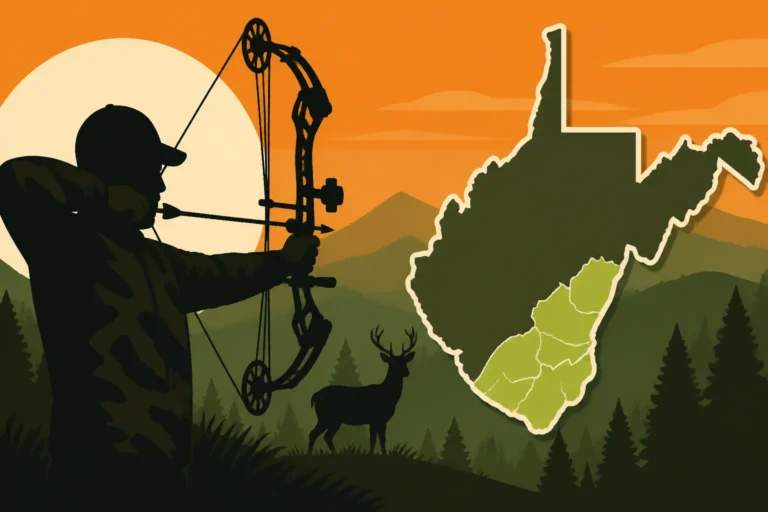
For most of us, the West Virginia archery and crossbow season consistently kicks off on the last Saturday of September. This date has been a reliable fixture on the hunting calendar for years, providing a clear benchmark for when the woods officially open to bowhunters across the Mountain State. For example, if you're looking at the 2024-2025 season, that means marking September 28th as the big day. It's a tradition many of us eagerly anticipate, a time when deer are often still transitioning from their summer patterns, offering unique opportunities.
The anticipation leading up to this date is palpable. You've likely spent the summer months tuning your bow, practicing shots, and maybe even doing some early scouting. When that last Saturday in September finally rolls around, it’s a feeling of pure excitement. You're heading into woods that are still relatively undisturbed by hunting pressure, where deer are going about their daily routines, often predictable as they feed and water. This early season window, right from opening day, can be incredibly productive for those who've done their homework and understand the unique challenges and advantages it presents. It's a time to reconnect with nature, to truly immerse yourself in the landscape before the deeper chill of fall and the intensity of the rut arrive.
No County-Specific Delays for Archery
One of the beautiful things about West Virginia's archery season, especially for opening day, is its uniformity. Unlike the sometimes complex county-specific regulations that can govern our West Virginia Buck Gun Season or even certain antlerless opportunities later in the year, the archery season generally opens statewide on that last Saturday in September. This means you don't have to worry about one county opening a week earlier or later than another; the entire state is fair game for bowhunters on the same day.
This consistency simplifies planning significantly. Whether you hunt the thick forests of the Monongahela National Forest, the rolling hills of the Ohio River Valley, or the more agricultural areas of the Eastern Panhandle, your archery season begins simultaneously with everyone else's. This is a stark contrast to scenarios where certain southern counties have unique rules, such as Why Four Southern Counties Skip Gun Season entirely, which creates very specific hunting landscapes. For archery, the playing field is largely level on opening day. This broad statewide opening allows hunters the freedom to pursue deer in their preferred stomping grounds without needing to cross-reference multiple county maps for differing start times. It’s a welcome simplicity in an otherwise complex regulatory environment, letting us focus on the hunt itself rather than getting bogged down in localized dates.
Preparing for Early Season Success
Opening day isn't just about showing up; it's about showing up prepared. The early archery season comes with its own set of conditions and deer behaviors, making thorough preparation absolutely vital for maximizing your chances.
Essential Scouting in the Weeks Leading Up
The work for opening day truly begins long before the season starts. The weeks and even months leading up to the last Saturday in September are critical for understanding current deer patterns. Early season deer are heavily reliant on food sources, and these can change quickly depending on the year's mast crop. Are the white oaks dropping early? Are the soft mast trees like persimmons or crabapples ripe? Finding these primary food sources is paramount. Look for fresh droppings, tracks, and foraging activity around these areas. Identifying key travel corridors between bedding areas and these newfound feeding zones is also crucial. Look for subtle pinch points in the terrain, natural funnels between hollows, or even well-used trails along creek bottoms. These are the highways deer will use daily, and setting up strategically along them can put you in a prime position.
Trail cameras are invaluable tools during this pre-season scouting phase. They allow you to monitor deer movement without introducing human pressure, giving you insights into specific bucks, their patterns, and preferred travel times. However, always be mindful of Trail Camera Rules on West Virginia Public Land if you're hunting public ground, as regulations can vary. While you might start to see some rubs and early scrapes, especially from younger bucks, don't rely too heavily on them for opening day. The full rutting activity is still a ways off, so focus primarily on food, water, and bedding. Pay close attention to recent weather patterns, as prolonged dry spells can make water sources even more critical, drawing deer to them reliably. This detailed intel, gathered patiently and consistently, is what transforms a hopeful opening day hunt into a strategic one. Using mapping tools like those offered by GoHunt can help you mark these spots and plan your routes efficiently.
Gear Checks and Practice Sessions
Your gear is an extension of yourself in the woods, and opening day is no time for surprises. A thorough check of all your equipment is non-negotiable. Start with your bow: ensure it's properly tuned, that your arrows are flying true, and that your broadheads are razor sharp and correctly matched to your setup. For more insights, check out our guide on Broadheads for Timber Shots. Practice shooting from various positions you might encounter in a treestand – sitting, standing, kneeling – and at different angles. Simulating real-world scenarios, especially if you're hunting a steep Allegheny ridge, will build muscle memory and confidence. Don't forget to practice with your hunting clothes on, as the added bulk can slightly alter your form.
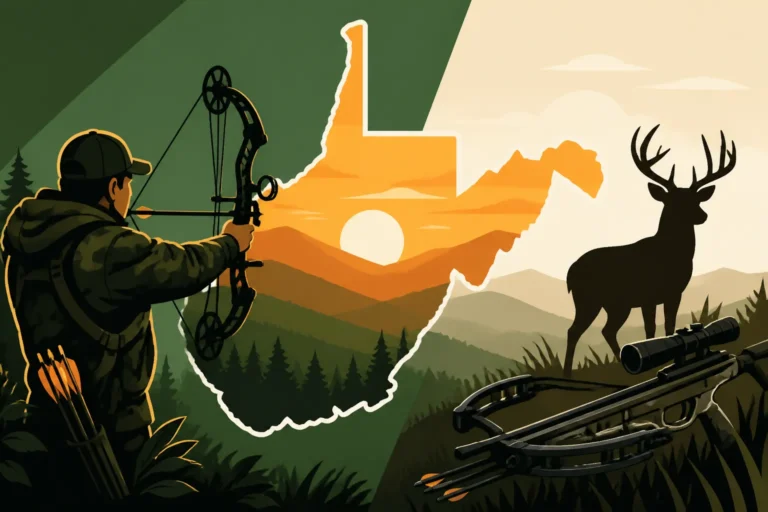
Crucially, inspect your safety harness for any wear and tear and ensure all straps and buckles are in perfect working order. Reviewing Treestand Safety Gear for Steep Ground is always a good idea. Climbing sticks should be checked for stability, and your treestand itself should be solid and quiet. If you're using a crossbow, verify your scope is zeroed and bolts are flying consistently. For a deeper dive into your setup, our resource on Bow and Crossbow Setups for West Virginia can be incredibly helpful. Early season often means warmer temperatures, so pack accordingly with lightweight, breathable layers. Don't forget essentials like a good headlamp for the walk-in and out, plenty of water, and high-energy snacks. The last thing you want on opening day is a gear malfunction or a missed shot due to inadequate practice. A diligent approach to gear and practice not only improves your success rate but also significantly enhances your safety in the field.
Early Season Tactics and Considerations
Hunting opening day of archery season in West Virginia is a unique experience. The woods are still full of summer's lush green, and deer behavior reflects different priorities compared to later in the fall.
Focusing on Food and Water Sources
In the early archery season, deer are largely driven by their stomachs and thirst. Their primary goal is to pack on calories and stay hydrated before the rigors of the rut and winter set in. This means focusing your efforts on active food sources is often your best bet. Look for areas where early-dropping acorns, soft mast like persimmons, or lush green fields are present. If it’s a good year for white oak acorns, for instance, deer will often prioritize these over almost anything else, making stands near active drops highly productive. Conversely, if natural mast is sparse, deer will shift their attention to agricultural fields or planted food plots. Consider how to effectively hunt Hunting a Clover Plot at First Light or explore strategies for Hunting a Green Field Planted for Deer.
Water sources also play a vital role, especially if the late summer and early fall have been dry. Deer need water daily, and a reliable creek bottom, spring seep, or secluded pond can be a major draw. Setting up near a water source, or a well-used trail leading to one, can present excellent shot opportunities. Remember that deer movements around these resources are often dictated by the time of day. They might hit water mid-morning after feeding, or just before bedding down for the day. Paying attention to these subtle patterns, which you've hopefully observed during your scouting, is key to positioning yourself for success. Their patterns are generally more predictable now than when the unpredictable chaos of the rut takes over.
Managing Heat and Human Pressure
One of the biggest challenges of early season archery in West Virginia is often the weather. While we sometimes get a cool front, opening day can easily bring warm, humid conditions. This heat impacts both you and the deer. For hunters, it means sweating more, which can make scent control an uphill battle. Layering is important, even if it's warm; you might start with minimal clothing and add layers as the day cools or if you plan to sit for extended periods. Staying hydrated is also crucial, so pack plenty of water. For the deer, heat can influence their movement patterns. They might move more during the cooler parts of the day – early morning and late evening – and bed down tightly in shaded, thick cover during midday.
While opening day generally sees less pressure than the start of gun season, certain popular public land areas can still get quite a bit of attention. Understanding Hunting Pressure on West Virginia Public Land is vital. To minimize your impact and maximize your chances, consider longer walks into less accessible areas, or focus on terrain features that naturally deter other hunters, such as steep hollows or dense laurel thickets. On private land, you might have the luxury of minimal pressure. Regardless, always practice ultra-quiet entry and exit strategies to avoid spooking deer and educate yourself about the subtle movements of deer in warmer temperatures. Remember, a deer's nose is its best defense, especially when the air is warm and still, making impeccable scent control and smart wind assessment critical. Mapping tools, like those found in the GoHunt app, can help you identify remote pockets on public land where pressure might be lighter.
Licensing and Regulations for Opening Day
Before you even think about nocking an arrow, ensuring all your paperwork is in order is non-negotiable. West Virginia has specific requirements for hunters, and opening day is no exception.
Validating Your West Virginia Hunting License
The very first step to hunting legally on opening day is possessing a valid West Virginia hunting license. For residents, this typically means a Class A license, or more commonly, the Class X Combo License which covers hunting, fishing, and trapping. Non-residents have various options as well, including annual licenses or shorter-term options depending on their stay. You can find comprehensive details on West Virginia Hunting Licenses and What They Cost. It's crucial that your license is current for the new season, as they typically run from July 1st through June 30th of the following year.
The easiest and most reliable way to purchase and manage your license is through the state's online Go Wild West Virginia system. Our guide on Buying a License on Go Wild West Virginia provides a step-by-step walkthrough. Once purchased, you can often carry proof of your license on your phone, though it's always wise to have a physical copy or printout as backup, especially in areas with no cell service. Beyond the base license, you'll also need a West Virginia deer stamp. This is an additional tag required specifically for deer hunting, and its cost is outlined in West Virginia Deer Stamp Cost. If you plan to use a crossbow, be sure to familiarize yourself with Crossbow Rules During West Virginia Archery Season, as while generally allowed, there might be specific equipment requirements or nuances. Double-checking all these elements ensures you start your season on the right side of the law.
Important Opening Day Rules and Bag Limits
Beyond your license, there are specific rules and bag limits that apply to West Virginia's archery season opening day. It's not just about having a license; it's about knowing what you can harvest and how to properly report it. West Virginia's deer season structure, including daily and seasonal bag limits for both antlered and antlerless deer, can be found in detail in our guide, West Virginia Deer Season Structure Explained. On opening day, you'll typically be able to harvest one antlered deer, and depending on your license and the county, possibly antlerless deer as well. Always consult the current year's hunting regulations booklet provided by the West Virginia Division of Natural Resources (WVDNR) for the most up-to-date information, as rules can sometimes change from year to year.
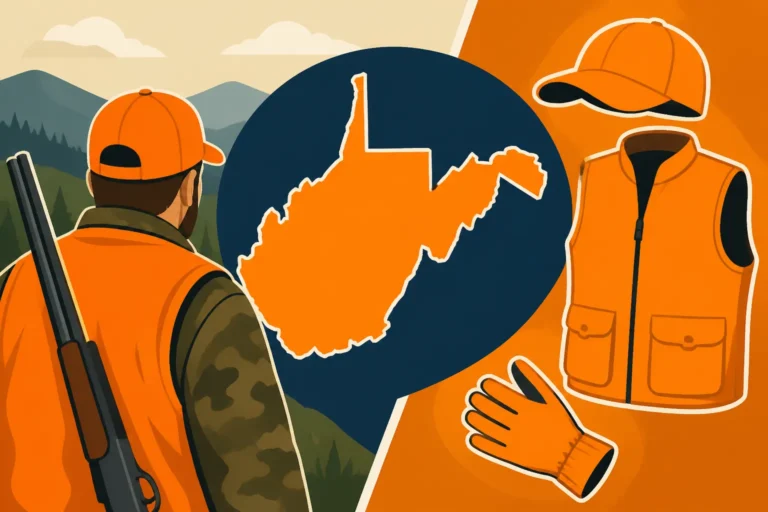
After a successful harvest, reporting your deer is mandatory. The WVDNR makes this relatively easy through their online system or mobile app. Our article on West Virginia Deer Reporting Requirements explains the process in full, but generally, you'll need to report your deer quickly after harvest. Lastly, don't forget the blaze orange requirements. While many states exempt archery hunters from blaze orange during archery-only seasons, West Virginia does have specific regulations, especially if you're on public land or during overlap periods. Always check Orange Requirements for Archery Hunters to ensure you're in compliance. Safety is paramount, and wearing visible colors helps protect you from other hunters. Knowing these rules intimately ensures a smooth and legal opening day experience.
Early Archery Season at a Glance
To give you a quick comparison of what to expect on opening day versus later in the archery season, here's a helpful table.
| Feature | Early Archery Season (Opening Day) | Mid/Late Archery Season (October/November) |
|---|---|---|
| Typical Weather | Warm, humid, occasional cool fronts | Cooler, crisp, increasing chances of cold fronts/frost |
| Deer Behavior | Summer patterns, focused on early food/water, more predictable | Transitioning to rut, more aggressive, less predictable feeding |
| Primary Food | Soft mast (persimmons, apples), early acorns, green browse | Hard mast (acorns), agricultural fields, rut-related feeding |
| Human Pressure | Generally lighter than gun season, but popular spots get attention | Increases significantly during peak rut, especially on public land |
| Scent Control | Crucial due to warmth and sweating | Still crucial, but less challenging with cooler temps |
| Scouting Focus | Food/water sources, summer bedding areas, travel corridors | Rubs, scrapes, funnels, doe bedding, buck sign |
| Clothing | Lightweight, breathable, moisture-wicking layers | Warmer layers, wool/synthetics for insulation, rain gear |
Disclaimer
Please remember that hunting regulations, season dates, and license requirements can change. While every effort has been made to provide accurate and up-to-date information in this guide, it is always your responsibility as a hunter to consult the most current official West Virginia Division of Natural Resources (WVDNR) hunting regulations annually before heading afield. This content is for informational purposes only and should not be considered legal advice.