West Virginia’s Archery-Only Southern Counties
Many hunters find themselves scratching their heads when they look at West Virginia's deer hunting regulations, particularly when they see those distinct southern counties marked as "archery-only." It's a unique setup that can cause confusion and sometimes frustration if you're not prepared, especially when planning a trip or considering expanding your hunting grounds. This comprehensive guide will unravel the mysteries of West Virginia's archery-only southern counties, detailing why they exist, what it means for your hunt, and how to successfully pursue whitetails in these special zones.
The Historical Roots of Archery-Only Deer Hunting Zones
It’s not just a random decision; the "archery-only" designation in parts of West Virginia has a deep history rooted in population dynamics, geographic challenges, and public safety concerns. Understanding this background can help you appreciate why these specific rules are in place and how they shape the hunting experience today. These zones are a product of carefully considered land use and community integration rather than an arbitrary restriction.
Population Density and Safety Concerns
Back in the day, when the coalfields were booming, many of these southern counties were far more densely populated than the rugged, expansive areas of the Allegheny Mountains. Towns and communities were nestled closely together in hollows, often surrounded by steep, timbered terrain. This high concentration of human habitation, even if scattered, presented significant safety challenges for traditional firearm hunting. Imagine the worry of a high-powered rifle bullet traveling through a small valley, potentially endangering homes, schools, or roads that were just over the next ridge. The state wildlife agencies, in conjunction with local communities, sought a way to manage deer populations responsibly while prioritizing the safety of residents. Archery, with its inherently shorter range and reduced risk of stray projectiles, emerged as a viable solution. It allowed for deer management and recreational hunting to continue without the elevated risk associated with firearms in these more populated, yet still wild, landscapes.
The decision wasn't made lightly, and it wasn't a blanket rule applied across the entire state. It was a localized, pragmatic response to specific conditions that demanded a different approach to deer harvest. Over time, as some of these areas saw shifts in population and economic activity, the archery-only designation largely remained, becoming an ingrained part of the local hunting culture and regulatory framework. It's a testament to a careful balance between providing hunting opportunities and ensuring community safety. This distinct characteristic sets these regions apart, making it crucial for any hunter considering them to fully grasp the rationale behind the regulations and how it impacts both human safety and wildlife management goals.
Unique Conservation and Management Goals
Beyond public safety, these archery-only zones also often serve unique conservation and management objectives that influence the overall health and behavior of the deer herd. In some instances, it's about fostering a particular type of hunting experience – one that emphasizes skill, stealth, and a closer connection to the animal. By limiting weapon choice to archery equipment, the West Virginia Division of Natural Resources (WVDNR) can influence deer behavior and population dynamics in ways that might differ from areas with general firearm seasons. Deer in these zones, while still wild, may experience different pressure patterns and movement habits, making for a distinct and often more challenging experience for the dedicated bowhunter. The focus naturally shifts from long-range shooting to intricate stalking, precise stand placement, and intimate knowledge of localized deer patterns and habits.
Furthermore, these zones can sometimes act as a buffer for adjacent areas, allowing for more localized population control without impacting broader herd health in contiguous gun-hunting counties. It’s a nuanced approach to managing deer, acknowledging that not all landscapes or communities benefit from the exact same set of rules. This specialized management can also lead to a higher quality experience for dedicated bowhunters who appreciate the additional challenge and the often less-pressured atmosphere, at least in terms of weapon type. For those who enjoy a true test of their bowhunting prowess and seek a more primitive and demanding hunt, these counties offer a fantastic opportunity to hone their skills and immerse themselves in the deep woods.
Identifying West Virginia's Archery-Only Counties
Before you even think about packing your gear or planning a route, you absolutely need to know which counties fall under these special regulations. Misunderstanding this crucial detail could lead to a very disappointing, and potentially illegal, hunting trip. These aren't just a handful of random spots; they are specific regions that require your full attention and understanding of their unique characteristics.
The Core Archery-Only Counties: Logan, McDowell, Mingo, and Wyoming
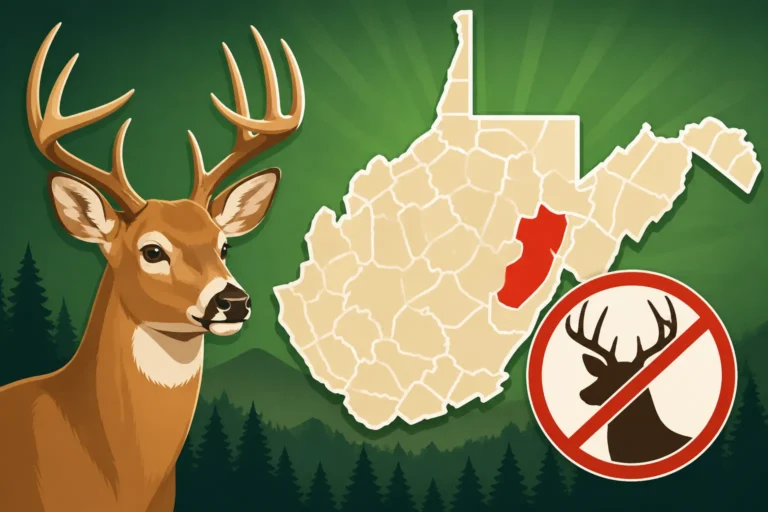
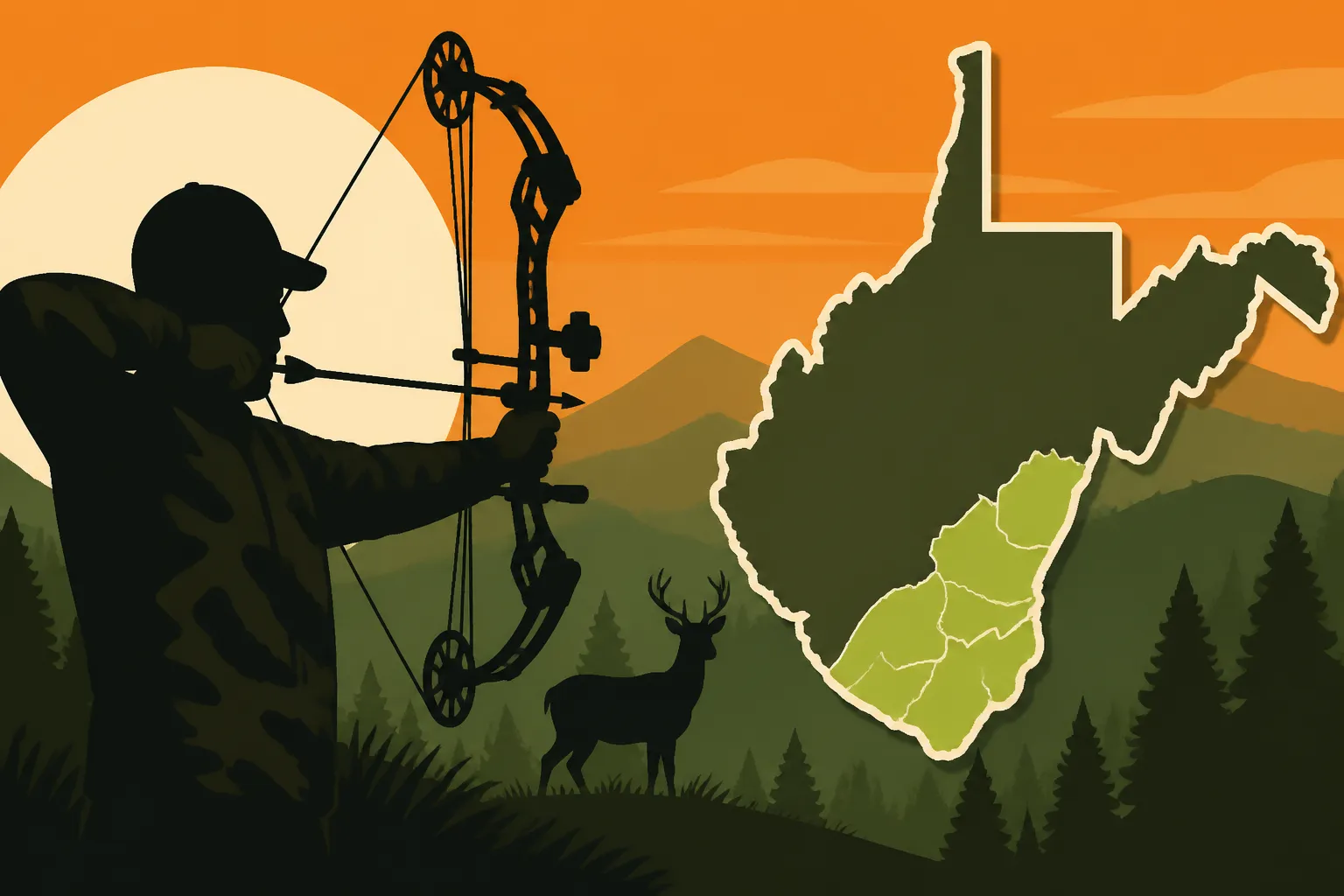
When we talk about West Virginia's archery-only southern counties, four names immediately stand out from the state map: Logan, McDowell, Mingo, and Wyoming. These counties, nestled deep in the rugged, Appalachian terrain of the southwestern part of the state, have been under strict archery-only deer hunting regulations for decades. They are iconic for their steep hills, dense forests, and the legacy of coal mining that has profoundly shaped their communities and landscapes. If you're planning a deer hunt in any of these four counties, you must leave the rifle at home – it's strictly bow and arrow, or crossbow, during the deer season.
These counties offer a truly unique hunting environment that demands respect and careful preparation. The terrain is often steep, challenging, and unforgiving, requiring good physical conditioning and careful navigation. While logging operations and coal severance have certainly altered parts of the landscape over the years, vast tracts of timber still provide excellent deer habitat and cover. The deer here are often highly accustomed to the specific hunting pressure of archery equipment, which means they can be incredibly wary and require a stealthier approach. Hunters often find themselves focusing on extensive scouting, identifying natural funnels in the steep topography, and mastering silent movement through the thick undergrowth. Understanding Why Four Southern Counties Skip Gun Season is paramount for anyone planning a trip to these unique areas, as it deeply informs the hunting experience and strategy.
Geographic Characteristics and Hunting Terrain
The distinct geography of Logan, McDowell, Mingo, and Wyoming counties is a significant factor in shaping the archery-only hunting experience and dictates many of the successful tactics. Picture endless ridges and hollows, often cloaked in thick hardwood forests, interrupted by patches of dense rhododendron or mountain laurel. Elevation changes are dramatic, and expansive flat ground is a rarity. This means your hunting strategies will inherently be different from those employed in flatter, more agricultural regions found in other parts of the state. Deer in these areas often travel along benches and saddles on these steep slopes, using them as natural highways to conserve energy and move efficiently. Creek bottoms and drains can also serve as crucial travel corridors, especially where they offer easier movement than traversing a sheer hillside.
Dense undergrowth, particularly the aforementioned rhododendron thickets, can be both a formidable challenge and a significant advantage for the hunter. It makes human movement difficult and loud, but simultaneously provides excellent bedding and security cover for deer, making them feel safe from predators. Learning to read the topography – identifying potential bedding areas on leeward slopes, finding productive oak flats for feeding, and pinpointing pinch points where deer are naturally funneled – becomes absolutely critical for success. Tools like detailed topographical maps and advanced scouting apps like GoHunt are invaluable for pre-season planning and understanding the lay of the land without having to burn countless boot leather miles on every ridge before the season even opens. Access can also be a challenge, with many old logging roads and gas lines offering the only relatively easy routes into deeper timber, though these can also be heavily used by other hunters, requiring you to go beyond them.
| County | General Geographic Features | Typical Deer Behavior Notes | Key Hunting Strategy Focus |
|---|---|---|---|
| Logan | Steep, heavily forested ridges and hollows, former coal mining | Utilize benches, saddles; often bed in dense rhododendron thickets | Topographical scouting, meticulous stealth, thermal hunting |
| McDowell | Very rugged, remote, dense timber, narrow valleys, less development | Travel creek bottoms, high benches; extremely wary of human presence | Strategic access planning, precise thermal hunting, finding remote pockets |
| Mingo | Similar to Logan, with strong river influences (Tug Fork River) | Follow river bottoms, bench lines; can use old mine roads and benches | Focus on water sources, identifying less-traveled public access points, quiet approach |
| Wyoming | Extremely steep, often less developed in parts, vast dense forest cover | Bed high on ridges, drop to feed in hollows; move significantly with thermals | Elevation hunting, constant wind and thermal awareness, physical endurance |
The Archery-Only Rulebook: What Hunters Need to Know
It's not enough to simply know where these counties are located on a map. You need to intimately understand the specific rules and regulations that govern archery hunting within them. These aren't just general West Virginia deer hunting rules; they have unique nuances that can trip up even experienced hunters if they're not careful and don't review the official guidelines annually.
Legal Archery Equipment and Season Dates
In West Virginia's archery-only counties, your weapon choice is, as the name implies, limited strictly to archery equipment. This encompasses traditional longbows, recurve bows, modern compound bows, and crossbows. However, there are still specific legal requirements you must adhere to. For instance, while crossbows are generally allowed during the regular archery season statewide, it's always wise to double-check the latest regulations regarding minimum draw weights, minimum arrow lengths, and broadhead requirements. Typically, broadheads must be at least 7/8 inch wide at the widest point, whether they are fixed-blade or mechanical designs. It is your personal responsibility to ensure your equipment meets all of these stipulated standards. Don't show up with target tips or undersized broadheads; that's just asking for a potential violation and a disappointing end to your hunt.
The season dates for archery hunting in these southern counties generally align with the statewide archery season, which typically runs from late September through the end of December. However, there might be specific nuances or special youth archery weekends to be aware of. For the most up-to-date and accurate information, always consult the current West Virginia Hunting & Trapping Regulations Summary, issued annually by the WVDNR. This official publication is your absolute bible for compliance and should be reviewed thoroughly each year. Knowing How West Virginia's Season Runs Archery to December is key, and understanding any county-specific nuances in these particular areas is even more critical. There are often youth-specific days or early antlerless seasons that might overlap, adding to the complexity, so diligent research before you head into the woods is paramount.
Bag Limits, Antlerless Opportunities, and Checking Requirements
Even within these specialized archery-only zones, bag limits and antlerless opportunities can vary, reflecting localized deer management goals. Generally, hunters are allowed two bucks per season statewide, and this rule applies here as well, meaning you can take two antlered deer with your archery equipment. However, antlerless opportunities are where things can get a bit more complex. Some years or in certain zones, additional antlerless tags might be available, often requiring a separate Class N stamp for non-residents or a bonus tag purchase for residents. The WVDNR uses antlerless harvest to effectively manage deer populations, and these opportunities can change from year to year based on deer health, local population estimates, and specific landowner requests to reduce deer damage. It’s absolutely crucial to know your specific county's antlerless rules and purchase any necessary additional tags before you head afield.
Checking your deer is another non-negotiable step that applies statewide and is vital for accurate data collection. In West Virginia, all legally harvested deer must be checked. This can be done conveniently online through the Go Wild West Virginia website or its mobile app, by phone, or at a designated physical check station. You'll need to provide precise details about the harvest, including the county, date, time, and sex of the deer. This collected data is vital for the WVDNR to monitor harvest trends, assess population health, and make informed management decisions for future seasons. Do not skip this step; failure to check a legally harvested animal is a serious violation and carries penalties. The process is straightforward, but it’s a critical part of ethical and legal hunting. Understanding West Virginia Deer Reporting Requirements is not merely a suggestion, it's a legal obligation for every successful hunter.
Crafting a Winning Strategy for Archery-Only Success
Hunting in these archery-only counties is a unique challenge that generously rewards meticulous planning, keen observation, and disciplined execution. It's not just about showing up with a bow and hoping for the best; it's about understanding the subtle rhythms of the forest and the specific behaviors of deer that have adapted to this particular type of hunting pressure.
Intensive Pre-Season Scouting and E-Scouting
Success in West Virginia's southern archery-only counties often begins long before opening day, with intensive pre-season scouting. Given the rugged terrain and dense cover, simply wandering around in hopes of stumbling upon a hot sign is rarely an effective strategy. Instead, focus on e-scouting from home using invaluable tools like Google Earth, OnX Hunt, or the GoHunt mapping platform. These resources allow you to identify potential travel corridors, critical pinch points, likely bedding areas on steep slopes, and prime feeding areas (such as mature oak flats) without ever stepping foot in the woods during the sensitive pre-season. Look for creek bottoms that offer easier movement, old logging roads, distinct bench lines along hillsides, and saddles that connect ridges – these are often natural deer highways. Pay close attention to how elevation changes will affect thermal currents, which are absolutely crucial for successful morning and evening hunts.
Once you have a few promising spots identified on your digital map, it's time for boots on the ground to verify your findings. During the late summer and early fall, hike these areas thoroughly. Look for fresh rubs, active scrapes, and well-used trails. Pay close attention to fresh droppings and tracks, indicating recent deer activity. Identify specific trees that would make ideal locations for potential stand setups, carefully considering prevailing winds, thermal patterns, and access routes that won't spook deer. This physical scouting helps confirm what you observed on the map and often reveals subtle details that satellites can't capture, such as subtle terrain features, specific browse species, or the precise density of undergrowth. Remember that deer patterns can change significantly with seasonal food sources, so understanding Hunting After a Poor Acorn Year can be critical to predicting their movements and adapting your strategy accordingly.
Mastering Stand Placement and Thermal Hunting
Stand placement in these archery-only zones is truly an art form, demanding precision and a deep understanding of deer movement. You're not looking for a spot where you might see a deer; you're looking for a spot where you will get a high-percentage, ethical shot opportunity within bow range, typically 20-30 yards. This means identifying those precise funnels and pinch points, often where two hollows converge, a ridge line narrows, or a bench line dramatically tightens. Critically, consider your entry and exit routes meticulously – they must be quiet, concealed, and allow you to approach and leave your stand without alerting or pushing deer out of the area. Often, the best stand locations are ones that allow you to sneak in before dawn and out after dark undetected.
One of the most critical elements in this mountainous terrain is understanding and utilizing thermals. Warm air rises in the morning as the sun heats the ground, carrying your scent up the hollows and along the ridges. In the evening, as the sun sets and the air cools, cool air sinks, pulling your scent down into the valleys. This phenomenon dictates when and where you can effectively hunt certain areas without contaminating them with your scent. For a morning hunt, you might want to set up lower on a ridge or bench, allowing your rising scent to carry harmlessly above incoming deer. For an evening hunt, setting up higher could allow your scent to fall safely below their typical travel paths in the bottomland. Ignoring thermals is a surefire way to spook deer. Combining careful stand setup with a solid understanding of Wind and Thermals on a Steep Ridge is often the difference between seeing a lot of deer and getting a shot at one.
Incorporating Calling and Decoy Tactics
While often more associated with rifle hunting, calling and decoy tactics can be incredibly effective for archery hunters in these southern counties, especially during the breeding season. Grunt tubes and doe bleat calls can be used to simulate deer communication, potentially drawing in curious bucks or stopping a moving deer for a shot. Rattling antlers, particularly during the peak of the rut, can mimic a buck fight and ignite a buck's territorial instincts, often bringing them in close. However, the key here is subtlety and moderation. In dense cover, aggressive or overly loud calling can sometimes be counterproductive, but soft grunts and subtle bleats can pique interest without alarming wary animals that are already on high alert.
Decoys, particularly a single doe or buck decoy, can also be a game-changer when used correctly. Placed strategically within bow range of your stand (usually 20-30 yards), they can draw a buck's attention away from your elevated position and present a perfect broadside shot as he approaches. The crucial aspect is placement – ensure the decoy is visible but not easily spotted as artificial, and always consider wind direction so your scent doesn't blow directly to the approaching deer. Proper setup prevents a buck from circling downwind and detecting your presence. Understanding the nuance of Rattling Volume in Thick Laurel Cover can greatly increase your chances, as too much noise in close quarters can send deer running, whereas realistic, measured sounds can lure them in. Experiment with different calls and decoy setups to see what works best in your specific hunting area and time of year.
Navigating the Unique Challenges of Hunting Archery-Only Terrain
Hunting in West Virginia's southern archery-only counties isn't without its distinct hurdles. From the intense physical demands of the landscape to the ever-present reality of public land pressure, a successful hunter needs to anticipate and adapt to these challenges with careful planning and preparation.
Public Land Access and Hunter Pressure
Many of these archery-only counties contain significant tracts of public land, including sections of the Monongahela National Forest or various state-managed Wildlife Management Areas (WMAs). While this offers fantastic and democratic access for hunters, it also means you'll likely encounter other hunters. This can lead to increased hunter pressure, especially during prime times of the season like the rut or opening days. Deer on public land, particularly those that have survived a few seasons, are often highly educated and reactive to human presence. They quickly learn to associate human scent and noise with danger, becoming more nocturnal or seeking out the most remote, difficult-to-access pockets of cover and security.
To mitigate the effects of this pressure, you need to be willing to work harder than most other hunters. Often, the best hunting is found a mile or more from any maintained road or popular trail. Utilizing mapping apps like GoHunt to identify secluded hollows or remote benches that other hunters might overlook can give you a significant advantage and lead you to less pressured deer. Plan your entry and exit routes meticulously to avoid disturbing other hunters, and more importantly, the deer you're pursuing. Remember that while public land offers freedom and opportunity, it also demands respect for fellow hunters and the shared resource. Researching Opening Weekend Crowds on West Virginia Public Land will give you a realistic expectation of what you might encounter and help you plan to find solitude.
The Physical Demands of Rugged Topography
There's no sugarcoating it: hunting West Virginia's southern mountains is incredibly physically demanding. The terrain is relentlessly steep, often with dramatic elevation changes over short distances, sometimes gaining hundreds of feet in a short hike. Hauling your gear, climbing sticks, and treestand up these hillsides, sometimes in pre-dawn darkness, requires a high level of physical fitness and endurance. And that's before you've even shot a deer. Dragging a mature whitetail out of a steep hollow is an arduous task that can quickly exhaust even well-conditioned hunters and test your mental resolve. It's not uncommon for hunters to opt for breaking down an animal in the field – often employing the "gutless method" – and packing it out in pieces to make the retrieval more manageable and less taxing.
Being physically prepared means more than just a quick workout before the season opens. It means consistent exercise, focusing on strength, endurance, and cardiovascular health. Strong legs, a strong core, and healthy knees are invaluable assets in this environment. Incorporate activities like hiking with a weighted pack, trail running, or stair climbing into your routine. Invest in high-quality, supportive hiking boots with excellent ankle support and aggressive tread that can handle the uneven, often rocky, and slick terrain. Trekking poles can be an absolute lifesaver for stability and reducing strain on your knees, especially when descending steep slopes with a heavy pack. Consider the mental fortitude required as well; pushing through fatigue in the dark, navigating difficult ground, and maintaining focus are all part of the unique experience. Learning about Dragging a Deer Off a Steep Ridge before you need to can save you a lot of grief and help you plan your extraction strategy.
Dealing with Changing Weather and Unpredictable Conditions
West Virginia weather is notoriously unpredictable, and the southern mountains are certainly no exception. You can experience all four seasons in a single day during the fall hunting season. Crisp, cool mornings can quickly give way to warm, sunny afternoons, only to be followed by a sudden cold front and a soaking, chilly rain. This extreme variability significantly impacts deer behavior and hunter comfort, making preparedness paramount. A deer that was active in cool, crisp conditions might bed down and become inactive during a warm spell, only to become active again once a cold front moves through, stimulating feeding and movement.
You must be thoroughly prepared for anything Mother Nature throws at you. Layering your clothing is absolutely essential so you can adjust to changing temperatures throughout the day, adding or shedding layers as needed. Invest in good quality rain gear – a quiet, breathable rain jacket and pants are non-negotiable for staying dry and comfortable in a sudden downpour. Keeping your archery equipment dry is also critical; a wet string or fletching can drastically alter arrow flight and accuracy. Pay close attention to weather forecasts, but always be ready for unexpected shifts. A sudden downpour can make steep trails incredibly slick and dangerous, so plan your movements accordingly and be extra cautious. Having the right gear, from quality base layers to truly waterproof boots, can make the difference between a miserable hunt and a successful, enjoyable one. Understanding Hunting Deer After a Cold Front can give you a significant edge in predicting deer movement patterns.
The Archery-Only Advantage: Benefits and Unique Experiences
While the challenges of hunting in West Virginia's archery-only southern counties are undeniably real, these zones also offer distinct advantages and a truly unique, rewarding experience that many dedicated bowhunters seek out year after year. The specific regulations foster an environment that rewards a particular style of hunting.
Less Firearm Pressure and Different Deer Behavior
One of the most significant and appealing benefits of these zones is the complete absence of firearm pressure during the deer season. This fundamentally alters deer behavior, creating a different kind of hunting experience. While deer still face hunting pressure from archers, it’s a different kind of pressure. They don't have to contend with the widespread disruption, sudden loud noises, and long-range threat posed by rifles, which can make them more patterned and potentially less prone to bolting at the first hint of human presence or noise. You might find deer patterns more consistent or encounter less skittish animals compared to gun-hunted areas, especially outside the direct peak of hunter activity around opening weeks.
This means you often have a longer window during daylight hours for deer to move naturally, and they might be more responsive to calling or more forgiving of minor mistakes in terms of movement or scent. It emphasizes a more intimate form of hunting, where stealth, patience, and a deep knowledge of the deer's natural habitat are paramount for success. It’s a purist’s game, focusing on close-range encounters and precise shot placement that truly tests a bowhunter's skill. This sustained archery-only pressure over generations has also, arguably, selected for deer that are perhaps more accustomed to the subtle presence of bowhunters rather than the explosive shock and widespread disruption of a general gun season, leading to potentially unique opportunities for observant and skilled archers.
Extended Season Opportunities and Rut Hunting Focus
With archery season typically running from late September well into December, these counties offer hunters a substantial window of opportunity that spans a wide range of deer behavior patterns. This extended season means you can strategically target different phases of the deer season, from the early season bachelor groups and predictable food source patterns, to the intense pre-rut activity, the breeding peak of the rut, and even late-season food sources during the colder months. This flexibility is a huge advantage for hunters with busy schedules or those who want to experience the deer woods through various stages of the fall, learning how deer adapt to changing conditions and food availability.
Critically, the entire month of November, which often encompasses the breeding peak – or the "rut" – falls entirely within the archery season in these counties. This is a massive draw for bowhunters across the state and beyond. While general gun season in other parts of West Virginia might interrupt the rut, in Logan, McDowell, Mingo, and Wyoming, bowhunters get a full, uninterrupted shot at bucks actively seeking does. This is when bucks are most vulnerable, moving widely during daylight hours, and often less cautious as their primary focus shifts to breeding. For a dedicated bowhunter, being able to hunt the entirety of Hunting the Rut in Mid-November with only a bow is truly a golden opportunity, creating incredible chances for close encounters with mature animals.
A Deeper Connection to the Hunt and the Landscape
There’s something intrinsically rewarding and profound about archery hunting, and these specific West Virginia counties amplify that feeling exponentially. The slow, deliberate pace, the intense focus required for close-range encounters, and the sheer physical demands of the rugged terrain all combine to forge a deeper, more meaningful connection to the hunt itself. You become acutely aware of every rustle in the leaves, every subtle shift in the wind, and every distant sound, sharpening your senses. It transforms hunting into an immersive, almost meditative experience, requiring complete presence in the moment.
This deeper connection also extends profoundly to the landscape itself. The rugged beauty of the southern West Virginia mountains, the feeling of accomplishment when you navigate a particularly steep hollow, or the satisfaction of deciphering deer sign in a remote, untouched corner – these elements contribute to a richer, more profound outdoor experience. It's not just about harvesting an animal; it's about the entire journey, the formidable challenge, and the profound satisfaction of overcoming obstacles in a truly wild and untamed setting. Many hunters who venture into these zones find that the difficulties enhance the reward, solidifying their passion for the sport and for these unique wild places that demand respect and effort.
Conservation and the Future of Archery-Only Zones
The continued existence and success of West Virginia's archery-only southern counties rely heavily on sound conservation practices and the ongoing, dedicated efforts of the WVDNR. These zones aren't static; they are managed dynamically and scientifically to ensure healthy deer populations and sustainable hunting opportunities for future generations of bowhunters.
WVDNR Management Strategies and Data Collection
The West Virginia Division of Natural Resources plays a pivotal and active role in managing the deer herds within these archery-only counties. Their management strategies are meticulously informed by extensive data collection, including comprehensive harvest reports, biological samples taken from harvested animals, and detailed field observations from biologists and wardens. By meticulously tracking harvest numbers, assessing the age structures of harvested deer, and monitoring various health indicators of deer taken in Logan, McDowell, Mingo, and Wyoming counties, the WVDNR can make informed, data-driven decisions about bag limits, antlerless opportunities, and any potential season adjustments that might be needed. This collected data is absolutely critical for understanding the localized deer population dynamics, ensuring that the harvest remains sustainable over time, and proactively addressing any emerging issues that could impact herd health.
For example, if population models indicate a need for more antlerless harvest to maintain healthy herd numbers or mitigate crop damage complaints from landowners, the WVDNR might adjust antlerless tag availability or create special seasons. Conversely, if specific health concerns arise, such as localized disease outbreaks, management strategies might shift to protect and bolster the herd. The WVDNR also conducts regular scientific surveys and research to better understand deer behavior and habitat use within these unique zones, contributing to a more nuanced and effective approach to wildlife management. Hunters themselves are an integral part of this crucial data collection by diligently reporting their harvests, providing a real-time snapshot of the deer population and its health.
Addressing Disease Concerns and Habitat Management
While Chronic Wasting Disease (CWD) is a significant and growing concern in some other parts of West Virginia, particularly the Eastern Panhandle, the WVDNR remains vigilant across all counties, including the archery-only zones. Although the primary CWD containment areas are not currently located in these southern archery-only counties, disease monitoring and surveillance are ongoing statewide. Hunters should always be aware of CWD information, including knowing how to report sick animals and understanding any carcass movement restrictions that might be implemented in the future, should the disease spread. The WVDNR actively samples harvested deer in CWD-affected areas and strongly encourages hunters statewide to be aware of the signs of the disease and report any suspicious observations. Checking West Virginia's Chronic Wasting Disease Counties will give you an idea of areas to be especially vigilant in, even if the primary concern is not currently in the archery-only zones themselves.
Habitat management is another crucial aspect of long-term conservation within these counties. In areas heavily shaped by historical logging and coal mining, active habitat work is often necessary to ensure a healthy and productive ecosystem for deer and other wildlife. This can include timber stand improvements, creating vital early successional habitat, maintaining food plots on WMAs, and controlling invasive species that degrade native vegetation. Healthy habitat directly translates to healthy deer populations that are more resilient to disease and pressure. For instance, WVDNR personnel might work to create young forest growth in certain areas, which provides critical browse and cover for deer, fostering a thriving population that can sustain consistent hunting pressure. These proactive measures ensure that the archery-only zones remain viable and productive hunting grounds for generations to come.
Preparing for Your Southern WV Archery Adventure
A truly successful hunt in West Virginia's archery-only southern counties hinges on meticulous and comprehensive preparation. This isn't just about packing a bow and arrows; it's about physical readiness, mental fortitude, and ensuring you have the right gear tailored for the specific demands of the rugged terrain and the unique regulations.
Essential Gear for the Steep and Thick
Your gear choices can absolutely make or break your hunt in these rugged mountains. First and foremost, a reliable and perfectly tuned bow setup is critical. Ensure your bow is well-tuned, your broadheads are razor-sharp, and you’ve practiced extensively at varying distances, especially those awkward, steep-angle shots you're highly likely to encounter in this terrain. A quality rangefinder is invaluable for accurately judging distances in the undulating topography where visual estimation can be misleading. Beyond your weapon, consider your clothing system. Layering is paramount for West Virginia's notoriously unpredictable weather; think moisture-wicking base layers, insulating mid-layers, and a quiet, breathable, waterproof outer shell. Wool or synthetic blends are generally preferred over cotton for their superior ability to insulate even when wet and dry quickly.
Footwear is another non-negotiable item that demands significant investment. Invest in sturdy, waterproof hiking boots with excellent ankle support and aggressive tread patterns. You'll be climbing, descending, and traversing uneven ground, often covered in wet leaves, slippery rocks, or mud. A comfortable, well-fitting pack is essential for carrying your stand, climbing sticks, ample water, food, and emergency supplies. Many hunters opt for a compact treestand and lightweight climbing sticks or even a saddle hunting setup to maximize mobility and adaptability in the dense timber. Don’t forget a reliable headlamp with extra batteries, a comprehensive first-aid kit, and a dependable way to navigate (a dedicated GPS unit or a mapping app like GoHunt with downloaded offline maps are crucial when cell service is unreliable). For specific advice on gear suited to this challenging environment, diving into guides like Bow and Crossbow Setups for West Virginia can provide tailored recommendations.
Physical and Mental Conditioning
The physical demands of hunting these areas cannot be overstated; they will push your limits. You'll be climbing relentlessly steep grades, navigating dense rhododendron thickets, and potentially packing out a heavy animal over miles of rugged terrain. Begin a dedicated fitness regimen well before the season opens. Focus on cardiovascular endurance through activities like hiking, trail running, or stair climbing, and incorporate strength training for your legs, core, and back. Practice hiking with a loaded pack to simulate the weight of your gear, and if possible, hike actual hills or uneven terrain to condition your ankles and knees for the unique stresses of the mountains.
Mental conditioning is just as important, if not more so, than physical. These hunts can be incredibly challenging, both physically and emotionally. You might spend days hiking hard without seeing much deer activity, or have a close encounter that doesn't quite pan out. Frustration can easily set in. Cultivate patience, perseverance, and a positive mindset. Understand that success isn't guaranteed, but the experience itself is deeply rewarding. Being able to push through fatigue, maintain focus under pressure, and adapt to rapidly changing conditions is crucial for enduring and enjoying these hunts. Proper hydration and nutrition during the hunt will also play a significant role in sustaining your energy and mental clarity throughout the long days afield.
Respecting Landowners and Local Culture
While public land offers fantastic opportunities, private land still makes up a significant portion of these counties. If you plan to hunt private land, securing permission is an absolute and non-negotiable essential. Always ask for permission well in advance of the season, and always have written permission if possible, detailing the specific areas you're allowed to hunt and any conditions set by the landowner. Show profound respect for landowners' property, always close gates, refrain from littering, and adhere strictly to any conditions or requests they make. Building good, long-term relationships with local landowners can be invaluable for future hunting opportunities and for fostering a positive image of hunters in the community. Understanding Do You Need Written Permission in West Virginia? clarifies the legal requirements and best practices.
Beyond specific landowner interactions, it's also important to respect the local culture and communities. These are often close-knit, rural communities, and hunters are visitors. Be polite, patronize local businesses to support the economy, and be mindful of your overall impact on the environment and the people who live there. Showing respect for the land, the wildlife, and the people of West Virginia will ensure a positive and enriching experience for everyone involved and help preserve these unique hunting opportunities for many years to come. Your actions afield directly reflect on all hunters, so always strive to be a responsible, ethical, and courteous ambassador for the sport.
Disclaimer
Please note that hunting regulations are subject to change. Always consult the most current West Virginia Hunting and Trapping Regulations Summary published by the West Virginia Division of Natural Resources (WVDNR) before planning or engaging in any hunting activities. This guide is for informational purposes only and does not supersede official regulations.