Working a Creek Bottom for Late-Season Deer
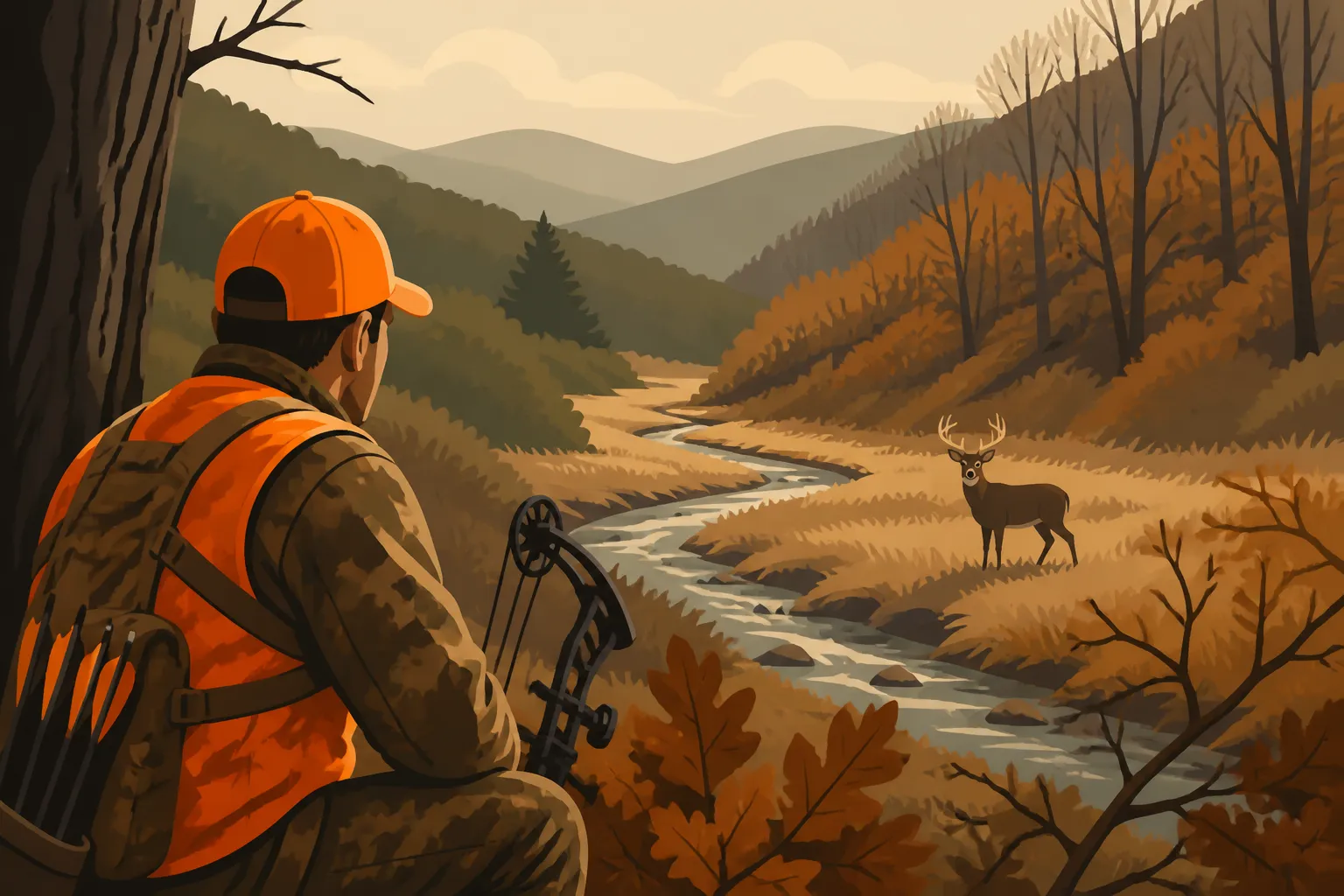
When the bitter cold of late season settles over West Virginia, deer hunters often find themselves battling harsh conditions, sparse deer movement, and seemingly barren woods. It's a frustrating time, especially if you've been focused on ridge tops and oak flats all fall. But don't despair; many overlook a prime, often accessible area that can hold some of the biggest bucks right when it matters most: the humble creek bottom. This guide will walk you through why these forgotten lowlands are late-season goldmines and how to effectively hunt them for whitetails.
Why Creek Bottoms Become Late-Season Havens
As November fades into December, and the last leaves cling desperately before finally falling, the landscape changes dramatically. The food sources deer relied on earlier in the season, like acorns on the ridges or lush green fields, might be depleted or covered in snow. This forces deer to adapt, and savvy hunters know exactly where to look for them: creek bottoms. These low-lying areas offer a unique combination of thermal cover, persistent food sources, and crucial access to water, making them magnets for deer struggling to survive the harsh West Virginia winter.
Thermal Cover and Shelter from the Elements
One of the biggest struggles for deer in late season is staying warm and sheltered from the biting winds and plummeting temperatures. Creek bottoms, particularly those with dense evergreen cover like rhododendron, mountain laurel, or thick stands of hemlock, offer invaluable thermal protection. These evergreen thickets block wind, insulate from cold, and provide a secure, hidden place for deer to bed down during the day.
Imagine a frigid December morning, the wind howling across exposed ridge lines, driving snow or freezing rain. A deer trying to conserve energy wouldn't be caught dead on that exposed ridge. Instead, it would seek out the sheltered lee of a creek bank, burrowed deep in a laurel thicket, where the air is calmer and the thermal protection from the evergreens keeps them warmer. This kind of cover isn't just about comfort; it's about survival. You might find several deer bedded closely together in such an area, sharing body heat, conserving vital energy for the long winter ahead. Understanding how deer react to cold weather is key to your success during the post-rut, pre-spring season. For more strategies on this, consider exploring "Cold-Weather Sitting Strategy in the Mountains".
Persistent Food and Water Sources
While acorns and crop fields dominate early and mid-season food sources, creek bottoms often retain crucial sustenance long into the winter. Browse, such as greenbriar, honeysuckle, and the tender new growth of various saplings, often persists in these damper, more sheltered environments. These areas might also hold patches of less palatable, but still nutritious, forbs that deer will resort to when preferred foods are gone.
Furthermore, water is consistently available in creek bottoms, even when higher-elevation springs and seeps freeze solid. Deer need water daily, and a flowing creek provides a reliable source, even if it's just a small trickle. This combination of available browse and reliable water makes creek bottoms a one-stop shop for late-season deer. They don't have to venture far from their bedding areas to eat and drink, minimizing their exposure to predators and harsh weather. Identifying these "Late-Season Food Sources for West Virginia Whitetails" can make all the difference.
Reading the Sign: What to Look For
Hunting creek bottoms successfully in late season isn't just about showing up; it's about meticulous scouting and understanding the subtle clues deer leave behind. With less foliage, sign can be easier to spot, but it's often concentrated in specific areas. You're looking for patterns of movement, feeding, and bedding that betray a deer's late-season routine.
Tracking Movement Patterns
With snow on the ground, or even just damp soil, tracks become your best friend. Look for fresh tracks along the creek bank, especially where deer might cross or follow a well-worn path. These tracks will tell you not just that deer are in the area, but how many, how big, and which direction they're moving. Pay attention to track size – larger, more defined tracks often indicate a mature buck.
Also, look for "deer highways" – worn trails leading into and out of the creek bottom. These trails often connect bedding areas within the thick cover to more open feeding spots, or lead up to adjacent benches or ridge lines where deer might occasionally venture. Using a mapping application like GoHunt can be incredibly helpful here. You can use its satellite imagery to identify natural funnels and pinch points along the creek, where deer traffic is likely to be concentrated. These digital tools allow you to study terrain features, potential crossings, and dense cover from the comfort of your home, making your on-the-ground scouting much more efficient.
Identifying Key Feeding and Bedding Areas
Within the creek bottom, specific spots will stand out as feeding and bedding areas. Feeding areas will be evident by browsed vegetation – clipped twigs, stripped leaves, or even dug-up roots if deer are desperate. Look for greenbriar vines with the thorns stripped off, or low-hanging branches with tips bitten clean.
Bedding areas will be within the densest cover, often on a slight rise or knoll overlooking the creek, providing a vantage point without exposing the deer. These beds will be depressions in the leaves or snow, perhaps with deer hair present. The best bedding areas combine thick cover with thermal protection and easy access to an escape route or a quick drink. A deer will often bed with its back to the wind, facing downwind, or in a way that allows it to see and smell danger approaching. Finding these spots is crucial for knowing where to set up. Detailed scouting of "Reading West Virginia Mud for Fresh Deer Movement" can give you an edge in these environments.
| Feature Type | Typical Location in Creek Bottom | Sign to Look For | Significance |
|---|---|---|---|
| Bedding | Thick evergreen thickets (rhododendron, hemlock) on slight rises or benches overlooking the creek. | Depressions in leaves/snow, matted grass, deer hair, droppings nearby. | Deer seek shelter from wind and cold, often with escape routes. |
| Feeding | Areas with persistent browse (greenbriar, honeysuckle), or patches of remaining forbs. | Clipped twigs, stripped leaves, bark rubbed off saplings (less common), fresh droppings. | Deer are looking for easily accessible, energy-rich food sources. |
| Travel | Along creek banks, through saddles or slight depressions, crossing points. | Well-worn trails, fresh tracks in mud/snow, rub lines (less in late season). | Reveals deer routes between bedding, feeding, and water. |
| Water | Flowing sections of the creek, open pockets in ice, seepages. | Tracks leading directly to water's edge. | Essential for survival; deer will visit multiple times a day. |
Strategic Approaches to Hunting Creek Bottoms
Once you've done your scouting and have a good idea of where deer are moving, bedding, and feeding, it's time to plan your hunt. Creek bottoms present unique challenges and opportunities that require a specific set of tactics, especially when dealing with variables like wind, thermals, and topography.
Stand Placement and Wind Considerations
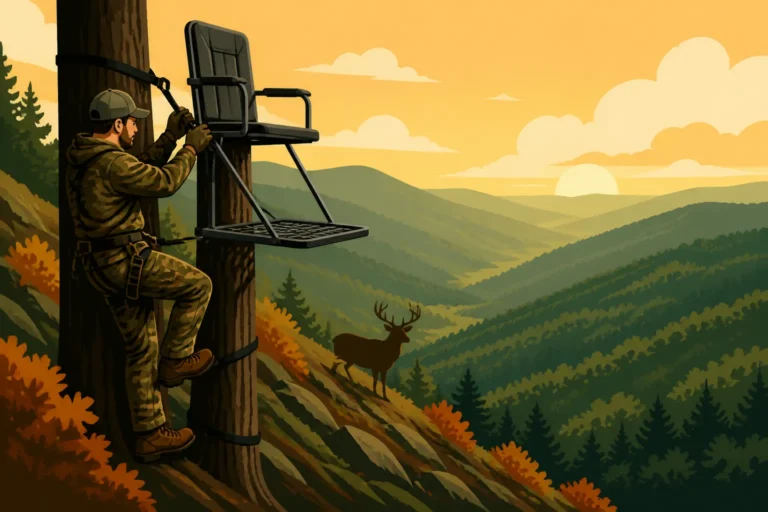
Tree stand placement in a creek bottom is paramount. You need to position yourself downwind of likely travel corridors, feeding areas, or bedding thickets, without being directly in a deer's line of sight or where they'll hear you. Often, this means setting up on the edge of the creek bottom, slightly elevated on an adjacent ridge or bench, allowing you to overlook the activity below. Look for a tree that provides good cover and a clear shooting lane into the bottom.
Understanding "Wind and Thermals on a Steep Ridge" is critical in these environments. During the morning, cold air sinks into the creek bottom, creating a downstream thermal. As the sun rises and warms the earth, thermals reverse, carrying scent uphill. This means your scent will typically be pulled downstream in the morning and upstream in the afternoon. Plan your entry and exit routes, and your hunt timing, around these thermal shifts. A morning hunt might be best positioned further up the creek to catch deer moving downstream to bed, while an afternoon hunt could be lower down, anticipating deer moving upstream to feed. The GoHunt app can provide real-time wind and thermal predictions, helping you make informed decisions about stand placement and timing.
Still-Hunting and Stalking Tactics
Sometimes, a stand isn't the best option, or you want to actively cover more ground. Still-hunting or stalking a creek bottom in late season can be incredibly effective, especially after a fresh snow. The snow not only quiets your footfalls but also highlights fresh tracks, giving you a clear indicator of where deer are moving.
Move slowly, deliberately, and stop frequently to glass ahead. Use the terrain to your advantage, peeking over rises or around dense cover before exposing yourself. The sound of running water in a creek can help mask your movement, but also makes it harder to hear deer approaching. Focus your attention on the thickest cover – the kind you wouldn't typically walk through in early season. That's where the deer are. If you jump a deer, don't give up. They often won't run far in thick cover before stopping to assess the situation. Freeze, listen, and try to get a visual. This method can be incredibly rewarding, especially when pursuing a wary buck. Mastering "Still-Hunting Cranberry WMA Ridges" techniques can be adapted for creek bottom hunting with great success.
Dealing with Challenges and Maximizing Success
Hunting creek bottoms in late season isn't without its difficulties. Cold, ice, water crossings, and dealing with potentially higher hunting pressure can all be part of the experience. However, with the right preparation and mindset, these challenges can be overcome.
Navigating Water Crossings and Icy Terrain
Creeks, by their very nature, involve water. And in late season, that water can be ice cold, or even partially frozen. Wading across can be a chilling experience, and even dangerous if you're not prepared. Invest in good quality, waterproof boots, or even waders if necessary. Scout for safe crossing points – shallow riffles, downed logs, or sturdy rock formations.
Icy banks and trails are also a concern. Always take your time, watch your footing, and consider bringing trekking poles for added stability. A fall in freezing temperatures can quickly turn a hunt into a survival situation. Your gear choices are critical; ensure you have appropriate "Boots for West Virginia Hollows and Ridges" that offer both warmth and traction.
Minimizing Pressure and Adapting to Conditions
While many hunters abandon creek bottoms in favor of higher ground, some areas might still experience pressure. To find success, you need to go where others won't. This often means pushing deeper into the thickest, nastiest creek bottom cover, or choosing more remote sections of public land. The Monongahela National Forest, for example, has countless creek bottoms, and while some are easily accessible, others require a significant hike to reach. Remember that "Hunting Pressure on West Virginia Public Land" can alter deer behavior, so finding those out-of-the-way spots is key.
Deer behavior in late season is heavily influenced by weather. A sudden cold snap or fresh snow can trigger increased movement as deer search for food. A prolonged deep freeze might make them bed down even tighter. Pay attention to forecasts and adjust your hunting plans accordingly. The deer that survive the rut and the initial gun season are incredibly wary. Your approach needs to be stealthy, patient, and precise. By understanding their needs for survival – food, water, and thermal cover – you can anticipate their movements and increase your chances of tagging a late-season West Virginia whitetail. Don't forget to refer to "Hunting the Late-Season December Lull" for further insights into deer behavior during this specific timeframe.
Disclaimer
Hunting carries inherent risks, including but not limited to those associated with firearms, archery equipment, tree stands, and navigating natural terrain. Always prioritize safety, follow all local and state hunting regulations, and ensure you have the necessary licenses and permits. Consult with local wildlife agencies for the most current rules and conditions. The information provided here is for educational and informational purposes only and should not replace professional guidance or personal judgment.