Bowfishing West Virginia Rivers in the Off-Season
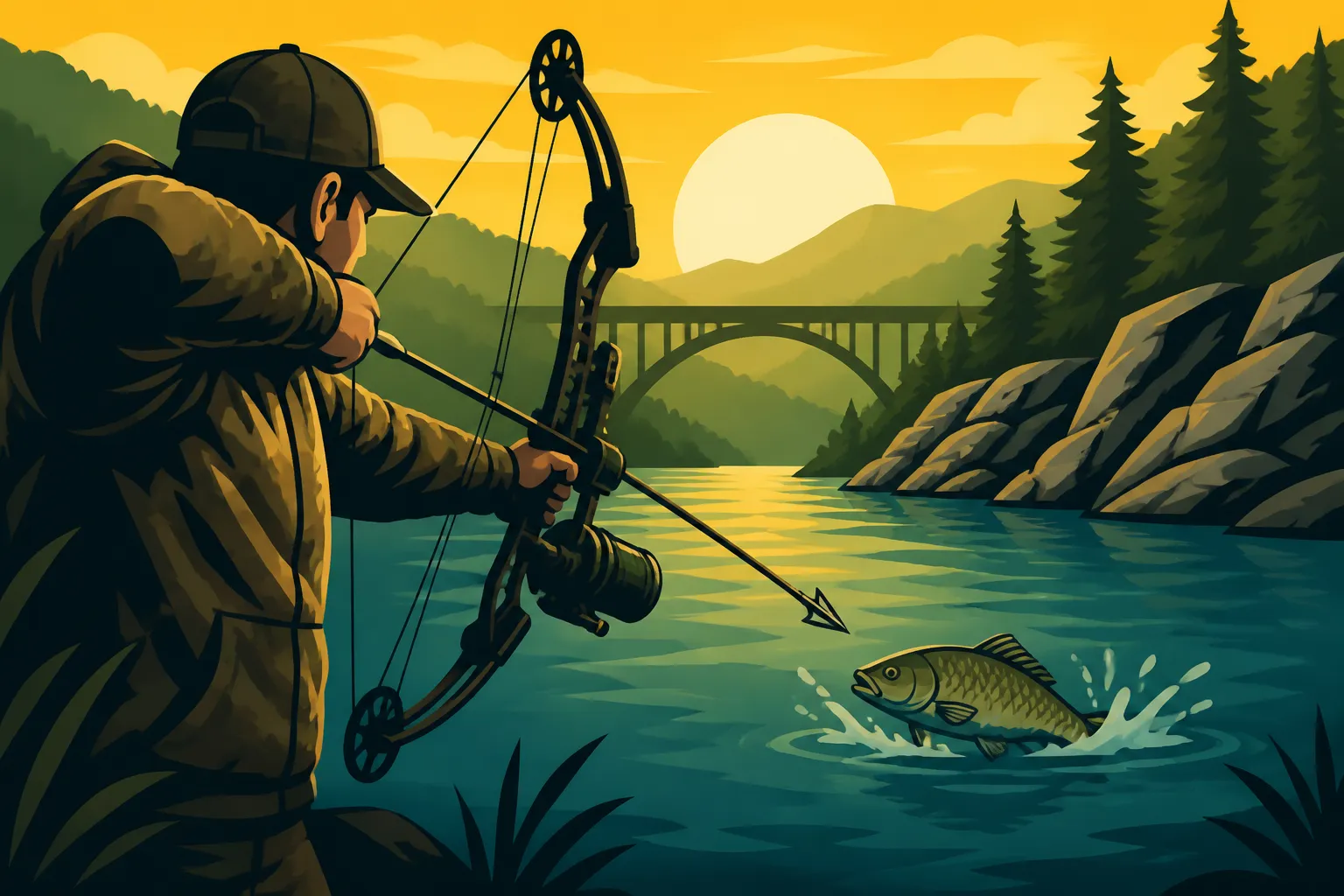
When deer and turkey seasons close, many West Virginia hunters feel a familiar ache – that longing to be afield, to hone their skills, and connect with the wild. But the Mountain State offers an exhilarating way to keep your archery prowess sharp year-round: bowfishing. This guide dives deep into how you can conquer West Virginia's rivers and lakes, pursuing abundant rough fish and extending your outdoor adventures well beyond conventional hunting seasons.
Why Bowfishing Fills the Off-Season Void
That feeling of seasonal withdrawal is real, isn't it? One minute you're dialed in, watching a West Virginia Buck Gun Season funnel, and the next, the woods feel strangely quiet. Bowfishing isn't just a pastime; it's a strategic way to mitigate that off-season slump, offering a unique blend of hunting and fishing that keeps your reflexes sharp and your outdoor spirit thriving.
Keeping Archery Skills Sharp
Let's be honest, few things are more frustrating than feeling your archery muscles atrophy while you wait for fall. Bowhunting demands precision, calm under pressure, and the ability to make quick decisions. Bowfishing is an incredible way to maintain and even improve these critical skills. Unlike static target practice, you're often shooting at moving targets, through water refraction, from unstable platforms like a boat or while wading. It forces you to compensate for environmental factors, estimate distances on the fly, and practice that smooth, controlled release.
Imagine a sunny afternoon on the Kanawha River. You spot a common carp cruising just under the surface, maybe 20 yards out. The shot isn't straightforward; you have to account for water distortion, the fish's movement, and the boat's slight drift. These dynamic scenarios are far more akin to a real hunting shot than punching holes in a paper target. Regularly engaging in bowfishing means that when the Bowhunting West Virginia's Long Archery Season finally rolls around, your muscle memory, aiming instincts, and quick-draw capabilities will be well-honed, giving you a distinct advantage. It's essentially live-fire practice for your bowhunting fundamentals.
Accessing West Virginia's Diverse Waterways
One of the great beauties of West Virginia is its incredible network of rivers and streams. When many public lands are resting from hunting pressure, these waterways come alive with opportunity. From the broad expanse of the Ohio River Valley bottomland to the winding stretches of the New River Gorge, West Virginia offers an unparalleled diversity of bowfishing environments. You're not restricted to dense forests or mountain ridges; instead, you're exploring a whole new landscape.
Public access points, boat ramps, and even just simple shoreline access along rivers like the Cheat, Greenbrier, or Elk make it surprisingly easy to get out. Many of these areas, though popular with anglers, see far less pressure from dedicated bowfishers, especially during what most consider the "off-season" for hunting. You might find yourself on a quiet stretch of the Monongahela River or the picturesque South Branch Potomac, seeing wildlife and enjoying the tranquility of the water while actively pursuing fish. Using tools like the Using the Go Wild West Virginia Map Tool or detailed GPS apps can help you pinpoint public launch points and identify promising stretches of river, whether you’re launching a boat or planning to wade a shoreline.
An Eco-Friendly Approach to Rough Fish Management
Beyond the thrill and skill-building, bowfishing plays an important ecological role. Many of the species targeted by bowfishers—like common carp and grass carp—are non-native or considered "rough fish." While they have their place in the ecosystem, their populations can sometimes explode, leading to negative impacts on native game fish habitats and spawning grounds.
Common carp, for instance, are notorious bottom feeders. Their constant rooting around can stir up sediment, muddying the water, destroying aquatic vegetation vital for native fish, and even uprooting important plant life. Grass carp, particularly invasive strains, can decimate aquatic vegetation beds, which are crucial nurseries and feeding grounds for many native species. By ethically harvesting these fish through bowfishing, you're not just enjoying a day on the water; you're actively contributing to the health and balance of West Virginia's aquatic ecosystems. It's a way to participate in conservation that directly benefits the native fish populations we all cherish, aligning with the broader principles of responsible outdoor stewardship taught through programs like West Virginia Hunter Education Requirements.
Top Target Species and Where to Find Them
West Virginia's rivers teem with a variety of rough fish perfectly suited for bowfishing. Knowing what you're targeting and where to look for them is key to a successful outing. While the focus is often on carp and gar, other species like drum and certain catfish can also be fair game, depending on current regulations.
Common Carp and Grass Carp
These are the bread and butter of West Virginia bowfishing. Common carp are stout, golden-brown fish identifiable by their barbels (whiskers) around the mouth. Grass carp are torpedo-shaped, silvery, and lack barbels. Both are often found in shallow, warm, and often murky waters with soft, muddy bottoms. Think slow-moving rivers, backwater sloughs, shallow flats, and even large creeks feeding into main rivers.
- Common Carp: Look for them in the shallows of the Ohio River or the lower reaches of the Kanawha and Little Kanawha rivers. They love to cruise just under the surface in areas where the sun has warmed the water, often near submerged vegetation or woody debris. You might spot their dorsal fins breaking the surface or see mud trails where they've been feeding. Early mornings and late evenings, or even sunny midday hours on calm days, are prime times.
- Grass Carp: These fish are often found grazing on aquatic vegetation. While they can be in similar habitats to common carp, they might also frequent areas with more abundant plant life. The calm, warm waters of tributaries or even impoundments where vegetation is thick are good bets. They can be incredibly wary, so a stealthy approach is crucial.
Sunny, calm days are your best friend when pursuing carp. The sun helps you spot them through the water, and calm conditions minimize surface ripples that obscure visibility. Keep an eye out for tell-tale signs: muddy clouds, a dorsal fin, or a slight disturbance in the water indicating a cruising fish. When Scouting West Virginia Public Land Before Season, also consider areas with good river access and shallow flats for these species.
Longnose Gar
If you're looking for a challenging and unique bowfishing target, the longnose gar is your fish. With their elongated, toothy snout and armor-like scales, gar are truly prehistoric. They prefer clearer, slower-moving waters, often congregating near submerged timber, weed lines, or other structures where they can ambush prey.
The New River is a fantastic place to find longnose gar, especially in its calmer pools and backwaters. Sections of the Greenbrier River or even the lower Cheat River with clearer water can also hold good numbers. Gar often "bask" just below the surface, especially on warm, sunny days. They might look like floating sticks or logs, so keen observation is essential. Their hard, bony mouths and scales make them a tough target, often requiring a direct hit with a sturdy arrow tip. They also put up a surprisingly strong fight once hit!
Drum and Catfish (Where Legal)
West Virginia regulations typically allow for bowfishing of most non-game or "rough" fish, which can include various species of drum and certain catfish. It is absolutely paramount to check the current West Virginia Division of Natural Resources (WVDNR) fishing regulations pamphlet, as rules can change annually and species legality can vary. Generally, common species like freshwater drum, channel catfish, and flathead catfish may be targeted.
- Freshwater Drum: These bottom-dwelling fish are often found in deeper pools or channels of larger rivers like the Ohio, Kanawha, or Monongahela. They tend to be less visible than carp or gar, requiring more patience and often night bowfishing with lights to spot them as they move into shallower feeding areas.
- Catfish: While primarily targeted by traditional anglers, large channel and flathead catfish can be a thrilling bowfishing challenge. They inhabit deeper holes, around fallen trees, rock piles, or undercut banks. Like drum, they are often nocturnal, making night bowfishing the most effective method. Again, verify current regulations meticulously before targeting any catfish species. A general fishing license, such as those covered in West Virginia Resident License Options, is usually required for bowfishing.
| Species | Typical Habitat | Best Time to Target | Challenge Level | Key Identification |
|---|---|---|---|---|
| Common Carp | Shallow, muddy flats, backwaters | Sunny, calm days (day/night) | Moderate | Golden-brown, 2 barbels |
| Grass Carp | Areas with abundant aquatic vegetation | Sunny, calm days (day) | Moderate | Silvery, torpedo-shaped, no barbels |
| Longnose Gar | Clearer, slower water near structure | Sunny days (day) | High | Elongated snout, armor-like scales |
| Freshwater Drum | Deeper pools, channels | Night (with lights) | Moderate | Silver/gray, high-backed body |
| Channel Catfish | Deep holes, submerged timber | Night (with lights) | High | Forked tail, barbels |
Essential Gear for Successful West Virginia Bowfishing
Just like any specialized outdoor pursuit, successful bowfishing requires specific gear. You can certainly start with a minimal setup, but having the right tools for the job will significantly enhance your experience and success rate on West Virginia's waters.
Bow Setups for the Water
You don't necessarily need a brand new bow, but some modifications are crucial.
- Bow Type: While many archers use old hunting compounds or recurves, dedicated bowfishing bows are available. These often have lower draw weights (which is fine for shooting fish at close range) and are built to withstand the rigors of being wet and potentially muddy. A traditional recurve or a compound set at a lighter draw weight (think 30-50 pounds) works perfectly. The goal isn't extreme velocity or kinetic energy, but rather consistency and easy handling for quick, repetitive shots. Remember, even with a hunting bow, you'll want to reduce the draw weight from what you might use for deer, as you're often holding at full draw for longer periods, waiting for the perfect shot. For reference, your bow draw weight might be significantly higher for traditional hunting, as discussed in Bow Draw Weight for West Virginia Whitetails.
- Reel Systems: This is where bowfishing bows differ most. You need a specialized reel to retrieve your arrow and fish.
- Spincast Reel: These are popular, mounted on a bracket, and function much like a fishing reel. They're simple to use: push the button, shoot, and reel in. They hold a good amount of line (80-200 lb braided fishing line).
- Retriever Reel: These are bottle-style reels where the line is hand-stacked inside. When you shoot, the line freely uncoils. To retrieve, you simply pull the line in by hand. They are incredibly fast for follow-up shots but require more manual line management.
- Line: You'll typically use 80- to 200-pound braided fishing line. It's incredibly strong, abrasion-resistant, and won't stretch like monofilament, which is important for retrieving heavy fish.
Arrows, Tips, and Safety
Bowfishing arrows are distinctly different from hunting arrows, and safety is paramount.
- Arrows: Bowfishing arrows are solid fiberglass, much heavier and stiffer than carbon or aluminum hunting arrows. They need to be durable to withstand hitting rocks, logs, and fish bones without breaking.
- Arrow Tips: Specialized barbed tips are essential. These are designed to penetrate the fish and then deploy barbs to hold the fish securely. Many are removable or have reversible barbs for easy fish removal. Some tips are designed to be retrieved and reused immediately, while others might require a tool for barb reversal.
- Safety Slide: This is perhaps the most critical safety component. A safety slide attaches to your arrow and keeps the fishing line in front of the bow. If the line is tied directly to the back of the arrow, it can snap forward, wrap around the bowstring, and cause the arrow to "snap back" at the shooter, resulting in severe injury. Always ensure your line is properly routed through a safety slide system. Never tie your line directly to the arrow nock.
- Gloves: Consider wearing gloves, especially if you're retrieving fish by hand or handling abrasive line.
- Polarized Sunglasses: For daytime bowfishing, these are a game-changer. They cut glare off the water, allowing you to see fish deeper and more clearly.
Boats, Lights, and Other Necessities
While you can wade for carp in some shallow areas, a boat opens up a world of possibilities for West Virginia bowfishing.
- Boats: A flat-bottom jon boat is a common choice, offering stability and a good platform for shooting. Larger boats with raised shooting platforms are ideal for night bowfishing. For incredibly shallow water or hard-to-reach areas, some dedicated bowfishers use airboats, though these are less common in West Virginia.
- Lights (for Night Bowfishing): Night bowfishing is highly effective for many species, as fish often move into shallower water to feed and are easier to spot with artificial light. This requires a generator and a bank of high-intensity lights (halogen, LED, or even HID) mounted on your boat, illuminating the water around you.
- Waders: Even if you're in a boat, a good pair of waders (like those you might use for Waders for River Bottom Hunting) can be invaluable for getting out and retrieving fish or accessing very shallow spots.
- Cooler/Tubs: You'll need a large cooler or sturdy plastic tubs to hold your harvested fish. Remember, these fish can be heavy!
- Grappling Hook/Net: For retrieving arrows and fish from difficult spots, a gaff or large net can be useful.
- First Aid Kit: Always a good idea to have on board, especially when dealing with sharp points, potential cuts, or slips.
- Communication Device: Cell service can be spotty in some remote river sections, so consider a satellite messenger or two-way radio.
- GoHunt App: While primarily known for big game, applications like GoHunt can still be helpful. Utilize them for general topographical information, identifying public access points along rivers, and even marking potential fishing hot spots. The detailed maps can help you navigate shorelines and understand the terrain, even if the primary species data isn't tailored to bowfishing.
Navigating West Virginia Bowfishing Regulations and Best Practices
Responsible and ethical bowfishing is crucial for the sport's future and for maintaining healthy ecosystems. Understanding West Virginia's specific regulations and adopting best practices ensures a positive experience for everyone on the water.
Understanding West Virginia's Specific Rules
Before you even string your bow, your first stop should be the current West Virginia Division of Natural Resources (WVDNR) fishing regulations. These documents are your bible. Rules can vary by water body, species, and time of year.
- Licensing: Generally, a valid West Virginia fishing license is required for bowfishing. Non-residents will need a non-resident fishing license. Check the specific requirements for your situation, as outlined in West Virginia Resident License Options or West Virginia Hunting Licenses and What They Cost.
- Legal Species: Always confirm which species are legal to bowfish. As mentioned, most "rough" fish like carp, gar, and suckers are typically fair game, but restrictions on certain game fish or protected species are common.
- Gear Restrictions: While less common for bowfishing, ensure your equipment meets any stated regulations (e.g., minimum line strength, arrow type if specified).
- Area Restrictions: Some areas, like certain state park waters, designated trout streams, or around dams, might have bowfishing restrictions or prohibitions. Always be aware of your location and any special rules that apply. The WVDNR website and their yearly fishing regulations pamphlet are the definitive sources for this information.
Ethical Harvest and Disposal
As conservation-minded outdoorsmen, we have a responsibility to treat all game, fish, and the environment with respect.
- Know Your Intent: If you're bowfishing, your intent should be to harvest. It's not a catch-and-release sport. Only shoot what you intend to keep and utilize.
- Utilization: While many turn bowfished carp and gar into fertilizer for gardens, some people do consume them. Carp can be smoked, ground for patties, or even canned. Gar meat is often described as firm and mild. If you're not going to eat them, have a plan for responsible disposal.
- Responsible Disposal: Never leave fish carcasses on riverbanks, boat ramps, or public access areas. This creates an unsightly mess, attracts scavengers, and can be a public health nuisance. If you're not using them, bury them far from water, take them to a designated disposal site (if available), or utilize them for composting. Be a good ambassador for the sport.
- Respect Other Users: West Virginia rivers are shared spaces. Be mindful of traditional anglers, kayakers, boaters, and property owners. Don't crowd fishing spots, keep your noise down, and retrieve your fish discreetly. Your actions reflect on the entire bowfishing community.
Scouting and River Safety
Effective bowfishing, like hunting, starts with good scouting and a strong emphasis on safety.
- Scouting Likely Areas: Before you even launch, spend some time studying maps. Identify shallow flats, backwater coves, eddies, and areas with submerged structure or vegetation. Look for slow-moving water adjacent to faster currents. A good mapping app, such as a subscription to GoHunt, can provide valuable satellite imagery and topographical data to help you identify these features. During daylight hours, cruise slowly or wade these areas to spot fish activity. Consider areas where you might find Hunting Ohio River Valley Bottomland for deer, as these bottomland areas often include river access and shallow waters suitable for bowfishing.
- Understanding River Dynamics: West Virginia's rivers can be powerful and unpredictable. Be aware of currents, especially near rapids or after heavy rains. Know the depth of the water you're operating in. Always be mindful of submerged hazards like rocks, logs, and debris that could damage your boat or cause a fall.
- Weather Awareness: Check the weather forecast before you go. Sudden storms can turn a calm river into a dangerous place quickly. High winds can make shooting difficult and boating hazardous.
- Personal Flotation Devices (PFDs): Always wear a PFD, especially if you're in a boat or wading in unfamiliar water. Even strong swimmers can be overwhelmed by currents or cold water.
- First-Aid Kit: Carry a comprehensive first-aid kit and know how to use it.
- Buddy System: Whenever possible, go with a partner. There's safety in numbers, and an extra set of hands is always helpful for loading fish, launching boats, or in an emergency.
- Tell Someone Your Plan: Let a trusted person know where you're going and when you expect to return. This is crucial if something goes wrong.
Bowfishing is a fantastic way to extend your time outdoors in West Virginia, sharpen your archery skills, and experience the state's waterways from a unique perspective. With the right gear, knowledge of regulations, and a commitment to ethical practices, you'll find that the "off-season" is anything but quiet.
Disclaimer
Please note that hunting and fishing regulations, license requirements, and season dates in West Virginia can change. Always consult the official West Virginia Division of Natural Resources (WVDNR) website or their current regulations pamphlet before engaging in any hunting or fishing activity. The information provided here is for general guidance and informational purposes only and should not be considered legal advice.