Running a Trapline in Rural West Virginia
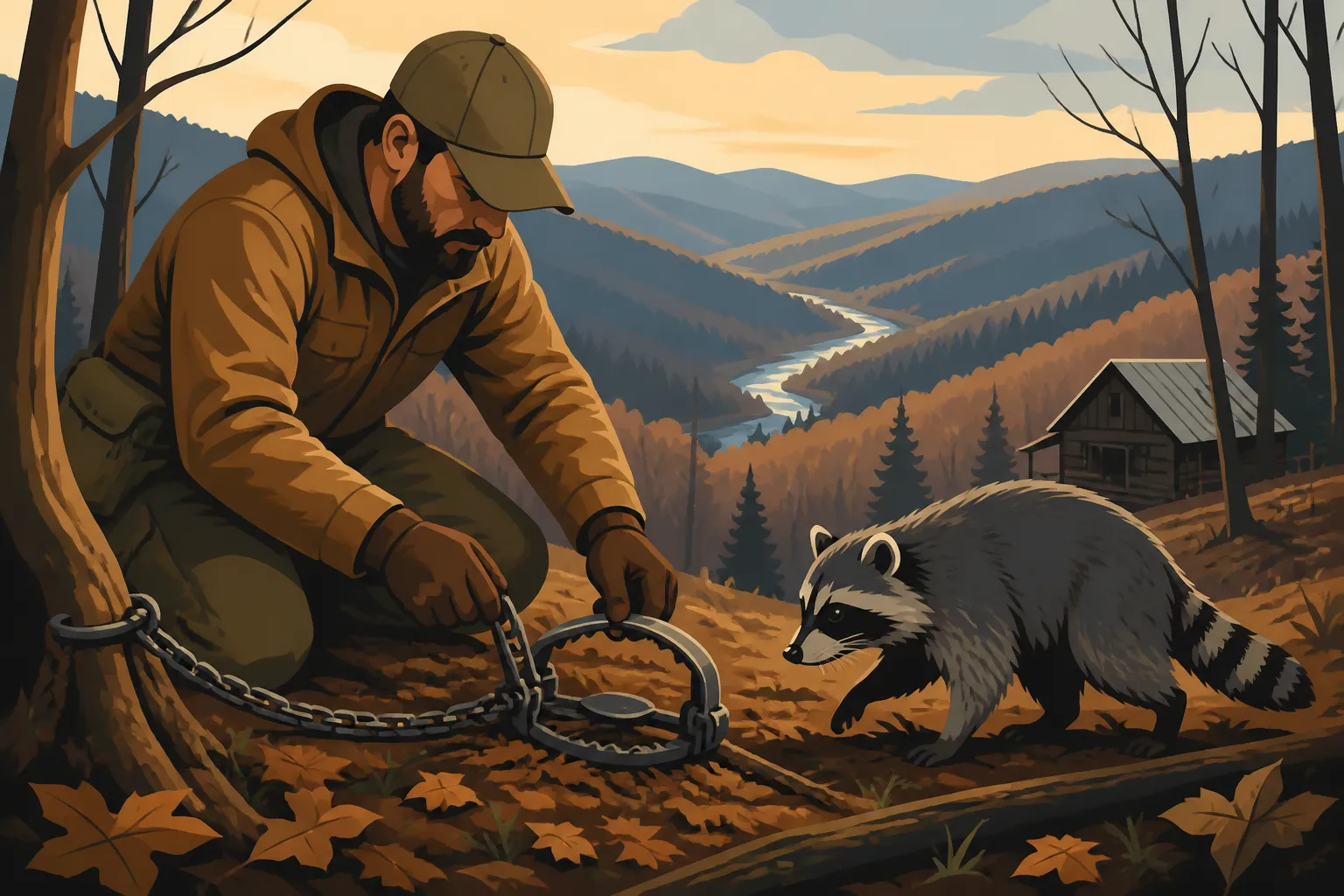
The crisp bite of a West Virginia morning, the frosted earth crunching underfoot as you check your traps – it’s a feeling ingrained in the Mountain State’s heritage. But for newcomers or those returning to the tradition, the thought of actually running a trapline in rural West Virginia can feel daunting. There’s a lot to learn, from navigating complex regulations to understanding animal behavior and the right equipment. This comprehensive guide will strip away the mystery, walking you through everything you need to know to ethically and successfully operate a trapline, connecting you with an ancient, rewarding outdoor pursuit.
Understanding West Virginia's Trapping Regulations
Before you even think about setting steel in the ground or water, you absolutely must understand the laws governing trapping in West Virginia. This isn't just about avoiding trouble; it's about ethical practice and ensuring the sustainability of our furbearer populations. The West Virginia Division of Natural Resources (WVDNR) sets these rules, and they are critical to follow to the letter. Don't rely on old stories or what someone "heard"; get the current regulations directly.
Essential Licenses and Permits
The first step on any trapline journey is making sure your paperwork is in order. In West Virginia, you can't just go out and start trapping. You'll need the appropriate hunting and trapping licenses. For residents, this usually means a Class A (statewide hunting and fishing) or a Class X (statewide hunting, fishing, and trapping) license, along with a special trapping stamp. Non-residents have their own set of requirements, often involving annual or short-term licenses that include trapping privileges. Remember, these licenses are an investment in wildlife management, funding crucial conservation efforts that benefit all outdoorsmen and women. You can purchase these through the Go Wild West Virginia system, either online or at various license agents across the state. It's always a good idea to double-check the current West Virginia Trapping License Requirements each year, as regulations can sometimes see minor tweaks.
Beyond the basic license, there might be specific permits needed depending on what you're targeting or where you're trapping. For instance, if you're trapping on certain Wildlife Management Areas (WMAs), there might be additional access permits or sign-in requirements. Always consult the WVDNR hunting and trapping regulations synopsis before heading afield. Ignoring these vital first steps can lead to hefty fines and the loss of your privilege to hunt or trap, so due diligence here is non-negotiable.
Legal Trap Types and Restrictions
West Virginia has specific rules about the types of traps you can use and how you can deploy them. These regulations are designed to promote humane trapping practices and prevent accidental catches of non-target species, including domestic animals. Generally, footholds, body-grip traps (like Conibear-style traps), and snares are legal, but with significant caveats. For example, there are often maximum jaw spreads for footholds and size restrictions for body-grip traps, especially when set on land where deer or other large animals might encounter them.
Snare regulations are particularly stringent. Snares must typically have a break-away device to prevent deer or other large animals from being held, and they are often restricted in terms of loop size and distance from roads or public trails. It's not uncommon for land-based body-grip traps to be prohibited in certain sizes or require an enclosure to prevent larger animals from entering. When trapping for muskrats or beaver, aquatic sets are generally less restricted but still require attention to detail. Always know the legal parameters for your chosen trap type, the specific species you're pursuing, and the environment you'll be setting them in. Misunderstanding these rules is one of the quickest ways to run into trouble.
Key Furbearer Species and Their Habits
Trapping success hinges on a deep understanding of the animals you're pursuing. Each furbearer in West Virginia has distinct habits, preferred habitats, and tells that indicate their presence. Learning to "read the sign" is a crucial skill that takes time, observation, and patience to develop.
Targeting Aquatic Furbearers: Muskrat and Beaver
West Virginia's waterways, from the smallest mountain streams to the larger rivers like the New and the Ohio, offer prime habitat for aquatic furbearers like muskrats and beaver. These animals are often among the first targets for new trappers due to their relatively predictable behavior and visible signs.
Muskrats are prolific builders, creating conical lodges in marshes and ponds, or burrowing into creek banks. They feed heavily on aquatic vegetation and leave "feeding platforms" or small piles of chewed plants along the water's edge. Look for their distinctive, rat-like tracks in soft mud. Muskrats are relatively easy to trap using smaller body-grip traps (like a 110 or 120 size) or even small footholds, often set in pinch points along their travel routes or at the entrance to their burrows. The key is finding their active runs and setting traps just below the water's surface, ensuring the trap is stable and secure. Understanding West Virginia Muskrat and Mink Trapping Trends can give you insights into population health and traditional trapping areas.
Beaver are the engineers of the wild, famous for their dams and lodges. Their presence is unmistakable: freshly chewed trees, stick lodges, and flooded areas are all tell-tale signs. They prefer slower-moving water, ponds, and larger streams. Beaver are powerful animals, so trapping them requires heavier-duty equipment, typically large body-grip traps (330 size) or sturdy footholds (No. 3 or 4). Sets are often made in dam breaches, lodge entrances, or channels where beaver consistently travel. You'll want to use strong stakes and securing methods, as a trapped beaver can exert considerable force. Knowing about West Virginia Beaver Population and Damage can also help identify areas where beaver numbers are high and trapping might be particularly effective.
Upland Predators: Fox, Coyote, and Bobcat
Trapping upland furbearers like red fox, gray fox, coyotes, and bobcats is often considered more challenging and requires a different skillset than aquatic trapping. These animals are intelligent, wary, and cover much larger territories, making their movements harder to predict.
Foxes (both red and gray) are common across West Virginia. Red fox often prefer open fields, farmland edges, and mixed woodlands, while gray fox are more at home in thick, brushy cover and timbered hillsides. Look for scat on prominent logs or rocks, tracks along field edges, and well-used trails. Dirt hole sets, where a trap is concealed near a dug hole baited with gland lure or food, are classic fox sets. Flat sets, where the trap is bedded in a natural depression near a curiosity lure, also work well.
Coyotes have expanded their range across all 55 counties of West Virginia. They are incredibly adaptable and can be found from suburban fringes to remote mountain hollows. Coyotes are smart and notoriously trap-shy, so successful coyote trapping demands meticulous trap preparation, camouflage, and scent control. Dirt hole sets are effective, but larger traps (No. 2 or 3 coiled spring) are usually preferred. Flat sets and pee post sets (using urine as a territorial attractant) are also common. Understanding the overall West Virginia Coyote Hunting Season Status can give you a better grasp of these cunning predators in our state.
Bobcats are perhaps the most elusive of West Virginia's furbearers. They prefer dense, thick cover in mountainous and heavily wooded areas, often near rocky outcrops or remote stream bottoms. Tracks are hard to find, but look for scat, scratch marks on trees, and kill sites. Bobcat trapping often involves "blind sets" on natural travel routes or "cubby sets" where a trap is concealed inside a small, brushy enclosure. Visual attractors like feathers or flags can also draw their attention. Trapping bobcats requires significant patience and a deep understanding of their secretive nature. Familiarity with West Virginia Fox and Bobcat Trapping Season rules is especially important, as bobcat management can involve more specific quotas or reporting requirements.
Setting Up Your Trapline: Location, Strategy, and Equipment
Running a successful trapline isn't just about knowing the rules and the animals; it's about executing a well-planned strategy on the ground. This involves careful scouting, selecting the right gear, and understanding how to deploy it effectively.
Scouting and Identifying Prime Trapping Locations
Scouting is the absolute cornerstone of a productive trapline. You wouldn't go deer hunting without scouting, and trapping is no different. You need to identify areas where furbearers are active and where you can make ethical, effective sets. This means getting out well before the season opens, observing, and learning the land. Look for choke points, natural funnels, and areas with abundant food sources. Creek bottoms, beaver ponds, mature timber stands, and field edges where two types of habitat meet are often prime locations.
When scouting, pay close attention to fresh sign: tracks, scat, chewed vegetation, dens, and runs. Use a good mapping application like GoHunt on your phone to mark potential set locations, landowner boundaries, and access points. This kind of digital scouting complements physical boots-on-the-ground reconnaissance perfectly. You can gain valuable insights by checking aerial photos for subtle elevation changes, drainage patterns, and vegetation types that might funnel animal movement. Remember, the animals are constantly moving, so a good trapper is always scouting and adapting. The principles are similar to those used for deer, where understanding Scouting West Virginia Public Land Before Season involves knowing how to find game sign and travel corridors. Even learning how to identify Reading West Virginia Mud for Fresh Deer Movement can help you recognize other animal tracks and patterns.
When choosing locations, consider access. Can you get to your traps quickly and discreetly for daily checks? Are you far enough from public trails or roads to avoid attracting unwanted attention or the risk of non-target animals? Always prioritize safety and ethical considerations in your location selection.
Essential Trapping Equipment and Best Practices
A well-equipped trapper is a successful trapper. Beyond your licenses and knowledge, you'll need a core set of tools and traps. Here’s a breakdown of what you'll need:
| Equipment Type | Examples/Description | Key Use |
|---|---|---|
| Traps | Footholds (coiled spring, longspring), Body-grips (Conibear), Snares | Capturing specific furbearers |
| Setting Tools | Trap setters (for body-grips), pliers, wire cutters, hammer, digging tool | Safely setting traps, making modifications, digging trap beds |
| Lures/Baits | Commercial lures (gland, curiosity, food), natural baits (fish, meat scraps) | Attracting furbearers to the trap location |
| Scent Control | Rubber gloves, dedicated trapping clothes, scent-eliminating sprays | Minimizing human scent on traps and at set locations |
| Concealment | Dirt sifter, pan covers, leaves, grass, waxed dirt, antifreeze-treated dirt | Blending traps into the environment, preventing freezing |
| Securing Devices | Trapping stakes (metal rebar, rebar cable), cable anchors, heavy rocks, drowning weights | Anchoring traps securely to prevent escape or theft |
| Safety Gear | First-aid kit, whistle, personal locator beacon (PLB) for remote areas, water | Personal safety in the field |
| Mapping/Navigation | GPS unit, smartphone with mapping app (like GoHunt), physical map, compass | Navigating to and from trapline, marking set locations |
Best practices in trapping start with meticulous trap preparation. All new traps should be cleaned, degreased, and then dyed and waxed. This not only protects them from rust but also removes human scent and helps them blend into the environment. Bedding a trap correctly means it is stable, level, and won't wobble when an animal steps on the pan. Proper concealment is paramount; a visible trap will be avoided by wary furbearers. Always use quality lures and baits appropriate for the target species and the time of year. For instance, fish-based lures work well for many furbearers, while specific gland lures can be irresistible during breeding season.
Finally, effective scent control is crucial, especially for wary animals like coyotes and bobcats. Wear clean gloves when handling traps, lures, and baits. Avoid leaving excess human scent at your set locations, and use natural materials to cover and blend your traps. You can find a lot of specialized gear and even state-specific regulations on platforms like GoHunt, which can be an invaluable resource for both experienced and novice trappers looking to refine their setup.
Responsible Trapping and Animal Care
The responsibility of a trapper extends far beyond just catching furbearers. Ethical trapping practices are paramount, ensuring the humane treatment of animals and maintaining a positive public perception of this traditional outdoor activity.
Ethical Trap Placement and Daily Checks
Ethical trapping begins with thoughtful trap placement. Every trapper has a duty to place traps in a manner that minimizes the chance of catching non-target animals, including pets. This means avoiding areas frequented by domestic animals, particularly near residences or popular walking trails. If you must set near such areas, consider using methods that are highly selective for furbearers, such as elevated sets or specific cubbies that larger, non-target animals cannot access. Knowing the regulations and adhering strictly to setback distances from roads and trails is not just a legal requirement but an ethical one.
Perhaps the most critical ethical responsibility is performing daily trap checks. West Virginia law requires traps to be checked at least once every 24 hours. This rule is in place to ensure that any trapped animal is removed as quickly as possible, minimizing stress, injury, and exposure to the elements or predators. Daily checks mean getting out in all weather conditions, from bitter cold to pouring rain. It requires dedication and commitment. Failure to check traps daily is a serious ethical lapse and a legal violation, often resulting in significant penalties under West Virginia Wildlife Violation Penalties. Your trapline should be designed so that every set is accessible and can be checked efficiently within the legal timeframe. This planning is just as important as the actual setting of the traps. Keep in mind that West Virginia Public Land Hunting Hours often extend from one hour before sunrise to one hour after sunset, giving you ample time for checks during daylight, but planning for severe weather or unexpected delays is always wise.
Handling and Processing Your Catch
Once an animal is caught, proper handling and processing are the final steps in responsible trapping. The goal is to dispatch the animal quickly and humanely. This requires knowing the proper techniques and having the right tools on hand. For smaller furbearers, a sharp, quick blow to the head or a carefully aimed shot from a small-caliber firearm (where legal and safe) is often used. Larger animals may require different methods. Always prioritize safety for both yourself and the animal.
After dispatching, the animal should be handled respectfully and efficiently. This typically involves skinning, fleshing, and stretching the pelt for sale or personal use. Skinning is a precise art that requires a sharp knife and practice. Fleshing removes any excess fat and membrane from the hide, which is crucial for proper drying and preventing spoilage. Stretching the pelt onto a board or wire frame allows it to dry uniformly, maximizing its value. Each species has a slightly different method for skinning and stretching to achieve the best results.
Learning these skills can be daunting initially, but numerous resources, from experienced trappers to online tutorials and WVDNR workshops, can guide you. The goal is to honor the animal by ensuring its pelt is prepared to the highest standard, reflecting the effort and skill invested in your trapline. This entire process is part of the tradition and sustainability of trapping, turning a wild resource into a valuable product or cherished memory.
Disclaimer
Please note: This article is intended for informational purposes only and does not constitute legal advice. Hunting and trapping regulations in West Virginia are subject to change. Always consult the official West Virginia Division of Natural Resources (WVDNR) regulations guide and local laws before engaging in any hunting or trapping activities. Safety should always be your top priority in the field.