Trapping West Virginia Feral Hogs
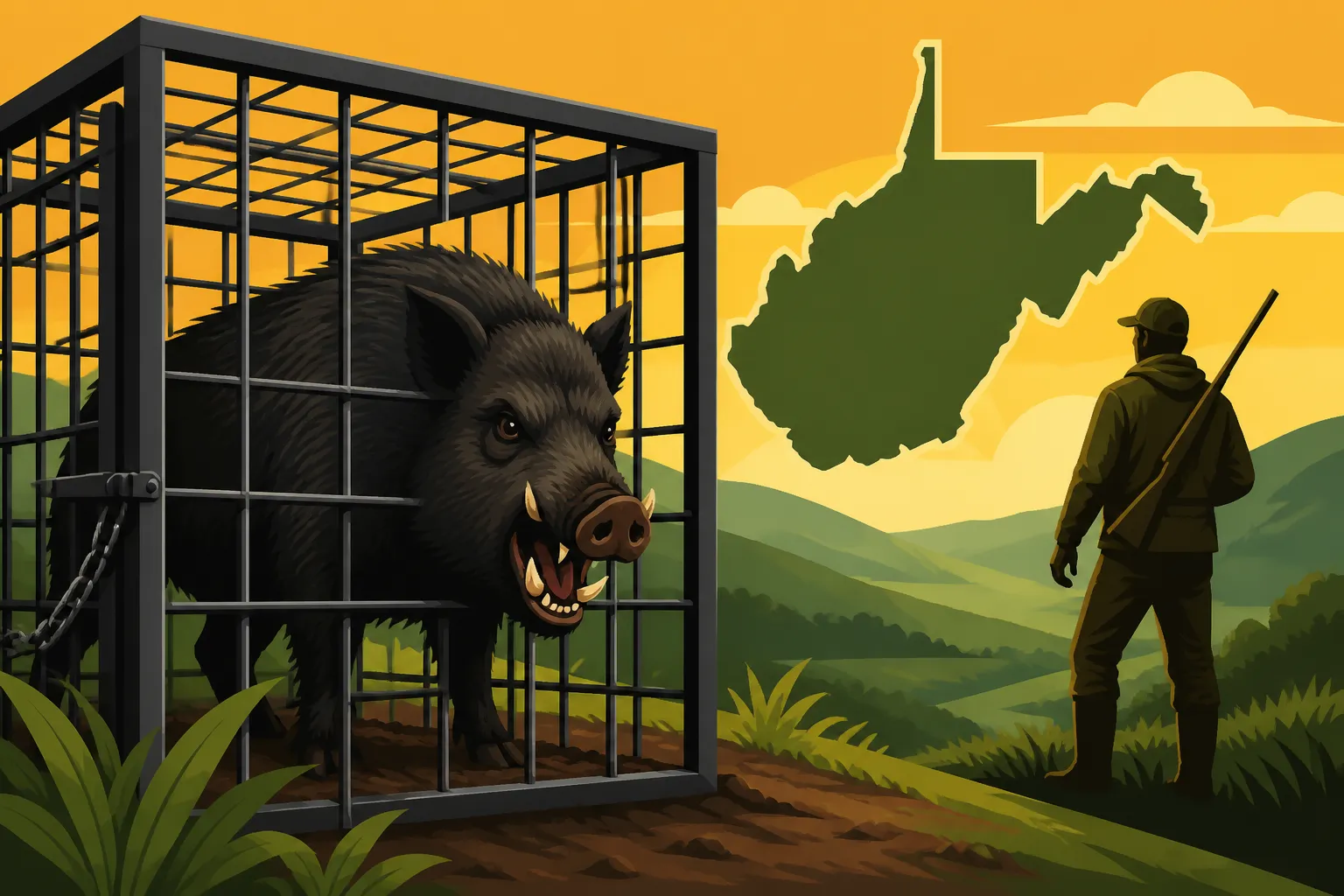
Feral hogs are a true nightmare for landowners and conservationists across West Virginia, causing immense destruction to crops, pastures, and delicate ecosystems. They reproduce at an alarming rate, making them incredibly difficult to control with traditional hunting methods alone. This comprehensive guide will walk you through the most effective strategy for managing these destructive invaders: trapping.
Understanding the Feral Hog Problem in West Virginia
If you've spent any time in the fields and forests of West Virginia lately, especially in the southern and western counties, you've likely seen the tell-tale signs: rooted-up ground, wallows, and snapped saplings. These aren't deer, folks. These are feral hogs, and they've become a massive, growing problem that often feels insurmountable. They're not just a nuisance; they're an ecological and agricultural catastrophe in the making for many areas.
The Rapid Spread and Devastation They Cause
What makes feral hogs such a formidable foe is their incredible reproductive capacity. A sow can start breeding as young as six months old and have two litters a year, with each litter averaging 4 to 8 piglets. Do the math, and you can see how quickly a small group can explode into an out-of-control sounder. This rapid proliferation is why traditional hunting, while fun and challenging, often only scratches the surface of the problem. You might shoot a hog or two, but the remaining members of the sounder are still out there, ready to replenish their numbers.
The damage these animals inflict is truly staggering. They root up vast tracts of land searching for food—grubs, roots, tubers, acorns, and anything else they can get their snouts on. This rooting activity destroys agricultural crops, pastures, and even manicured lawns. Beyond that, they compete with native wildlife, like deer and turkeys, for crucial food sources, especially acorns in the fall. You can read more about the serious impact in our article on Crop Damage Hogs Cause in West Virginia. Their wallowing in streams and ponds contaminates water sources, impacting water quality for both humans and other animals. It’s a cascading effect that touches every part of the ecosystem.
Identifying Feral Hog Sign
Knowing what to look for is your first line of defense. Feral hogs aren't always easy to spot, especially in thick cover, but they leave behind a distinct trail of destruction.
- Rooting: This is the most obvious sign. Hogs use their powerful snouts to dig up soil, leaving churned-up patches of earth that look like a rototiller went through. These areas can range from small disturbed spots to acres of turned-over ground, often near food sources or water.
- Wallows: Hogs love to cool off and cover themselves in mud, creating muddy depressions, particularly near creeks, springs, or low-lying wet areas. You'll often find hog hair stuck to nearby trees or fences where they've rubbed after a good wallow.
- Tracks: Hog tracks are distinct, with two prominent toes and often visible dewclaws, especially in mud. They are generally wider and rounder than deer tracks, and the stride is usually shorter.
- Scat: While variable, hog scat often contains undigested plant matter, seeds, and sometimes insect parts. It can be found in piles or scattered, depending on their diet.
- Rubbing: Hogs will rub against trees, fence posts, or utility poles, leaving mud and hair behind, especially if there's a good scratching spot. This is also a good place to set up a trail camera.
- Trails: Feral hogs, like deer, use established trails, but hog trails often appear wider and more heavily used, especially leading to and from feeding or bedding areas.
Where Hogs Roam in the Mountain State
While feral hogs are a nationwide problem, their spread within West Virginia is still relatively concentrated. Historically, they've been most prevalent in the southern counties, particularly in the rugged terrain of the former coalfields. Counties like Logan, Boone, Mingo, and Wyoming have seen significant populations, often due to past introductions for hunting or accidental escapes. You can learn more about their history and movement in How Wild Hogs Spread Across West Virginia.
However, their range is expanding. Sightings and verified captures have been reported in central and even some northern parts of the state. These animals are incredibly adaptable, thriving in dense forests, agricultural areas, and even suburban fringes if the habitat provides food, water, and cover. Their ability to travel long distances, often at night, makes tracking their spread a constant challenge. Knowing your local regulations, which we'll discuss later, is paramount, as some areas may have specific rules regarding control efforts.
Why Trapping is the Most Effective Method
Many hunters in West Virginia enjoy the challenge of pursuing feral hogs. They're smart, tough, and can offer an exciting hunt. However, when it comes to control and actually making a dent in their population, traditional hunting methods often fall short. This is where trapping truly shines, providing a systematic approach to reducing hog numbers effectively.
Limitations of Hunting and Snaring
Think about it: you head out with your rifle or bow, maybe sit a food plot or still-hunt a ridge. You might get lucky and drop one or two hogs. That's a success in the moment, but a sounder of 20 hogs is still 18 hogs. The surviving hogs, being incredibly intelligent, quickly learn to associate human presence and gunshots with danger. They become nocturnal, move to thicker cover, and become "trap-shy" or "hunter-shy," making them even harder to target. It turns into a perpetual cat-and-mouse game where the hogs often win in the long run.
Snaring, while sometimes effective for individual animals, also has limitations. It's often non-selective, meaning you could inadvertently catch non-target species like deer, bears, or even domestic animals if not set carefully. Plus, snares typically only catch one hog at a time. To truly impact a population, you need to remove entire sounders, and snaring simply isn't designed for that scale. The goal isn't just to kill a hog; it's to remove the breeding population, and that means capturing as many as possible at once.
High Success Rates and Whole Sounder Removal
The beauty of a well-executed trapping program is its ability to capture multiple hogs, often an entire sounder, in a single event. Imagine the difference: instead of getting one hog from a sounder of ten, you get all ten. This "whole sounder removal" is the cornerstone of effective population control.
Modern trap systems, especially those with remote-controlled gates, allow you to observe the hogs, ensuring that the entire group has entered the trap before you trigger the closure. This patience and precision drastically increase success rates compared to reactive hunting. It's about outsmarting their social structure and habits, drawing them into a controlled environment where their numbers can be significantly reduced. This systematic approach is critical to actually lowering local populations, rather than just harvesting a few individuals.
Cost-Effectiveness and Long-Term Control
While the initial investment in a quality trap system might seem daunting, consider the long-term savings. The ongoing damage from feral hogs to crops, fences, and land can cost farmers and landowners thousands of dollars annually. By removing entire sounders, you're preventing future generations of hogs from inflicting that damage. This makes trapping a highly cost-effective solution in the long run.
Furthermore, trapping is a proactive and sustainable management tool. Once you've removed a sounder, you can relocate your trap to a new area or keep it ready for new incursions. It's about establishing an ongoing management plan, rather than just reacting to individual sightings. Companies like GoHunt, while primarily focused on hunting analytics, also emphasize smart planning and resource management, which directly aligns with effective trapping strategies. Understanding the movement patterns of these animals, often with tools that GoHunt provides, can help you strategically place your traps for maximum effect.
Choosing and Setting Up Your Trap System
So, you're convinced that trapping is the way to go. Great! Now comes the practical part: selecting the right gear and setting it up for success. This isn't just about throwing out some bait; it's a strategic operation requiring careful planning and execution.
Types of Traps: Gate vs. Rooter
When it comes to trap design, you essentially have two main categories:
1. Traditional Drop/Rooter Traps:
These are typically large, heavy cages or panels configured to fall or collapse once a trip mechanism is activated by a hog. They often have a "rooter" or "push-through" style gate that the hog can push inwards, but it swings back and locks behind them.
- Pros: Simpler design, generally less expensive, can be effective for smaller sounders or individual hogs.
- Cons: Often less reliable for capturing an entire sounder (as the first hog in might trigger it, scaring others), gates can sometimes be tricky for hogs to activate or can malfunction, and they require manual checking.
2. Modern Enclosure Traps with Smart Gates (often referred to as "Corral Traps"):
These are the gold standard for feral hog control. They consist of multiple heavy-duty panels that form a large circular or square enclosure, often 10-20 feet in diameter. The key feature is a "smart" or "auto-trigger" gate, like a guillotine or swing gate, which can be remotely monitored and activated.
- Pros: Designed for whole sounder capture. You can observe via trail cameras until the entire sounder is inside before triggering the gate. Highly reliable. Less chance of educating hogs by only catching a few.
- Cons: Higher initial cost, requires battery power for the gate and remote system, often heavier and more labor-intensive to set up.
For serious hog control in West Virginia, especially if you're dealing with larger sounders, the modern enclosure trap with a smart gate is almost always the superior choice.
Here's a quick comparison:
| Feature | Traditional Rooter/Drop Trap | Modern Enclosure/Corral Trap |
|---|---|---|
| Capacity | Individual hogs or small groups (1-3) | Whole sounders (5-30+ hogs) |
| Trigger | Trip plate, pressure plate, or tripwire activated by hog | Remote electronic trigger via app/text |
| Monitoring | Manual visual checks (requires presence) | Remote camera monitoring (cellular/Wi-Fi dependent) |
| Effectiveness | Can "educate" hogs if only part of sounder is caught | High success rate for whole sounder removal |
| Cost | Lower initial investment (often $300-$1000) | Higher initial investment (often $1500-$5000+) |
| Setup Time | Relatively quick | More involved, requires multiple panels |
| Portability | Easier to move smaller units | Can be heavy and cumbersome to relocate |
Components of a Successful Trap System
Regardless of the trap type, a successful system relies on several key elements:
- Trap Panels/Cage: Heavy-duty construction is essential. Hogs are incredibly strong and will test weak points. Look for galvanized steel panels, at least 4-5 feet tall, with no gaps big enough for a hog to squeeze through.
- Gate Mechanism: This is the heart of your trap. For smart gates, you'll need a reliable cellular modem, a battery, and a solar charger to keep it powered in the field. Systems from brands like Jager Pro or Boar Buster are popular choices.
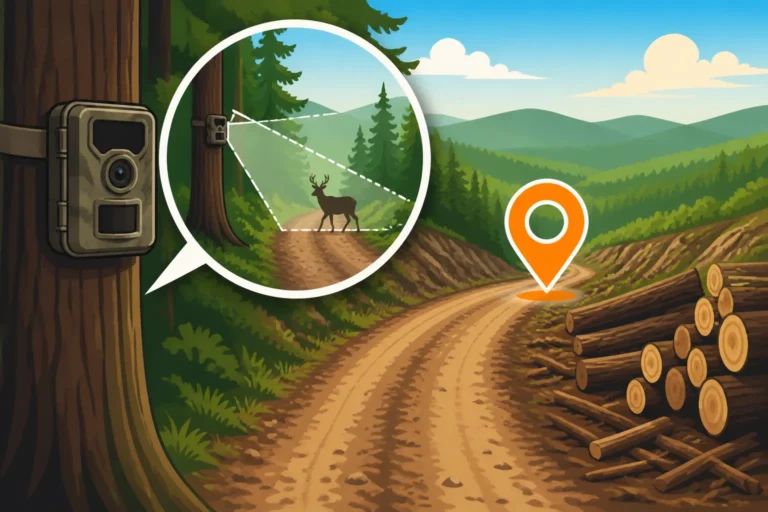
- Remote Camera System: This is non-negotiable for smart traps. A good cellular trail camera, like those from Moultrie or Spypoint, allows you to monitor the trap site 24/7 from your phone. You'll need decent cell service in your trapping area for this to work. You can use platforms like GoHunt for scouting and identifying areas with good cell coverage before deploying equipment. Read our guide on Trail Camera Rules on West Virginia Public Land for more information.
- Bait: This is your primary attractant. Corn is king, but you can enhance it. More on that in the next section.
- Fencing Pliers/Zip Ties/Wire: For securing panels and making minor repairs.
- ATV/UTV (optional but helpful): For transporting heavy panels to remote locations.
Pre-Baiting and Acclimating Hogs
This is arguably the most crucial step and where many beginners fail. You can't just set up a trap and expect hogs to waltz in. You need to earn their trust and get them comfortable with the location, and even the trap structure itself.
- Locate the Hogs: Before you even think about setting up panels, identify where the hogs are currently feeding and traveling. Look for rooting, tracks, and scat. A good scouting app or aerial photos can help you pinpoint prime locations, perhaps near a known creek bottom or a white oak stand.
- Start with "Free Meal" Baiting: Begin by scattering bait (whole kernel corn is ideal) outside the intended trap location. Don't even bring the trap panels yet. This establishes a reliable food source and gets them accustomed to coming to that spot. Do this for several days, or even a week, until they are regularly hitting the bait.
- Introduce the Trap Panels (but no gate): Once they're consistently feeding, set up your trap panels, but leave the gate wide open, or even removed entirely if possible. Continue to bait heavily, scattering corn both inside and outside the ring. The goal is for them to walk in and out of the "trap" without any fear or suspicion. They need to learn that this structure is a safe place to eat. This acclimation period can take days, or even weeks, depending on how wary the hogs are.
- Install the Gate (still open): Once they are freely moving in and out of the open trap, install your gate, but secure it in the open position. Keep baiting inside and around the gate. They need to get used to the gate itself before it's ever closed.
- Monitor with Cameras: Use your cellular trail cameras to confirm that the entire sounder, including sows and piglets, is regularly entering and feeding inside the open trap. This is where a good GoHunt map layer showing property boundaries and public land can be invaluable for ensuring you're setting up legally and effectively. Only when you see all desired hogs inside and feeding confidently, multiple times, are you ready for the next step.
Patience is your biggest weapon here. Rushing the pre-baiting phase will only lead to trap-shy hogs and wasted effort.
Advanced Trapping Strategies and Best Practices
Once you've mastered the basics of trap setup and pre-baiting, you can fine-tune your approach with advanced tactics. These strategies are often what separate a good trapper from a truly successful one.
Smart Camera Systems and Remote Triggers
Modern technology has revolutionized hog trapping. Gone are the days of driving out to check a trap multiple times a day, only to find you've caught a single raccoon or missed the main sounder.
- Real-time Monitoring: A good cellular camera setup, paired with a remote gate system, means you're literally watching the hogs gather in your trap from your phone. You can be at home, at work, or even on another hunt, and receive instant notifications when motion is detected. This allows you to observe the sounder's behavior, confirm all target animals are inside, and then, with a simple tap on your smartphone app, remotely trigger the gate closure. This is a game-changer for maximizing whole sounder capture.
- Battery Life and Connectivity: Always ensure your camera and gate system have robust batteries, ideally supplemented with solar panels, especially in West Virginia's unpredictable weather. Check signal strength at your chosen trap location before deploying. Some areas in the mountains have notoriously spotty service, so using a mapping tool like GoHunt that shows cell coverage can be very helpful during scouting.
- Placement is Key: Position your camera facing the interior of the trap, high enough to get a clear view of the gate and the entire feeding area. Secure it well, as hogs can be destructive.
Using Scents and Attractants
While corn is the primary bait, you can supercharge its appeal with various enhancements. Hogs have an incredible sense of smell, and a strong attractant can draw them in from a distance.
- Sour Corn: This is a classic for a reason. Soaking corn in water for several days until it ferments creates a potent, pungent aroma that hogs can't resist. Just be mindful of the smell – it's not pleasant for humans!
- Anise Oil/Extract: A few drops of anise oil mixed into your corn or smeared on trees around the trap can be highly effective. Hogs seem to have a natural curiosity for the licorice-like scent.
- Liquid Smoke: Another popular additive. The smoky smell can mimic natural food sources or even cover up human scent around the trap.
- Sweet Drinks: Some trappers swear by mixing powdered drink mixes (like Kool-Aid) or sweet sodas into their corn. The sugar content and artificial flavors can add to the appeal.
- Commercial Attractants: Many companies sell specialized hog attractants in liquid or granular form. These often contain strong scents like cherry, apple, or a musky hog pheromone.
Pro Tip: Don't dump all your bait in one pile. Scatter it around inside the trap, and even a little outside, to encourage the hogs to mill around and spend more time inside the trap area. This increases the chances of getting every hog in the sounder.
Dealing with Trap-Shy Hogs
Even with the best strategies, some hogs, especially older boars or those that have had previous negative encounters with traps (or hunters), can be incredibly wary. These "trap-shy" hogs require extra patience and cunning.
- Extended Pre-Baiting: For trap-shy sounders, extend your pre-baiting period significantly. It might take weeks for them to fully trust the setup. Be patient, even if it feels tedious.
- Remove the Gate (Again): If hogs are consistently approaching the trap but refusing to enter, try removing the gate entirely for a few days or a week. Let them get completely comfortable entering and exiting without any obstruction. Then, slowly reintroduce the gate, secured open, as before.
- Change Bait Presentation: Experiment with different bait mixes or presentation. Maybe they're tired of plain corn. Try adding something new or even burying some bait slightly to encourage rooting inside the trap.
- Mimic Natural Features: If possible, try to make the trap blend in more with its surroundings. Use natural brush or logs to camouflage the entrance or the panels, as long as it doesn't impede the gate mechanism.
- Pheromone Lures: Commercial hog pheromone lures might help to draw in wary individuals, especially if they perceive other hogs have been there.
- Consider a Different Location: Sometimes, a sounder is simply too educated at one spot. If repeated efforts fail, it might be more effective to move the entire trap system to a new location where the hogs are less wary. This requires more effort, but it can be worth it.
Remember, a trap-shy hog isn't impossible to catch; it just requires more dedication and a willingness to adapt your tactics.
Regulations, Safety, and Ethical Considerations
Trapping feral hogs in West Virginia isn't just about strategy and equipment; it's also about understanding the rules, ensuring your safety, and acting ethically. Ignorance of the law is no excuse, and responsible trapping protects both you and the resource.
West Virginia's Year-Round Hog Rule on Private Land
One of the most important things to know is West Virginia's very liberal approach to feral hog management on private land. The West Virginia Division of Natural Resources (WVDNR) recognizes the destructive nature of these animals and considers them an invasive species. As such, there is generally a West Virginia's Year-Round Hog Rule on Private Land.
- No Closed Season: On private land, there is no closed season for feral hogs. You can trap them year-round.
- No Bag Limit: There is no bag limit on private land. The goal is eradication, so take as many as you can.
- No License Required (on your own land): If you are trapping on your own property, you typically do not need a hunting license. However, if you are trapping on someone else's private land, even with permission, you might need a valid West Virginia hunting license. Always double-check the latest WVDNR regulations, as rules can change.
- Methods: Trapping, hunting, and even Night Hunting Hogs With Lights on Private Land are permitted methods on private land, with specific considerations for weapon types and local ordinances.
It's absolutely critical to stay informed. The WVDNR website is your best friend for the most up-to-date and specific regulations.
Public Land Considerations and Rules
Trapping feral hogs on public lands in West Virginia is a much more complex and often restricted endeavor. While Hunting West Virginia's Year-Round Feral Hogs is permitted in some instances, trapping typically falls under stricter guidelines.
- Permits Required: On most Wildlife Management Areas (WMAs) and National Forest lands, deploying traps of any kind generally requires special permits from the managing agency (WVDNR, U.S. Forest Service, etc.). These permits are not always easy to obtain and often involve specific requirements regarding trap design, reporting, and non-target animal safeguards.
- No Unauthorized Trapping: Never assume you can set traps on public land without explicit permission. Doing so can lead to significant fines, confiscation of equipment, and legal trouble.
- Check Specific WMA Rules: Each WMA might have its own localized rules regarding hog management. Always check the specific regulations for the WMA you are interested in.
- Safety Zones: Be mindful of recreational users on public land. Even if you have a permit, placing traps near trails, campgrounds, or popular recreation spots can create public safety hazards.
If you're considering public land trapping, your first call should be to the local WVDNR office or the appropriate federal land management agency to inquire about possibilities and requirements. It's often easier to focus initial trapping efforts on private land.
Safety Protocols and Humane Dispatch
Safety should always be your top priority when dealing with feral hogs. They are powerful, dangerous animals, and a trapped hog can be extremely aggressive.
- Approach with Caution: Never enter a trap with live hogs. They are unpredictable. Approach the trap slowly and from a safe distance to assess the situation.
- Secure the Trap: Before attempting to dispatch, ensure the trap gate is securely locked and cannot be accidentally opened.
- Humane Dispatch: The most humane and safest method of dispatch is a shot to the brain. This requires a firearm and a clear, steady shot. A .22 long rifle or handgun is sufficient for headshots, but always confirm your local ordinances and personal comfort with a firearm.
- Eye Protection and Gloves: When handling a dispatched hog, wear eye protection and sturdy gloves. Hogs can carry diseases like brucellosis and pseudorabies, which can be transmitted to humans.
- Buddy System: Whenever possible, trap with a partner. Having an extra set of hands and eyes is invaluable, especially when transporting or dispatching animals.
- Field Dressing Safety: If you plan to process the hog for meat, do so in a clean environment and use sharp, sterile knives. Be aware of potential disease indicators (e.g., abscesses, lesions). For more info, check our article on Handling Venison From a CWD Containment Area – while not deer, some disease considerations can overlap.
Ethical considerations also extend to how you manage trapped animals. The goal is eradication, but it should be done humanely and efficiently. Release of trapped hogs into new areas is strictly illegal and unethical, as it simply spreads the problem further. You can learn more about the broader rules in West Virginia Feral Hog Regulations.
Monitoring, Maintenance, and Dealing with Captured Hogs
Setting the trap is only half the battle. Regular monitoring, proper maintenance, and knowing how to handle the aftermath are critical for successful long-term hog control. This isn't a "set it and forget it" operation; it requires ongoing commitment.
Regular Trap Checks and Maintenance
Just like checking your mailbox, you need to check your traps consistently. With modern remote camera systems, this can often be done from afar, but physical checks are still important.
- Daily Monitoring (Remote): If you're using a cellular camera and remote trigger, you should be checking your phone for notifications multiple times a day. As soon as you see a sounder enter, wait for all hogs to be inside and then trigger that gate!
- Frequent Physical Checks: Even with remote monitoring, periodic physical checks of your trap site are essential.
- Bait Replenishment: Ensure you have enough bait to keep hogs coming. If you've caught a sounder, you'll need to re-bait for the next one.
- Equipment Check: Inspect the trap panels for damage, especially after a capture. Hogs are incredibly strong and may try to bust out. Check the gate mechanism, battery, and solar charger for proper function. Wires can fray, batteries can die, and panels can bend.
- Weather Impact: Heavy rains can wash away bait or flood low-lying trap areas. Snow and ice can impede gate function. Adjust your baiting and maintenance schedule to account for West Virginia's variable weather.
- Non-Target Animals: While well-designed hog traps minimize non-target captures, occasionally you might find other animals. If you've caught a deer, bear, or domestic animal, you need to safely and quickly release it. This underscores the importance of daily checks.
Processing and Carcass Disposal
Once you've successfully trapped and dispatched hogs, you have decisions to make about the carcasses. Many hunters enjoy wild hog meat, but proper handling is key.
- For the Table: Feral hog meat, particularly from younger animals, can be delicious. It's often leaner than domestic pork but has a rich, wild flavor. If you plan to process the meat, cool it quickly, field dress it properly, and get it on ice or in a cooler as soon as possible, especially in warmer weather. Remember the potential for disease, and if anything looks suspicious (e.g., abnormal growths, discolored organs), it's best to discard the meat. Thorough cooking is always recommended. Our article on Butchering a Deer at Camp can provide some transferable tips for field processing.
- Carcass Disposal: If you don't intend to consume the meat, responsible carcass disposal is critical.
- Burying: Burying the carcass deep enough to prevent scavengers from digging it up is a common and effective method, especially on private land.
- Landfill: Some local landfills may accept animal carcasses. Check with your local waste management facility.
- Burning: In some rural areas, controlled burning of carcasses may be an option, but this must be done safely and in compliance with all local fire regulations. Never burn carcasses near structures or in dry conditions where a wildfire could start.
- Leaving for Scavengers (with caution): While nature will take its course, simply leaving multiple hog carcasses exposed can attract other scavengers to your property and create an unpleasant odor. It's generally not the preferred method, especially if you have neighbors or frequent the area.
- Biosecurity: After handling any feral hog, thoroughly clean and disinfect all equipment, clothing, and vehicles to prevent the potential spread of diseases.
Preventing Future Infestations
Trapping is an ongoing battle, not a one-time event. Even after a successful sounder removal, new hogs can move into the area. Long-term control requires vigilance.
- Maintain Traps (or be ready to deploy): Keep your trap system in good working order, even if not actively deployed. New hogs can appear quickly.
- Monitor for New Sign: Regularly scout your property or hunting area for new hog sign. Even a single track can indicate a new threat. Utilize tools like GoHunt to scout aerial maps for potential travel corridors and food sources that new hogs might exploit.
- Collaborate with Neighbors: Feral hogs don't respect property lines. Coordinate with neighboring landowners to create a larger, more effective control zone. A collective effort is always more impactful.
- Secure Food Sources: If you have agricultural fields or food plots, consider fencing off particularly vulnerable areas. While hogs are persistent, making access more difficult can deter them.
- Understand Their Movement: Hogs are highly nomadic, and knowing their general patterns, such as those related to Feral Swine Genetics and Origin can help anticipate new incursions. Pay attention to mast crop cycles and seasonal water availability, as these influence hog movement. Being proactive and staying informed is your best defense against these tenacious invaders.
Disclaimer
Please be aware that hunting and trapping regulations in West Virginia can change. Always consult the latest West Virginia Division of Natural Resources (WVDNR) official publications or website for the most current rules and regulations before engaging in any hunting or trapping activities. This guide is for informational purposes only and does not supersede state law.