Grant County CWD Zone Public Ground
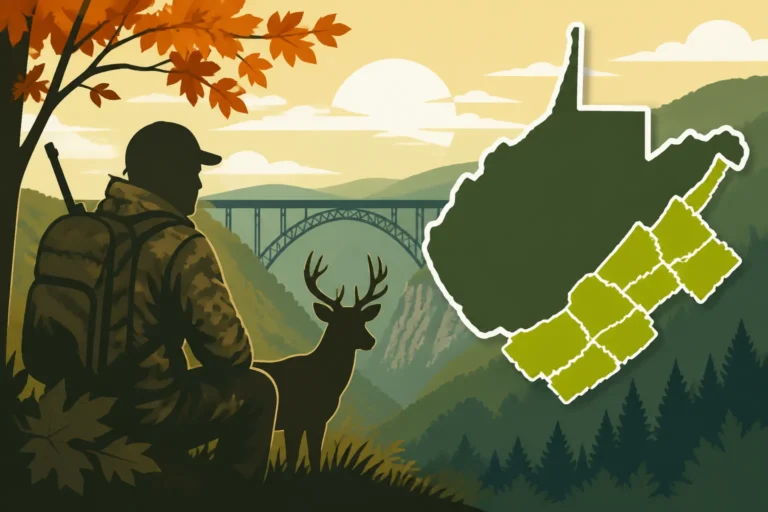
Many West Virginia hunters feel a knot in their stomach when they hear "CWD zone." The added layer of complexity, the worry about the herd, and the confusion around specific regulations can make planning a hunt feel like a daunting task, especially when you're targeting public land. If you're looking to hunt deer in Grant County, which is unfortunately part of West Virginia's Chronic Wasting Disease (CWD) containment area, understanding the nuances of public ground in this region is absolutely critical for a successful and compliant season. This guide will walk you through what you need to know to navigate Grant County's public hunting opportunities within the CWD zone.
Understanding the CWD Landscape in Grant County
Grant County, nestled in the beautiful Potomac Highlands, is a prime example of where the reality of Chronic Wasting Disease intersects with fantastic hunting opportunities. For many of us, the news that CWD has been detected in our favorite hunting grounds brings a mix of frustration and concern. You might wonder if it's even worth the effort, or how it changes everything you thought you knew about hunting here. The truth is, CWD does add new considerations, but it doesn't eliminate the excellent public land hunting that Grant County offers. Instead, it demands a more informed and responsible approach from every hunter.
When CWD was first detected in West Virginia, it changed the game for hunters, and the story of Why Grant County Joined the CWD List in 2025 is one many of us have followed with heavy hearts. The disease is progressive, always fatal to deer, and its presence means that hunters become frontline partners in monitoring and managing its spread. For hunters in Grant County, this isn't just about reading a pamphlet; it's about altering habits, understanding new mandates, and playing a vital role in the health of the deer herd we all cherish. The emotional toll can be real – the thought of our cherished deer herd facing such a serious threat is unsettling. It's a stark reminder that our responsibilities as hunters extend far beyond the shot.
The biggest shift, perhaps, is the added responsibility regarding carcass handling. It's not just about getting your deer home; it's about preventing the further spread of CWD to other counties. The state has implemented strict rules to manage this, and understanding West Virginia Carcass Movement Restrictions is paramount. Essentially, you can't just take a whole deer carcass out of the CWD containment area, which includes all of Grant County, without following specific processing requirements. This means you'll need to process your deer either within the zone, leaving the high-risk parts (brain, spinal cord, etc.) behind, or having it processed by a certified facility within the CWD zone. This can be an inconvenience, especially for those who travel from outside the area or prefer to do all their butchering at home, but it's a necessary step to protect deer populations in other parts of the state. It might mean bringing extra processing gear, like a sharp knife kit and game bags, or making arrangements with local processors, adding another layer to your hunting logistics that you might not have considered before. It's an adjustment, but it's an important one.
Key Public Hunting Opportunities in Grant County's CWD Zone
Despite the CWD challenges, Grant County offers a surprising amount of public ground that's ripe for exploration. When you look at a map, the sheer amount of green can be encouraging, but knowing where to focus your efforts is key. Grant County falls squarely within the beautiful and rugged Hunting the Potomac Highlands, a region known for its steep ridges, deep hollows, and mixed hardwood forests. This landscape provides excellent habitat for deer, and even with CWD present, these areas still hold plenty of animals. Don't let the CWD designation make you think the hunting isn't good; the challenge just becomes a bit more complex.
-
Monongahela National Forest
A significant portion of the Monongahela National Forest extends into Grant County, offering vast tracts of public land. This isn't your flat, easy-to-walk ground; it's classic West Virginia mountain hunting at its finest. We're talking about extensive timber, challenging climbs, and remote areas where you can really get away from the crowds and find solitude. You'll find a mix of oak and hickory stands, prime for acorn-seeking deer, especially during the early archery and gun seasons when that mast crop is falling. The challenge here is the sheer scale and the rugged terrain, which means proper planning and physical preparation are essential. This is where tools like onX Hunt or GoHunt truly shine. I can't stress enough how much easier it is to navigate these vast areas with a good mapping app. It allows you to identify potential bedding areas, hidden travel corridors, and even locate water sources that might be bottlenecks for deer movement, all before you even step foot in the woods. These maps become your best friend in such expansive and challenging territory, helping you conserve energy and hunt smarter. -
Small, Unnamed Public Access Points
Beyond the big names like Monongahela National Forest, Grant County also has numerous smaller, often less-publicized public access points or state-owned parcels. These can be goldmines, as they tend to receive less hunting pressure than the more obvious access points. Finding these often requires a keen eye on detailed topographical maps or using features in digital mapping tools like onX Hunt to identify smaller state-owned pieces of land nestled among private tracts. While they might not be huge, these smaller parcels can offer incredible opportunities for a quick morning or evening hunt, or serve as excellent staging grounds to access larger, more remote areas that are otherwise difficult to reach. Always double-check boundaries, as trespassing on adjacent private land is a serious offense and something to avoid at all costs. An app like GoHunt can display property lines clearly, giving you peace of mind.
When you're looking at these public areas, remember to consider elevation changes and aspect. Deer will often gravitate to benches on steep slopes or particular drainages depending on weather and pressure. Hunting Steep Allegheny Ridges can be incredibly productive, but it demands a different strategy than hunting flatland. Think about how the wind and thermals will play into your approach, especially in the mornings as the sun hits the east-facing slopes and draws thermals upward, or in the evenings as cool air descends into the hollows, pushing your scent down. Your approach, your stand location, and your exit route all need to be carefully considered with these natural forces in mind.
Navigating Regulations and Access for Public Land in a CWD Zone
Hunting public land in Grant County's CWD zone means you're not just dealing with the typical state hunting regulations; you've got an extra layer of CWD-specific rules to follow. It's easy to get overwhelmed, but breaking it down makes it manageable. The key is knowing before you go and having a plan for after the shot. Trying to figure it all out on the tailgate of your truck with a harvested deer waiting is a recipe for stress and potential non-compliance.
-
Mandatory Testing and Sampling
This is probably the most significant CWD-specific regulation. In CWD containment areas, including Grant County, there are often periods of Mandatory Testing Inside the CWD Containment Area for harvested deer. This means that after you successfully harvest a deer, you'll need to submit its head for CWD testing. This isn't just a suggestion; it's a requirement to aid in disease monitoring. The state uses this data to track the prevalence and spread of the disease, which is crucial for managing the herd and developing effective long-term strategies. It adds a step to your post-harvest routine, requiring a trip to a designated sampling station, but it's a critical contribution to wildlife conservation and the health of the entire deer population. Knowing Finding a West Virginia CWD Sampling Station ahead of time will save you a lot of headache and potentially a long drive with a deer head in the back of your truck. These stations are typically staffed during peak gun season, but year-round drop-off points may be available, so always check the current WVDNR guidelines before your hunt. It's your responsibility to be informed. -
Firearms, Safety, and General Public Land Rules
Beyond CWD, all standard West Virginia hunting regulations apply. Make sure your chosen weapon is legal for deer in the state; consult the rules for West Virginia Legal Firearms for Deer Hunting. For safety, especially on public land where other hunters will inevitably be present, wearing adequate How Much Blaze Orange West Virginia Requires is non-negotiable during gun seasons. It's a simple, effective way to ensure you're seen and stay safe in crowded woods. When it comes to how you hunt, remember that public land comes with its own set of etiquette and rules that preserve access for everyone. For instance, while you can hang a treestand, there are specific Treestand Rules on West Virginia Public Land you must adhere to, such as ensuring it's clearly marked and removed at the end of the season. Similarly, Trail Camera Rules on West Virginia Public Land dictate when and where you can place cameras, often requiring them to be clearly marked with your contact information. Always respect these rules to ensure public land remains accessible and enjoyable for everyone. -
Using Technology for Compliance
This is where modern hunting apps become indispensable. I personally rely heavily on tools like onX Hunt or GoHunt. These apps allow you to overlay public and private land boundaries, identify CWD zones, and even mark potential sampling stations. Before I head out, I'm downloading offline maps for areas with spotty cell service, marking access points, and scouting satellite imagery for likely deer sign and potential stand locations. Knowing exactly where property lines are is incredibly important when you're hunting smaller public parcels or areas that border private land. There's nothing worse than realizing you've accidentally stepped onto posted property, or worse, set up your stand on private ground. These apps can prevent that anxiety and keep you compliant and stress-free.
| Regulation Aspect | Inside CWD Containment Area (Grant Co.) | Outside CWD Containment Area |
|---|---|---|
| Deer Carcass Movement | Restricted; parts must be removed/processed within zone, or tested | Generally unrestricted (check local rules) |
| Mandatory CWD Testing | Required during specific seasons/periods | Voluntary, unless otherwise specified |
| Blaze Orange | Required during gun seasons | Required during gun seasons |
| Treestand/Blind Rules | Must be removed seasonally (public land) | Must be removed seasonally (public land) |
| Firearms Legality | Standard WV legal firearms for deer | Standard WV legal firearms for deer |
Tactical Approaches for Hunting Grant County's CWD Public Ground
Hunting in a CWD zone, particularly on public land, means your tactics need to be sharp and adaptable. You're not just trying to find deer; you're doing it in an environment with increased scrutiny and often, higher hunter pressure. But don't let that deter you! With the right approach, Grant County offers incredible experiences and the opportunity to hone your skills. It's about being a smarter, more deliberate hunter.
-
Scouting Smart in a CWD Zone
Pre-season scouting is always vital, but in a CWD area, it takes on a slightly different flavor. You're not just looking for rubs, scrapes, and feeding areas; you're also observing the overall health of the deer you see. While CWD isn't always visibly apparent, keep an eye out for any deer exhibiting abnormal behavior or looking unusually emaciated. Focus your efforts on finding Late-Season Food Sources for West Virginia Whitetails like lingering acorns, hard mast that has fallen more recently, or even browse on south-facing slopes that might get more sun and offer tender growth. Deer will concentrate around these resources, especially as the weather gets colder and other food sources diminish. Scouting on foot, without leaving a heavy footprint, helps you understand deer movement patterns without pushing them off their routines. I often use trail cameras to monitor these spots, adhering strictly to Trail Camera Rules on West Virginia Public Land and always checking them for visible signs of deer health as much as for antler growth. -
Minimizing Hunter Pressure
Public land, by its very nature, can attract more hunters than private ground. Grant County is no exception, especially during peak rifle season. However, there are proven ways to find less-pressured areas. Don't be afraid to walk further than most. The vastness of the Monongahela National Forest, for example, means that if you're willing to put in the miles and tackle the steep terrain, you can often find pockets of deer that rarely see human disturbance. Finding Ground Others Walk Past is a key skill every public land hunter needs to develop. Look for areas that are difficult to access, perhaps requiring a long hike up a steep hollow or a tricky descent into a remote drainage that deters casual hunters. Even during peak seasons, many hunters stick close to roads and easily accessible trails. Consider hunting midweek if your schedule allows, as this often dramatically reduces competition for prime spots. Using mapping apps like onX Hunt to identify natural funnels created by topography, or benches far from any roads, can give you a significant advantage in finding those undisturbed deer. Remember, Hunting Pressure on West Virginia Public Land can drastically alter deer behavior, turning nocturnal or pushing them into thick cover, so finding those secluded spots is paramount for success. -
Adapting to Terrain and Weather
The Potomac Highlands are rugged, and Grant County embodies this perfectly. Your hunting tactics need to account for dramatic elevation changes and often unpredictable weather. Wind and Thermals on a Steep Ridge are not just minor details; they dictate how deer move and how you should approach your stand. Mornings typically see thermals rising as the sun warms the air, pulling scent uphill, while evenings see them falling into the hollows as the air cools. Understanding this is crucial for setting up your stand or planning a still-hunt. After a fresh snowfall, Reading a Hollow for Deer Movement After Snow can reveal distinct travel corridors that weren't obvious before. Don't forget proper gear for the conditions – layering is key to staying comfortable in fluctuating mountain temperatures, and good boots with ankle support are an absolute must for navigating the steep, rocky, and often slick terrain. I always carry trekking poles when hunting these mountains; they save your knees on the descents, help you maintain balance on uneven ground, and can even assist in dragging a deer out of a tough spot.
Hunting in Grant County's CWD zone on public land is a unique challenge, but it's a rewarding one. It tests your knowledge, your preparation, and your commitment to ethical and responsible hunting. By understanding the regulations, utilizing available resources like mapping apps, and adapting your tactics to the specific environment, you can absolutely find success and contribute to the long-term health of West Virginia's deer herd.
Disclaimer
This article is for general informational purposes only and does not constitute professional advice. Laws, prices and regulations vary by location and change over time. Consult a qualified professional for guidance on your specific situation.