National Forest Camping Near Your Stand
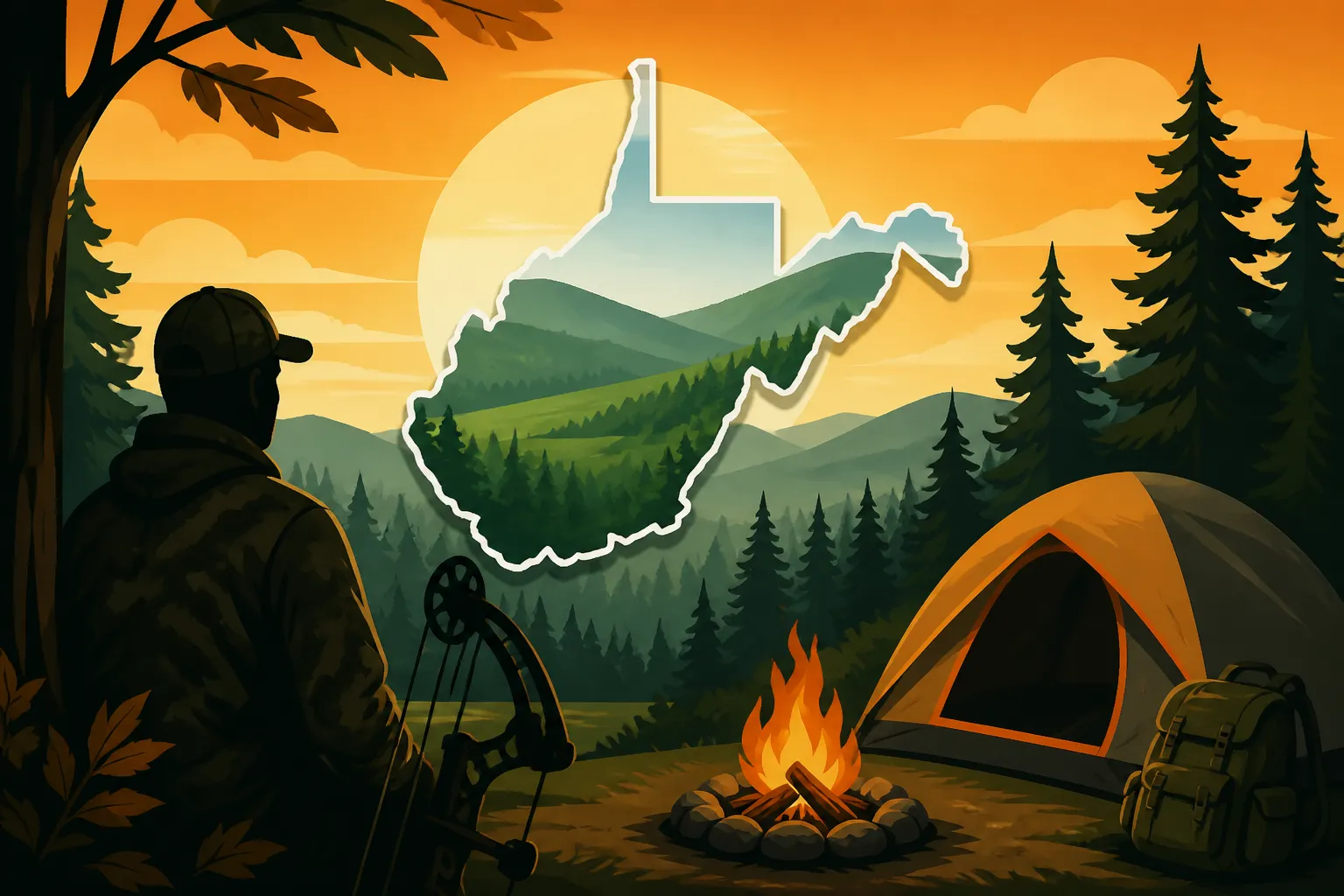
There's nothing quite like the dream of rolling out of your sleeping bag, stepping right into your hunting boots, and being just a few short steps from your chosen stand location in West Virginia's vast national forests. Many hunters struggle with the daily commute, sacrificing precious early morning and late evening hunting time to travel to and from their chosen spots. This guide will walk you through the ins and outs of national forest camping, specifically focusing on how to set up a camp that keeps you close to the action, maximizes your time afield, and deepens your connection to the wild.
The Appeal of Camping Near Your Stand in West Virginia National Forests
When you choose to camp deep within a national forest, especially when targeting a specific hunting area, you're not just finding a place to sleep; you're fundamentally changing your entire hunting strategy. It transforms the experience from a daily commute to a full immersion. The logistical advantages alone are enough to sway many, but there's a profound, almost spiritual, benefit to being truly connected to the landscape you're hunting.
Maximizing Time in the Woods
One of the biggest frustrations for any hunter, particularly those with demanding jobs or long travel times, is the constant battle against the clock. Imagine getting up before dawn, driving an hour or more, then walking another mile or two to your stand. By the time you settle in, the prime minutes of legal shooting light might already be slipping away. Then, after an evening hunt, you're looking at the reverse trip, often exhausted and in the dark.
Camping right near your stand completely eliminates this time sink. You can wake up, grab a quick cup of coffee, and be in your stand within minutes, long before the first hint of daylight paints the eastern sky. This means you're there for those critical first and last moments when deer, bear, and turkey are most active and vulnerable. It allows for longer, more focused sits, without the nagging thought of the drive ahead. It also means you can stay later, pushing the boundaries of legal shooting hours, knowing your bed is just a short walk away. For those hunting deer during the peak of the rut, being able to hunt a ridge-top saddle at first light or Hunting a Ridge-Top Saddle for Rutting Bucks and then slip back to camp for a quick bite before an afternoon hunt is an incredible advantage.
Immersing Yourself in the Wild Experience
Beyond the practical benefits, there's an undeniable allure to truly living in the landscape you're hunting. The crackle of a campfire, the hoot of an owl, the rustle of leaves as a unseen creature passes by—these aren't just sounds; they're integral parts of the hunting experience. When you're camping, you're not just visiting the woods; you're living in them.
This immersion deepens your connection to the environment. You become more attuned to the rhythms of the forest. You notice the subtle shift in wind and thermals on a steep ridge, the way the light filters through the canopy, the tracks and sign that might be missed during a rushed day trip. It's an opportunity to truly unplug from the distractions of modern life and reconnect with something primal. This isn't just about bagging an animal; it's about the entire journey, the challenge, the quiet contemplation, and the profound sense of peace that comes from being truly wild. Whether you're chasing bears in the remote Cranberry Backcountry or looking for deer deep within the Monongahela National Forest Hunting, an overnight stay only enhances the adventure.
Navigating Regulations for National Forest Camping
Hunting in a national forest comes with the incredible privilege of vast public land, but it also comes with responsibilities and specific rules, especially when it comes to camping. You can't just pitch a tent anywhere, and understanding the nuances of dispersed camping versus designated campsites is crucial to avoiding fines and ensuring a positive experience for everyone.
Understanding Dispersed Camping Rules
"Dispersed camping" is the term for camping outside of a designated campground, typically without amenities like picnic tables, fire rings, or restrooms. It’s what most hunters envision when they think of camping near their stand. In national forests, dispersed camping is generally permitted, but with important caveats.
First and foremost, you must always be aware of any local fire restrictions, especially during dry periods. A campfire ban can quickly put a damper on your plans. Second, the "Leave No Trace" principles are not just suggestions; they are the law of the land. Pack out everything you pack in, and minimize your impact on the environment. This means no digging trenches around your tent, no cutting down live trees for firewood, and properly disposing of human waste at least 200 feet from water sources and trails.
Crucially, pay attention to specific restrictions in certain areas. Some sensitive ecological zones, high-use areas, or areas with specific wildlife management concerns might have prohibitions or special permits required for dispersed camping. Always check with the local National Forest Ranger District office for the most up-to-date regulations before heading out. They can inform you of any closures, fire bans, or special rules that might apply to the specific area you plan to hunt, like around the Spruce Knob Backcountry Access or near specific WMAs.
Designated Campsites vs. Backcountry Stays
While dispersed camping offers the ultimate flexibility, designated campgrounds also have their place, especially for families or those who prefer a few more creature comforts. These campgrounds typically offer amenities like vault toilets, potable water (sometimes), and established fire rings. They also often come with a small fee.
The trade-off, of course, is that you're usually not "near your stand" in the same way as dispersed camping. You'll likely still have a drive or a longer walk to your hunting spot from a designated campground. However, if you're hunting an area where dispersed camping is heavily restricted, or if you simply prefer the security and convenience of a developed site, they are a solid option. They're also great for base camps if you plan to hunt multiple areas over several days.
| Camping Type | Amenities | Cost | Proximity to Stand (Typically) | Impact | Regulations |
|---|---|---|---|---|---|
| Dispersed Camping | None (primitive) | Free | Very close | Low (if done responsibly) | Strict Leave No Trace, fire bans, local rules |
| Designated Campsite | Toilets, water, fire ring (sometimes) | Fee applies | Longer walk/drive | Moderate | Site-specific rules, quiet hours, booking |
When planning, consider the balance between convenience and regulation. A quick check on the forest service website or a call to the ranger station can save you a lot of headache. Understanding Camping Rules on West Virginia National Forest Land is paramount for a successful and legal trip.
Practical Logistics for Your Camp-and-Hunt Setup
Successfully combining camping with hunting isn't just about finding a spot; it's about careful planning and having the right gear. Your objective is to create a comfortable, efficient, and low-impact base from which to hunt, ensuring you can focus on the pursuit of game rather than battling discomfort or logistical nightmares.
Choosing Your Campsite Wisely
The location of your campsite is nearly as important as the location of your stand. You want it close enough to your hunting area to minimize travel time but far enough away that your presence doesn't disturb game movement. A good rule of thumb is to be at least a few hundred yards from your stand, and ideally, not directly on a primary travel corridor for deer or other animals.
Look for natural features that offer shelter and concealment. A thick stand of pines can offer protection from wind and rain. A slight rise in terrain might keep you dry in heavy downpours. Avoid setting up camp in low-lying areas or creek bottoms, which can become waterlogged or experience cold air inversions, making for an uncomfortable night. Consider what kind of tree cover is overhead – avoid dead trees or "widowmakers" that could fall in a storm. Think about water access: do you have a reliable, treatable water source nearby, or will you need to pack in all your water? Also, consider your approach and exit routes to your stand, ensuring they are quiet and don't spook game. National Forest Camping Near Your Stand means considering your impact on the animals you're pursuing.
Minimal Impact Camping and Leave No Trace
The principles of Leave No Trace are especially vital when dispersed camping in a hunting context. Our goal as hunters is to be part of the ecosystem, not to disrupt it. This means leaving no physical evidence of your stay.
- Plan Ahead and Prepare: Know the regulations, anticipate weather, and pack appropriate gear.
- Travel and Camp on Durable Surfaces: Stick to established trails where possible. When dispersed camping, choose a spot that can withstand your presence without being permanently altered – think bare ground, rock, or durable leaf litter. Avoid fragile vegetation.
- Dispose of Waste Properly: Pack it in, pack it out. This includes all trash, food scraps, and even toilet paper. Bury human waste in a cat hole 6-8 inches deep and at least 200 feet from water, camp, and trails.
- Leave What You Find: Don't build structures, dig trenches, or remove natural objects.
- Minimize Campfire Impacts: If fires are permitted, use established fire rings if available. Otherwise, use a small, contained mound fire. Ensure the fire is completely out and cold to the touch before leaving.
- Respect Wildlife: Observe animals from a distance. Never approach or feed them. Store food securely to prevent attracting scavengers.
- Be Considerate of Other Visitors: This might mean choosing a more secluded spot if you know other hunters or hikers are in the area. Your pursuit of Shed Hunting on West Virginia Public Land or other activities should not impact others.
Adhering to these principles ensures that the wild places we cherish remain wild for generations to come.
Essential Gear for Comfort and Success
Your gear list for a camp-and-hunt trip will differ slightly from a pure backpacking trip, as hunting adds specific needs like weapon transport and game retrieval. Comfort is key when you're exerting yourself physically and spending long hours in a stand.
- Shelter: A lightweight, durable tent suitable for the expected weather. Consider a backpacking tent for easy packing. If you anticipate truly cold weather, a four-season tent might be warranted.
- Sleeping System: A warm sleeping bag rated for temperatures lower than you expect, and a good sleeping pad for insulation and comfort.
- Cooking System: A small, efficient backpacking stove, fuel, and a pot for boiling water or simple meals. Don't forget a lighter or matches.
- Water Filtration: A reliable water filter or purification tablets, along with bottles or a hydration bladder.
- Navigation: A GPS unit or a smartphone with reliable mapping apps like onX Hunt, and a physical map and compass as backup. Knowing Using Go Wild West Virginia Without Cell Service is crucial.
- Lighting: A headlamp with extra batteries is non-negotiable for navigating in the dark.
- First Aid: A comprehensive first aid kit suitable for remote wilderness.
- Hunting Gear: All your usual hunting essentials—weapon, ammunition/arrows, calls, binoculars, rangefinder, license/tags, blaze orange (if required).
- Game Care: Field dressing knife, game bags, cordage for hanging meat. Consider a lightweight deer drag or sled if anticipating a successful harvest in rough terrain.
- Clothing: Layered clothing appropriate for varying temperatures and conditions, including rain gear. Wool or synthetics are preferred over cotton.
- Food: High-energy, non-perishable food that's easy to prepare.
- Safety Whistle: For signaling in an emergency.
Remember, every ounce counts when you're packing into a remote spot. Focus on multi-use items and only bring what's truly essential.
Integrating Technology for Better Camping and Hunting
While the essence of hunting and camping in a national forest is about disconnecting, modern technology can be an invaluable tool when used wisely. It can enhance safety, improve navigation, and ultimately increase your chances of success, especially when you're aiming to maximize your time in the woods near your stand.
Mapping Apps for Site Selection and Navigation
In today's world, a smartphone with a robust hunting app like onX Hunt or GoHunt can be just as important as a physical compass, if not more so. These apps provide invaluable satellite imagery, topographical maps, and public/private land boundaries right in the palm of your hand.
When choosing a campsite near your stand, these apps allow you to:
- Scout from afar: Identify potential flat spots, water sources, and natural shelters using satellite views before you ever set foot on the ground.
- Mark exact locations: Pin your stand site, potential camp spots, and even water sources or escape routes. This is critical for finding your way back to camp in the dark after an evening hunt or navigating to your stand before dawn.
- Understand terrain: Topographical lines show steepness, helping you plan the quietest and most efficient routes between your camp and stand, especially when dealing with the challenging Hunting Steep Allegheny Ridges.
- Verify land ownership: Crucially, these apps clearly define public land boundaries, ensuring you're not inadvertently trespassing. This is especially important near the fringes of the national forest where private parcels might abut public ground. Always double-check onX Layers for West Virginia Land Status to be absolutely sure you're where you're supposed to be.
Before you head out, make sure to download offline maps for your hunting area. Cell service is notoriously spotty in many parts of West Virginia's national forests, and relying solely on a live connection is a recipe for getting lost.
Communication and Safety Considerations
While we're all looking for that escape from the daily grind, safety should never take a backseat. Being deep in a national forest, potentially alone, requires a heightened sense of awareness and preparation. Technology can bridge some of these gaps.
- Satellite Communicators: Devices like Garmin inReach or Zoleo offer two-way satellite communication, allowing you to send text messages, check in with loved ones, and, most importantly, send an SOS in an emergency, even when there's no cell signal. This is a significant upgrade from a simple emergency beacon, as it allows rescuers to communicate with you.
- Two-Way Radios: If you're hunting with a partner or a group and spread out, two-way radios can be indispensable for communication, especially when orchestrating a deer drive with Deer Drives With Three or Four Hunters or simply checking in on each other's status.
- Charged Devices: Always carry a portable power bank to keep your phone, GPS, and other critical electronics charged.
- Emergency Plan: Even with all the tech, have a low-tech backup plan. Share your detailed itinerary (where you're going, when you expect to return) with someone reliable who isn't with you. Carry a physical map and compass and know how to use them.
Remember, technology is a tool to enhance your safety and efficiency, not a replacement for wilderness skills and common sense. A dead battery makes even the most advanced device useless.
Conclusion
The allure of camping near your stand in West Virginia's national forests is undeniable. It's an experience that offers not just convenience but a deeper, more profound connection to the hunt and the wild spaces we cherish. By understanding and respecting the regulations of dispersed camping, planning your logistics carefully, embracing Leave No Trace principles, and thoughtfully integrating modern technology, you can create a truly memorable and successful hunting adventure. So, pack your bags, scout your spot, and get ready to trade that long drive for a short, quiet walk from your tent to your stand, experiencing the Mountain State's wilderness in a way few ever do.
Disclaimer
This article is for general informational purposes only and does not constitute professional advice. Laws, prices and regulations vary by location and change over time. Consult a qualified professional for guidance on your specific situation.