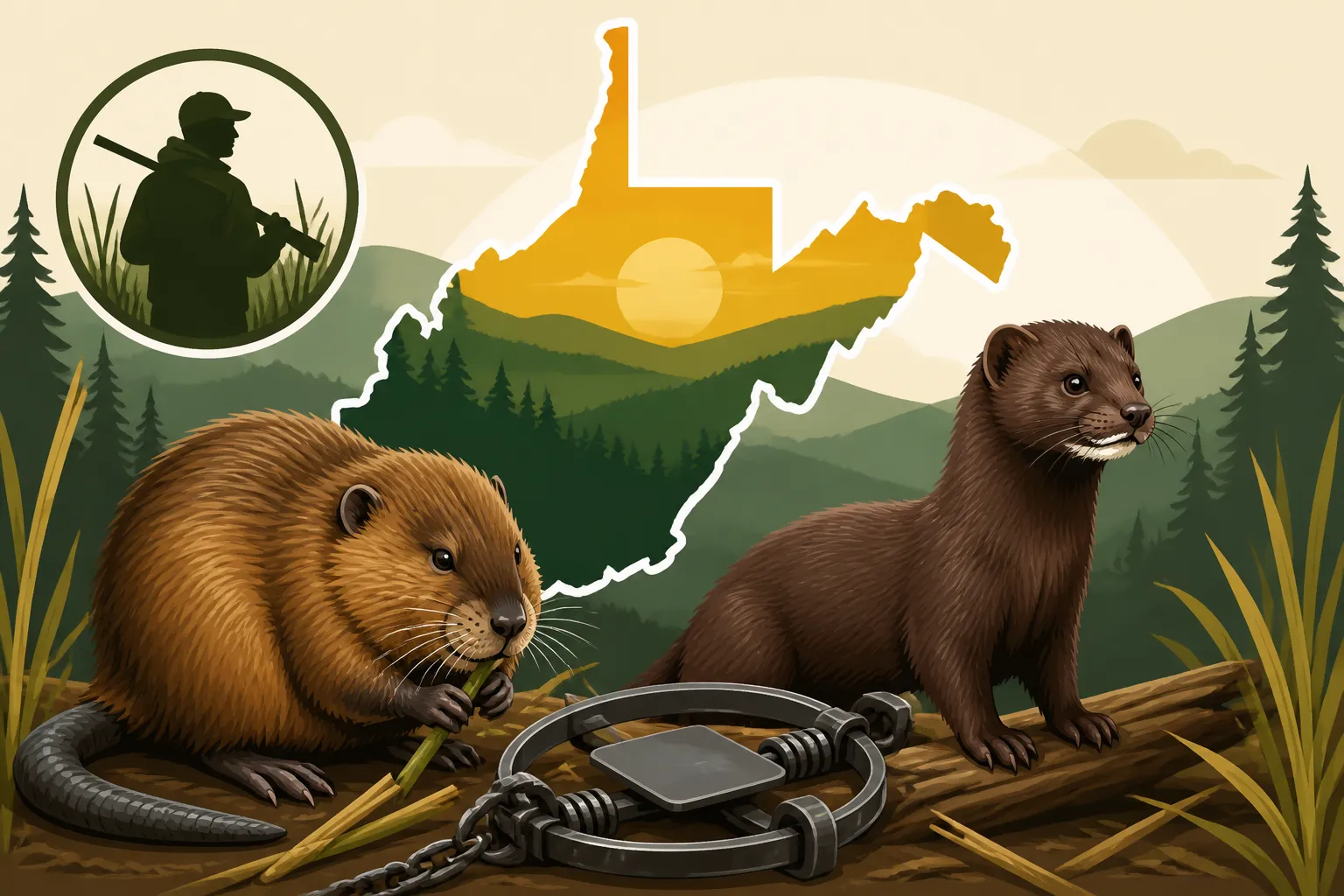
West Virginia Muskrat and Mink Trapping Trends
The winding creeks and quiet backwaters of West Virginia hold a fascinating, often overlooked world of furbearers, particularly the wily mink and the prolific muskrat. Many folks wonder about the pulse of these populations, what truly drives their numbers, and what it takes to succeed on a trapline today without falling afoul of regulations or chasing ghost trends. This guide delves deep into the current trapping trends for muskrats and mink in our beautiful Mountain State, exploring population dynamics, habitat, and the practicalities of a successful and ethical harvest.
Understanding West Virginia's Furbearer Landscape
West Virginia's diverse landscape, from the steep Allegheny ridges to the meandering river bottoms, provides a home for a variety of furbearers. Among the most popular for trappers, and certainly some of the most emblematic of our waterways, are the muskrat and the mink. These two species, while often found in similar habitats, have distinct characteristics and require different approaches for successful trapping. Understanding their natural history and current population status is the first step toward effective and ethical trapping.
Muskrat: The Engineer of the Wetlands
Muskrats are truly the engineers of our wetlands. You'll find them in almost any permanent body of water – slow-moving streams, farm ponds, beaver ponds, marshes, and even the quieter eddies of larger rivers. They build conical lodges out of vegetation in shallow water, or burrow into banks in deeper areas. These creatures are primarily herbivorous, feeding on aquatic plants, though they will occasionally supplement their diet with mussels or small fish. Their adaptability and prolific breeding nature mean they can quickly colonize new water sources, leading to fluctuating local populations based on water availability and habitat quality.
Currently, muskrat populations in West Virginia tend to be quite stable in suitable habitats. While large-scale wetland drainage like you might see in some agricultural states isn't as prevalent here, localized habitat changes, such as stream channelization or pond maintenance, can impact their numbers. When you see a good beaver population, you'll often find thriving muskrats, as beavers create excellent muskrat habitat with their dams and lodges. Learning to read the cuttings and runs around these water features is key to locating prime muskrat sign.
Mink: The Stealthy River Hunter
Mink are a different beast altogether – sleek, cunning, and fiercely carnivorous. They are intimately tied to water, much like muskrats, but their hunting habits mean they are constantly patrolling riparian zones, stream banks, and the edges of wetlands. While a muskrat might be content in a small farm pond, a mink prefers a territory that offers a variety of prey: muskrats, small mammals, birds, frogs, and fish. They are semi-aquatic but spend a good deal of time on land, especially along the water's edge, using undercut banks, log jams, and rock piles for dens and ambush points.
Mink populations in West Virginia are generally considered healthy, though perhaps less numerous than muskrats due to their position higher on the food chain and larger territorial needs. They are excellent indicators of healthy aquatic ecosystems, as their food sources depend on good water quality. Trends for mink can be a bit more sensitive to sustained droughts, which can consolidate their prey populations in smaller areas, or periods of intense predation by coyotes or bobcats, which are becoming more common in certain areas of the state. Understanding West Virginia Coyote Hunting Season Status can help trappers appreciate some of the other pressures on mink.
Key Factors Influencing Trapping Trends for Muskrat and Mink
Trapping isn't just about throwing out a few traps; it's a dynamic pursuit influenced by a complex interplay of environmental, economic, and social factors. For muskrats and mink in West Virginia, these factors dictate everything from population health to the number of trappers out on the line.
Habitat and Water Quality Changes
The most significant long-term factor affecting muskrat and mink populations is habitat availability and quality. Development pressure, even in rural West Virginia, can lead to wetland degradation or stream alteration. Think about new housing developments near growing towns, or road construction that requires rerouting natural waterways. These changes directly impact the homes of muskrats and the hunting grounds of mink. On the flip side, some agricultural practices that create stock ponds or conservation efforts to restore wetlands can create new opportunities.
Water quality is paramount. Muskrats rely on healthy aquatic vegetation, and mink rely on healthy populations of fish, frogs, and other small prey animals that depend on clean water. Issues like acid mine drainage, agricultural runoff, and pollution can devastate these food chains, even if the physical habitat remains. Trappers often find the best success in areas with pristine waterways, far from heavy human impact, which might lead them to public lands like those found by scouting Hunting Potomac Highlands Public Land or the numerous West Virginia Wildlife Management Areas. Using a tool like GoHunt's mapping features can help identify these areas and assess water sources.
Economic Market Fluctuations
Let's be real: for many trappers, especially those who make a living or supplement their income from it, the fur market is a huge driver. The value of muskrat and mink pelts has seen its ups and downs over the years. When fur prices are high, more trappers are incentivized to hit the lines, increasing harvest pressure. Conversely, during periods of low prices, trapper interest can wane significantly, leading to less pressure on furbearer populations.
This ebb and flow in the fur market is often tied to global fashion trends, economic conditions, and even political sentiments regarding fur use. A trapper in West Virginia might find themselves getting good prices one season, only to see them plummet the next. Staying informed about the market is crucial. While I can't give specific current prices, I can tell you that checking with fur buyers or trapper associations before the season can provide valuable insight into what to expect. This is where researching resources found through a GoHunt query or local trapper forums can be extremely beneficial.
Trapper Demographics and Interest
Another significant trend is the demographic shift among trappers. Historically, trapping was a common pursuit, often passed down through generations. Today, while still a cherished tradition, the number of active trappers might be lower than in previous decades. This can be due to a variety of factors: changing rural lifestyles, less free time, higher costs of equipment, or simply a lack of mentors to introduce new blood to the sport.
However, there's also a renewed interest in self-sufficiency, connecting with nature, and sustainable harvesting, which has drawn some new trappers to the field. State trapper associations and hunter education programs play a vital role in keeping the tradition alive. These newer trappers often seek out detailed information, and resources like those on the Go Wild West Virginia Map Tool are invaluable for planning their lines. This blend of experienced veterans and enthusiastic newcomers keeps the trapping community vibrant, even if its overall size fluctuates.
Practical Trapping Considerations and Techniques
Successful muskrat and mink trapping in West Virginia requires not only an understanding of their biology and the factors influencing them, but also practical knowledge of effective techniques and careful adherence to regulations. It's a skill that combines woodsmanship, patience, and a bit of art.
Locating Prime Habitat and Reading Sign
Before you even think about setting a trap, you need to find where the animals are. For muskrats, look for calm, shallow water. Farm ponds, beaver flowages, and slow sections of creeks are prime. Search for their lodges, bank burrows (often identified by "push-ups" or mud piles on the bank), and feeding platforms where they eat aquatic vegetation. Look for fresh cuttings of cattails, sedges, or other plants. Their runs, which are distinct trails in the mud or underwater vegetation, are also key indicators. Don't forget to scout for West Virginia Muskrat and Mink Trapping Trends on various waterways.
Mink often hunt along the same waterways but prefer cover like undercut banks, fallen logs, rock piles, and dense brush along the shore. Look for their distinctive "C" shaped tracks in mud or snow along the water's edge, scat on prominent rocks or logs, and evidence of kills (feathers, fur). They have a strong curiosity, which can be used to a trapper's advantage. Identifying a good travel corridor for a mink, such as a narrow pinch point between water and thick cover, is paramount. Checking out areas like Hunting Ohio River Valley Bottomland can provide excellent insight into potential mink habitat.
Effective Trap Sets and Lures
Both muskrats and mink respond well to specific types of sets and lures.
For muskrats, body-grip traps (like the Conibear 110 or 120) set in runs, at den entrances, or near feeding platforms are highly effective. Submerging the trap is crucial for a quick, humane dispatch. Dive sets, where a trap is placed at the edge of the water to catch muskrats diving into their den, are classic. Feed bed sets, where a trap is placed on a small platform of mud or vegetation where muskrats feed, are also very productive. Baits like carrots, apples, or even parsnips can entice them, especially early in the season, though they are often caught without bait in well-placed run sets.
Mink trapping often involves blind sets along natural travel routes, but pocket sets and cubby sets are also popular. A pocket set is a hole dug into a bank, just above the waterline, with a trap placed at its entrance. Bait (fish, muskrat carcass, chicken entrails) and a strong, musky lure are placed at the back of the pocket to draw the mink in. Cubby sets involve constructing a small shelter of logs or rocks, with the trap at the entrance and bait inside. Mink are also highly responsive to curiosity lures, such as a smear of mink gland lure on a stick above a blind set. Keep your trap checking consistent, as specified by West Virginia regulations, which often means daily visits.
Trapping Equipment and Safety
Beyond the traps themselves, you'll need essential gear: a trapper's basket or bag, rubber gloves (always wear them to minimize human scent and for hygiene), trap setters, pliers, a wading stick, and appropriate footwear for wet conditions. Having a good map, whether a paper topographical map or a digital one like those accessible through GoHunt, is essential for identifying property lines and potential trapping locations. Finding West Virginia Property Lines is not just good practice, it's a legal requirement to ensure you have permission to trap.
Safety is paramount. Always handle traps carefully, especially body-grips, which can snap with considerable force. Be mindful of non-target species, particularly domestic animals, and place your traps thoughtfully to minimize accidental catches. Follow all regulations regarding trap size, placement, and tagging. Running a Trapline in Rural West Virginia details many of these considerations.
| Trapping Aspect | Muskrat | Mink |
|---|---|---|
| Primary Habitat | Ponds, marshes, slow streams, beaver flowages, bank burrows | Stream banks, riparian zones, wetland edges, rock piles, log jams |
| Primary Diet | Aquatic vegetation, some mussels | Small mammals, birds, fish, frogs, muskrats |
| Key Sign | Lodges, bank burrows, feeding platforms, cuttings, runs | Tracks (C-shaped), scat, dens under banks/logs, kill sites |
| Common Trap Types | Body-grip (110, 120), conibear, sometimes foot-hold | Body-grip (110, 120), foot-hold, snares (check regulations) |
| Effective Sets | Dive sets, run sets, feed bed sets | Pocket sets, cubby sets, blind sets, bridge sets |
| Lures/Baits | Carrots, apples, parsnips (food baits) | Fish, muskrat carcass, chicken entrails (food), gland lures, curiosity scents |
| Activity Pattern | Nocturnal, crepuscular | Primarily nocturnal, but also active during day |
Navigating Regulations and Ethical Practices
Trapping furbearers in West Virginia isn't just a right; it's a responsibility. Adhering to the state's regulations and practicing ethical trapping are crucial for maintaining healthy furbearer populations and ensuring the future of this time-honored tradition.
West Virginia's Trapping Regulations
Before you even consider setting a trap, you absolutely must be familiar with the latest West Virginia regulations. These can change year to year, so always consult the current WVDNR hunting and trapping regulations pamphlet or their website. Key regulations include:
- License Requirements: You'll need a valid West Virginia hunting and trapping license. Non-residents have specific requirements as well. Always make sure your West Virginia Trapping License Requirements are up to date.
- Season Dates: Muskrat and mink seasons typically run during the fall and winter months, often opening in early November and running through late February or early March. The exact dates are critical, and trapping outside these dates is illegal. These often align with other West Virginia Small Game Season Rules.
- Trap Types and Sizes: There are rules regarding the types and sizes of traps you can use, especially body-grip traps and snares. For instance, specific restrictions apply to traps used on land versus those fully submerged in water. Understanding these nuances is vital.
- Trap Tagging: All traps must be tagged with your name and address or your WVDNR ID number. This helps identify traps and their owners, and it's a mandatory legal requirement.
- Checking Requirements: Traps must be checked regularly, typically at least once every 24 hours. This ensures humane treatment of captured animals and allows for prompt removal of harvested furbearers.
- Private Land Permission: If trapping on private land, you must have permission from the landowner. This is not just courteous, it's the law. Do You Need Written Permission in West Virginia? is a question worth exploring, as having written permission is always the best policy.
- Sunday Trapping: Just as with hunting, there are specific West Virginia Sunday Hunting Rules that may affect trapping, depending on the county and the type of land. Always verify these rules for your specific trapping location.
Ethical Trapping and Conservation
Beyond the letter of the law, ethical trapping practices are the cornerstone of responsible furbearer management. This means striving for quick, humane catches and minimizing suffering. Proper trap placement, using the right size and type of trap for the target animal, and consistent trap checks are all part of this commitment.
It also means being a good steward of the land and a respectful member of the community. Avoiding non-target catches, releasing non-target animals unharmed when possible and legal, and promptly dispatching and processing harvested animals are all integral to ethical trapping. Trappers play a vital role in wildlife management by providing data on populations and helping to control furbearer numbers when necessary. By adhering to regulations and practicing ethically, West Virginia trappers ensure that muskrats and mink continue to thrive in our wild places for generations to come.
Disclaimer
This article is for general informational purposes only and does not constitute professional advice. Laws, prices and regulations vary by location and change over time. Consult a qualified professional for guidance on your specific situation.