Deer Meat Yield From a West Virginia Buck
You’ve put in the scouting, spent the hours on stand in the crisp mountain air, and finally, your West Virginia buck is on the ground. Congratulations! That rush of accomplishment is quickly followed by practical considerations, and one of the biggest questions on every hunter's mind is, "How much actual meat will I get from this deer?" It’s a completely fair question, and it can be frustrating when you see a big-bodied buck only to wonder how much will truly make it to your freezer. This comprehensive guide is here to demystify the process, break down the factors influencing your take-home venison, and help you manage expectations and plan for the delicious meals to come.
The Numbers Game: Understanding Deer Weight and Yield Percentages
When you’re talking about how much meat you get from a deer, it’s not as simple as looking at the animal whole. There are several stages of weight, and each one plays a part in the final calculation of boneless venison ready for your plate. Understanding these distinctions is key to setting realistic expectations and appreciating the efficiency of your processing.
Live Weight, Dressed Weight, and Boneless Meat: What's the Difference?
Let’s clear up some common terms first, because they often get used interchangeably, leading to confusion about actual yield.
Live Weight is exactly what it sounds like – the total weight of the deer when it was alive and standing. This includes everything: bones, organs, hide, antlers, blood, and muscle. It's the impressive number you often hear hunters brag about, but it’s rarely reflective of the actual meat you'll consume. For a typical mature West Virginia buck, especially one from the rugged Allegheny ridges or the fertile Eastern Panhandle, live weights can range anywhere from 130 pounds for a younger deer to well over 200 pounds for a truly big-bodied specimen. Younger bucks or those from areas with less abundant browse might be on the lower end.
Dressed Weight, sometimes called "field dressed weight" or "gutted weight," is the weight of the deer after its internal organs have been removed, but before the hide, head, and lower legs are taken off. This is the weight you typically get if you weigh your deer at a check station or when you bring it home from the field after prompt ):Field Dressing a Deer in Cold Weather. Removing the viscera alone usually reduces the live weight by about 25-30%. So, a 180-pound live weight buck might have a dressed weight of 126-135 pounds. This step is crucial not just for weighing, but for starting the cooling process and ensuring meat quality.
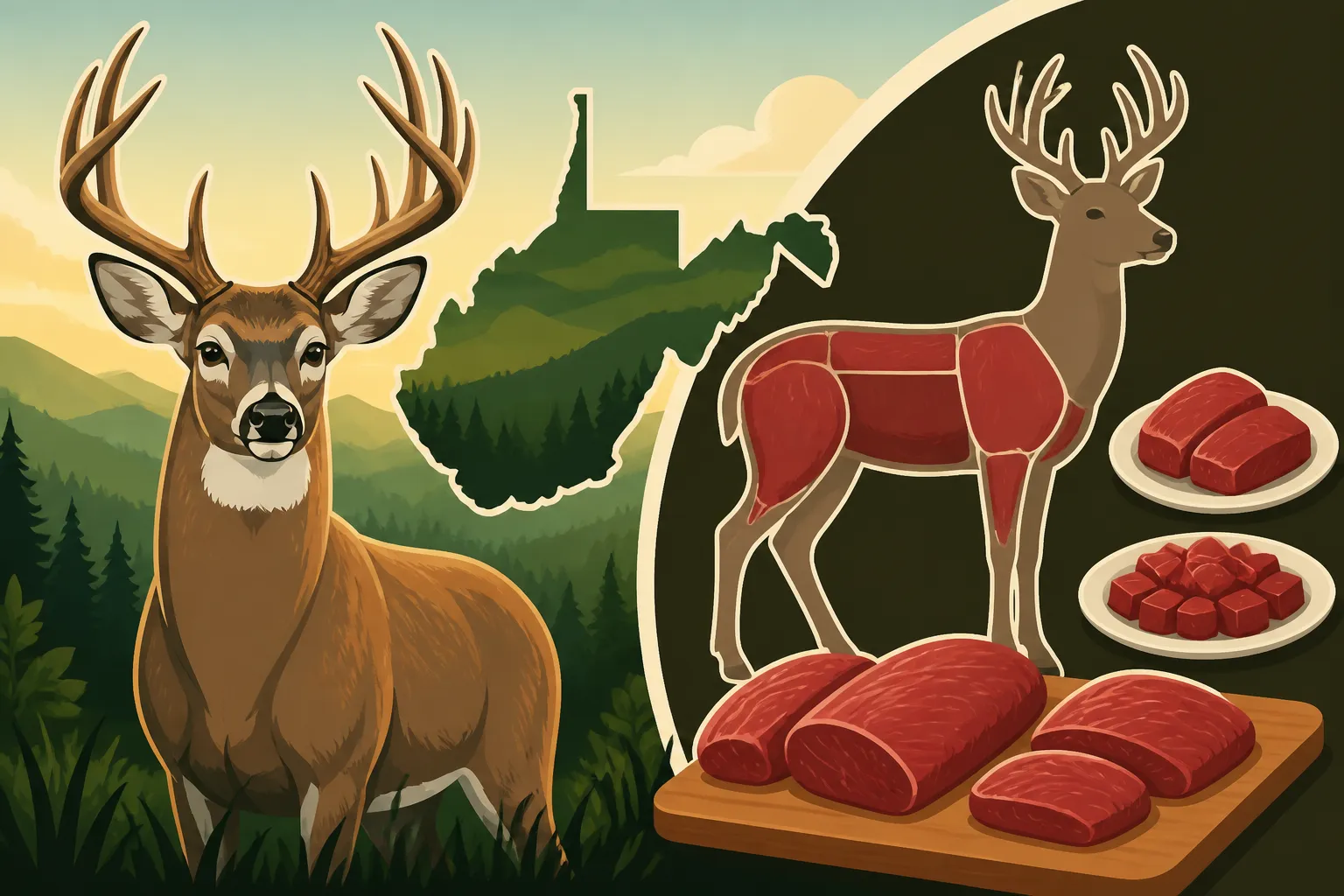
Boneless Meat Weight, or "processed weight," is the golden number for most hunters. This is the actual amount of muscle tissue you'll be putting into your freezer, trimmed of bone, gristle, silver skin, and excess fat. This is where the biggest drop-off occurs from the dressed weight, usually another 35-45% reduction. So, our 180-pound live weight buck (126-135 lbs dressed) might yield only 70-80 pounds of boneless meat. This figure is highly variable based on several factors we'll discuss, but it's the most realistic measure of your harvest's bounty.
Factors that Influence Your Final Meat Haul
It would be nice if every deer of the same live weight yielded the exact same amount of meat, but that's just not how nature works. Several critical factors come into play, making each harvest a unique calculation.
The Deer's Age and Body Condition are perhaps the biggest variables. A young, healthy, well-fed buck with a sleek body often has a higher percentage of lean muscle and less waste compared to an older, rut-worn warrior. Older bucks, especially those that have been through several breeding seasons, can be quite lean with denser muscle, but they might also have sustained injuries, or be thinner from the rigors of the rut. A buck in prime condition from a food-rich area, like agricultural land in the Eastern Panhandle, will likely yield a better percentage of meat than a scrawnier deer from a heavily timbered, low-nutrient mountain hollow. It's not always about sheer size, but rather the quality of the animal's flesh.
Shot Placement and Damage dramatically impact your usable meat. A clean shot through the vitals (heart/lungs) behind the shoulder typically means minimal meat loss. However, a shot that hits a shoulder, leg, or the gut can result in significant bloodshot meat and tissue damage that must be trimmed away. Bloodshot meat quickly spoils and tastes gamey, so a responsible hunter will remove it entirely. This trimming, while necessary, directly reduces your overall yield. Imagine a perfectly good hindquarter ruined by a misplaced shot – that's pounds of venison gone.
The Processing Method also plays a huge role. Are you taking it to a professional butcher, or are you butchering the deer at home yourself? A skilled butcher often has techniques to maximize yield, meticulously removing every usable morsel and separating cuts efficiently. However, if you're processing at home, your skill level will dictate how much meat you save. The "gutless method," for example, can be highly efficient in removing muscle groups with minimal contamination, especially when you're far from the truck or dealing with a deer in tough terrain, such as when ):Dragging a Deer Off a Steep Ridge. Conversely, an inexperienced home butcher might accidentally leave a few pounds of usable trim attached to bones or discard pieces that a pro would save for grinding.
Finally, the amount of Waste from Trimming cannot be overstated. Even with the best shot, you'll still have to trim silver skin (tough connective tissue), gristle, and any excess fat. While deer fat isn't like beef fat and doesn't marble the meat, it can impart an undesirable flavor if left on, especially for longer storage. This careful trimming is essential for quality, but it all contributes to the difference between dressed weight and your final boneless yield.
Estimating Your West Virginia Buck's Potential
It’s exciting to get a deer down, but the real work, and the real estimates, begin then. Knowing how to reasonably guesstimate your buck's weight and potential yield can help you plan your processing and freezer space. While it's never an exact science in the field, experience and a few key pointers can get you pretty close.
Guesstimating Live Weight in the Field
Unless you carry a portable scale big enough for a deer (and who does?), you'll be relying on visual cues and experience to estimate a buck's live weight in the field. This is where hours spent watching deer in the woods pay off.
Look at the body depth from its back to its brisket. A deeper body suggests more mass. Pay attention to the neck size and girth, especially as you get into the late season. A swollen, thick neck indicates a rutting buck carrying significant muscle. The belly can also be a clue, though a distended belly can sometimes be due to a full rumen rather than pure body mass. However, a lean, tucked-up belly usually means a lighter animal. Observe the animal's overall "chunkiness" – does it look robust and well-fed, or is it a bit leggy and gaunt?
Consider regional differences in West Virginia. Bucks from the rich bottomlands of the Ohio River Valley or the farmlands of the Eastern Panhandle often have access to higher quality forage, leading to heavier body weights. In contrast, bucks from the deep woods of the Monongahela National Forest, where forage is often less abundant, might be leaner for their age. It's a generalization, but one worth keeping in mind. Using resources like ):West Virginia Deer Herd Size or articles discussing ):West Virginia Deer Weight Averages by Region can give you a baseline for what to expect in different parts of the state. Before the season, tools like GoHunt can provide insight into historical harvest data or habitat quality, indirectly helping you estimate potential deer size in an area.
Calculating Dressed Weight and Boneless Meat
Once the deer is field-dressed, you have a much more accurate starting point. The dressed weight is typically about 70-75% of the live weight. So, if you estimated a 160-pound live weight, your dressed weight would be in the 112-120 pound range. From the dressed weight, you can expect about 50-60% of that to convert into boneless meat. This means your 112-120 lb dressed buck would yield roughly 56-72 pounds of boneless venison.
Here’s a rough table to help visualize these conversions, based on a few typical West Virginia buck sizes:
| Estimated Live Weight (lbs) | Estimated Dressed Weight (lbs) (approx. 70-75% of Live) | Estimated Boneless Meat Yield (lbs) (approx. 50-60% of Dressed) |
|---|---|---|
| 130 (Young Buck) | 91 – 97 | 45 – 58 |
| 160 (Average Mature Buck) | 112 – 120 | 56 – 72 |
| 190 (Large Mature Buck) | 133 – 142 | 66 – 85 |
| 220 (Exceptional Buck) | 154 – 165 | 77 – 99 |
Remember, these are estimates. A bigger-bodied mountain buck might be denser and yield more, while a similar-sized deer from a less nutritious area might yield less. Factors like ):West Virginia Buck Age Structure also play into how much muscle has developed. The numbers serve as a guide, not a guarantee, but they help you manage expectations.
Maximizing Your Venison Yield from Field to Freezer
Getting the most venison out of your West Virginia buck isn't just about the size of the animal; it's about the care you take from the moment the trigger is pulled until the meat is packaged. Every step matters, and neglecting any part of the process can lead to significant meat loss or diminished quality.
Ethical Shot Placement for Minimal Meat Loss
The single most impactful decision for maximizing your meat yield happens the instant you decide to shoot. Ethical shot placement isn't just about a quick, humane kill (though that's paramount); it's also about preserving as much meat as possible.
Aiming for the vitals – the heart and lungs – is always the goal. This means targeting the area directly behind the shoulder. A well-placed shot here leads to a quick death and, crucially, avoids damaging the prime cuts like the shoulders, backstraps, and hindquarters. If you hit a shoulder, you'll likely destroy a significant portion of that meat with bullet fragments and bloodshot tissue. Even if the deer drops, you'll spend considerable time trimming away unusable portions. While a neck shot can also be effective and preserve more meat, it's a smaller target and presents a higher risk of non-lethal injury if not perfectly executed. Always wait for the broadside or slightly quartering-away shot that gives you the best chance at the vitals.
Proper Field Care: Cooling and Cleaning
Once your buck is down, the clock starts ticking. Prompt field dressing is absolutely critical, especially in West Virginia's variable temperatures. On an early archery season day when temperatures are mild, a delay of even an hour can start to degrade meat quality. Getting the guts out quickly allows the carcass to begin cooling internally, preventing bacteria growth that thrives in warm environments. If you’re hunting in cold weather, say during the late archery or muzzleloader seasons, ):Field Dressing a Deer in Cold Weather might seem less urgent, but it’s still best practice to prevent off-flavors and spoilage.
After field dressing, focus on cooling the carcass as rapidly as possible. If you’re hunting in the backcountry of the Monongahela National Forest, getting the deer out of the woods and into a cooler environment is paramount. Hanging the deer in a cool, shaded spot (ideally below 40 degrees Fahrenheit) for 12-24 hours allows for proper rigor mortis and enzymatic breakdown, which tenderizes the meat. For those early season hunts, this might mean having ):Coolers for an Early Archery Kill ready with ice, or using ):Game Bags for Warm September Days to protect the meat while allowing it to breathe. If you've taken a deer far off the beaten path, consider the gutless method to lighten the load and get quarters cooling quicker.
Butchering Techniques: DIY vs. Professional
Now comes the actual transformation of carcass to cuts. Your approach to butchering significantly impacts the final yield.
Home butchering can be incredibly rewarding, giving you complete control over your cuts and saving you money. However, it requires a commitment to learning the anatomy and proper techniques. There are countless online resources and videos demonstrating how to break down a deer. Practicing on your first few deer, or even watching a friend who is experienced, can be invaluable. Essential tools include ):Field Dressing Knives Worth Carrying, a good sharpening steel, and a boning knife. Learning to follow the natural seams of the muscle groups and meticulously removing all silver skin and gristle will maximize your yield. If you're considering ):Butchering a Deer at Camp, ensure you have a clean, cool workspace. The gutless method, as mentioned, is an excellent technique for efficient home processing, often negating the need for specialized equipment like ):Bone Saws Versus the Gutless Method, as it focuses on deboning large muscle groups.
While DIY has its perks, don’t underestimate the value of a professional processor. They have the expertise, the specialized equipment, and the refrigerated space to handle your deer efficiently and hygienically. If you're short on time, don't have the right tools, or simply prefer professional-grade cuts, a good local butcher is worth the cost. They are often incredibly skilled at maximizing yield, turning every usable piece into steaks, roasts, or ground venison, often with the option to blend with pork fat for sausage. This can be especially helpful if you want specialty products like venison jerky or pepperoni sticks that are difficult to make at home.
Beyond the Steaks: Utilizing the Whole Animal
When we talk about "meat yield," most of us immediately think of steaks, roasts, and ground venison. And rightly so! But a responsible hunter knows that truly maximizing your harvest means looking beyond the prime cuts and making the most of every part of the animal. This approach not only increases your overall take-home product but also honors the animal and the hunt.
Making the Most of Trim and Bones
Even with meticulous butchering, you'll always have "trim" – those smaller pieces of muscle, odd-shaped chunks, and tougher bits that aren't suitable for steaks or roasts. Don't let these go to waste! This trim is prime for ground venison, sausage, or jerky meat. Many hunters choose to grind their venison, often mixing it with a percentage of pork or beef fat (typically 10-20%) to improve moisture and flavor for cooking. This makes for fantastic burgers, chili, spaghetti sauce, or tacos. If you’re a sausage enthusiast, this trim is perfect for various venison sausages, from breakfast links to Italian-style. You can also cure and dehydrate lean trim for delicious venison jerky.
And let’s not forget the bones. While they don't contribute to your meat yield directly, they are invaluable for making rich, flavorful bone broth or stock. A good venison stock is the foundation for incredible soups, stews, gravies, and sauces. Simply roast the bones with some vegetables, then simmer them for hours. You'll extract collagen, minerals, and deep flavor that elevates countless dishes. This is truly utilizing the whole animal and getting every bit of value from your hard-earned harvest.
Don't Forget the Organs
For many hunters, the thought of eating organs might be a little daunting, but the liver, heart, and kidneys (if you choose to save them) are highly nutritious and, when properly prepared, can be quite delicious. The deer heart is a lean, flavorful muscle that can be sliced, sautéed, or grilled. It’s often considered a delicacy by those who appreciate game meats. The liver is rich in iron and can be prepared similarly to calf’s liver, often pan-fried with onions and bacon. Kidneys are less commonly consumed but can also be used.
However, when considering consuming organs, especially the brain, spinal cord, spleen, tonsils, or lymph nodes, it's absolutely critical to be aware of Chronic Wasting Disease (CWD). West Virginia has CWD-positive counties, primarily in the Eastern Panhandle, and certain lymphatic tissues are known to harbor the CWD prion. If you've harvested a deer in or near a CWD containment area, such as counties like Hampshire or Mineral, it is strongly advised to avoid consuming these specific organs. Always check ):Handling Venison From a CWD Containment Area and ):West Virginia CWD Testing for Hunters for the latest information and recommendations from the WVDNR. When in doubt, err on the side of caution. Even outside CWD areas, it's always wise to ensure the animal appeared healthy. If you notice any signs of illness, ):Reporting a Sick Animal in West Virginia is the responsible thing to do.
Ultimately, your West Virginia buck offers much more than just a trophy; it provides a bounty of natural, organic protein for your table. By understanding the factors that influence yield and employing careful field care and processing techniques, you can maximize every precious pound of venison, ensuring your freezer is stocked with delicious meals until next season.
Disclaimer
This article is for general informational purposes only and does not constitute professional advice. Laws, prices and regulations vary by location and change over time. Consult a qualified professional for guidance on your specific situation.