West Virginia Ruffed Grouse Decline
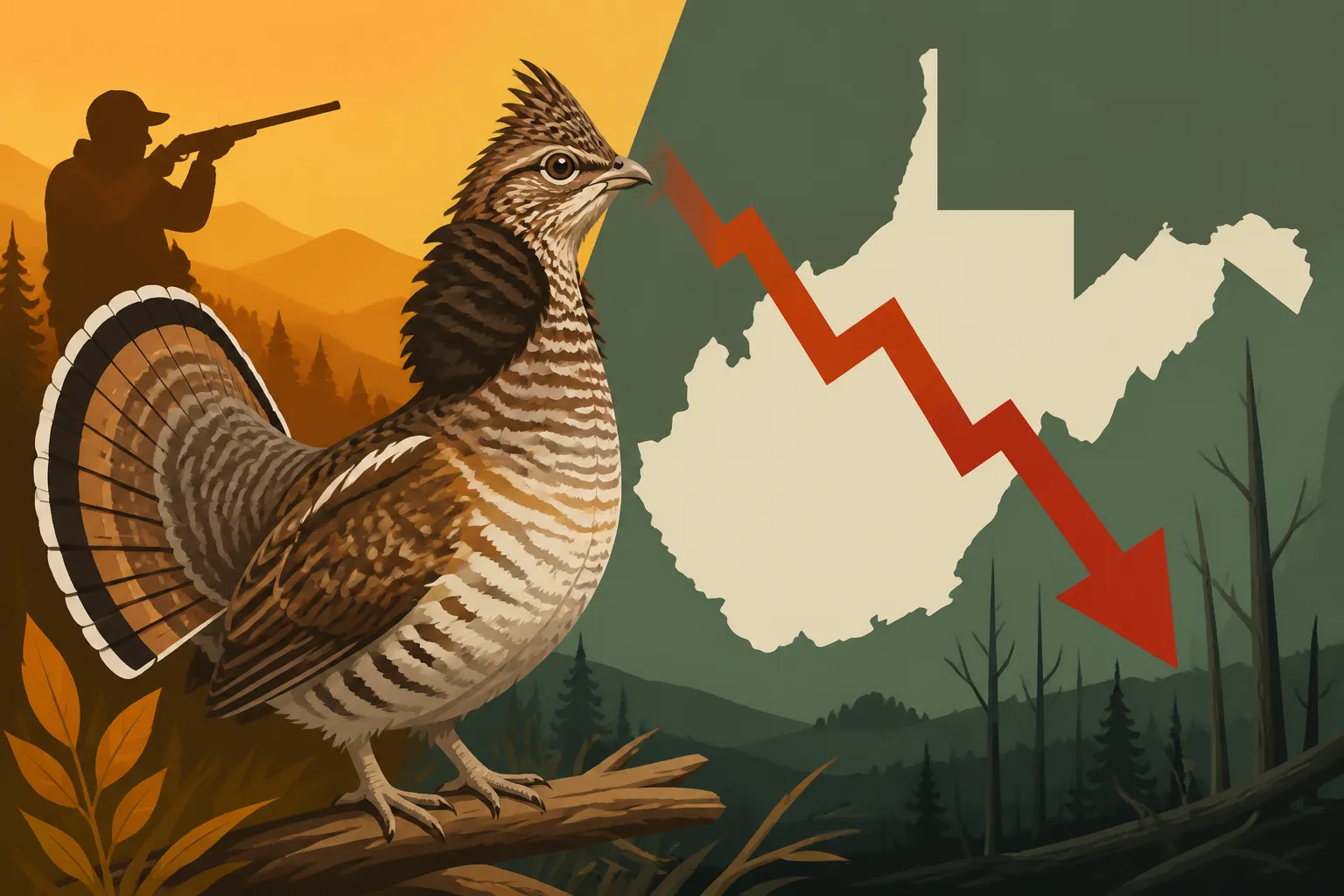
For those of us who've chased grouse through the rhododendron thickets of West Virginia for decades, there's a heavy heart that comes with each passing season. The drumming seems fainter, the explosive flushes rarer, and the once-reliable coverts often eerily quiet. This isn't just a feeling; it's a stark reality many of us are experiencing, and it points to a concerning trend: the West Virginia ruffed grouse population is facing significant challenges. This guide will dive deep into the factors contributing to this decline, what it means for our hunting traditions, and the conservation efforts underway to bring back the king of game birds.
The Vanishing King: Understanding the Grouse Decline
It's a conversation you hear around hunting camps across the Allegheny Highlands: "Remember when you could always find birds in that one bottom?" or "My grandfather said this mountain used to be full of them." These aren't just nostalgic laments; they reflect a tangible decrease in ruffed grouse populations across much of their range, and West Virginia is unfortunately no exception. The ruffed grouse, often called the "king of game birds" for its elusive nature and explosive flush, has seen its numbers dwindle, leading to tougher hunting seasons and genuine concern for the species' future. Understanding the why behind this trend is the first step toward finding solutions.
Documenting the Decline Through Surveys
The West Virginia Division of Natural Resources (WVDNR) closely monitors game bird populations through various surveys, and the data for ruffed grouse has been pointing to a steady, long-term decline. Drumming surveys, for instance, where biologists listen for the distinctive drumming sound made by male grouse to attract mates, have shown consistent drops in activity over the years. This isn't just about anecdotal evidence from hunters; it's backed up by scientific sampling that paints a clear picture of reduced bird density. These surveys help wildlife managers understand the health of the population, gauge reproductive success, and identify areas where declines are most pronounced.
Historical Perspective on West Virginia Grouse Numbers
If you talk to older hunters, they'll tell you stories of seemingly endless flushes in the woods. While memory can sometimes exaggerate, there's no doubt that grouse numbers were historically much higher, especially following periods of widespread logging and subsequent forest regeneration in the late 19th and early 20th centuries. This created vast expanses of the young, dense forest that grouse thrive in. As these forests matured, and as timber practices changed, that ideal habitat began to shrink, and grouse populations, predictably, followed suit. The current state is a culmination of decades of subtle, and sometimes not-so-subtle, environmental shifts that have impacted Ruffed Grouse in the West Virginia Highlands.
Habitat Loss and Fragmentation: The Primary Culprit
When we talk about declining grouse numbers, the conversation inevitably circles back to habitat. Ruffed grouse are highly specialized birds, and their survival is inextricably linked to specific forest structures. Unlike deer or turkeys that can adapt to a wider variety of environments, grouse need dense, young forest cover for nesting, rearing broods, and escaping predators. The loss and fragmentation of this critical habitat is arguably the most significant factor contributing to their decline in West Virginia.
The Critical Need for Young Forests
Ruffed grouse thrive in what biologists call "early successional habitat" – essentially, young forests that are typically 5 to 25 years old. These areas are characterized by dense saplings, brush, and thick undergrowth that provide unparalleled protection from avian predators like hawks and owls, and ground predators such as coyotes and foxes. The dense cover also offers abundant food sources, including buds, catkins, and berries. Think about the thickets of rhododendron, mountain laurel, or dense stands of aspen and oak regeneration that are almost impenetrable to humans; this is exactly where grouse feel safe and find sustenance. Without these young, tangled havens, grouse are far more vulnerable throughout their life cycle. A lack of these crucial hideouts directly impacts brood survival and overall population stability.
Timber Management and Its Impact
Historically, widespread clear-cutting across West Virginia in the early 1900s inadvertently created massive amounts of this ideal young forest as the land regenerated. While destructive in many ways, it led to a boom in grouse populations. Today, timber management practices are often geared towards producing mature sawlogs or are less intensive, resulting in larger, older stands of timber that lack the necessary dense understory. While mature forests are vital for many species, they don't provide the optimal conditions for grouse.
| Habitat Type | Typical Age (Years) | Grouse Suitability | Key Benefits for Grouse | Challenges for Grouse |
|---|---|---|---|---|
| Early Successional | 5-25 | High | Dense cover for escape, nesting, brood rearing; abundant food | Can be temporary if not managed; limited mature tree food sources |
| Mid-Successional | 25-60 | Moderate | Some cover; increasing hard mast; good drumming areas | Less dense cover for broods; increased predator vulnerability |
| Mature Forest | 60+ | Low | Provides hard mast (acorns); some drumming logs | Lacks dense cover; higher predation risk; fewer young birds |
| Forest Edge/Riparian | Variable | Moderate | Food diversity; some cover; water access | Often linear, not expansive enough for populations; high predator use |
Modern forestry, though often more sustainable, sometimes struggles to create the scale of early successional habitat needed for robust grouse numbers. Even where timber operations occur, the type of regeneration might not always be ideal, or the cuts might be too small or isolated to truly benefit grouse on a larger, regional scale. Recognizing this, conservation groups and the WVDNR are working to promote forestry practices that specifically benefit grouse, such as strategically planned clear-cuts and other methods that encourage dense regrowth. This management is crucial for Aspen Management and Highlands Grouse habitat. Tools like GoHunt can be invaluable for hunters and conservationists to identify and advocate for areas suitable for habitat improvements, helping them visualize different forest age classes and potential hunting grounds.
Climate Change and Its Subtle, Sinister Role
While habitat loss is the most glaring issue, climate change introduces a more insidious, long-term threat to grouse populations. Its effects are often subtle, not immediately obvious like a clear-cut, but they can significantly impact grouse survival and reproduction over time.
Warmer Winters and Predator Dynamics
One of the more concerning impacts of climate change in West Virginia is the trend toward warmer winters. Ruffed grouse are incredibly well-adapted to cold, snowy conditions. They have specialized feathers that create insulation, and critically, they often burrow into soft snow to escape extreme cold and hide from predators. This "snow roosting" is a vital survival mechanism. When winters are mild, with less consistent snow cover, grouse lose this crucial thermal insulation and predator protection. This exposes them to ground predators, which remain active, and can increase energy expenditure as birds struggle to stay warm. The reduction in consistent snow cover means more grouse spend nights exposed, making them easier targets for owls, coyotes, and bobcats.
Impact on Brood Survival
Another major concern is the effect of changing weather patterns on brood survival. Grouse chicks are very delicate, especially in their first few weeks. They require a specific combination of warm, dry weather and abundant insects for protein. Climate change can lead to more extreme weather events, including unseasonably cold snaps or prolonged periods of heavy rain during the critical spring nesting and brooding season. A sudden cold, wet spell can be devastating for young chicks, leading to hypothermia and starvation as insects become less active. Furthermore, shifts in insect populations due to changing climate can impact the availability of this essential food source for growing chicks. This delicate balance, easily tipped by unpredictable weather, is a key factor in West Virginia Grouse Drumming Surveys showing fewer birds.
Predation Pressures and the Ecosystem Balance
Predation is a natural part of any ecosystem, and grouse have evolved alongside a suite of predators. However, when grouse populations are already stressed by habitat loss and climate impacts, elevated or shifting predator dynamics can exacerbate declines, turning a natural pressure into a significant hurdle for recovery.
Apex Predators and Opportunistic Hunters
West Virginia is home to many predators that readily take grouse, from the aerial assaults of goshawks and great horned owls to the ground-level threats of coyotes, bobcats, foxes, and even domestic cats. While individual predator populations naturally fluctuate, broad changes in habitat can concentrate predators, or make grouse more vulnerable to them. For example, as ideal young forest cover shrinks, grouse are forced into less secure habitats, making them easier targets for opportunistic predators. A lack of dense overhead cover means hawks and owls have an easier time spotting and striking, while sparser undergrowth provides less concealment from keen-nosed canids. Understanding the interplay between grouse habitat and Predator Calling West Virginia Ridgelines is crucial.
Shifting Predator Landscapes
The landscape of predators in West Virginia has changed over the decades. Coyotes, for instance, have expanded their range significantly across the state since the mid-20th century. While coyotes are generalist predators, and grouse represent only a small part of their diet, their increased presence adds another layer of pressure, especially on vulnerable grouse in fragmented habitats. Additionally, the rebound of other predator populations, such as bobcats and bears (who will prey on nests), while generally a sign of a healthy ecosystem, can further impact a grouse population already struggling with other environmental stressors. It's a complex web, and when one part of the system is out of balance, the effects ripple through.
Disease and Parasites: An Unseen Threat
While not as widely discussed as habitat loss or predation, diseases and parasites can also play a role in grouse declines, often acting as a silent, unseen threat that weakens birds and makes them more susceptible to other pressures. These biological factors are harder to observe and quantify but can have a cumulative impact on population health.
West Nile Virus and Avian Pox
One of the most concerning diseases for ruffed grouse in recent years has been West Nile Virus (WNV). While known for affecting humans, WNV can be devastating to certain avian species, including grouse. Transmitted by mosquitoes, the virus can cause neurological issues and mortality in affected birds. Research from other states has linked WNV outbreaks to localized grouse population dips, and it's a concern for West Virginia birds as well, particularly during warmer, wetter periods when mosquito populations are high. Another disease, Avian Pox, can cause visible lesions and scabs, particularly around the eyes and mouth, hindering a bird's ability to feed or see predators, ultimately reducing their chances of survival. These diseases often affect birds already stressed by poor nutrition or habitat.
Parasitic Burdens and Overall Health
Grouse can also suffer from various internal and external parasites, including worms, mites, and ticks. While a healthy bird can often cope with a certain parasitic load, an accumulation of parasites can weaken the bird's immune system, making it more vulnerable to disease, harsh weather, or predation. For instance, heavy infestations of certain internal parasites can reduce a bird's ability to absorb nutrients, leading to malnutrition and a compromised physical condition. This is especially true for young birds or during periods of stress, such as nesting or severe winter conditions. Monitoring and understanding the prevalence of these parasitic burdens can provide clues about the overall health and resilience of the West Virginia Grouse Population Trend.
What the Future Holds: Conservation and Hunter Efforts
The situation for West Virginia's ruffed grouse is undoubtedly challenging, but it's far from hopeless. Dedicated conservationists, wildlife biologists, and passionate hunters are actively working to understand the factors at play and implement strategies to reverse the decline. The future of the "king of game birds" in the Mountain State depends on a concerted effort to restore and maintain the habitat it needs to thrive.
Restoring Critical Grouse Habitat
The most impactful long-term solution lies in creating and maintaining high-quality early successional habitat. This means a shift in land management strategies, particularly on public lands like the Monongahela National Forest and various Wildlife Management Areas. The WVDNR and partners like the Ruffed Grouse Society are actively promoting and implementing projects that involve carefully planned timber harvests, prescribed burning, and other forestry techniques designed to regenerate young, dense forest stands. These projects aim to create a mosaic of different forest age classes, ensuring that grouse always have access to the critical cover they need. Hunters can play a vital role by advocating for these types of habitat projects, supporting organizations that fund them, and learning to identify prime Grouse Hunting Highlands Aspen Cuts and other suitable areas.
The Role of Research and Hunter Participation
Ongoing research is critical to better understand the nuances of grouse biology and the specific pressures they face in West Virginia. This includes studies on nesting success, brood survival, predator-prey dynamics, and the prevalence of diseases. Hunters themselves are invaluable partners in this process. By participating in hunter surveys, providing detailed harvest information, and even reporting observations of grouse or their sign in the field, hunters contribute directly to the data that wildlife managers use to make informed decisions. Learning How Old a Cut Should Be for Grouse for optimal hunting will help hunters identify prime areas, but also inform their understanding of habitat needs.
Supporting West Virginia's Ruffed Grouse
The passion of West Virginia hunters for the ruffed grouse is undeniable, and that passion is a powerful force for conservation. Here's how individuals can help:
- Support Conservation Organizations: Groups like the Ruffed Grouse Society and local conservation clubs are on the front lines, funding and executing habitat improvement projects. Membership and donations directly contribute to these efforts.
- Advocate for Active Forest Management: Speak to land managers, participate in public comment periods, and encourage sustainable forestry practices that prioritize early successional habitat.
- Be a Responsible Hunter: Understand West Virginia Grouse Season Dates and bag limits, and consider hunting with a dog to improve recovery rates, minimizing lost birds.
- Spread Awareness: Educate other hunters and non-hunters alike about the importance of grouse conservation and the challenges the species faces.
The decline of the ruffed grouse is a stark reminder of how interconnected our ecosystems are. By understanding the causes and actively engaging in conservation efforts, we can hope to see the return of more thunderous flushes and the vibrant drumming that defines the spirit of West Virginia's wild places.
Disclaimer
The information provided in this guide is for general informational purposes only and does not constitute professional advice. Hunting regulations and conditions can change rapidly. Always consult the official West Virginia Division of Natural Resources (WVDNR) regulations and guidelines before planning any hunting trip. Stay safe and hunt ethically.