Why Bears Now Live in All Fifty-Five Counties
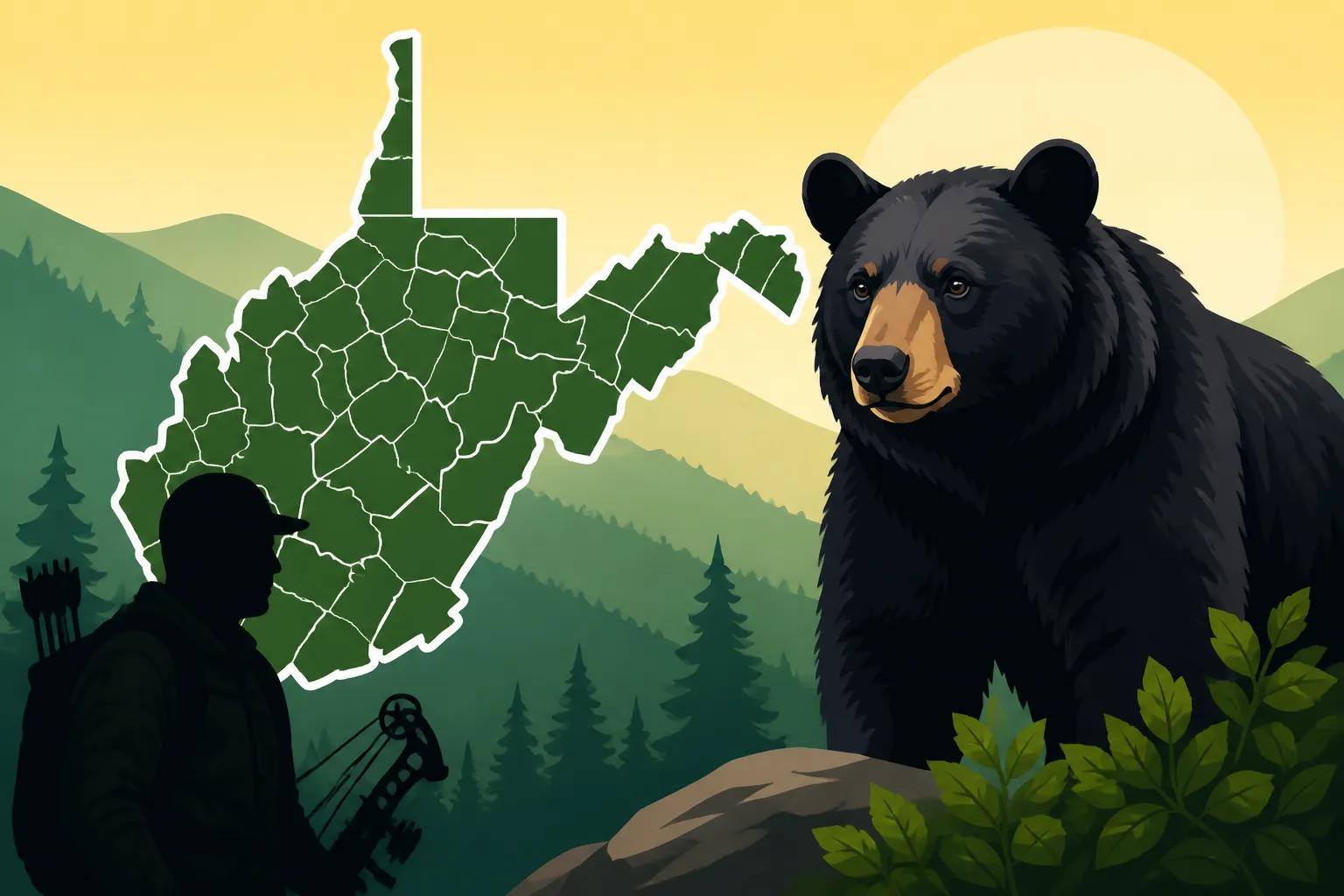
For generations, the idea of a black bear roaming through every single county in West Virginia felt like a tall tale, something only possible in the deepest, most remote pockets of the mountains. Hunters often faced long drives to traditional bear country, and folks in the flatter, more agricultural regions rarely, if ever, saw one outside of a zoo. But that's all changed dramatically. This guide dives deep into the incredible story of how West Virginia's black bear population not only recovered from near extinction but successfully expanded its range into all fifty-five counties, transforming the landscape for both wildlife and residents.
The Historic Range and Near Extinction of West Virginia Black Bears
It's easy to look at the robust bear population we have today and forget that not too long ago, these magnificent animals were fighting for survival in the Mountain State. Their presence across all 55 counties is a testament to resilience and dedicated conservation, but it certainly wasn't always this way.
The Original Appalachian Stronghold
Historically, black bears in West Virginia were primarily creatures of the rugged, expansive Appalachian Mountains. Think of the wild, untamed landscapes of the Monongahela National Forest or the steep, remote ridges of the Allegheny Highlands. These vast, unbroken tracts of mature timber, dense undergrowth, and abundant natural mast crops provided the perfect habitat for bears. Their presence was concentrated in the eastern and southern mountainous counties, places like Pocahontas, Randolph, Greenbrier, and Webster. Here, they could find the solitude and resources needed to thrive, largely away from the growing human population.
These regions offered extensive cover, denning sites in rock crevices and hollow trees, and a consistent food supply of acorns, berries, and insects. It was a true wilderness existence, far removed from the farmlands and nascent towns that were beginning to spring up elsewhere in the state. For centuries, this was simply where bears belonged, and it dictated how people interacted with them – or more often, didn't. The challenges of early settlement, however, began to chip away at this natural stronghold, setting the stage for a dramatic decline.
Decades of Decline and Limited Populations
As West Virginia's population grew and industries like logging and coal mining expanded, the pristine bear habitat began to shrink at an alarming rate. Forests were cleared for timber, land was converted to agriculture, and unregulated hunting, driven by necessity for food and a desire to eliminate perceived threats to livestock, put immense pressure on bear numbers. By the early 20th century, black bears were largely extirpated from many parts of the state, pushed back into only the most inaccessible, wildest corners of the central and eastern mountains.
Reports from the mid-20th century painted a bleak picture, with the bear population estimated to be as low as 500 animals statewide. This was a critical low point, where many believed the West Virginia black bear was on a irreversible path toward local extinction. Their range was severely restricted, confined to just a handful of counties where human disturbance was minimal. Hunters who sought bears had to travel to these specific strongholds, understanding that the chance of encountering one anywhere else was practically zero. This period of severe decline sparked a realization among wildlife managers that drastic action was needed to save the state's iconic black bear.
Strategic Conservation Efforts and Habitat Restoration
The dire situation of West Virginia's black bear population in the mid-20th century wasn't ignored. It ignited a dedicated, multi-faceted conservation movement that, over decades, systematically addressed the challenges bears faced and laid the groundwork for their incredible resurgence.
Establishing Protective Regulations and Seasons
The first critical step was to implement robust protective measures. Historically, bears were often treated as varmints, hunted year-round with little regulation. Recognizing the peril, the West Virginia Division of Natural Resources (WVDNR) began to establish strict hunting seasons and bag limits, effectively shifting bears from an unprotected nuisance animal to a valued game species. This wasn't just about limiting harvest; it was about changing the public perception and allowing the population to stabilize and grow. Specific zones were designated, and hunting methods were regulated to ensure fair chase and sustainable practices.
These regulations evolved over time, becoming more refined as the population responded. The WVDNR carefully monitored harvest numbers and population trends, adjusting season lengths and county allowances accordingly. For a long time, the seasons were incredibly restrictive, a far cry from the West Virginia's Liberal Bear Season Rules we see today. This cautious approach allowed breeding-age sows to survive and reproduce, forming the bedrock of the population's recovery. The state understood that a healthy bear population depended not just on habitat, but on responsible human interaction and management.
Reforestation and Habitat Connectivity
While hunting regulations curtailed direct pressure on bears, the recovery would have been impossible without the simultaneous return of their habitat. A significant factor in West Virginia was the large-scale abandonment of marginal farmlands and the decline of widespread clear-cutting for timber and coal. Over time, these areas naturally reverted to forest, creating new, suitable landscapes for bears. The regrowth provided dense cover, new mast-producing trees, and expanded foraging opportunities.
Furthermore, responsible timber management practices, particularly on public lands like the Monongahela National Forest and various Wildlife Management Areas, played a crucial role. These practices often created a mosaic of habitats, from young, regenerating forests that offer abundant soft mast and browse, to mature stands of oak and hickory vital for hard mast production. This increased habitat availability, combined with the natural connectivity provided by river systems and unbroken ridge lines, allowed bears to move more freely and confidently beyond their traditional strongholds. This expanded network of suitable habitat became the highway system for the bear's remarkable journey across the state.
Black Bear Biology and Adaptability Fueling Expansion
While conservation efforts created the opportunity, it was the black bear's inherent biological traits and incredible adaptability that truly powered their expansion into every corner of West Virginia. These animals are remarkably suited to recovering and spreading when given half a chance.
Remarkable Reproductive Success
One of the most potent drivers of the bear population's growth is their impressive reproductive capacity. Female black bears, or sows, typically reach reproductive age around 3-4 years old and, once they do, they can produce cubs every other year. Litter sizes usually range from 1 to 3 cubs, with twins being quite common in healthy populations with ample food resources. Critically, cub survival rates are relatively high in good conditions, especially when sows are experienced and protected.
This consistent cycle of reproduction means that a healthy population can grow exponentially. As older, established sows continue to produce cubs, and younger sows mature and begin breeding, the population generates a surplus of bears. This surplus then becomes the driving force behind range expansion, as young, dispersing bears seek out new territories. The success of West Virginia's Black Bear Comeback is intrinsically linked to these strong reproductive rates. Without a robust and regularly breeding population, no amount of habitat or regulation would have led to a statewide presence.
Opportunistic Diets and Foraging Behavior
Black bears are true omnivores, and their diet is incredibly diverse and adaptable. This dietary flexibility is a cornerstone of their ability to colonize new areas. While they famously rely on hard mast like acorns and hickory nuts, especially for fattening up before winter hibernation, they also consume a vast array of other foods. Berries, fruits, roots, tubers, grasses, insects (like ants and grubs), and even carrion are all on the menu. This means that a bear isn't solely dependent on one type of forest or food source.
In areas where natural mast might be less prevalent, such as more developed or agricultural regions, bears can shift their diets to take advantage of new opportunities. This could mean foraging on agricultural crops like corn, raiding bird feeders, or, unfortunately, getting into human garbage. This adaptability allows them to survive and even thrive in environments that might not look like traditional bear habitat, enabling them to establish a foothold in counties previously considered unsuitable. This dietary opportunism is a key reason they can inhabit areas from the highest mountain peaks to the river valleys.
Dispersal Patterns of Young Bears
Nature has a built-in mechanism for population expansion: the dispersal of young animals. For black bears, particularly young males, leaving their mother's territory is a critical part of their life cycle. After spending about a year and a half with their mother, cubs are "kicked off" to find their own way. While young females often establish territories adjacent to or overlapping with their mother's, young males typically strike out much further.
These dispersing young males can travel significant distances – sometimes dozens, even hundreds of miles – in search of unoccupied territory, food resources, and mates. This natural wanderlust acts like a slow, steady wave, pushing the bear population outward from established strongholds into adjacent, and eventually, more distant counties. It's not usually a mass migration, but rather individual bears, often unnoticed for months or even years, quietly establishing a presence. This behavior explains why sightings can pop up unexpectedly in counties that had no known bear population just a few years prior, as detailed in discussions around How Many Black Bears West Virginia Has Today. These intrepid explorers are the vanguard of the statewide expansion.
Factors Enabling Bear Movement into New Territories
Beyond their biology, external factors related to human behavior and the landscape itself have greatly facilitated the black bear's colonization of every West Virginia county. It's a complex interplay of wildlife resilience and evolving human tolerance.
Decreased Human Persecution and Increased Tolerance
One of the most significant shifts has been in human attitudes towards bears. In previous centuries, bears were often feared and actively persecuted, viewed as dangerous pests or competitors for resources. This led to widespread killing, both legal and illegal. As conservation efforts gained traction and public education increased, a greater understanding and appreciation for black bears began to emerge. People learned more about bear behavior, the importance of their role in the ecosystem, and how to coexist safely.
While conflicts still arise, there's generally a much higher level of tolerance today. Rather than immediate eradication, the instinct is often to report sightings to the WVDNR, allowing wildlife officers to assess the situation and implement non-lethal deterrents or relocation if necessary. This decreased direct persecution has created safer pathways for bears to move into new areas without immediately being eliminated, allowing them to establish a presence in places like the Ohio River Valley or the Eastern Panhandle, where they were once rare or absent.
Urban and Suburban Adaptation
Perhaps the most surprising aspect of the bear's expansion is its growing comfort and presence in developed, semi-urban, and suburban environments. Bears, being opportunistic, quickly learn that human habitation often means readily available food sources. Bird feeders, pet food left outdoors, unsecured garbage cans, and even backyard gardens become attractive cafeterias, especially during periods of natural food scarcity.
This has led to a remarkable adaptation by some bears, learning to navigate neighborhoods, parks, and even commercial areas, often under the cover of darkness. While this can lead to nuisance encounters and requires careful management to prevent habituation, it demonstrates their incredible flexibility. Stories of bears wandering through Charleston neighborhoods or Martinsburg subdivisions, like those described in Bears Moving Into West Virginia Suburbs, are no longer anomalies but increasingly common occurrences. This willingness to live alongside humans, even if it causes challenges, has been instrumental in their move into counties with higher population densities.
Interstate Travel and Forest Corridors
West Virginia's geography, with its intricate network of river valleys, unbroken ridges, and extensive forest tracts, provides natural corridors that facilitate bear movement. While a bear won't necessarily follow a perfectly straight line, these linear features act as pathways, allowing them to traverse long distances relatively undetected. A bear moving down a river bottom or along a connected ridge system can cross multiple county lines without encountering significant barriers.
These corridors are particularly important for juvenile bears on their dispersal journeys. They can follow these natural highways, finding new foraging grounds and potential territories far from their birth range. Even major interstates, while formidable, aren't absolute barriers. Bears have been observed successfully crossing highways, albeit with risks. This ability to travel through connected landscapes, coupled with the ever-increasing habitat availability, has allowed the population to flow, slowly but surely, into every corner of the state, from the northern panhandle down to the southernmost coalfields. Using tools like GoHunt, hunters and wildlife enthusiasts can often see aerial views that highlight these natural movement corridors, providing insight into why certain areas are seeing increased bear activity.
Impacts and Management Challenges of Statewide Bear Presence
While the statewide presence of black bears is a phenomenal conservation success story, it's not without its complexities. This widespread distribution brings both ecological benefits and significant management challenges, requiring ongoing adaptation from wildlife officials and residents alike.
Increased Human-Bear Conflicts
With bears now living in every county, the potential for human-bear conflicts has naturally escalated. Residents in areas that historically never saw bears are now encountering them in their backyards, on their porches, or even raiding their trash. This can be startling, and sometimes destructive. Conflicts range from property damage, like overturned garbage cans, damaged bird feeders, and raided beehives, to more serious concerns like livestock depredation or, in rare cases, bold behavior that could pose a perceived threat to human safety.
This surge in encounters places a considerable burden on the WVDNR, who field thousands of calls annually regarding nuisance bears. It also means educating a broader public about living responsibly with bears, emphasizing practices like securing attractants and understanding bear behavior. For many, it's a completely new experience, and the learning curve can be steep, requiring patience and proactive measures to minimize negative interactions. Understanding West Virginia Bear Denning Behavior can help residents know when bears might be most active or preparing for hibernation.
Evolving Hunting Seasons and Regulations
The dramatic increase in the bear population and its expanded range has necessitated a significant evolution in West Virginia's bear hunting seasons and regulations. What was once a highly restricted season in a few mountain counties has become one of the most liberal in the nation. The WVDNR has strategically expanded hunting opportunities to manage the robust population, especially in counties where nuisance complaints are on the rise.
This includes extended seasons, varied weapon choices, and specific regulations designed to control population growth and reduce conflicts. For example, some areas might have longer archery seasons, while others might have combined gun and muzzleloader opportunities. These adjustments are critical for maintaining a healthy bear population while also addressing the concerns of landowners and the public. Hunters utilizing resources like GoHunt can stay up-to-date on these changing regulations and specific county rules, ensuring they are compliant and effective in their pursuit of bears, whether they're Hunting Bears Over Natural Mast in the Mountains or closer to developing areas.
Monitoring and Future Outlook
The WVDNR continuously monitors the black bear population to ensure its long-term health and to inform management decisions. This involves a variety of techniques, including mandatory harvest checks, den surveys to assess cub production, and public reporting of sightings and conflicts. Every bear harvested contributes vital data, allowing biologists to track population trends, health, and distribution. Programs like the West Virginia Bear Harvest Trends analysis are crucial for understanding the impact of hunting pressure and natural fluctuations.
The future outlook for West Virginia's black bears is generally positive, but it requires ongoing vigilance and adaptive management. The challenge lies in balancing a thriving bear population with minimizing human-bear conflicts, especially as bears continue to solidify their presence in more populated areas. Education will remain paramount, ensuring that residents understand how to coexist. For hunters, the expanded range means opportunities are closer than ever, and understanding population dynamics, which can often be found through services like GoHunt, will be key to successful and ethical hunting experiences across all 55 counties.
West Virginia Black Bear Population and Range Expansion Timeline
Here's a simplified look at the impressive journey of West Virginia's black bear population from its historic lows to its current statewide presence.
| Era | Estimated Population | Primary Range (Counties) | Key Factors |
|---|---|---|---|
| Early 1900s | 500-1,000 | Extreme eastern and southern mountains (e.g., Pocahontas, Randolph, Greenbrier) | Habitat loss, unregulated hunting, high persecution. |
| Mid-1970s | 1,000-2,000 | Concentrated in ~15-20 central/eastern mountain counties | Stricter hunting regulations implemented, early habitat recovery begins, legal protection established. |
| Mid-1990s | 5,000-7,000 | Expanded to ~30-35 counties (spreading west/north) | Continued reforestation, effective WVDNR management, improved public attitudes, strong reproductive rates. |
| Early 2010s | 8,000-10,000+ | Present in 45-50 counties | Aggressive dispersal of young bears, increasing adaptability to varied habitats, liberalized hunting seasons. |
| Present Day (2020s) | 12,000-15,000+ | All 55 Counties | High population density in core areas pushing bears into all available niches, urban/suburban adaptation. |
Disclaimer
Please remember that hunting regulations and wildlife management practices are subject to change. Always consult the latest West Virginia hunting regulations published by the West Virginia Division of Natural Resources (WVDNR) before engaging in any hunting activity. This guide is for informational purposes only and does not supersede official regulations.