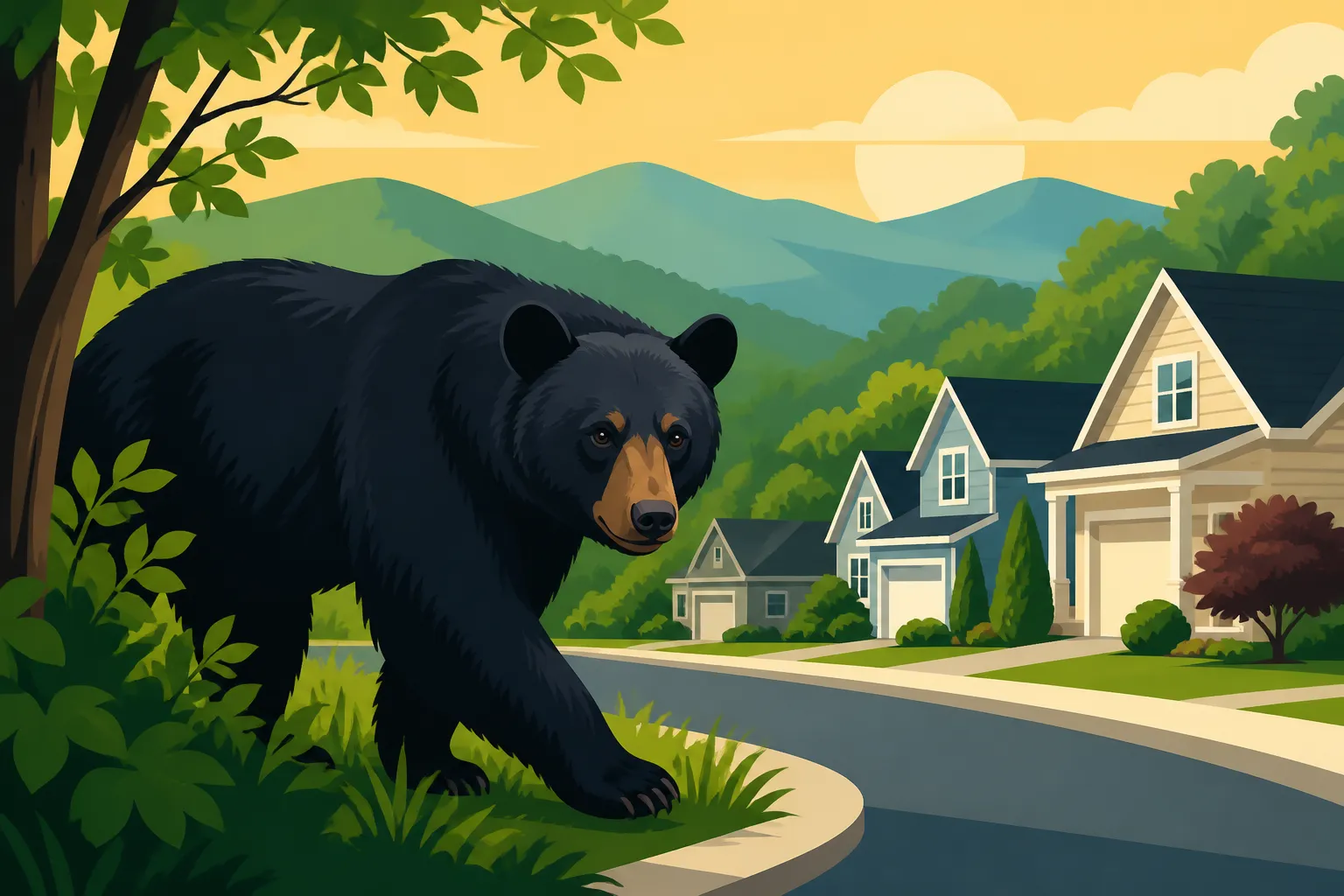
Bears Moving Into West Virginia Suburbs
It used to be that seeing a black bear was a rare and exciting occurrence, something you’d tell stories about for years after a trip deep into the Monongahela National Forest. Now, though, for many folks across West Virginia, that same bear might be rummaging through their trash cans on a Tuesday night. This guide is all about understanding why our wild black bears are becoming frequent visitors to our suburban neighborhoods, what that means for us, and how we can best co-exist with these incredible animals without inviting trouble.
The New Normal: Why Bears Are Showing Up in Our Backyards
If you’ve lived in West Virginia for any length of time, you’ve probably noticed more bear sightings in places you wouldn’t expect. It's not just your imagination; there's a real shift happening. Bears are increasingly venturing out of the deep woods and into the fringes of our towns and even established suburban areas. This isn't necessarily a sign that something is terribly wrong, but it certainly indicates a change in our landscape and how wildlife interacts with it.
A Booming Population and Expanding Range
One of the biggest reasons for more bear sightings is simply that West Virginia's black bear population is thriving. Our state has seen an incredible comeback for black bears, with their numbers rebounding significantly over the past few decades. Where bears were once largely confined to the most rugged and remote corners of the state, their population has grown so robustly that they've started to expand their range. It's a true conservation success story, but with success comes new challenges. If you're curious about just How Many Black Bears West Virginia Has Today, you'd be amazed at the estimates compared to even a generation ago. This growth means younger bears, or those pushed out of prime territories by dominant males, are constantly seeking new grounds, and sometimes those new grounds are closer to human settlements than we'd prefer. We're seeing bears now in counties where they were virtually unheard of just a couple of decades ago, illustrating this expansion.
The density of bears in their traditional strongholds, like the eastern mountains, contributes significantly to this push. As the population grows, so does the competition for prime habitat and natural food sources. This can lead to bears exploring new territories, and urban interfaces, with their abundant, albeit artificial, food sources, become surprisingly attractive. It’s a natural consequence of a healthy and expanding population, where every available niche is being explored.
Habitat Fragmentation and Food Sources
West Virginia is a beautiful state, and many of us choose to live surrounded by its natural beauty. However, as our towns and communities expand, we often build right up to the edge of what was once pristine bear habitat. Housing developments, new roads, and commercial growth chip away at contiguous forestland, effectively creating "islands" of habitat surrounded by human activity. When bears' natural habitat becomes fragmented, they're more likely to encounter human-dominated landscapes as they travel between patches of forest.
Compounding this is the lure of easily accessible food. While bears traditionally rely on natural mast crops like acorns and berries, these can be inconsistent year to year. When those natural sources are scarce, or even when they're plentiful, the high-calorie, easily obtainable food in our yards—like garbage, pet food, birdseed, and even fruit from backyard trees—becomes an irresistible buffet. This ease of access can quickly habituate bears to human presence, making them less wary and more likely to return. It creates a cycle: bears seek food, find it near humans, lose their natural fear, and become bolder. This is a stark contrast to how bears typically forage, for example, when Hunting Bears Over Natural Mast in the Mountains, where they have to work much harder for their meals.
Human-Wildlife Conflict on the Rise
With more bears in more places, the potential for human-wildlife conflict inevitably increases. This isn't just about bears getting into trash, though that's a common complaint. It can range from property damage, like tearing down bird feeders or damaging sheds, to more serious concerns like confrontations with pets or, in very rare instances, aggressive encounters with people. The biggest frustration for many homeowners is the feeling of helplessness or not knowing what to do when a bear becomes a regular visitor.
The fear is real, and it's understandable. While black bears are generally shy and not naturally aggressive towards humans, a habituated bear that associates people with food can become a nuisance, and a sow with cubs can be extremely protective. This rise in conflict creates a need for better education and proactive strategies to manage these interactions. It's not about eradicating bears; it's about learning to live safely and respectfully alongside them.
Understanding Bear Behavior in Populated Areas
To effectively deal with bears in our neighborhoods, we first need to understand what makes them tick, especially when they're operating outside their traditional wilderness settings. Their behavior changes when they're around people, driven by their powerful instincts for survival and, let's be honest, their incredible sense of smell and desire for a calorie-rich meal.
The Lure of Easy Food: Garbage and Pet Bowls
Think about it from a bear's perspective. Why expend all that energy foraging for sparse berries or digging for grubs when there's a perfectly good smorgasbord waiting in a thin plastic bag right outside your house? Garbage is, by far, the number one attractant that draws bears into suburban areas. The smell of rotting food, yesterday's dinner scraps, or even just greasy takeout containers is an olfactory siren call for a bear. Once they discover an easy meal in a trash can, they're likely to remember that location and return, often nightly.
Beyond garbage, other common attractants include pet food left outside, bird feeders, and even barbecue grills with residual grease. People often underestimate how much a bear is willing to work for food. A small amount of sunflower seed in a bird feeder might seem harmless, but a bear can smell it from a remarkable distance and will often destroy the feeder to get to it. Even a small bowl of dog food left on the porch becomes a target. These easy, high-calorie sources teach bears that urban areas are productive feeding grounds, breaking down their natural wariness of humans. It's an unfortunate lesson for them to learn, and it's almost always our doing, even if unintentionally.
Nocturnal Habits and Daytime Daring
Bears are generally crepuscular, meaning they're most active at dawn and dusk. In areas with human activity, they often adapt their behavior to become more nocturnal to avoid people. This means you might not even know a bear is visiting your property until you wake up to an overturned trash can or a destroyed bird feeder. They're stealthier than you might imagine for an animal of their size. However, once a bear becomes highly habituated and has a strong food reward, they can become bolder, sometimes venturing out in broad daylight.
This shift in activity can be concerning. A bear that's comfortable enough to roam during the day, especially near children's play areas or bus stops, represents a higher level of habituation and potential risk. It signifies a loss of their natural fear of humans, which is a key component in maintaining safe distances between our species. This is where tools like the GoHunt app can be useful, not just for hunters, but for general wildlife enthusiasts or concerned citizens to understand more about wildlife patterns and habitat use, even near developed areas. Knowing which natural corridors bears might use around your neighborhood, for instance, can help you be more vigilant during certain times.
Cub-Rearing and Protective Mothers
Spring and early summer are peak times for bear sightings, not just because they're emerging from dens, but because sows are out with their cubs. A mother bear's primary instinct is to protect her offspring, and she can be particularly defensive if she perceives a threat. While West Virginia Bear Cub Survival Rates are generally good, sows are always on high alert to ensure their little ones thrive. If you encounter a sow with cubs, your best course of action is to give her a wide berth, back away slowly, and never get between her and her cubs.
These family units can also be seen in suburban areas, often because a mother bear has found a consistent, easy food source to support her growing cubs. What might seem like a cute sight of cubs playing can quickly turn into a dangerous situation if the sow feels threatened. Understanding that a bear's behavior is often driven by parental instincts, especially when cubs are present, is crucial for staying safe and avoiding escalating an encounter.
Practical Steps to Minimize Bear Encounters
Living in West Virginia means we share our beautiful state with incredible wildlife, including black bears. While the idea of a bear in your backyard can be unsettling, there are many proactive steps you can take to minimize encounters and ensure both your safety and the bear's well-being. It's all about making your property less attractive and teaching bears that your yard isn't their personal pantry.
Securing Attractants Around Your Home
This is the single most effective thing you can do. It sounds simple, but it requires consistency. All food sources outside your home must be secured.
- Garbage: Invest in bear-resistant trash cans or secure your existing cans with straps or latches. If possible, keep trash in a garage, shed, or other secure enclosure until the morning of pickup. If your town or county offers bear-resistant containers, take advantage of them. The goal is to make it impossible for a bear to get into your garbage. Even if they knock it over, if they can't open it, they'll eventually move on.
- Pet Food: Never leave pet food or water bowls outside, especially overnight. Feed pets indoors, or if outside, remove bowls immediately after they've finished eating. The smell of dog or cat food is a huge draw.
- Bird Feeders: While beautiful, bird feeders are like fast-food drive-thrus for bears. During bear season (spring through fall), remove all bird feeders, suet, and seed. If you absolutely must feed birds, bring feeders in every night. Consider using a tray or catch-all underneath to prevent seeds from falling to the ground, which also attracts other small animals that bears might hunt.
- Grills and Smokers: After every use, clean your outdoor grill thoroughly. Burn off food residue and clean the grease trap. Store grills in a secure area like a garage or shed if possible. The lingering smell of cooked meat is incredibly enticing.
- Fruit Trees and Gardens: If you have fruit trees, pick ripe fruit as soon as possible and clean up any fallen fruit from the ground. Bears love a sweet snack. Consider electric fencing around gardens, compost piles, or chicken coops, especially if you live in an area with high bear activity. For specific guidance on dealing with damage, you might look into West Virginia Landowner Bear Damage Permits if you're a farmer or have significant property.
- Compost Piles: If you compost, ensure it's a closed, bear-resistant system or avoid adding food scraps that attract bears. Open compost piles are essentially free meals.
Deterrents and Scaring Techniques
Sometimes, despite your best efforts, a bear might still wander onto your property. It's important to know how to respond safely and effectively to reinforce their natural fear of humans.
- Make Noise: If you spot a bear from a safe distance, make loud noises. Yell, clap your hands, bang pots and pans, or use an air horn. The goal is to startle the bear and make it associate human presence with an unpleasant experience. Don't be shy; bears are generally shy creatures and loud noises are often enough to send them packing.
- Use Water: A strong spray from a garden hose can also be an effective deterrent from a safe distance.
- Never Approach: While it might seem obvious, never approach a bear, especially a sow with cubs. Do not try to feed it or get a closer picture. Maintaining a respectful distance is paramount to safety.
- Bear Spray: For those living in very active bear areas, carrying bear spray (and knowing how to use it) can be a sensible precaution, especially if you're out walking dogs or hiking on the edge of town. This is for emergency defense only, not a deterrent for property.
Remember, the goal is to teach the bear that your yard is not a safe place for food. If a bear repeatedly finds food, it will repeatedly return.
| Attractant Category | Problem | Solution |
|---|---|---|
| Garbage | Easy access to high-calorie food, strong odors | Use bear-resistant cans, store in secure building, put out on morning of pickup |
| Pet Food | Readily available energy source, left outside | Feed pets indoors, remove bowls immediately after use |
| Bird Feeders | High-energy seeds and suet | Remove feeders during bear season, use catch trays, bring in nightly if used |
| Grills | Residual grease and food odors | Clean thoroughly after each use, store securely |
| Fruit/Berries | Sweet, natural food source | Pick ripe fruit promptly, clean up fallen fruit |
| Compost | Decomposing food scraps | Use closed, bear-resistant composting systems |
Educating Your Family and Neighbors
Living with bears is a community effort. Your diligent actions can be undermined if your neighbors aren't also taking precautions. Talk to your family about bear safety: teach children never to approach a bear, to make noise if they see one, and to immediately tell an adult. Discuss with your neighbors the importance of securing attractants. A coordinated effort across a neighborhood is far more effective than individual actions.
You can share resources from the West Virginia Department of Natural Resources (WVDNR), which offers excellent guidance on coexisting with bears. Knowledge is power, and a well-informed community is a safer community for both people and bears. Understanding resources like the West Virginia Wildlife Disease Monitoring program can also help neighbors know what to do if they see a bear that appears sick or injured.
When to Call the Experts: Reporting Bear Incidents
While most bear encounters are benign and can be managed with proper attractant removal, there are times when a bear's behavior crosses a line, and it becomes necessary to involve wildlife professionals. Knowing when to make that call is key.
Knowing When a Bear is a Nuisance vs. a Threat
Not every bear sighting warrants a call to the WVDNR. A bear simply passing through your yard, especially if it quickly moves on, is likely just a transient animal. This is a nuisance, perhaps, but not necessarily a problem bear. However, a bear becomes a "nuisance" if it repeatedly visits your property, particularly if it's getting into secured trash, damaging property, or showing little fear of humans even after attempts to scare it away. This type of bear has learned that people mean food and is becoming habituated.
A bear becomes a "threat" if it exhibits aggressive behavior, such as charging, stalking, growling, or making "bluff charges" (short, false charges designed to intimidate). These instances are rare but serious. Any bear that enters a home, even if no one is home, or breaks into a vehicle, is also considered a potential threat due to its boldness and learned behavior. It’s also a threat if the bear seems sick or injured. Understanding these distinctions is critical for appropriate action.
Contacting the West Virginia Department of Natural Resources
If you have a bear that is consistently causing issues, is demonstrating concerning behavior, or seems sick or injured, it's time to contact the WVDNR. They are the experts in wildlife management and have specific protocols for dealing with nuisance and dangerous bears. You can usually find their regional offices or a general contact number on the state's official WVDNR website. They will ask specific questions about the bear's behavior, frequency of visits, and any damage caused to determine the best course of action. They can also offer localized advice on securing attractants and additional deterrents. This is precisely what the West Virginia Nuisance Bear Reporting Rules are designed for, to guide citizens on when and how to report issues.
It's important to provide as much detail as possible, including the time of day, how often the bear has been seen, what it was doing, and if it showed any fear of people. This information helps the WVDNR assess the situation accurately. Tools like the GoHunt app or other GPS-enabled mapping applications can sometimes help you pinpoint exact locations for reporting.
Understanding Management Options
Once the WVDNR is involved, they have a range of management options, which vary depending on the severity of the situation and the bear's behavior.
- Education and Consultation: Often, the first step is providing advice and education to homeowners on how to further secure attractants and use deterrents. Many conflicts can be resolved by simply removing the food source that drew the bear in the first place.
- Trapping and Relocation: For persistent nuisance bears that haven't responded to deterrents and attractant removal, the WVDNR may opt to trap the bear and relocate it to a more remote area. While this sounds like a perfect solution, it's not always successful, as some bears will simply return to their old haunts or find new trouble elsewhere.
- Aversion Conditioning: Sometimes, techniques like rubber bullets or noisemakers are used by wildlife officers to reinforce a bear's fear of humans, essentially giving them a negative experience they'll associate with human interaction.
- Euthanasia: In rare and extreme cases, particularly with bears that exhibit dangerous aggression or repeatedly return after relocation and continue to pose a threat, euthanasia may be considered a last resort. This is never taken lightly and is only done when other management options have failed and public safety is at risk.
The WVDNR's goal is always to manage the wildlife population responsibly and minimize conflict, ensuring that both humans and bears can safely inhabit West Virginia. Their efforts, including programs like the West Virginia Black Bear DNA Tracking Study, help inform these decisions, ensuring that bear management is based on sound science and current population data.
Disclaimer
This article is for general informational purposes only and does not constitute professional advice. Laws, prices and regulations vary by location and change over time. Consult a qualified professional for guidance on your specific situation.