How CWD Spread From Hampshire County
The first time we heard the words "Chronic Wasting Disease" uttered in the same breath as "West Virginia," a collective shiver went down the spine of every hunter and wildlife enthusiast in the state. It felt like an inevitable but dreaded blow, and when it was officially confirmed in a white-tailed deer in Hampshire County, it brought with it a host of anxieties and tough questions. This guide aims to thoroughly explore how CWD took root and began its unsettling spread from that initial discovery, helping you understand this persistent challenge to our deer herd.
The Unsettling Arrival: CWD's First Footprint in Hampshire County
The discovery of Chronic Wasting Disease in West Virginia wasn't just a biological event; it was a profound shift in how we think about deer hunting and wildlife management in the Mountain State. For years, we watched nervously as CWD crept closer, affecting neighboring states, and knew deep down it was only a matter of time before it arrived on our doorstep. That day came, and it forever changed the landscape, starting right there in Hampshire County.
The Initial Discovery and Confirmation
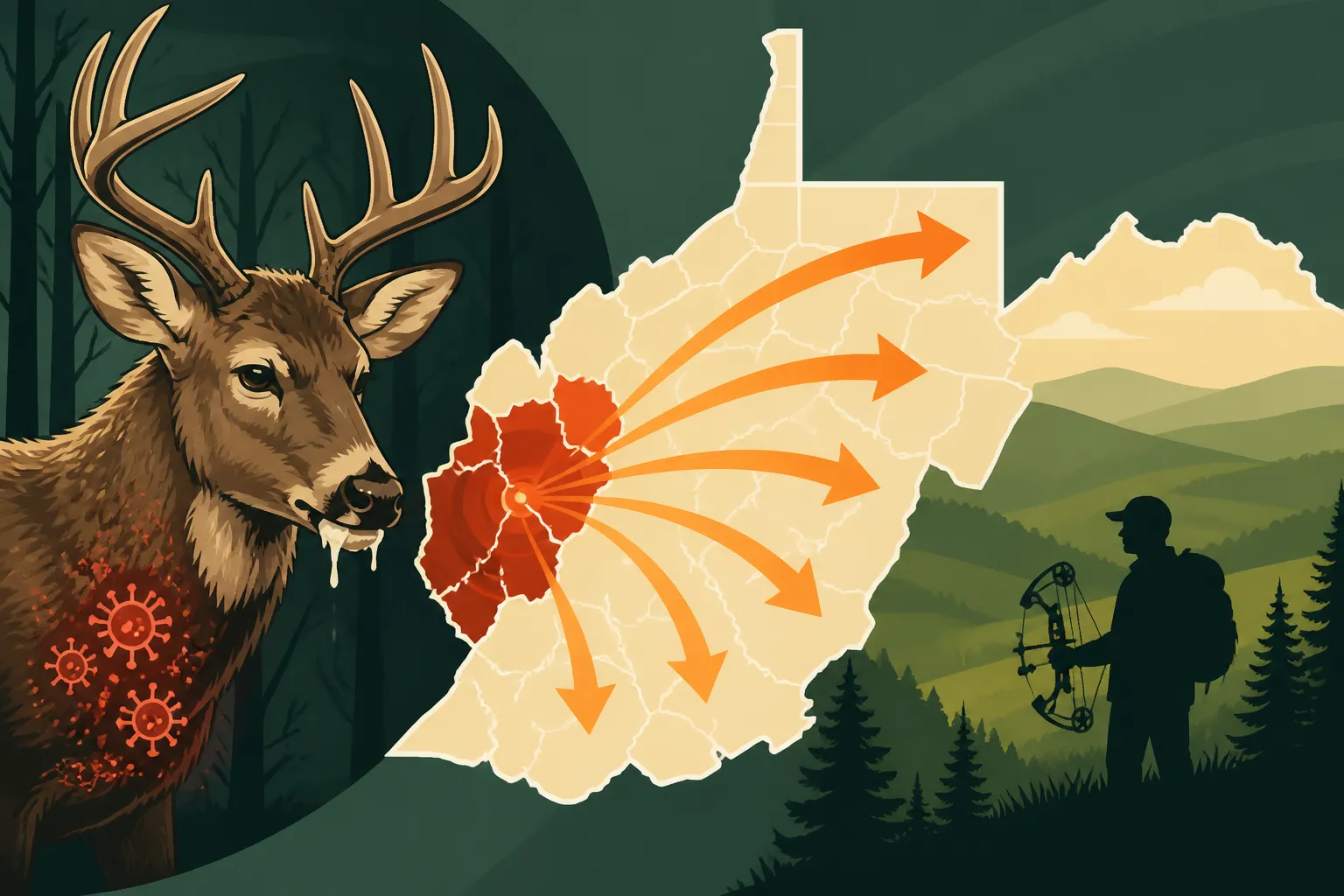
It was during the 2016 hunting season when the first positive case of CWD was confirmed in West Virginia. The deer, an adult buck, was harvested in Hampshire County, a region known for its robust deer population and strong hunting traditions. This wasn't a random discovery; the West Virginia Division of Natural Resources (WVDNR) had been actively monitoring for CWD for years, conducting targeted surveillance efforts. When the test results came back, confirming the presence of the deadly neurological disease, it wasn't a surprise to wildlife biologists, but it was still a gut punch for the hunting community. We had held our breath, hoping West Virginia would remain CWD-free, but that hope was definitively dashed. It highlighted the devastating reality that CWD doesn't respect state lines or county borders, especially in areas with contiguous deer habitat. This initial confirmation instantly put Hampshire County in the unwelcome spotlight as ground zero. You can dive deeper into the specifics of this origin by reading about Why Hampshire County Became West Virginia's CWD Ground Zero.
Early Reactions and Containment Zone Establishment
The immediate aftermath of the CWD confirmation was a whirlwind of information, regulations, and public concern. The WVDNR quickly established a CWD Containment Area, initially encompassing Hampshire County and parts of Morgan and Berkeley counties. This wasn't a decision made lightly, but a necessary step to try and limit the spread. For hunters, it meant new rules: mandatory CWD testing for deer harvested within the zone, restrictions on carcass movement, and a heightened awareness of the disease. I remember the discussions at deer camp that year, the worry etched on faces, the questions about what this meant for our hunting future. There was frustration, of course, because these rules changed how we'd always done things, but also a growing understanding that this was a serious threat demanding serious action. This initial containment effort was crucial for How West Virginia's CWD Containment Area Works, laying the groundwork for how the state would continue to manage the disease.
Understanding the Enemy: How CWD Operates and Spreads
To truly grasp how CWD managed to spread from its initial foothold, we need to understand the insidious nature of the disease itself. It's not like a typical virus or bacteria, and that's precisely what makes it so challenging to contain and, frankly, terrifying. It's a slow, progressive, and ultimately fatal neurological disease that affects cervids, including white-tailed deer, elk, and moose.
The Nature of Prions and Transmission Pathways
At the heart of CWD are abnormal proteins called prions. Unlike viruses or bacteria, prions are not living organisms; they are misfolded proteins that cause normal proteins in the brain to misfold as well, leading to brain damage. This process can take a long time, sometimes years, which is why infected deer often appear perfectly healthy for extended periods, silently shedding infectious prions into the environment. The primary transmission pathways are direct deer-to-deer contact, which occurs frequently during breeding season or at common food sources. Infected deer shed prions through saliva, urine, and feces. Imagine a deer licking a branch, urinating on a scrape, or defecating in a food plot – each action leaves behind these resilient prions. The incubation period means that a deer can be shedding infectious material for months or even years before showing any clinical signs, making early detection incredibly difficult. It's a ghost in the machine, slowly grinding away at the herd from within.
Environmental Persistence and Indirect Spread
One of the most concerning aspects of CWD is the extreme environmental persistence of prions. They are incredibly tough; they can withstand extreme temperatures, UV radiation, and even common disinfectants. Once shed into the soil, prions can remain infectious for years, perhaps even decades. This means that an area where an infected deer once stood, fed, or died can become a long-term source of infection for other deer that visit that site later. This indirect transmission pathway makes containment incredibly difficult. Even if every infected deer were removed today, the environment itself could continue to harbor the disease, leading to new infections. This environmental contamination contributes significantly to West Virginia CWD Prevalence in the Containment Area, making eradication a near impossibility and long-term management the only viable path. Understanding this resilience is key to understanding Chronic Wasting Disease in West Virginia Deer as a whole.
Mapping the Expansion: Tracing CWD's Journey Beyond Hampshire
From its initial detection in Hampshire County, CWD has, regrettably, not stayed confined. Like a slow-burning wildfire, it has gradually spread, expanding its footprint across the landscape. Tracing this progression is crucial for understanding the challenges faced by wildlife managers and hunters alike.
Neighboring Counties and Geographic Progression
After Hampshire County, the disease inevitably began appearing in adjacent counties. Mineral County, bordering Hampshire to the north, and then Hardy and Grant counties to the south and west, began reporting positive cases in subsequent years. This geographical progression is disheartening but predictable, given the natural movement of deer. Bucks, especially during the rut, can cover significant distances, moving between counties and potentially introducing prions to new areas. When you consider the topography of West Virginia, with its ridge and valley systems, deer often travel along these natural corridors, inadvertently carrying the disease with them. The initial containment zone had to be expanded several times to reflect this reality, a testament to how relentless and difficult CWD is to pin down. The WVDNR's regular surveillance, as detailed in West Virginia CWD Testing for Hunters, continues to reveal new affected areas, requiring constant adaptation of management strategies.
The Role of Deer Movement and Human Factors
Deer movement is, without a doubt, a primary driver of CWD's spread. A buck chasing a doe across a county line, a doe shifting her fawning grounds, or even small, local herd movements contribute to the subtle, gradual expansion of the disease. However, human activities can also play a significant, albeit often unintentional, role. The transportation of infected carcasses or parts of carcasses from CWD-positive areas to CWD-negative areas is a critical concern. Imagine a hunter harvesting a CWD-positive deer in Hampshire County, taking the carcass home to another county for processing, and then disposing of the high-risk parts (brain, spinal cord) on their property. This scenario, even if accidental, could introduce prions to a new, previously unaffected area. This is precisely why West Virginia Carcass Movement Restrictions are so important, even if they sometimes feel inconvenient to hunters. The ease with which we can travel across the state, combined with the love for sharing our harvests, means we have a critical responsibility to be informed and compliant.
Identifying New CWD Hotspots
Identifying new CWD hotspots isn't a simple task; it requires ongoing vigilance and robust sampling efforts. Each year, the WVDNR implements a strategic CWD surveillance plan, collecting samples from hunter-harvested deer, road-killed deer, and sometimes even sick-looking deer reported by the public. These samples are then sent to specialized labs for testing. The data from these tests helps build a picture of where CWD is present and, crucially, how prevalent it is in different areas. This continuous monitoring is what leads to the updates we see each year on the list of affected counties. Services like GoHunt can be valuable resources for hunters to stay informed about these updated CWD maps and special regulations that might apply to their hunting areas, helping them plan their hunts responsibly within these zones. The increasing number of counties designated as CWD-positive underscores the persistent challenge of controlling this disease.
Living with CWD: Management Strategies and Hunter Responsibilities
The reality is that CWD is likely here to stay in West Virginia, at least for the foreseeable future. This means a paradigm shift in how we approach deer management and, more importantly, how we, as hunters, interact with the disease. It's no longer a distant threat but a present challenge that demands our active participation.
West Virginia's CWD Containment Area Protocols
To combat the spread, the WVDNR has implemented a series of strict protocols within the designated CWD Containment Area. These aren't arbitrary rules; they are scientifically backed efforts to limit both direct and indirect transmission. Key protocols include:
- Mandatory Checking: All deer harvested in the CWD Containment Area must be brought to a CWD sampling station or self-sampled by trained hunters via the Go Wild West Virginia app. This ensures that a sufficient number of samples are collected to monitor the disease's prevalence and geographic spread. It's a commitment that takes time, but it's vital.
- Carcass Movement Restrictions: As mentioned, moving high-risk parts of a deer carcass out of the containment area is strictly prohibited. This means brains, spinal cords, eyes, and certain lymph nodes must remain within the containment zone. This doesn't apply to boned-out meat, cleaned skull plates, antlers, or hides without the head. This rule is particularly important to prevent human-assisted spread to new counties.
- Baiting and Feeding Restrictions: In some CWD-affected areas, baiting and feeding deer are prohibited. This is because concentrating deer at artificial feed sites can increase deer-to-deer contact, as well as lead to higher concentrations of prions in the immediate environment, thereby accelerating transmission.
These rules, while sometimes inconvenient, are our frontline defense. For more detailed information on specific county rules, checking West Virginia's Chronic Wasting Disease Counties is essential.
Mandatory Testing and Carcass Movement Restrictions
Let's talk a bit more about the practicalities of mandatory testing and carcass movement. When you harvest a deer in a CWD-positive county, you are required to have it tested. The WVDNR provides multiple options for this, including staffed check stations during the opening weekend of gun season and drop-off barrels in other periods. Some hunters might find it an added chore, but consider it your contribution to the long-term health of the deer herd. You can track the testing process and results through the WVDNR's online portal.
| County | CWD Status | Initial Detection Year | Carcass Restrictions (Within WV) | Mandatory Testing (Within WV) |
|---|---|---|---|---|
| Hampshire | CWD Positive / Containment Area | 2016 | Yes | Yes |
| Mineral | CWD Positive / Containment Area | 2018 | Yes | Yes |
| Morgan | CWD Positive / Containment Area | 2017 | Yes | Yes |
| Berkeley | CWD Positive / Containment Area | 2017 | Yes | Yes |
| Hardy | CWD Positive / Containment Area | 2020 | Yes | Yes |
| Grant | CWD Positive / Containment Area | 2021 | Yes | Yes |
| Pendleton | CWD Positive / Containment Area | 2023 | Yes | Yes |
| Jefferson | Monitored / Bordering Containment Area | Not Detected | No (but advised) | No (voluntary) |
(Note: This table reflects a hypothetical progression and current status; always check official WVDNR resources for the most up-to-date information.)
Beyond mandatory testing, understanding West Virginia Carcass Movement Restrictions is paramount. High-risk parts must be left within the county of kill or brought to a CWD collection site within the containment area. This isn't just about preventing CWD from moving state to state; it's about stopping it from jumping within West Virginia itself. If you plan to process your own deer, be sure you understand which parts are restricted and how to dispose of them properly. If you use a commercial processor, ensure they are also aware of and compliant with CWD regulations. For advice on handling your harvest from these areas, look into Handling Venison From a CWD Containment Area.
How Hunters Can Help Mitigate Spread
We, as hunters, are the first line of defense against further CWD spread. Our actions directly impact the health of the herd. Here's how you can actively contribute:
- Stay Informed: Regularly check the WVDNR website for the latest CWD updates, containment zone boundaries, and regulations. Use mapping apps like GoHunt to understand land ownership and county lines in relation to CWD zones.
- Comply with Regulations: Adhere strictly to mandatory testing requirements and carcass movement restrictions. These aren't suggestions; they are rules designed to protect the deer herd.
- Report Sick Deer: If you see a deer exhibiting symptoms consistent with CWD (emaciation, lethargy, drooling, abnormal behavior), do not harvest it. Instead, contact the WVDNR immediately. Knowing how to recognize and Reporting a Sick Animal in West Virginia can make a real difference.
- Process Locally: Whenever possible, process your deer within the county it was harvested, especially if it's in a CWD-positive zone.
- Support Research: Encourage and support state wildlife agencies in their CWD research and management efforts. Their work, including What Collared Deer Research Revealed in Hampshire County, provides invaluable insights.
The Broader Impact: Ecological, Economic, and Social Ramifications
The spread of CWD is more than just a biological problem; it has far-reaching consequences that ripple through our ecosystems, economies, and cherished hunting traditions. It's a complex issue with no easy answers, demanding our attention and commitment for the long haul.
Effects on Deer Populations and Herd Health
One of the most significant long-term concerns with CWD is its potential impact on deer populations and overall herd health. While the disease progresses slowly, it is 100% fatal. In areas where CWD has been present for a long time and reached high prevalence rates, like parts of Wisconsin or Wyoming, biologists have observed declining deer populations, particularly among older age classes of bucks. These are the very deer that contribute robust genetics and often lead to impressive antler growth, which many hunters value. A significant reduction in a healthy, mature deer population would have cascading effects on the ecosystem, influencing predator populations and vegetation dynamics. It's a slow drain on the vitality of the herd, one that we cannot ignore. The WVDNR monitors How Many Deer Have Tested CWD-Positive in West Virginia to understand these trends.
Challenges for Hunting Traditions and Local Economies
Beyond the biological impact, CWD poses a substantial threat to the rich hunting traditions that are woven into the fabric of West Virginia's culture. For generations, deer hunting has been a rite of passage, a way of life, and a significant contributor to local economies. The fear and uncertainty surrounding CWD can deter hunters, leading to reduced participation. This, in turn, can negatively impact small businesses that rely on hunters – gas stations, restaurants, sporting goods stores, and meat processors. Less hunting also means fewer license sales, which directly impacts the funding available for wildlife management and conservation efforts. The increased regulations, while necessary, can also make hunting feel more complex and less enjoyable for some, chipping away at the very essence of why we head to the woods. It's a stark reminder that diseases like CWD affect not just animals, but our entire way of life in the outdoors. Understanding the bigger picture, including West Virginia Wildlife Disease Monitoring, is crucial for all stakeholders.
Disclaimer
The information provided in this article is for general informational purposes only and is not intended as professional advice. Hunting regulations and CWD management protocols are subject to change. Always consult the official West Virginia Division of Natural Resources (WVDNR) website and current hunting regulations for the most accurate and up-to-date information before planning any hunting activities.