West Virginia Deer Harvest Records
Trying to make sense of all the deer harvest data released by the West Virginia Division of Natural Resources (WVDNR) can feel like trying to find a needle in a haystack, especially when you're just looking for insights to improve your next hunt. It's a lot of numbers, tables, and sometimes jargon that doesn't immediately translate to actionable information for folks out in the woods. This guide is here to demystify those West Virginia deer harvest records, breaking down what they mean, where to find them, and how you can actually use them to become a more informed and successful hunter.
Understanding West Virginia's Deer Harvest Data
For many of us, the deer harvest numbers are just annual statistics, but dig a little deeper, and you'll find a treasure trove of information that reflects the health of our deer herds and the success of past seasons. It’s more than just bragging rights; it's a vital tool for understanding deer behavior, population trends, and even hunter pressure across the state.
Why the Numbers Matter to Hunters
Deer harvest data is like a yearly report card for the entire state's deer population and, in a way, for us hunters too. It tells us how many deer were taken, where they were taken, and even gives us a glimpse into the sex and age structure of the herd. If you're seeing consistent declines in a particular area, it might signal overhunting, habitat loss, or other environmental factors. Conversely, steady or increasing numbers can indicate a thriving population and effective management. Knowing these trends can help you decide if a specific county or WMA is worth the effort, especially if you're planning a trip to unfamiliar territory. It's about making educated decisions rather than just picking a spot on a map.
Where to Find Official Harvest Reports
The WVDNR is the official source for all West Virginia deer harvest records. They typically compile and release this data annually, usually in the spring or early summer after the hunting seasons have concluded. You'll find these comprehensive reports on their website, often under sections dedicated to "hunting statistics" or "harvest results." Sometimes, they'll break it down by county, management area, or even by weapon type, which can be incredibly useful. While the WVDNR website is the primary hub, reputable hunting data platforms, and even tools like those offered by GoHunt, often aggregate and present this public information in more user-friendly formats, sometimes with mapping overlays that can help visualize the data more effectively. Remember, accurate data starts with honest reporting, so always make sure to fulfill your West Virginia Deer Reporting Requirements after a successful hunt.
Challenges in Interpreting Raw Data
Let's be real, looking at a spreadsheet full of numbers can be daunting. The raw data provided by the WVDNR, while thorough, often requires a bit of statistical literacy to fully grasp. You might see columns for total harvest, antlered harvest, antlerless harvest, harvest per square mile, and more, all broken down by county and year. It's easy to get lost in the sheer volume. One common pitfall is looking at a single year's data in isolation. A really mild winter or a particularly harsh one can skew numbers for a given season, making a single year less indicative of long-term trends. Another challenge is understanding how hunting pressure impacts the numbers. A high harvest in a popular public land area might not mean there are more deer; it might just mean there are more hunters. It takes a careful eye and a bit of contextual understanding to truly pull valuable insights from the raw statistics.
Key Metrics in West Virginia Deer Harvest Records
When you dive into those harvest reports, there are a few key metrics that really tell the story of West Virginia's deer population. Understanding these different categories will give you a much clearer picture of what's happening on the ground and how it might impact your hunting strategy.
Total Annual Harvest Numbers
This is the big one, the headline number often quoted: the total number of deer harvested across the entire state in a given year. It's a broad indicator of the overall health and abundance of the West Virginia deer herd. A consistently high total harvest usually suggests a robust deer population statewide. However, a slight dip isn't necessarily a cause for alarm. Factors like weather during key hunting weekends, acorn crop failures, or even shifts in hunter participation can cause year-to-year fluctuations. For instance, a rainy opening weekend of buck gun season can significantly depress harvest numbers, even if the deer population remains strong. Conversely, ideal weather can inflate numbers, making the herd appear healthier than it truly is. Looking at the total annual harvest over a five or ten-year period provides a much more stable and reliable trend line. You can compare these figures against the West Virginia Deer Population Estimate to get a sense of harvest pressure relative to the overall herd size.
Antlered Versus Antlerless Deer Harvest
This distinction is crucial for understanding the population dynamics and management goals in different areas. Antlered deer, primarily bucks, are often targeted for trophies and meat, while antlerless deer (does and button bucks) are critical for population control. A high antlered harvest indicates a healthy buck population, often with a good age structure if enough older bucks are being taken. A robust antlerless harvest, on the other hand, is a sign that wildlife managers are effectively controlling deer numbers to prevent overpopulation, which can lead to habitat degradation and increased disease risk. The ratio between antlered and antlerless harvest can vary wildly by county due to differing regulations and hunter preferences. In areas with liberal antlerless opportunities, you'll naturally see a higher doe harvest, which is essential for balancing the herd. This is especially true in counties with specific West Virginia County-Specific Antlerless Rules designed to reduce deer numbers.
Harvest Trends Over Time
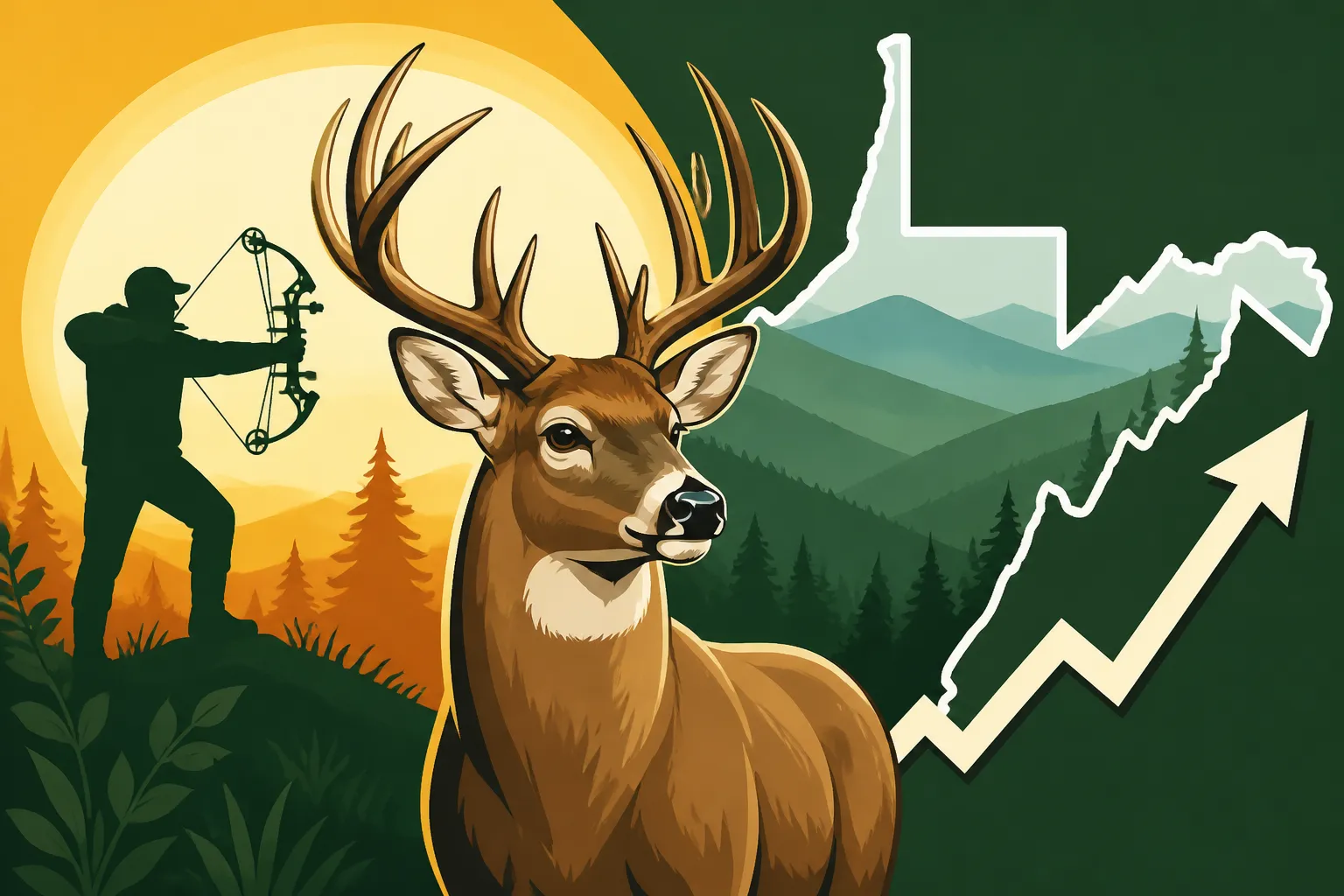
Just looking at a single year’s numbers is like looking at one frame of a movie – you're missing the whole plot. Harvest trends, observed over multiple years or even decades, reveal the true story of West Virginia’s deer management success and challenges. Are total harvests generally increasing, decreasing, or holding steady? What about the buck-to-doe ratio in the harvest? A long-term decline might point to habitat issues, increased predation, or disease concerns like Chronic Wasting Disease (CWD). Conversely, a steady increase often indicates successful conservation efforts and a well-managed population. For example, if you track the harvest in the Eastern Panhandle, you might see how the increasing CWD prevalence could eventually impact those numbers, necessitating adaptive management strategies. Platforms like GoHunt can be invaluable for visualizing these long-term trends, allowing you to plot harvest data over multiple seasons and identify patterns that might not be obvious in raw spreadsheets.
Regional Differences in Deer Harvest
West Virginia is a state of incredible diversity, from the Appalachian peaks to rolling farmlands, and this geographical variation profoundly impacts deer populations and, subsequently, harvest records. What you see in one corner of the state can be completely different from another.
Eastern Panhandle's Harvest Dynamics
The Eastern Panhandle counties, like Hampshire, Hardy, and Berkeley, are often hotbeds for deer activity and boast some of the highest harvest numbers in the state. This region is characterized by a mix of agricultural fields, mature timber, and rolling hills, providing an ideal mosaic of food sources and cover. Hunters here often report seeing more deer and typically have higher success rates. The presence of significant private land holdings, sometimes managed specifically for quality deer, also plays a role in fostering healthy herds and larger deer. The harvest dynamics here often show a strong interest in antlered deer, but also a healthy antlerless harvest to manage the burgeoning populations that thrive on the rich food sources. However, it's also the region most impacted by West Virginia's Chronic Wasting Disease Counties, which can introduce new complexities to harvest data and management directives. Hunters in these counties, for instance, face mandatory CWD testing in some areas, which adds another layer to data collection. If you're Hunting the Eastern Panhandle, these harvest reports are essential reading.
Southern Coalfields and Mountain Zones
Moving south and into the higher elevations of the Allegheny Mountains, such as Pocahontas, Randolph, and Greenbrier counties, the harvest picture changes significantly. These regions are dominated by vast tracts of public land, dense timber, and rugged terrain. While deer are present, their densities are often lower than in the Eastern Panhandle, and the hunting can be physically demanding. Harvest numbers in these mountain zones tend to be lower overall, but often reflect a higher proportion of older, larger-bodied deer for those willing to put in the work. The challenge here isn't necessarily finding deer, but accessing them in tough topography. Harvest data here can sometimes show a higher impact from severe winters, as the deer populations are more susceptible to deep snow and limited food availability. The four southern counties of Logan, McDowell, Mingo, and Wyoming, which are West Virginia's Archery-Only Southern Counties, also present unique harvest dynamics, as they don't have a gun season, leading to different hunting pressure and age structures in their deer.
Ohio River Valley and Central Hardwoods
Along the Ohio River Valley and extending into the central hardwood regions, you'll find another distinct set of harvest characteristics. Counties like Jackson, Mason, and Wood, with their mix of river bottoms, agricultural fields, and hardwood ridges, offer excellent deer hunting opportunities. These areas tend to have strong deer populations, often with impressive body weights due to rich forage. The harvest numbers usually fall somewhere between the high-density Eastern Panhandle and the lower-density mountain regions. Hunters here often leverage tactics suited for mixed agricultural and timbered landscapes, such as hunting field edges or creek bottoms. For those Hunting Ohio River Valley Bottomland, harvest data can help identify specific pockets of high deer activity. The data from these regions often reflects a balanced harvest of both antlered and antlerless deer, driven by a combination of diverse habitat and accessible hunting grounds.
Factors Influencing West Virginia's Deer Harvest
It's not just about the deer themselves; a multitude of external factors can dramatically influence how many deer are harvested each season. Understanding these influences helps you look beyond the raw numbers and grasp the 'why' behind the trends.
Weather Conditions and Hunter Effort
Oh, how the weather plays a role in our hunting success! A warm, sunny opening day of buck gun season might mean more hunters out in the woods, increasing the potential for harvest. Conversely, a bitter cold front, heavy rain, or even thick fog can keep hunters home, leading to a dip in reported numbers, regardless of how many deer are actually out there. Think about the impact of a significant snowfall; it might concentrate deer, making them easier to find, but it can also make travel and hunting conditions miserable for hunters. West Virginia's unpredictable weather patterns, from early fall warmth to late season freezes, constantly shape hunter effort and, by extension, the harvest totals. Even during Hunting the Rut in Mid-November, specific weather patterns, like a sharp temperature drop, can trigger increased deer movement and lead to higher success rates.
Habitat Quality and Food Availability
Deer, like any wild animal, need food, water, and cover to thrive, and the quality of their habitat is a primary driver of population health and harvest success. Areas with abundant natural mast crops, like acorns and beechnuts, or agricultural fields offering corn and soybeans, will generally support higher deer densities. When the acorn crop is a bust, deer might move to different areas or rely more heavily on browse, impacting where hunters find them and potentially reducing the harvest. The long-term trends in timber harvesting, forest regeneration, and even the spread of invasive plants can alter habitat quality over time, affecting deer numbers. In places like the Monongahela National Forest, areas with diverse forest age classes and food sources often show higher harvest numbers. Actively researching Late-Season Food Sources for West Virginia Whitetails can turn a slow hunt into a successful one by directing you to where deer are concentrated.
Disease and Predation Impacts
Deer are susceptible to various diseases, and while West Virginia has seen relatively few widespread outbreaks of EHD (Epizootic Hemorrhagic Disease), Chronic Wasting Disease (CWD) is a growing concern, particularly in the Eastern Panhandle. CWD is a fatal neurological disease that can decimate deer populations over time. Harvest data from CWD-affected counties, like those in the West Virginia's Chronic Wasting Disease Counties containment area, can reflect efforts to manage the disease, such as increased antlerless harvest recommendations. Predation, primarily by coyotes, also plays a role, especially on fawns. While coyote predation is unlikely to significantly impact statewide harvest numbers, it can contribute to lower fawn recruitment in certain localized areas, which eventually affects the overall population. The WVDNR monitors these factors closely, and their harvest reports sometimes include notes on disease prevalence or observed predation impacts.
How Harvest Records Inform Management Decisions
The primary reason the WVDNR meticulously collects and analyzes deer harvest records is to make informed management decisions. These numbers aren't just for our curiosity; they are critical scientific data points used to maintain a healthy and sustainable deer population for future generations of hunters.
Setting Season Dates and Bag Limits
Harvest data is the backbone of West Virginia's deer season structure. By analyzing long-term trends in antlered and antlerless harvest, hunter effort, and population surveys, the WVDNR can determine appropriate season lengths, opening and closing dates, and bag limits. If data suggests a particular county has an overpopulation of does, they might increase the antlerless bag limit or extend the antlerless season there. Conversely, if buck harvest numbers show a declining age structure, they might consider implementing antler point restrictions or reducing the buck bag limit to allow more young bucks to mature. It's a delicate balancing act, and the data guides these crucial decisions year after year. Understanding the West Virginia Deer Season Structure Explained will help you see how these decisions are put into practice.
Addressing Chronic Wasting Disease
The emergence and spread of CWD in West Virginia has added a new, critical dimension to deer management, and harvest records are central to the response. In CWD containment areas, harvest data helps the WVDNR monitor the prevalence and geographic spread of the disease. Mandatory CWD testing of harvested deer in these zones provides crucial samples for analysis. If the data shows a rising prevalence, management strategies might involve increasing harvest opportunities (especially antlerless) to reduce deer densities and slow the disease's transmission. Carcass movement restrictions and mandatory reporting further contribute to the data pool, allowing wildlife biologists to track the effectiveness of their CWD mitigation efforts. When considering a hunt in one of these areas, checking the latest CWD data is as important as scouting.
Public Land Management Strategies
West Virginia's vast public lands, including the Monongahela National Forest and numerous West Virginia Wildlife Management Areas, are vital for many hunters. Harvest records specifically from these public tracts help the WVDNR and other land management agencies fine-tune their strategies. For example, if a WMA consistently shows very low harvest numbers despite good habitat, it might indicate excessive hunter pressure driving deer off, or perhaps a need for habitat improvements. Conversely, a WMA with high, sustainable harvest numbers is likely a model of effective management. This data can influence timber sales, controlled burns, food plot placements, and even trail maintenance, all with the goal of enhancing deer habitat and hunting opportunities. For example, knowing the harvest history of a particular WMA can inform your strategy when still-hunting Cranberry WMA ridges.
Tips for Using Harvest Data in Your Hunt Planning
Okay, so we've broken down what the harvest records are and why they matter to the WVDNR. But how can you, the everyday hunter, actually use this information to put more venison in the freezer or tag that elusive buck? Let's talk practical application.
Identifying High-Performing Counties
One of the most immediate benefits of looking at harvest data is identifying which counties consistently produce high deer harvests. If you're planning a trip to a new area or just looking for a change of scenery, starting with the top-performing counties, based on total harvest or harvest per square mile, can significantly increase your odds. For example, counties in the Eastern Panhandle, like Hardy or Hampshire, often rank high in overall deer harvest, indicating robust populations. However, don't just chase the highest raw numbers. Consider the harvest per square mile; a smaller county with a high per-square-mile harvest might be more productive than a larger county with a higher total but lower density. For trophy hunters, looking at the average antler spread or age class data (if available) can help identify the Best West Virginia Counties for Big Bucks. GoHunt tools can be particularly useful here, as they often allow you to filter and sort harvest data to quickly pinpoint these hotspots.
Understanding Local Pressure and Patterns
High harvest numbers in a county can sometimes mean high hunter pressure. This is where you need to read between the lines. A county might have a huge total harvest, but if it's primarily coming from private land, or if most public land areas are hammered on opening day, your experience might be different. Look for specific WMA or national forest harvest data if available. If a particular public land tract consistently shows low harvest relative to its size, it might be due to low deer density, or it might mean it's overlooked and holds hidden gems for those willing to walk. Conversely, knowing that a specific area gets hit hard on opening weekend might encourage you to Hunting the Late-Season December Lull or focus on less accessible terrain that sees fewer boots on the ground. This requires a bit of detective work, cross-referencing harvest numbers with public land maps and aerial photography.
Leveraging Data for Scouting
Once you've narrowed down a region or even a specific public land area using harvest data, you can really start to leverage it for your scouting efforts. If a county has a high antlerless harvest, it might indicate good deer numbers but also a lot of hunter activity focused on population control. If buck harvest numbers show a good proportion of older bucks, it suggests a healthy age structure and opportunities for trophy hunting. You can then use this knowledge to inform your physical scouting. Are there specific habitat types (like mature oaks or creek bottoms) that align with historical harvest success in that area? Does the terrain offer secluded pockets that might hold deer pressured from more accessible areas? This kind of analytical scouting, combined with tools like GoHunt that integrate mapping with harvest data overlays, can make your time in the woods much more efficient. Don't forget that Scouting West Virginia Public Land Before Season is always a critical step, and harvest data simply adds another powerful layer to your preparation.
Disclaimer
Please remember that hunting regulations, season dates, and reporting requirements can change. Always consult the official West Virginia Division of Natural Resources (WVDNR) regulations and guidelines before planning and participating in any hunting activity. This guide is intended for informational purposes only and does not supersede official WVDNR rules. Stay safe and hunt ethically.