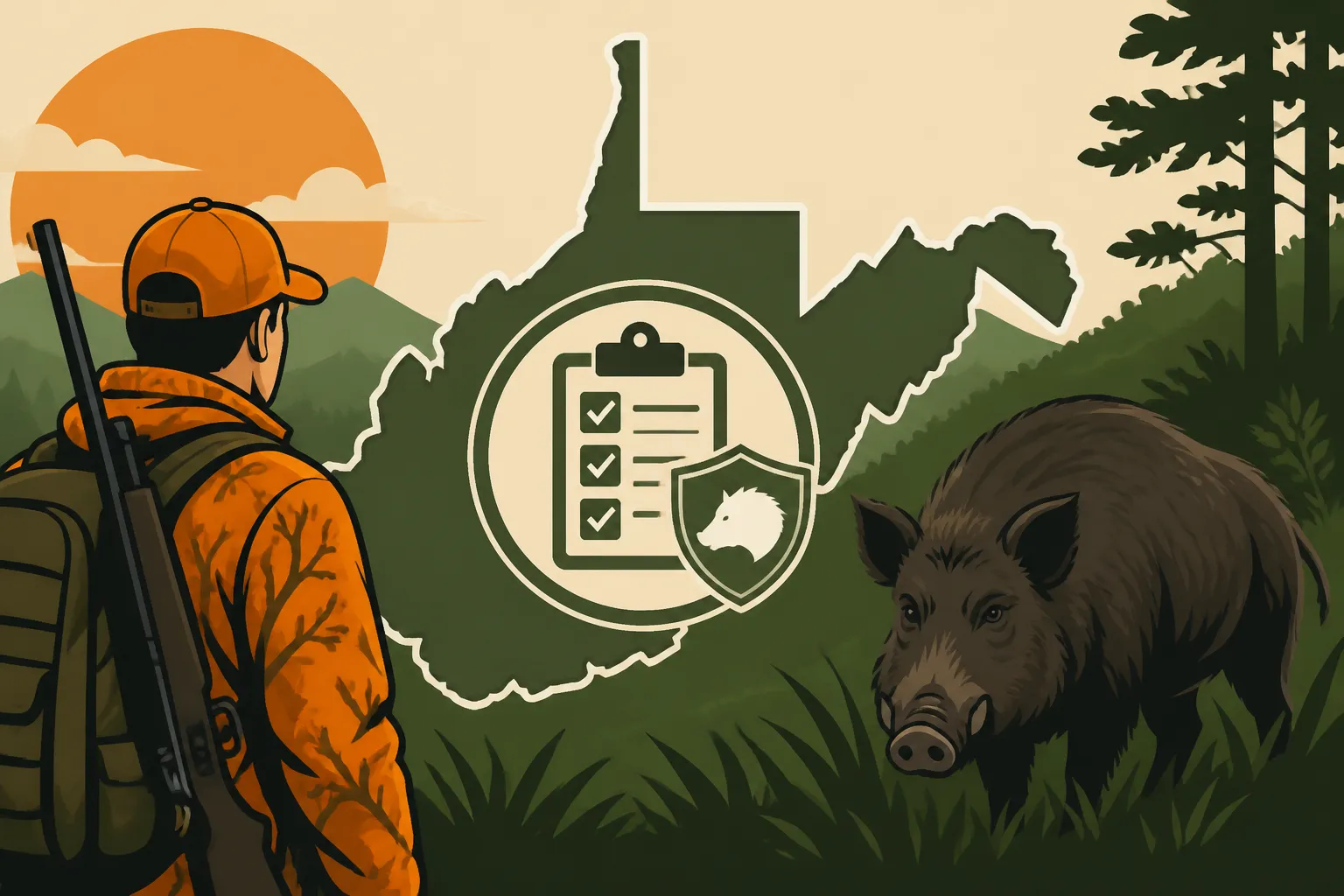
West Virginia Hog Hunting Permit Requirements
It can be incredibly frustrating trying to make sense of hunting regulations, especially when it comes to a species that seems to exist in a grey area, like feral hogs in West Virginia. Many hunters assume there's a special permit, an application, or some hidden hoop they need to jump through to pursue these destructive animals. But the truth is, the very nature of feral hogs as an invasive species means the rules are quite different from traditional game animals. This guide will cut through the confusion and explain exactly what you need – and what you absolutely don't – to hunt feral hogs in the Mountain State.
The Current Landscape of Feral Hog Regulations in West Virginia
Let's clear the air right away: if you're looking for a dedicated "West Virginia Hog Hunting Permit," you won't find one. That's because the state views feral hogs not as a game species to be managed, but as an invasive, destructive nuisance to be eradicated. This fundamental difference shapes all the rules, or rather, the lack thereof, when it comes to pursuing them. It's a stark contrast to how we approach deer or turkey, where season dates, bag limits, and specific tags are par for the course.
Understanding West Virginia's "Unprotected" Species Status
The West Virginia Division of Natural Resources (WVDNR) classifies feral swine (another term for feral hogs) as an "unprotected species." What this means for hunters is significant: there is no closed season, no bag limit, and no specific weapon restrictions beyond what's generally legal for hunting in West Virginia. You can pursue them year-round, at any time of day or night, and with pretty much any legal firearm or archery equipment you choose. This designation really highlights the state's aggressive stance on controlling these animals that cause so much damage.
This "unprotected" status is a direct reflection of the severe ecological and agricultural damage that feral hogs inflict across the state. They destroy crops, root up pastures, contaminate water sources, and even prey on native wildlife like fawns and turkey poults. The WVDNR's goal isn't to create a sustainable hunting opportunity but to reduce populations as much as possible. If you want to dive deeper into the state's approach, take a look at the official guidelines on West Virginia Feral Hog Regulations. This context helps explain why the rules are so straightforward – they want hunters to help, and they're not putting up barriers.
Debunking the Myth of a Specific Hog Hunting Permit
Given the detailed regulations for nearly every other species, it's completely understandable why so many hunters believe there must be a specific permit for hogs. We're conditioned to look for licenses and stamps! However, as mentioned, there's no special West Virginia hog hunting permit. This means you don't need to apply, pay extra fees, or check a specific box on your license application just for hogs. Your general West Virginia hunting license is what you'll need if you're hunting on public land, but even that isn't required for private land if you're the landowner or hunting with express permission.
The key takeaway here is simplicity, driven by necessity. The WVDNR doesn't want to create bureaucratic hurdles that might deter hunters from helping to control these destructive animals. They want you out there. The only "permit" you truly need to worry about is the implicit understanding that you're helping manage an invasive problem, not just harvesting game. This ease of access, however, doesn't mean you can throw caution to the wind. All other general hunting laws, such as firearms safety and landowner rights, still apply.
Year-Round Hunting on Private Land: What You Need to Know
Hunting feral hogs on private land offers the most flexibility, largely because you're dealing directly with the landowner and typically face fewer regulatory layers than on public land. It's often where the most effective long-term control efforts take place, especially for dedicated groups or individuals. Just remember, while the rules might seem looser, respecting property and safety always comes first.
Landowner Permission and the Importance of Documentation
When you're stepping onto someone else's property, getting explicit permission is not just good manners, it's the law. For feral hogs, this is even more critical, especially since you might be hunting at night or employing methods like trapping that could easily be mistaken for poaching or illegal activity without prior arrangement. Always get clear, preferably written, permission from the landowner before you set foot on their property. This document should specify who can hunt, what they can hunt, when, and with what methods. It protects both you and the landowner.
Many landowners are desperate for help with hog control, as these animals can decimate crops and pastures overnight. Approaching them with a clear plan and demonstrating respect for their property can open up significant opportunities. Remember, even if you are the landowner, your property still needs to be clearly marked if you don't want others on it. If you're looking to gain access, our guide on Getting Private Land Permission in West Virginia offers some fantastic tips. This upfront effort will save you a lot of headaches down the line.
Safe and Ethical Hunting Practices for Hogs
Just because hogs are an unprotected species doesn't mean ethical considerations fly out the window. Responsible hunting still applies. This includes knowing your target, ensuring a clean kill, and respecting the animal, even if it's considered a pest. When hunting, especially at night or in groups, clear communication and a firm understanding of shooting lanes are paramount. Feral hogs can be tough animals, so using appropriate calibers and shot placement is crucial to avoid wounding animals that then escape to suffer.
Furthermore, consider the environment. Hogs often frequent agricultural fields and sensitive ecological areas. Minimize disturbance to crops and land, and always pack out what you pack in. Even though the primary goal is eradication, we still owe it to the land and the animals to hunt responsibly. Utilizing tools like the GoHunt app can help you map out your hunting areas on private land, identify safe shooting zones, and even mark hog sign for future reference, allowing for a more strategic and safer approach. For those interested in deeper engagement, knowing about West Virginia's Year-Round Hog Rule on Private Land will further clarify what's permissible.
Navigating Public Lands for Feral Hogs in West Virginia
Hunting feral hogs on West Virginia's public lands is certainly an option, but it comes with a slightly different set of rules compared to private property. While you still don't need a specific hog permit, you do need to adhere to all general public land hunting regulations, which are designed to manage hunter safety and preserve wildlife for everyone. Public land can be a great resource, but it requires diligent homework on your part.
General Hunting License Requirements on Public Land
Unlike private land where you might only need landowner permission, if you're hunting feral hogs on public land in West Virginia, you absolutely must possess a valid hunting license. This isn't a "hog permit," but rather your standard West Virginia Hunting Licenses and What They Cost to be legally afield for any species, including unprotected ones. These licenses fund conservation efforts and ensure you're part of the regulated hunting community. Make sure your license is current and that you have all necessary stamps, depending on your residency and other hunting activities you might pursue simultaneously.
Beyond the license, all other general regulations for public land apply. This includes things like blaze orange requirements during certain seasons, restrictions on vehicle access, and rules regarding tree stands or ground blinds. While the season for hogs is year-round, if you're hunting during, say, buck gun season, you'll still need to wear your blaze orange. It's about being a responsible hunter sharing the woods with others. Many hunters use mapping applications like GoHunt to confirm public land boundaries and specific WMA rules, ensuring they're always in compliance.
Specific WMA or National Forest Considerations for Hogs
While the overarching rule is that feral hogs are unprotected, specific Wildlife Management Areas (WMAs) or sections of the Monongahela National Forest might have additional, localized rules that apply to all hunting, including for hogs. These can include restrictions on certain weapon types, limitations on access, or specific check-in procedures. For instance, some WMAs might have different rules for target shooting, which could impact how you carry or discharge a firearm when not actively hunting.
Before heading out, it's crucial to check the WVDNR website for the specific WMA or National Forest area you plan to hunt. Don't assume. A quick call to the local WVDNR office or forest service ranger can also clear up any doubts. Knowing the lay of the land, including access points and potential closures, is vital for a successful and legal hunt. Our guide on Public Hunting Land in West Virginia can be a great starting point for finding suitable areas.
Best Practices for Effective Feral Hog Management
Hunting feral hogs isn't just about bagging an animal; it's a critical component of managing an invasive species that causes immense damage. For true effectiveness, hunters often employ a combination of strategies beyond just traditional spot-and-stalk or stand hunting. Understanding these methods can significantly increase your success and contribution to controlling the population.
Trapping as a Primary Control Method
For large-scale or sustained control, trapping is often the most effective method, particularly for removing entire sounders (groups of hogs). Hogs are intelligent and learn quickly, but their strong social bonds make trapping sounders possible. This involves setting up robust traps, often panel traps or large cage traps, and baiting them heavily for several days or weeks to habituate the hogs to feeding within the trap area. The goal is to capture as many hogs from a sounder as possible at once.
Trapping requires significant effort and knowledge, but it yields the highest success rates for population reduction. It's a year-round effort, much like the hunting itself. If you're serious about making a dent in local hog populations, especially on private land where a landowner is suffering damage, look into the specific details of Trapping West Virginia Feral Hogs. It's a commitment, but the payoff in terms of eradicated hogs can be immense.
Night Hunting and Thermal Optics Where Legal
Feral hogs are often nocturnal, especially in areas with hunting pressure. This makes night hunting an incredibly effective strategy. On private land with landowner permission, night hunting for hogs using artificial lights, night vision, or thermal optics is legal in West Virginia. This is where you can really gain an advantage, as these tools allow you to spot and engage hogs that would otherwise be hidden by darkness.
Before you invest in expensive gear, ensure you understand the specific rules for your hunting area. As always, private land offers the most flexibility for night hunting. If you're considering this method, you'll want to read up on Night Hunting Hogs With Lights on Private Land. It's a thrilling and highly effective way to target these animals, but safety and legal compliance are paramount. Using a mapping platform like GoHunt can help you visualize your hunting area at night, marking access routes and potential hazard zones.
Comparing Hog Hunting Rules: Private vs. Public Land
To summarize the key differences and ensure clarity, here's a quick comparison of what you need and what you don't for feral hog hunting in West Virginia:
| Feature | Private Land (with permission) | Public Land (WMA, National Forest) |
|---|---|---|
| Specific Hog Permit | NOT Required | NOT Required |
| General Hunting License | NOT Required (if landowner/guest) | REQUIRED |
| Season Dates | Year-round | Year-round |
| Bag Limit | None | None |
| Weapon Restrictions | General WV legal weapons | General WV legal weapons |
| Night Hunting | Permitted with landowner consent, artificial light/thermal OK | Generally NOT Permitted (check WMA/Forest rules) |
| Trapping | Permitted with landowner consent | Check WMA/Forest rules; often restricted |
| Blaze Orange | Not required (unless hunting other game in season) | REQUIRED during certain seasons (check WVDNR) |
| Landowner Permission | REQUIRED | N/A (implied by license) |
This table clearly shows that while the "unprotected" status provides flexibility, the type of land you're on dictates the most significant differences in requirements. The main constant is the absence of a specific West Virginia hog hunting permit.
Final Thoughts on West Virginia Hog Hunting
Hunting feral hogs in West Virginia isn't like hunting any other animal. It's a year-round, no-limit endeavor aimed at mitigating a serious ecological threat. The good news is that the WVDNR has made it as straightforward as possible for hunters to participate, largely by removing bureaucratic hurdles like dedicated permits. Your focus should be on obtaining proper landowner permission for private land, carrying a valid hunting license for public land, and always prioritizing safety and ethical practices. The more hunters who responsibly pursue these destructive animals, the better for West Virginia's native wildlife and agricultural resources.
Happy hunting, and remember, every hog removed is a win for the Mountain State!
Disclaimer
The information provided in this guide is for general informational purposes only and does not constitute legal advice. Hunting regulations can change frequently. Always consult the most current West Virginia Division of Natural Resources (WVDNR) official regulations and local ordinances before engaging in any hunting activity. It is the hunter's responsibility to know and obey all applicable laws.