West Virginia Bonus Antlerless Tag Purchase Rules
Trying to navigate the seemingly endless array of hunting regulations, especially when it comes to specific tags, can be a real headache. Many hunters find themselves scratching their heads, wondering how to get those extra antlerless tags that can make a big difference in managing their local deer population or simply filling their freezer. This guide aims to clear up all the confusion around West Virginia's bonus antlerless tag purchase rules, explaining exactly who can buy them, when, where, and how to use them effectively.
Understanding West Virginia's Bonus Antlerless Tags
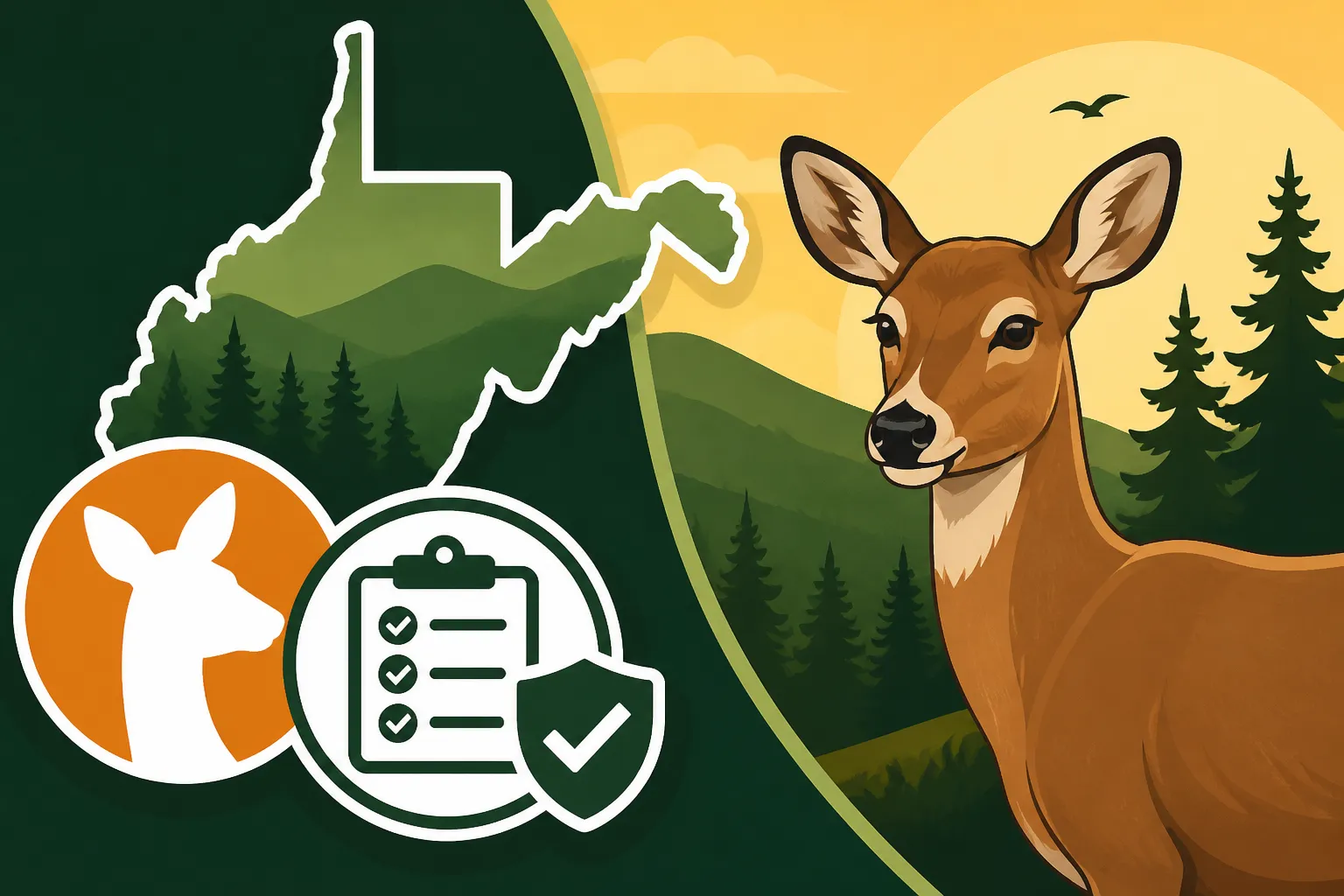
West Virginia's bonus antlerless tags are a crucial component of the state's deer management strategy. Unlike your basic Class A or Class X hunting license, which typically includes a certain number of deer tags, these bonus tags allow hunters to harvest additional antlerless deer beyond their standard bag limit in designated areas and seasons. It's a system designed to give the West Virginia Division of Natural Resources (WVDNR) flexibility in addressing localized deer overpopulation issues, reducing crop damage, and maintaining a healthy, balanced herd.
The Purpose Behind Bonus Tags
Imagine an area where deer numbers are consistently high, leading to overbrowsing of habitat, increased deer-vehicle collisions on local roads, or significant crop damage for farmers. The WVDNR can designate these areas for additional antlerless harvests. The bonus tags provide a direct mechanism for hunters to help achieve these management goals. By encouraging the harvest of more does, the WVDNR aims to bring the population back into balance with the available habitat, ensuring healthier deer and more sustainable hunting opportunities for everyone in the long run. It's not just about more hunting; it's about responsible stewardship. You can learn more about the overall strategy in our deep dive into the state's West Virginia Deer Season Structure Explained.
What Makes Them "Bonus"?
The "bonus" aspect simply means these tags are in addition to the deer tags you receive with your regular hunting license. For example, a resident hunter purchasing a Class A license automatically receives tags for specific deer (often one buck and specific antlerless deer depending on county regulations and season). Bonus antlerless tags allow you to purchase and fill additional antlerless tags, usually up to a certain limit, for specific counties or Wildlife Management Areas (WMAs). This system offers a flexible way to increase harvest pressure where it's most needed without drastically altering the core statewide regulations.
Eligibility and Restrictions for Bonus Antlerless Tags
So, you're ready to buy some bonus tags and help manage the deer herd. But who's actually eligible, and what are the critical restrictions you need to be aware of? This isn't a free-for-all; there are specific rules governing who can purchase and utilize these valuable tags. Understanding these parameters is key to staying legal and making the most of your hunting season.
Resident and Non-Resident Hunter Eligibility
Generally, both resident and non-resident hunters are eligible to purchase bonus antlerless tags, provided they hold the necessary base hunting licenses. For West Virginia residents, this typically means a Class A hunting license or a Class X Sportsman's license, which combines hunting, fishing, and trapping privileges. Non-residents will need to purchase a valid non-resident hunting license. It's crucial that your base license is current and covers the deer hunting season. Without it, the bonus tags are invalid. The WVDNR's goal is to engage all licensed hunters in herd management, regardless of their residency status, as long as they follow the appropriate licensing procedures. For more details on what you might need, check out our articles on West Virginia Resident License Options and West Virginia Nonresident License Options.
County and Season Specificity
Here's where it gets really specific: bonus antlerless tags are not valid statewide. They are tied to specific counties and often to particular hunting seasons. The WVDNR publishes a list each year outlining which counties allow bonus antlerless harvests and during which segments of the deer season (e.g., early antlerless season, regular archery, muzzleloader, or firearms season). It's incredibly important to consult the current hunting regulations summary before purchasing any tags, as these designations can change year to year based on herd assessments. Using a bonus tag in a county or during a season where it's not permitted is a violation and can lead to penalties. Many hunters rely on resources like the official WVDNR website or mapping tools from companies like GoHunt to confirm these crucial details for specific areas.
Quantity Limits and Bag Limits
While they're called "bonus" tags, there isn't an unlimited supply for any one hunter. The WVDNR sets a maximum number of bonus antlerless tags a single hunter can purchase for a given license year. This limit is designed to spread the opportunity and responsibility of antlerless harvest across more hunters while still allowing for effective population control. Furthermore, even with bonus tags, there are often daily and season bag limits for antlerless deer in specific counties. Always be mindful of both the maximum number of bonus tags you can buy and the total number of antlerless deer you can legally harvest in a season in any given county, even with multiple tags. This ensures that the harvest remains controlled and targeted.
Purchasing Your Bonus Antlerless Tags
Once you've confirmed your eligibility and identified the counties where you want to hunt antlerless deer, the next step is actually purchasing these tags. The WVDNR has made the process relatively straightforward, with a few different options available to hunters. Understanding these options and the associated timelines will save you a lot of hassle and ensure you're ready to hit the woods when the season opens.
Online Through the Go Wild West Virginia System
The most convenient way for many hunters to purchase their bonus antlerless tags is online through the Go Wild West Virginia licensing system. This digital platform allows you to manage all your hunting and fishing licenses and permits from the comfort of your home. You'll need to create an account or log in with your existing credentials. Once logged in, navigate to the "Purchase Licenses and Permits" section, and you should find the option for "Bonus Antlerless Deer Tags" or similar wording. The system will guide you through selecting the appropriate tags and completing the purchase with a credit card. It's an efficient way to ensure you have all your necessary paperwork before the season starts. For more detailed steps, refer to our article on Buying a License on Go Wild West Virginia. Many users find the GoHunt app or similar digital tools helpful for confirming specific regulations as they navigate the purchasing process.
Authorized License Agents
For those who prefer a more traditional route or need in-person assistance, bonus antlerless tags can also be purchased from authorized license agents across the state. These agents typically include sporting goods stores, bait shops, and some general stores. When you visit an agent, they will use a point-of-sale system connected to the Go Wild West Virginia database. You'll need to provide your hunter ID number (found on your existing licenses) and specify the type and quantity of bonus antlerless tags you wish to purchase. The agent can then print your tags directly for you. This option is particularly useful if you have questions or need last-minute tags before heading into the field.
Important Purchase Windows and Deadlines
It's crucial to pay attention to the purchase windows and deadlines for bonus antlerless tags. While some tags might be available throughout the season, others may have specific purchase periods, especially if they are tied to a limited-entry or early antlerless season. Always check the official WVDNR regulations summary for the current year to confirm these dates. Missing a purchase deadline means you miss the opportunity to obtain those tags for that season. Planning ahead and purchasing your tags well in advance of your hunt is always the best practice to avoid any last-minute stress or disappointment.
Here's a quick overview of purchase methods:
| Purchase Method | Pros | Cons | Best For |
|---|---|---|---|
| Go Wild West Virginia Online | Convenient, 24/7 access, immediate confirmation | Requires internet, self-service | Tech-savvy hunters, planning ahead, quick purchases |
| Authorized License Agents | In-person assistance, immediate printout, local advice | Limited hours, requires travel, potential lines | Hunters needing help, last-minute purchases, cash payments |
Rules for Using Bonus Antlerless Tags in the Field
Acquiring your bonus antlerless tags is just the first step. Knowing exactly how to use them legally and ethically in the field is paramount. West Virginia has specific requirements regarding where and when these tags can be used, how to tag your harvest, and the critical reporting procedures. Misunderstanding these rules can lead to serious legal consequences, so let's break down the essentials.
Weapon and Season Restrictions
The validity of your bonus antlerless tag is often tied directly to the specific weapon and season in which you are hunting. For example, if you're hunting during the regular archery season, you'll need to use an archery-legal weapon (bow or crossbow, observing Crossbow Rules During West Virginia Archery Season). If you're hunting during the muzzleloader or firearms season, the tag is valid with those respective weapons. It's rare for bonus tags to override statewide weapon restrictions. Always verify that the tag you purchased is valid for the season segment you're hunting and the weapon you intend to use. This information is clearly outlined in the annual WVDNR hunting regulations. You can often find county-specific rules that vary even more, so keep an eye on our West Virginia County-Specific Antlerless Rules guide.
Tagging and Checking Requirements
Once you've successfully harvested an antlerless deer using a bonus tag, the tagging and checking process is critical. Immediately after the kill, you must validate your bonus antlerless tag by notching or otherwise marking the date and time of harvest as instructed on the tag. Then, you attach the tag securely to the deer. This tag must remain with the deer until it is processed.
After tagging, the next crucial step is reporting your harvest to the WVDNR. This can typically be done online through the Go Wild West Virginia system, via a toll-free telephone number, or at an authorized check station. You'll need to provide information such as the county of harvest, date, weapon used, and the tag number. This reporting is not just a formality; it's how the WVDNR collects vital data on deer populations, harvest rates, and the effectiveness of management strategies. Always adhere to The West Virginia Deer Reporting Deadline to ensure your harvest is legally recorded. For many, tools provided by GoHunt can simplify harvest reporting, especially when in areas with spotty cell service, allowing you to record information that can be uploaded later.
Transferability and Youth Hunt Considerations
A common question hunters have is about the transferability of tags. Generally, West Virginia hunting licenses and tags, including bonus antlerless tags, are not transferable from one person to another. The person who purchases the tag must be the one to harvest the deer and use that specific tag. Attempting to transfer or share tags is a serious violation.
However, it's worth noting special considerations for youth hunters. West Virginia offers specific West Virginia Special Youth Hunt Windows where young hunters, often under a mentored program, can participate. While youth typically have their own tagging privileges, bonus antlerless tags can be a great way to introduce them to the importance of herd management and provide additional opportunities to fill the freezer, always under the direct supervision of a licensed adult mentor. Always check the rules for mentored hunting to ensure full compliance.
Maximizing Your Bonus Antlerless Tag Opportunities
Having bonus antlerless tags in hand opens up additional possibilities, but smart hunting and strategic planning will help you make the most of them. These tags are a tool for both personal harvest and contributing to healthy deer populations, and a little forethought can greatly increase your success.
Scouting for Antlerless Deer
Just like hunting bucks, successful antlerless hunting benefits immensely from good scouting. Deer, especially does with fawns, will establish patterns around food, water, and bedding areas. Before the season, spend time observing fields, tracking movements on logging roads, and identifying key funnels. Look for fresh tracks, droppings, and browse lines that indicate heavy deer use. Understanding these patterns will allow you to set up in areas with a high likelihood of encountering does. Tools like GoHunt's mapping features can be invaluable for identifying potential hotspots, property lines, and access points, helping you pinpoint those productive areas for your bonus tags.
Strategic Hunting During Key Seasons
Bonus antlerless tags can be used across various seasons, and timing is everything. For instance, the early antlerless season, often in September or October, can be a fantastic time to fill these tags when deer are still relatively unpressured and focusing heavily on food sources. Our guide on Hunting the County-Specific Early Antlerless Season provides excellent tactics. During the regular archery season, targeting does can be a great way to scout and fill the freezer before the rut peaks. Later in the season, when temperatures drop, deer become more concentrated around limited food sources, offering another excellent opportunity. Consider Sitting a Field Edge in Late Season as deer move from bedding to feeding in colder weather. Matching your hunting strategy to the season and typical deer behavior will significantly increase your odds.
Contributing to Herd Management Goals
Remember, these bonus tags are not just about filling your freezer; they are a direct way to participate in West Virginia's deer management efforts. By harvesting antlerless deer in areas designated for reduction, you're actively helping to balance the deer population with its habitat. This can lead to healthier deer, reduced disease transmission, and less agricultural damage. Being a responsible hunter means understanding and contributing to these broader conservation goals. Each successful harvest helps the WVDNR make informed decisions about future regulations, ensuring the longevity and health of West Virginia's deer herd for generations to come.
Disclaimer
The information provided in this guide is for general informational purposes only and is not a substitute for the official West Virginia Division of Natural Resources (WVDNR) hunting regulations. Hunters are responsible for consulting the most current WVDNR hunting regulations summary before participating in any hunting activity. Regulations, season dates, and bag limits are subject to change annually. Always verify information with official sources.