Minimum Age for Unsupervised West Virginia Hunting
It can be downright confusing trying to figure out the exact rules for young hunters in West Virginia, especially when it comes to knowing when they can finally head afield on their own. As parents and mentors, we all want to foster a deep love for the outdoors and the tradition of hunting in our youth, but doing so safely and legally is absolutely paramount. This guide will meticulously break down the minimum age requirements and supervision rules for hunting solo in the Mountain State, helping you understand the pathway from mentored hunts to those cherished, independent adventures.
Understanding West Virginia's Youth Hunting Framework
Navigating the regulations for youth hunting can feel like a maze, particularly with the different age brackets and supervision requirements. West Virginia's wildlife resources agency, the WVDNR, has a structured approach that aims to introduce young people to hunting safely, gradually building their skills and knowledge until they're ready to venture out alone. It’s not just about a magic age number; it’s about a progression of learning and responsibility.
The Core Age Breakdown for Supervision
Let's get straight to the heart of the matter: West Virginia defines several key age categories that dictate whether a young hunter needs supervision and, if so, what kind. This is often where confusion sets in because the rules aren't always a simple "yes" or "no."
For starters, children under the age of eight are generally not permitted to hunt, period. This makes sense as they're often too young to safely handle firearms or archery equipment, understand complex safety instructions, or endure the rigors of a hunt. This isn't a hard-and-fast rule against joining a hunt – they can certainly observe from a safe distance with an adult, but they cannot actively participate as a hunter.
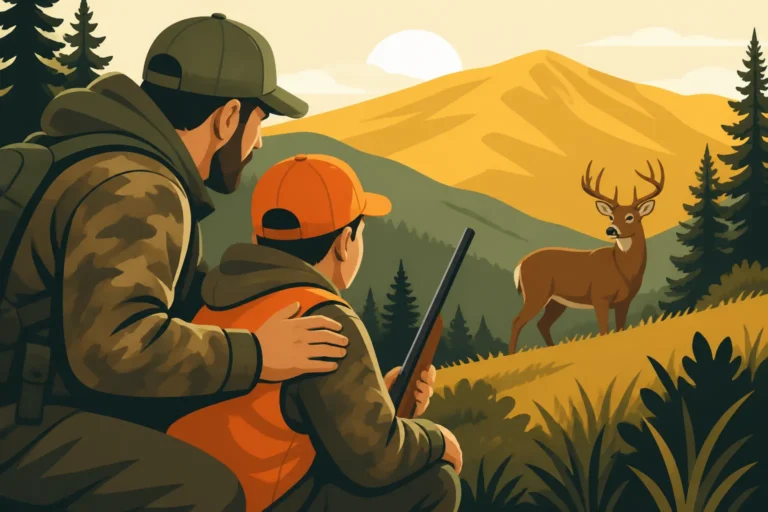
The real pathway begins at age eight. From eight years old up to, and including, fourteen years of age, a hunter must participate in the West Virginia Mentored Youth Hunting Rules program. This means they must be under the direct supervision of a licensed adult mentor. This isn't just about being in the same general area; it's about active, immediate oversight, which we'll dive into more deeply. The idea is to provide a hands-on learning experience where safety is continuously reinforced.
Once a hunter reaches fifteen, the rules shift slightly. From age fifteen through seventeen, if they have successfully completed an approved hunter education course, they no longer require the direct supervision of a mentor in the same way younger participants do. However, they are still considered minors and fall under certain specific guidelines. If they haven't completed hunter education by 15, they are still under the umbrella of the apprentice program, requiring direct supervision. This transition point is crucial for understanding when genuine "unsupervised" hunting truly begins.
Finally, at eighteen years old, a person is legally considered an adult and, provided they have completed hunter education (if born after January 1, 1975) and possess the appropriate licenses, they can hunt unsupervised without any special youth restrictions. This is the ultimate goal of the system – to produce knowledgeable, safe, and ethical independent hunters.
Hunter Education: The Foundation for Independence
You simply cannot overstate the importance of hunter education in West Virginia. It's not just a hoop to jump through; it's the bedrock upon which all safe and responsible hunting practices are built, and it's absolutely essential for anyone looking to hunt independently.
For anyone born on or after January 1, 1975, completing an approved West Virginia Hunter Education Requirements course is mandatory to purchase a hunting license. This applies to both residents and non-residents. The course covers critical topics like firearm safety, wildlife identification, hunting ethics, basic survival skills, and game laws. It’s designed to instill a deep respect for wildlife, the environment, and fellow hunters.
Without this certification, even if you are old enough, you cannot obtain a regular hunting license. This means you would be restricted to participating only through an apprentice license, which inherently requires supervision. So, while an 8-year-old might technically hunt under a mentor, that mentor has almost certainly completed their hunter education, and the expectation is that the youth will follow suit to progress.
The courses are typically offered in various formats, including online options followed by a field day, or traditional in-person classes. The WVDNR makes it relatively easy to find and register for these courses. Websites like GoHunt often have helpful resources or links that point directly to the WVDNR's official schedules. It's a foundational step that every aspiring independent hunter in West Virginia must take, paving the way for legally carrying a firearm or bow afield without direct adult oversight.
The Mentored Youth Hunting Program Explained
The Mentored Youth Hunting Program is a fantastic initiative designed to give younger hunters real-world experience under the watchful eye of an experienced adult. It's not just a formality; it's a carefully structured program intended to promote safety and pass on hunting traditions.
Defining "Direct Supervision" in the Field
When West Virginia regulations talk about "direct supervision" for mentored youth hunters, they mean it quite literally. This isn't just about having an adult somewhere in the same general vicinity, like a different ridge or across a large field. The rules are clear: the mentor must be close enough to the youth to immediately and effectively respond to any situation, whether it's a safety concern, a shot opportunity, or a question about game identification.
Specifically, "direct supervision" means the mentor must be within sight and normal voice contact of the mentored youth hunter at all times. This means no wandering off for a solo scout while the kid sits on stand, and no relying on cell phones or two-way radios as a substitute for actual presence. If the terrain is thick, or if it's getting dark, that "sight and normal voice contact" distance shrinks dramatically, requiring the mentor to be even closer.
For example, if you're hunting deer during the West Virginia Youth Deer Weekend Rules, and your young apprentice is on a treestand, you should ideally be on an adjacent stand, or at least directly below them, positioned where you can see and hear them clearly. If you're still-hunting through thick laurel, the youth should be right beside you, mirroring your movements and learning how to read the woods. This constant proximity allows for instant correction of unsafe gun handling, immediate assistance with a shot decision, and quick intervention in case of an accidental fall or misstep. It’s about being there, every step of the way, to guide and protect.
Who Can Be a Mentor and What Their Responsibilities Entail
Being a mentor in West Virginia's youth hunting program is a significant responsibility, and not just anyone can fill the role. The WVDNR has specific requirements to ensure that mentors are qualified, responsible individuals capable of providing a safe and educational experience.
A mentor must be at least 18 years of age and hold a valid West Virginia hunting license. More importantly, they must have completed a hunter education course themselves (if born after January 1, 1975). This ensures that the mentor understands the very safety and ethical principles they are expected to teach. The mentor is essentially taking on the role of a temporary guardian for the youth hunter's safety and legal compliance while afield.
The responsibilities of a mentor are extensive. First and foremost, they are legally responsible for the mentored youth hunter's actions while hunting. This means if the youth violates a game law, the mentor can also be held accountable. This isn't meant to scare people away from mentoring, but to underscore the seriousness of the role. The mentor is expected to:
- Ensure Safety: This includes constant supervision, teaching proper firearm/archery handling, identifying safe shooting lanes, and ensuring the youth wears appropriate West Virginia Blaze Orange Requirements during gun seasons.
- Educate: Mentors should teach about wildlife identification, shot placement, tracking, game recovery, and hunting ethics. They should explain why certain rules exist and how to be a responsible conservationist.
- Comply with Laws: The mentor must ensure the youth understands and adheres to all hunting laws, including bag limits, season dates, and reporting requirements. For instance, if you're out during the West Virginia Youth Spring Turkey Weekend, the mentor guides the youth through calling, setup, and ensuring they understand the legal bird to harvest.
It’s about more than just accompanying them; it’s about actively coaching, explaining, and setting a positive example. Many experienced hunters find this role incredibly rewarding, seeing the traditions passed down to the next generation.
When "Unsupervised" Hunting Becomes Legal
The transition from requiring direct supervision to being able to hunt independently is a significant milestone for any young hunter. It represents a culmination of learned skills, demonstrated responsibility, and a deep understanding of the hunting regulations.
The Critical Age for Solo Hunting
In West Virginia, a hunter can truly begin to hunt "unsupervised" once they reach 15 years of age and have successfully completed an approved hunter education course. This is the magic combination. If they are 15, 16, or 17, and have that hunter education certificate in hand, they can legally hunt without a mentor needing to be within sight and voice contact.
This doesn't mean they can just wander off with no oversight at all. They are still considered minors, and parental guidance is still incredibly important. However, from a legal standpoint regarding hunting regulations, the requirement for direct, immediate adult presence is lifted. They can then purchase a regular hunting license, just like an adult (though certain youth-specific seasons like the early antlerless or youth-only weekends still exist, like the West Virginia Youth Deer Weekend Rules).
It's a big step. At this point, the young hunter is expected to apply everything they learned in their hunter education course and during their mentored experiences. They are responsible for making their own safety decisions, identifying legal game, and adhering to all regulations. This stage requires a significant degree of maturity and self-reliance, which is why hunter education is such a critical prerequisite. Many parents still opt to hunt with their 15-17 year olds, even if not directly "supervising" them under the legal definition, simply to enjoy the camaraderie and continue guiding them through more complex hunting scenarios, like Scouting West Virginia Public Land Before Season.
Graduating from the Apprentice Program
The apprentice license program is designed as a temporary pathway to hunting while working towards full hunter education certification. When a young hunter (or even an adult new to hunting) uses an West Virginia Apprentice Hunter License Rules, they are explicitly required to be under the direct supervision of a licensed hunter who is at least 18 years old and has completed hunter education.
Graduating from this program essentially means completing the mandatory hunter education course. Once that certificate is issued, the apprentice license is no longer necessary. The individual can then purchase a standard hunting license or combination license. For example, if you're 16 and have completed hunter education, you'd move from using an apprentice license to purchasing the appropriate resident or non-resident hunting license, along with any necessary stamps for deer, bear, or turkey. You can find all the details on these options in West Virginia Hunting Licenses and What They Cost.
It's important to remember that this "graduation" is primarily a legal one. The practical skills, ethical understanding, and judgment that make a truly independent hunter are built over years of experience. A hunter education certificate marks legal readiness, but continued learning, practice, and thoughtful decision-making in the field are what truly make a responsible, unsupervised hunter.
Beyond the Age Limit: Essential Considerations for Young Hunters
While reaching the legal age for unsupervised hunting is a significant milestone, it's just one piece of the puzzle. There are other crucial aspects that young hunters and their families need to consider to ensure a safe, ethical, and successful hunting career.
License Requirements and Permitting
Even when a young hunter is old enough to hunt unsupervised, they still need the correct licenses and permits. It's not a free pass. Every hunter in West Virginia, regardless of age (once they are legally able to hunt), must possess the appropriate licenses and stamps for the game they pursue. This means a base hunting license, plus a deer stamp if they're after deer, a turkey stamp for turkey, and a bear stamp for bear.
These licenses can be purchased online through the official Go Wild West Virginia platform, which is also accessible via the WVDNR website. Websites like GoHunt can often direct you to these official channels for purchasing licenses and checking regulations. It's always a good idea to ensure you're using the official WVDNR system to avoid any issues. Many hunters manage their licenses through the Go Wild West Virginia app now, allowing them to conveniently carry proof of their license on their phone. Learn more about Buying a License on Go Wild West Virginia and Carrying Proof of License on Your Phone.
It's also important to be aware of special seasons or opportunities, such as the West Virginia Youth Spring Turkey Weekend, which might have specific permitting or reporting rules. Always double-check the current hunting regulations for the upcoming season, as rules can occasionally change. Staying informed is a key responsibility of any independent hunter.
Safety, Ethics, and Responsibility in the Field
Reaching the age for unsupervised hunting is a privilege, not just a right. With that privilege comes immense responsibility. The core tenets of hunter safety and ethics become even more critical when a young hunter is afield alone.
First, safety is non-negotiable. This means religiously following the four primary rules of firearm safety: treat every gun as if it's loaded, always point the muzzle in a safe direction, keep your finger off the trigger until ready to shoot, and be sure of your target and what's beyond it. It also means using appropriate gear, like a safety harness when in a treestand, wearing blaze orange or blaze pink when required, and knowing how to handle a firearm safely in challenging terrain. Choosing the right caliber for the game, like those discussed in West Virginia Legal Firearms for Deer Hunting, is also part of being responsible.
Second, ethics are paramount. An independent hunter makes their own decisions. This means respecting wildlife, adhering to fair chase principles, and striving for quick, humane kills. It involves understanding and respecting private property boundaries, even when on public land, and properly Field Dressing a Deer in Cold Weather and caring for any harvested game. It also means being a good steward of the land, leaving no trace, and helping to conserve wildlife for future generations.
Finally, personal responsibility is key. This encompasses everything from properly identifying game to knowing local regulations, understanding weather conditions, and having an emergency plan. It means being prepared for the unexpected, carrying a first-aid kit, and letting someone know your hunting plans and expected return time. The best independent hunters are those who are not only skilled but also deeply thoughtful, responsible, and respectful of the outdoors and its creatures. The goal is to develop hunters who contribute positively to the rich tradition of hunting in West Virginia, ensuring its future.
West Virginia Youth Hunting Regulations Overview
| Hunter Age | Supervision Requirement | Hunter Education Required? | License Type |
|---|---|---|---|
| Under 8 years old | Not permitted to hunt | No (cannot hunt) | N/A |
| 8-14 years old | Direct Supervision by a licensed, 18+ mentor | No (under Mentored Youth Program) | Apprentice License (for youth) |
| 15-17 years old | No Direct Supervision if Hunter Ed certified | Yes (if born after Jan 1, 1975, to hunt unsupervised) | Standard Hunting License (with stamps) |
| Direct Supervision if NOT Hunter Ed certified | No (under Mentored Youth Program) | Apprentice License (for youth) | |
| 18 years and older | No Supervision required | Yes (if born after Jan 1, 1975) | Standard Hunting License (with stamps) |
Note: "Direct Supervision" means the mentor must be within sight and normal voice contact of the youth hunter at all times.
Disclaimer
The information provided in this guide is for general informational purposes only and is not intended to be legal advice. Hunting regulations in West Virginia can change, and it is the hunter's responsibility to review and comply with all current laws and regulations set forth by the West Virginia Division of Natural Resources (WVDNR). Always consult the official WVDNR hunting regulations annually before heading afield.