Blaze Pink Options Under West Virginia Law
It’s a common frustration for hunters, especially those of us who’ve been around the block a few times, to keep up with the ever-evolving regulations. What was standard practice yesterday might have a new twist today, and the rules around hunter safety colors, like blaze orange and now blaze pink, are no exception. This guide is here to untangle the specifics of West Virginia's laws regarding blaze pink, helping you understand when and how you can legally and safely incorporate this increasingly popular option into your hunting wardrobe.
The Evolution of Hunter Safety Colors
For decades, the standard for visible hunting apparel has been blaze orange. It’s a color synonymous with safety in the woods, a bright beacon designed to stand out against the natural greens, browns, and grays of the forest. But times change, and so do perspectives. The introduction of blaze pink is a reflection of a growing and diverse hunting community, offering a choice that some find more appealing or comfortable while maintaining the core mission of safety.
Why Hunter Orange Became the Standard
Think back to the history of hunting. Before blaze orange became widely adopted, accidents involving mistaken identity were far more common. Hunters, dressed in camouflage or earth tones, blended in too well with their surroundings. Studies eventually showed that a particular shade of fluorescent orange, often called "hunter orange" or "blaze orange," was incredibly effective at catching the human eye, especially in low light conditions or against dense foliage, while still being largely invisible to most deer. Deer, with their dichromatic vision, struggle to differentiate orange from green or brown, effectively seeing it as another muted tone in the landscape. This scientific backing led to its widespread adoption across states, including here in West Virginia, as a mandatory safety color during firearms seasons. It became the bedrock of ensuring that hunters could easily spot other hunters, reducing the risk of accidental shootings. The initial regulations for safety colors, often referred to as West Virginia Blaze Orange Requirements, laid out exactly when and how much of this bright color you needed to display.
West Virginia's Move to Include Blaze Pink
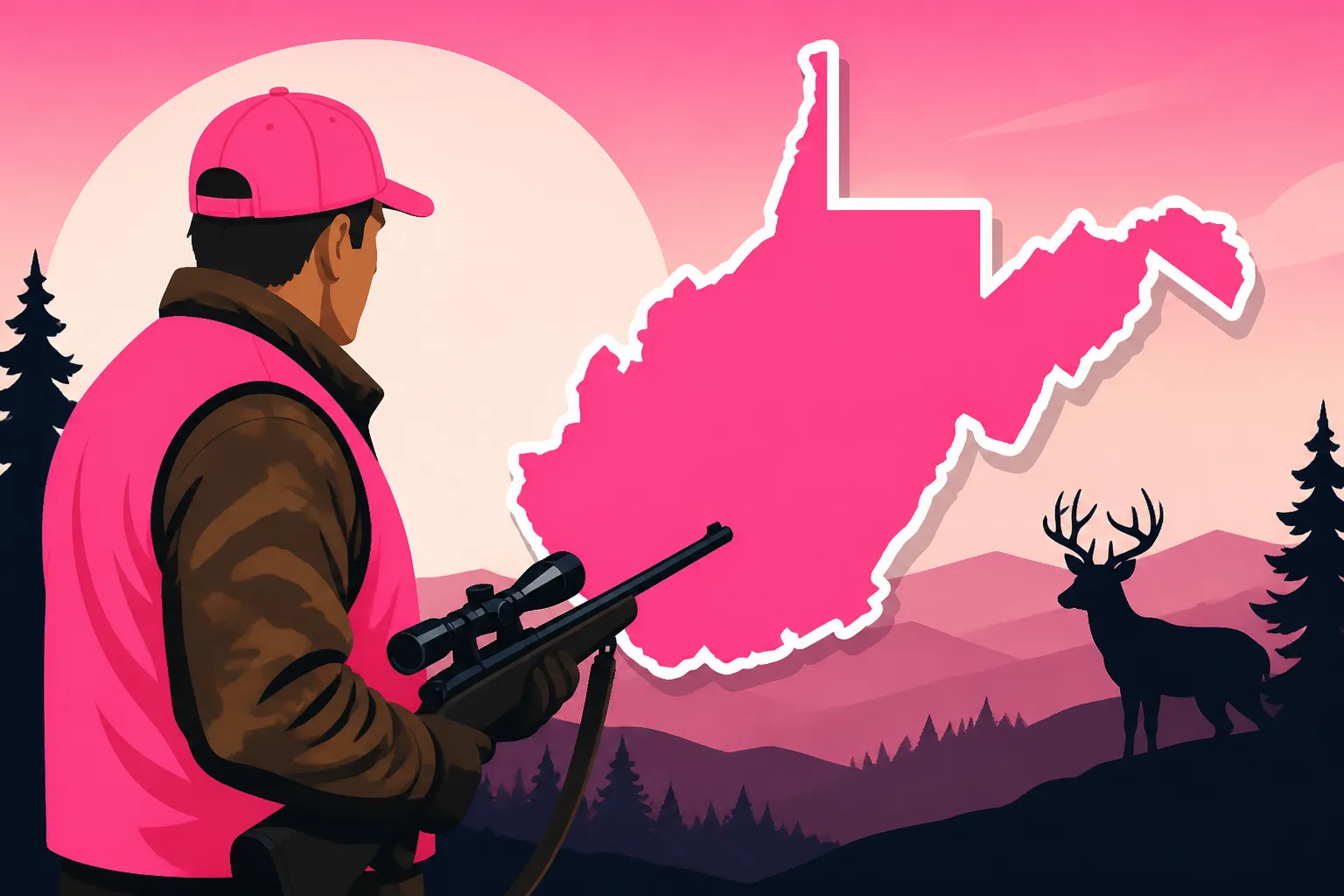
The conversation around blaze pink started gaining traction a few years ago in other states, driven by a desire to offer more options, particularly for female hunters who might prefer the color. It's a genuine relief when regulations evolve to be more inclusive, recognizing the diverse individuals who share our passion for the outdoors. West Virginia, always looking out for its hunting community, listened to these discussions and followed suit. The West Virginia Division of Natural Resources (WVDNR) thoroughly reviewed the scientific data and found that blaze pink, much like blaze orange, is highly visible to the human eye but still appears as a muted, indistinguishable color to cervids like deer. This means it offers the same critical safety benefits without compromising your ability to remain undetected by game. It was a forward-thinking move that officially recognized blaze pink as a legal alternative to blaze orange during specific hunting seasons. This decision makes it easier for everyone to find gear that fits their style and preferences while adhering to crucial safety standards. It’s about broadening accessibility while keeping safety paramount.
Understanding West Virginia's Blaze Pink Requirements
Navigating the specific rules for hunter safety colors can feel like trying to untangle a particularly stubborn knot of fishing line. It's not enough to just wear the color; you need to understand the nuances of what constitutes legal blaze pink and when it's required. The WVDNR has clear guidelines, and understanding them is crucial for staying safe and legal in the woods. When you’re planning your hunts, especially during the busy deer seasons, resources like GoHunt, while primarily focused on scouting and planning for Western states, can still underscore the importance of thoroughly checking all state and local regulations for where you're actually hunting.
What Counts as Legal Blaze Pink
Just like with blaze orange, not just any shade of pink will do. West Virginia law specifies that "blaze pink" must be a fluorescent, vibrant shade designed for high visibility. It's not your pastel pink t-shirt or a muted rose-colored jacket. We're talking about a color that practically glows, engineered to be as conspicuous as its orange counterpart. The key here is the fluorescence – that super bright, almost neon quality that makes it pop against natural backgrounds. This ensures that it meets the same visibility standards as blaze orange, making you easily detectable by other hunters. You’ll find that reputable hunting apparel brands have specific blaze pink lines that meet these requirements, ensuring you’re not guessing about whether your gear is up to snuff. Always look for labels that explicitly state "blaze pink" or "hunter pink" and comply with state hunting regulations.
When and Where Blaze Pink is Permitted
The beauty of the WVDNR's regulation change is that blaze pink can generally be worn anywhere and anytime blaze orange is required. This typically applies during all firearms hunting seasons for deer, bear, and other specified game, as well as during any closed seasons for hunting when target shooting is permitted on public lands. This includes:
- Buck Gun Season: This is probably the most crucial time, when many hunters are in the woods. Wearing adequate blaze pink is mandatory.
- Muzzleloader Deer Hunting in West Virginia: Even though it's a primitive weapons season, the high number of hunters in the woods dictates safety colors.
- West Virginia's Liberal Bear Season: Depending on the specific season and weapon choice, blaze pink is a legal option.
- West Virginia Youth Deer Weekend Rules: Young hunters also need to adhere to the safety color requirements, and blaze pink offers a great option.
However, it's always important to remember to check the current year's hunting regulations booklet, which you can usually find on the WVDNR website or at your local license vendor. While the general rule is that pink can substitute for orange, it's a good practice to confirm any specific county-level variations or unique season requirements. For instance, in areas with high hunting pressure, it's not uncommon for hunters to exceed the minimum requirements, wearing even more safety color than legally mandated. Remember, safety isn't just about meeting the minimum; it's about making yourself as visible as possible.
Here’s a quick overview of minimum blaze material requirements during firearms seasons for deer, bear, and boar:
| Season/Activity | Minimum Blaze Requirement | Color Options |
|---|---|---|
| Deer Firearms Season (including youth) | Outer garments covering at least 400 square inches, visible from all sides. | Blaze Orange OR Blaze Pink |
| Bear Firearms Season (where applicable) | Outer garments covering at least 400 square inches, visible from all sides. | Blaze Orange OR Blaze Pink |
| Boar Firearms Season (where applicable) | Outer garments covering at least 400 square inches, visible from all sides. | Blaze Orange OR Blaze Pink |
| Small Game During Concurrent Firearms Deer | Visible outer garment above the waist (no specific square inch minimum, but highly advised). | Blaze Orange OR Blaze Pink |
| Target Shooting on Public Land | Visible outer garment above the waist (recommended). | Blaze Orange OR Blaze Pink |
This table generally applies, but as I stressed, always check the current WVDNR regulations annually.
Practical Considerations for Choosing Blaze Pink
So, you've decided to embrace blaze pink – that's fantastic! But beyond just knowing it's legal, there are some practical considerations to keep in mind to ensure you're making the safest and most effective choice for your hunting adventures in West Virginia's diverse landscapes. Thinking through these details can make a real difference, whether you're stalking game in the thick laurel or sitting quietly on a ridge. When you’re planning your season, you might check out resources like the West Virginia Deer Season Structure Explained or West Virginia's Chronic Wasting Disease Counties to get a full picture of the rules affecting your hunt.
Visibility in Different Environments
While blaze pink and blaze orange are both designed for high visibility, it's worth thinking about the specific environments you'll be hunting. In the deep greens of evergreen forests, or against a backdrop of bare winter hardwoods, both colors will stand out. However, under certain light conditions – say, the first hint of dawn or the fading light of dusk – the way light interacts with the fluorescent dyes can subtly shift. For instance, on a foggy morning in the Monongahela National Forest, both colors are still highly effective at contrast, but some hunters subjectively report a slight difference in how they perceive each color. The scientific data confirms similar visibility, but personal preference can play a role. Ultimately, the goal is to make yourself as conspicuous as possible to other human hunters. Layering your blaze pink with other appropriate hunting gear, such as a good pair of Boots for West Virginia Hollows and Ridges, ensures you’re not only visible but also comfortable and prepared for the terrain.
Sourcing Quality Blaze Pink Gear
Finding quality blaze pink hunting apparel might require a bit more searching than blaze orange, simply because it's a newer option. However, as demand grows, more and more reputable brands are offering it. You'll want to look for vests, hats, jackets, or even full suits from companies known for their hunting gear. Quality matters here – a cheap, thin vest might tear easily in the brush or fade quickly with sun exposure. Look for durable materials, good stitching, and features like quiet fabrics if you plan on still-hunting or stalking. Online retailers and larger outdoor sporting goods stores are often your best bet, as they tend to carry a wider selection than smaller local shops. While platforms like GoHunt are incredible for detailed scouting and planning, when it comes to specific gear, you'll want to lean on trusted outdoor apparel brands. Always ensure whatever you purchase meets the required square inch minimums if you're buying individual pieces rather than a full garment explicitly designed for hunting safety. Many hunters opt for a blaze pink vest paired with a matching hat to ensure they meet the How Much Blaze Orange West Virginia Requires guidelines, even if they're wearing blaze pink.
Hunter Safety Beyond Color
Let's be clear: wearing blaze pink or blaze orange is an absolute cornerstone of hunter safety, but it's just one piece of the puzzle. True hunter safety extends far beyond the color of your clothing. It's about a holistic approach to being responsible and aware in the woods. This includes things like:
- Understanding Your Target and Beyond: Always be absolutely certain of your target and what lies behind it. Don't take a shot if there's any doubt. This is a fundamental rule ingrained in West Virginia Hunter Education Requirements.
- Knowing Your Hunting Area: Be intimately familiar with the terrain, potential property lines, and where other hunters might be. Utilizing maps and scouting tools like those found on GoHunt can be immensely helpful in pre-season planning, especially when you're Scouting West Virginia Public Land Before Season.
- Communicating with Hunting Partners: If you're hunting with a group, establish clear communication protocols and be aware of each other's positions. This is critical for activities like Deer Drives on West Virginia Public Land.
- Proper Firearm Handling: Treat every firearm as if it's loaded. Keep the muzzle pointed in a safe direction. Keep your finger off the trigger until you're ready to shoot.
- Using a Safety Harness: If you're hunting from an elevated position, a quality safety harness is non-negotiable. This is vital when considering Treestand Setups in Monongahela National Forest or if you are Hanging a Stand on a Steep Allegheny Ridge.
Ultimately, blaze pink offers a fantastic and legally compliant option for West Virginia hunters who want to express their personal style while adhering to crucial safety regulations. It's a testament to the inclusivity of our hunting community. So, whether you choose the traditional blaze orange or the vibrant blaze pink, remember that your personal responsibility and commitment to safety are what truly make a difference in the field.
Disclaimer
Please be aware that hunting regulations, seasons, and requirements can change. Always consult the most current West Virginia Division of Natural Resources (WVDNR) hunting regulations booklet or website before engaging in any hunting activity. This article provides general information and should not be considered a substitute for official legal guidance.