Mandatory Testing Inside the CWD Containment Area
Dealing with Chronic Wasting Disease (CWD) in West Virginia can feel like navigating a complex maze, especially when you're just trying to enjoy a hunt. The regulations change, the zones expand, and suddenly, what used to be a straightforward process now involves mandatory testing. This guide is here to untangle the confusion, explain the ins and outs of mandatory CWD testing within West Virginia's containment areas, and help you understand your role in managing this serious wildlife disease.
Understanding West Virginia's CWD Containment Area
The presence of Chronic Wasting Disease is a harsh reality for deer hunters and wildlife managers in West Virginia. This insidious neurological disease, always fatal to deer, elk, and moose, has unfortunately found its way into our beautiful mountain state. To combat its spread, the West Virginia Division of Natural Resources (WVDNR) established specific CWD Containment Areas, imposing special rules to monitor and limit the disease's reach.
Defining the CWD Containment Zone Boundaries
Currently, West Virginia's CWD Containment Area primarily encompasses Hampshire, Hardy, Mineral, and Berkeley counties, with additional affected portions of Grant and Morgan counties. These aren't just arbitrary lines on a map; they are strategic boundaries drawn based on the detection and spread patterns of CWD. If you plan to hunt in or near these counties, it's absolutely critical to know precisely where these zones begin and end. Imagine planning a hunt near the borders of Hardy and Pendleton counties; while Pendleton might not be in the core zone, understanding the proximity and potential for spillover is key. Hunters often use tools like the WVDNR website or mapping applications like GoHunt to clearly delineate these areas. This vigilance is part of the broader effort to manage Chronic Wasting Disease in West Virginia Deer.
Why Containment Zones Are Necessary
The establishment of CWD Containment Areas isn't about making hunting harder; it's about protecting the long-term health of our deer herd and ensuring sustainable hunting opportunities for future generations. When CWD is detected in an area, the WVDNR implements these zones to intensify surveillance, gather crucial data on disease prevalence, and enforce measures that reduce potential transmission. Without these proactive steps, CWD could spread unchecked, leading to significant declines in deer populations and potentially altering the landscape of hunting in West Virginia forever. The initial discovery in Hampshire County was a wake-up call, and understanding Why Hampshire County Became West Virginia's CWD Ground Zero helps underscore the importance of these containment efforts.
The Nitty-Gritty of Mandatory Testing
For hunters harvesting deer within these designated CWD Containment Areas, simply tagging your deer and heading home isn't always the end of the process. Mandatory testing requirements are a cornerstone of the WVDNR's CWD management strategy. It's a critical step that provides vital data on the disease's spread and prevalence.
Who, What, and When to Test
The specifics of mandatory testing can vary, so it's always best to check the latest WVDNR regulations before each hunting season. Generally, mandatory testing applies to all deer harvested within the CWD Containment Area during specific, often high-pressure, periods like the opening days of buck firearm season. However, some counties or seasons might require testing for all deer harvested throughout the entire season. For instance, a hunter successfully taking a doe on private land in Hardy County during the early antlerless season might face different requirements than a hunter harvesting a buck during gun season in the Monongahela National Forest section of Grant County.
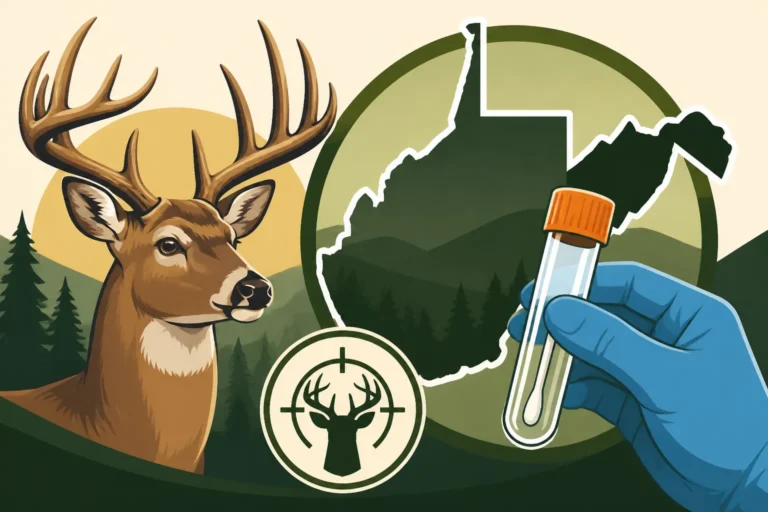
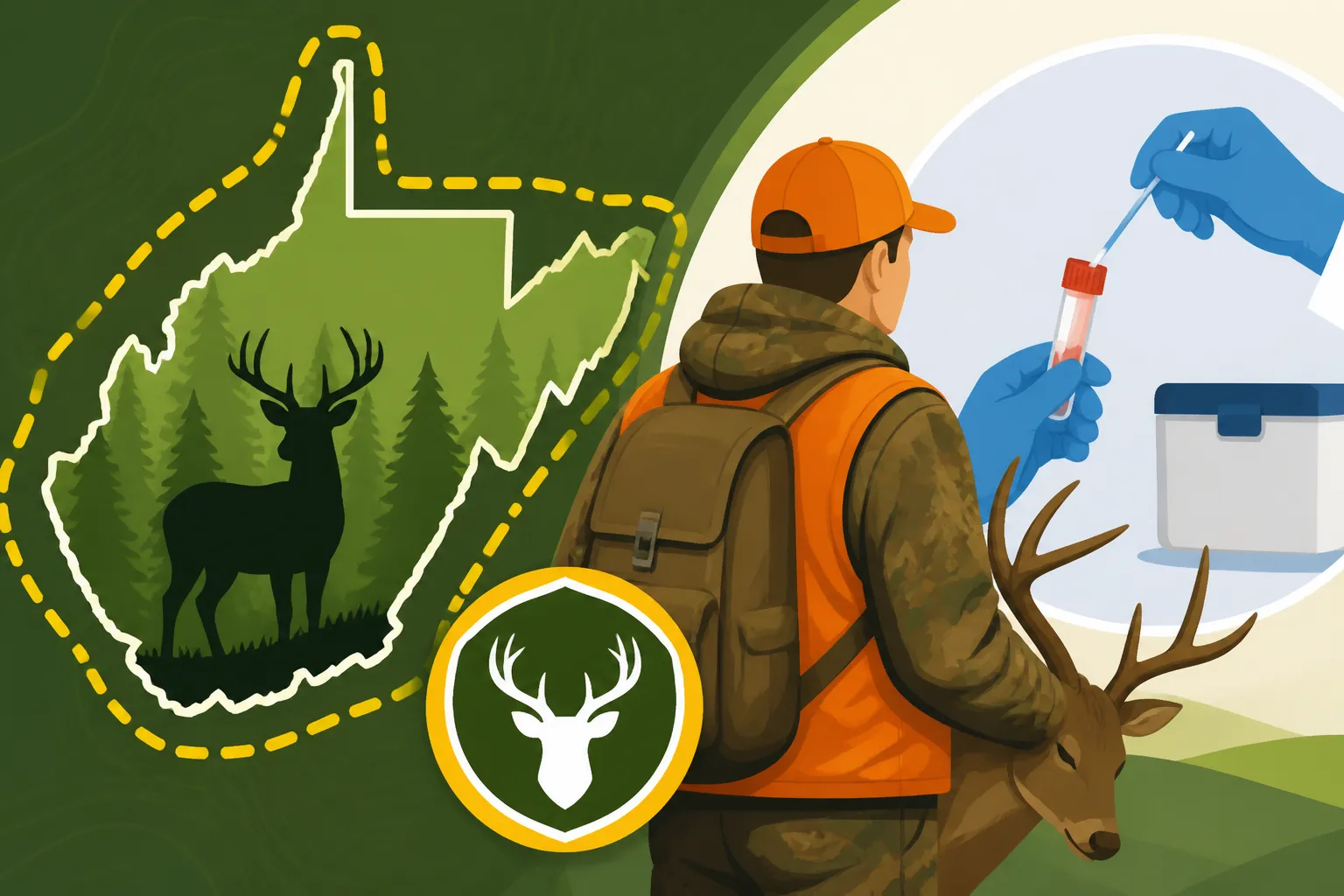
When mandatory testing is in effect, hunters are required to take their harvested deer (or at least the head with several inches of neck attached) to a designated WVDNR CWD sampling station within 24 hours of harvest. These stations are typically set up at WVDNR offices, certain state parks, or even temporary sites in towns within the containment area during peak hunting periods. You'll need to provide your license information, the date and specific location of your harvest, and your contact details. This data collection is essential for the WVDNR to track How Many Deer Have Tested CWD-Positive in West Virginia and adjust management strategies.
Finding and Using Designated Sampling Stations
Locating a CWD sampling station used to be a frantic call to a buddy or a desperate search on a patchy cell signal. Thankfully, resources have improved. The WVDNR provides maps and lists of designated stations on their website, often updated annually. Many hunters also find that digital hunting platforms or mapping apps, like GoHunt, integrate this information, making it easier to pinpoint the nearest station while still out in the field. When you arrive at a station, WVDNR personnel or trained volunteers will take tissue samples, usually from the lymph nodes near the deer's throat or brainstem, to be sent off for laboratory analysis.
It's crucial to follow their instructions carefully. This usually means presenting the deer's head cleanly, without excessive dirt or damage, and having your hunting license and harvest tag readily available. While it might add an extra step to your hunt, remember that each sample collected contributes to a better understanding of West Virginia's Chronic Wasting Disease Counties and helps refine the state's response. Being prepared by knowing your route to the nearest station and understanding the process can save you a lot of time and stress on what should be a celebratory day.
Here's a simplified overview of what you might expect for mandatory testing during prime firearm season within the containment area:
| Requirement | Detail |
|---|---|
| Counties Affected | Hampshire, Hardy, Mineral, Berkeley, portions of Grant & Morgan counties |
| Animals to Test | All harvested deer (or specifically antlered deer) during designated periods |
| Testing Period | Often first 2-3 days of buck firearm season, sometimes year-round for all deer |
| Where to Test | Designated WVDNR CWD sampling stations |
| What to Bring | Deer head (with neck), hunting license, harvest tag, harvest location details |
| Timeline | Within 24 hours of harvest |
Note: Specific regulations can change annually. Always consult the current WVDNR hunting regulations.
What Happens After Testing?
Once you've submitted your deer for mandatory CWD testing, you might be wondering what comes next. The waiting game can be a bit nerve-wracking, especially if you're planning to process and consume the venison. The WVDNR has protocols in place for communicating results and managing the carcass depending on the outcome.
Receiving Your Test Results
After your sample is collected, it's sent to a specialized laboratory for analysis. The turnaround time for results can vary, but the WVDNR strives to make them available as quickly as possible. You'll usually be notified of the results via phone, email, or an online portal if one is available. It's a good idea to keep the contact information for the WVDNR readily accessible, as well as any receipt or tracking number provided at the sampling station. If the unthinkable happens and your deer tests positive for CWD, the WVDNR will contact you directly to discuss the implications and next steps, which includes specific guidance on Handling Venison From a CWD Containment Area.
Carcass Movement and Disposal Restrictions
One of the most critical aspects of CWD management within the containment area involves strict rules about West Virginia Carcass Movement Restrictions. The goal is to prevent the physical movement of potentially infected tissues (especially the brain and spinal cord, where CWD prions are most concentrated) out of the designated zone, thereby limiting the disease's spread to new areas.
Generally, if you harvest a deer in the CWD Containment Area, you cannot transport the entire carcass, or certain high-risk parts, out of that area. This means you might need to process your deer within the containment zone or at least quarter it and remove all high-risk tissues (brain, spinal cord, eyes, spleen, lymph nodes) before leaving. Only boned-out meat, cleaned skull plates or antlers, hides without head attached, and teeth are usually permitted to leave the zone. This applies whether your deer has been tested yet or not. If you want to bring a deer head out for taxidermy, you'll need to work with a taxidermist who understands and complies with these specific regulations, often requiring removal of brain and spinal cord material. For hunters traveling long distances, especially those passing through multiple CWD zones, checking these rules is absolutely paramount, and GoHunt can be a handy tool for understanding jurisdictional overlaps. Proper disposal of high-risk parts also falls under these rules, typically requiring burial or specific landfill disposal within the containment area to prevent environmental contamination.
Your Role as a Hunter in CWD Management
Beyond simply complying with regulations, West Virginia hunters play a vital, active role in the fight against Chronic Wasting Disease. Your actions, big and small, contribute directly to the health of the state's deer herd and the future of hunting. It's about being a responsible steward of the wildlife we cherish.
Adhering to All CWD Regulations
The most straightforward way to contribute is by strictly following all CWD-related regulations. This includes understanding the boundaries of the West Virginia's Chronic Wasting Disease Counties, participating in mandatory testing when required, and adhering to all carcass movement and disposal restrictions. It also means staying informed; regulations can change annually based on new scientific understanding or disease spread patterns. Many dedicated hunters make it a point to check the WVDNR's latest hunting guide or visit their website before each season, particularly if they hunt in or near CWD zones. This proactive approach helps ensure you're always operating within the legal framework designed to mitigate CWD.
Practicing Responsible Hunting Ethics
Responsible hunting ethics extend to disease management. This includes never baiting deer in CWD zones, as concentrating animals at feed sites can increase the risk of disease transmission through shared saliva and urine. It also means handling harvested animals with care, minimizing the spread of any potential bodily fluids in the field. If you harvest a deer that appears sick or emaciated, even outside a known CWD zone, it's important to report it to the WVDNR immediately. This type of reporting helps wildlife biologists track potential new outbreaks. Understanding West Virginia CWD Prevalence in the Containment Area involves more than just samples from hunters; it relies on observant hunters reporting unusual signs.
Helping to Monitor and Report
Your eyes and ears in the woods are invaluable. Hunters are often the first to notice changes in wildlife behavior or health. If you observe a deer exhibiting symptoms consistent with CWD – such as extreme weight loss, stumbling, drooling, or a lack of fear of humans – do not attempt to harvest or handle the animal yourself. Instead, note the location, take pictures or video if possible, and contact the WVDNR as soon as you can. This is part of the broader effort of Reporting a Sick Animal in West Virginia. Prompt reporting allows wildlife officials to investigate and potentially contain new cases quickly, preventing further spread. Every report, every sample, and every conscious decision to follow regulations brings us closer to a better understanding and management of CWD in West Virginia.
Disclaimer
The information provided in this guide is for general informational purposes only and is subject to change. Hunting regulations, including those pertaining to Chronic Wasting Disease (CWD), are updated frequently by the West Virginia Division of Natural Resources (WVDNR). It is the hunter's responsibility to consult the most current official WVDNR hunting regulations prior to engaging in any hunting activity. Failure to comply with all applicable laws and regulations can result in penalties.