Working a Fencerow for Late-Season Deer
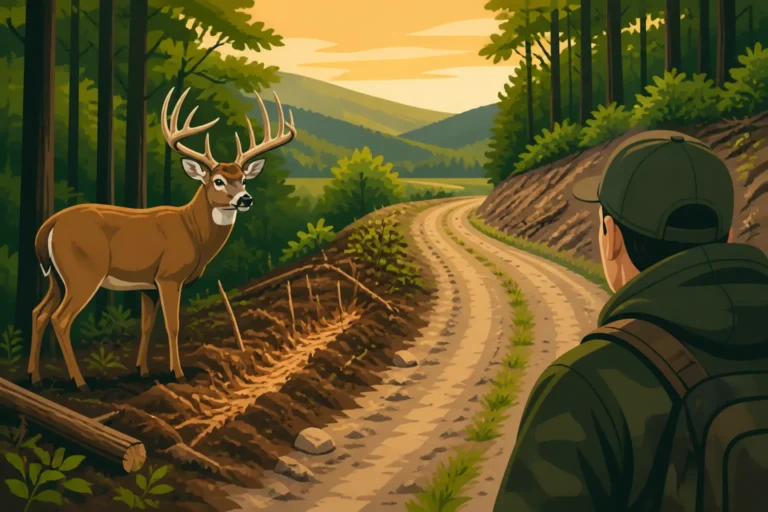
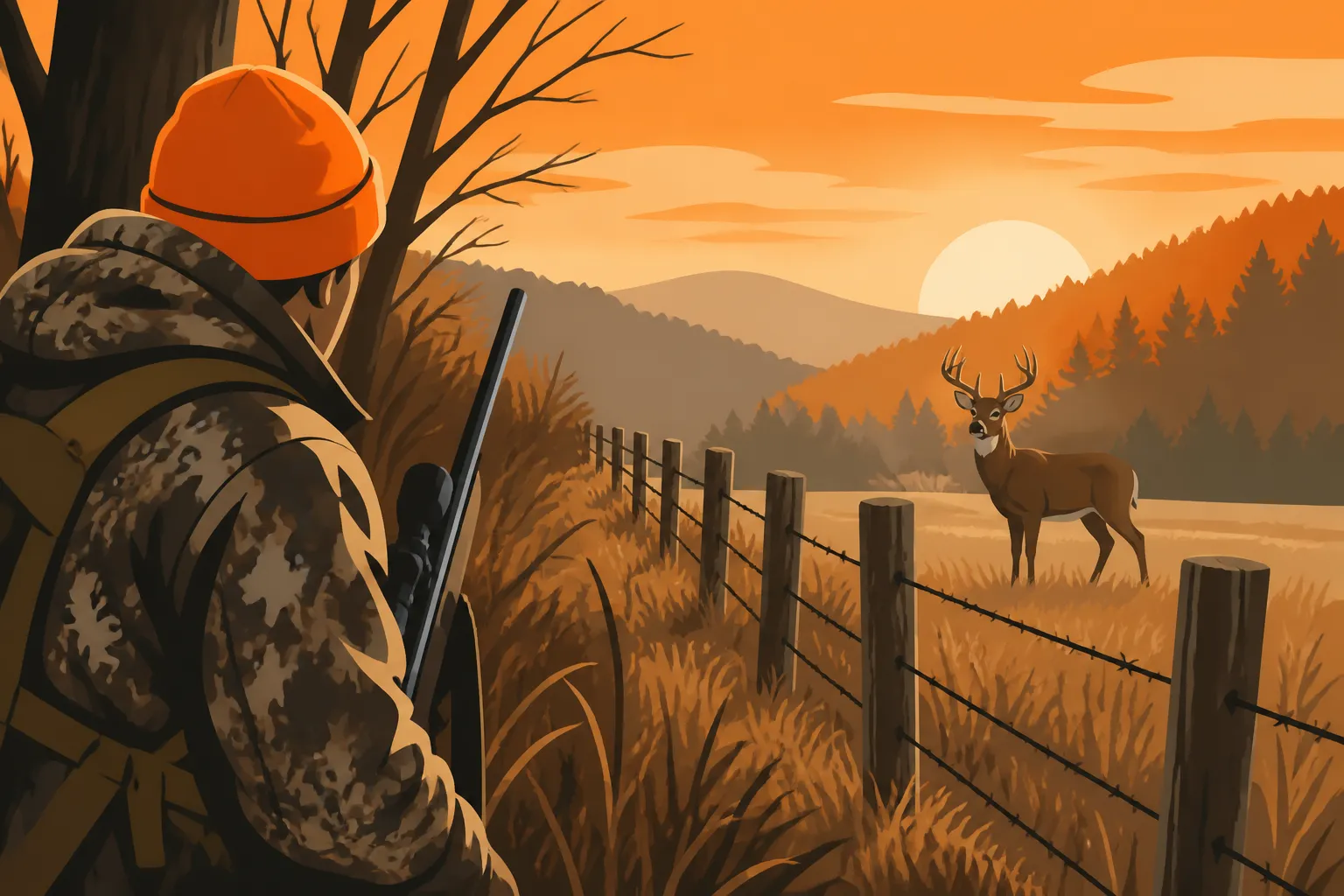
When the chill of late November gives way to the deep cold of December and January, many West Virginia deer hunters hang up their bows and rifles, assuming the season is all but over. But for those willing to brave the frosty air, the late season can be incredibly productive, especially if you know where to look. One often-overlooked hotspot, particularly in agricultural areas or transitions between fields and woods, is the humble fencerow. This guide will walk you through how to effectively work these linear strips of cover to tag a late-season whitetail.
The Underrated Value of Fencerows in Late Season
Fencerows might seem like insignificant features on a map, just a line separating two fields, but to a deer in the late season, they are a lifeline. As temperatures drop and natural food sources become scarce, deer survival instincts kick into high gear, making them more predictable. Fencerows offer a unique combination of cover, travel routes, and often, overlooked food sources that make them absolute magnets for deer activity when much of the landscape is barren. Ignoring these linear strips means missing out on some prime late-season opportunities.
Cover and Concealment: A Deer's Best Friend
During the late season, deciduous trees have dropped their leaves, making dense woods far less concealing than they were just a few months prior. This lack of overhead and lateral cover makes deer incredibly wary. Fencerows, however, often retain significant cover. Think about it: these old fence lines are typically bordered by tangled briar patches, thick multiflora rose, honeysuckle, and small cedars or evergreens that hold their foliage through the winter. This dense, low-level vegetation provides excellent visual security from predators, including hunters, and helps deer move unnoticed from one bedding area to a feeding area.
Imagine a deer trying to cross a wide-open field in December; it's a dangerous proposition. But by hugging the cover of a fencerow, they can traverse significant distances with a sense of security. This cover is particularly crucial in areas with higher hunting pressure, as deer quickly learn to utilize whatever visual barriers are available. It's a critical factor when considering a strategy for Hunting the Late-Season December Lull.
Food Source Access and Travel Corridors
Fencerows aren't just for hiding; they're also prime travel corridors connecting key resources. They often bridge the gap between heavy timber or thick bedding cover and vital late-season food sources like cut cornfields, standing soybeans, winter wheat, or even brassica plots. Deer will use these linear strips to travel back and forth, reducing their exposure in open areas. Additionally, many fencerows themselves contain overlooked food. Old apple trees might line a forgotten fence, or persimmon trees, their fruit still clinging stubbornly, could provide a sweet treat. Browse like honeysuckle, green briar, and even the tender shoots of multiflora rose can offer much-needed sustenance when other options are gone.
Think of a fencerow as a natural highway system for deer. They'll use it to sneak from a dense pine thicket on one side of a property to a farmer's leftover cornfield on the other. This predictability is golden for a hunter. Understanding these travel patterns is key to identifying Late-Season Food Sources for West Virginia Whitetails and positioning yourself for success.
Thermal Protection from the Elements
West Virginia winters can be brutal, especially at higher elevations or in exposed agricultural valleys. Wind can cut right through a deer's coat, and deep snow can make travel difficult and energy-consuming. Fencerows, with their dense vegetation and often slightly elevated ground, can offer surprising thermal protection. The thick growth acts as a windbreak, and even a small dip or rise along the fence line can create a pocket of warmer, calmer air where deer can conserve energy.
Consider how a deer uses terrain to its advantage, even in seemingly flat areas. A small rise, a thicket, or even the subtle depression where a fence line might have eroded the soil can provide just enough shelter to make a difference. This thermal comfort, coupled with cover and access to food, makes fencerows an irresistible haven for deer trying to survive the coldest months. When you're planning your Cold-Weather Sitting Strategy in the Mountains, don't forget how these micro-climates can influence deer movement.
Scouting Fencerows for Maximum Potential
You can't just pick any old fencerow and expect a deer to magically appear. Effective late-season fencerow hunting starts with meticulous scouting, both from your couch with maps and with boots on the ground. The goal is to identify the fencerows that deer are actively using and understand how they are using them. This means looking for the subtle signs that indicate consistent activity, not just a random pass-through.
Reading the Landscape with Maps and Technology
Before you ever step foot in the woods, pull out your maps. Satellite imagery on apps like GoHunt or other digital mapping tools is your best friend. Look for fencerows that connect obvious bedding areas (like thick timber, dense regenerating clear-cuts, or pine plantations) to reliable late-season food sources (crop fields, food plots, south-facing slopes with residual browse). Pay close attention to how these fencerows interact with the broader landscape. Do they run parallel to a creek bottom? Do they offer a direct line to a distant powerline right-of-way?
Identify pinch points, where a wide area of cover funnels down into a narrow fencerow, or intersections where multiple fencerows converge. These are high-traffic areas. Also, note any subtle terrain features—a slight ridge, a low spot, or an old ditch—that might be incorporated into the fencerow, as these offer even more cover or easier travel. Think about the entire property, public or private, and how deer might move across it. Scouting West Virginia Public Land Before Season with these tools can save you countless hours of unproductive walking later.
Boots-on-the-Ground Reconnaissance
Once you've narrowed down your map choices, it's time to get out there. While you might be hesitant to disturb an area in the late season, a careful, low-impact scouting trip can be invaluable. Walk the length of promising fencerows, looking for fresh sign. What constitutes "fresh" in the late season? Look for tracks in any residual snow or mud, fresh droppings, rubs (which can still be made by bucks even after the rut as they work out aggression or simply mark territory), and most importantly, distinct trails worn into the vegetation. Deer will establish strong paths along these lines.
Focus on where deer enter and exit the fencerow. Are there obvious crossings into a particular field? Is there a subtle path leading into a thicket that you might have overlooked from the map? Pay attention to the type of vegetation present in the fencerow itself. Is there any browse that has been recently nibbled? Finding these details on the ground can help you confirm your map-based assumptions and identify the exact spots where a deer is most likely to pass. This meticulous searching for Reading West Virginia Mud for Fresh Deer Movement can tell you volumes about recent activity.
Understanding Wind and Thermals in Fencerows
Just like hunting any other terrain feature, understanding wind direction and thermals is paramount when working a fencerow. The linear nature of a fencerow can sometimes create unique wind currents, especially if it runs along a slight elevation change or through a hollow. When you're scouting, pay attention to how the wind flows through and over the fencerow. Does it swirl at certain points? Does it seem to get channeled in one direction?
In the late season, with cold air and often clear skies, thermals will be strong. In the morning, cold air will drain downhill, and warm air will rise as the sun hits the ground. This means a deer might move differently in the early morning compared to midday or late afternoon. If a fencerow runs along the edge of a field that drops into a hollow, expect morning thermals to pull your scent downhill, and evening thermals to carry it uphill. Knowing how Wind and Thermals on a Steep Ridge influence scent travel is just as critical along a fencerow. Position yourself so your scent is carried away from the most likely deer approach, keeping the wind in your favor.
Effective Hunting Strategies for Fencerows
Once you've identified promising fencerows and understand how deer are using them, it's time to craft your hunting strategy. The beauty of fencerows is their versatility; you can hunt them effectively from a stand, a ground blind, or even by still-hunting, depending on the specific situation and your personal preference.
Stand Placement and Blind Selection
The most common way to hunt a fencerow is from an elevated position. This gives you a better vantage point over the thick cover within the fencerow and allows your scent to dissipate higher above the deer's nose. Look for a sturdy tree within the fencerow, or on its wooded edge, that offers good concealment and a clear shot path along the deer trails you identified. Ideally, you want to set up where you can cover multiple entry/exit points or where the fencerow bottlenecks. Consider using a mobile setup like a saddle or lightweight treestand and climbing sticks, which allow you to adapt quickly to changing deer patterns or wind directions.
If suitable trees are scarce, or if you prefer a lower profile, a ground blind can be an excellent option. Brushing in a blind thoroughly with natural vegetation is crucial to break up its outline. Position it downwind of the most active trails, perhaps tucked into a corner where the fencerow meets a field, or at a bend that offers good visibility. A well-placed ground blind can offer comfort and concealment during those long, cold late-season sits, especially if you're using a technique like Using a Ground Blind on West Virginia Public Land.
Still-Hunting and Ground Tactics
For the more adventurous hunter, or in areas where stand placement is difficult, still-hunting a fencerow can be incredibly effective. This involves moving slowly, deliberately, and quietly along the edge of or within the fencerow, pausing frequently to scan for deer. The dense cover of the fencerow itself, combined with the lack of foliage elsewhere, can make it easier to spot deer moving through the brush. The key is extreme patience and stealth. Take only a few steps, then stop and look for several minutes, using your binoculars to pick apart every shadow and patch of cover.
This method works particularly well on longer fencerows that offer continuous cover. Hunt into the wind, or with a crosswind, to prevent deer from scenting you. Pay attention to subtle movements, a flick of an ear, a patch of brown hide, or the white flash of a tail. When still-hunting, your hunting outfit should be as quiet as possible to avoid spooking deer as you push through the brush. This active hunting style is also an excellent way to combine scouting with hunting, as you're constantly learning the landscape and deer behavior as you move.
Timing Your Hunts for Peak Activity
Late-season deer are driven primarily by food and thermal regulation. This means your best hunting times will often be during daylight hours when they are most likely to be moving to and from feeding areas. Early mornings, shortly after daylight, can be great as deer transition from feeding all night back to their bedding areas. Evenings, as deer emerge from bedding to hit fields before dark, are equally productive.
However, don't overlook midday activity, especially on bitterly cold or snowy days. Deer may be forced to move during the warmest part of the day to feed and maintain energy. A cold front or fresh snow can also trigger increased movement, as deer know they need to fill their bellies before more severe weather arrives. The key is to be out there when the conditions are driving deer to move, making the most of your time in the woods during Hunting Into the Late December Archery Close.
Dealing with Pressure and Adaptability
Fencerows can be fantastic, but they aren't always easy. Dealing with hunting pressure and being adaptable to rapidly changing conditions are crucial for consistent success.
Public vs. Private Land Fencerows
Hunting fencerows on private land, especially where you've cultivated a relationship with the landowner, can be a dream. You often have less pressure, better control over your spots, and a clearer understanding of deer movement without other hunters influencing patterns. If you're struggling to find good spots, don't be afraid to try Knocking on Doors in Eastern Panhandle Farm Country to secure permission; many farmers are happy to have hunters help manage deer populations that might be impacting their crops.
On public land, fencerows might see more pressure, but they can still be highly productive. The trick is often to find the fencerows that require a longer walk, are harder to access, or are simply overlooked by other hunters. These often exist on the fringes of larger public land tracts where they border private agricultural fields. Just remember to always be aware of property boundaries and abide by all public land regulations regarding stand placement and access. Don't be afraid to hike a little further to get away from the easy access points, as deer will often gravitate to these quieter areas.
Adjusting to Changing Conditions
West Virginia weather is notoriously fickle, and the late season can bring everything from mild, rainy days to brutal blizzards. Be prepared to adapt. If a sudden warm spell melts the snow, deer patterns might shift as more natural browse becomes available. If a heavy snow falls, those fencerows offering thermal protection and access to buried food sources will become even more critical. Keep an eye on the forecast, and use it to predict deer movement.
Sometimes, a fencerow that was hot last week might be cold this week. Don't get stuck on one spot. Use your GoHunt app and your on-the-ground observations to scout new fencerows or adjust your setup along an existing one. Deer patterns can change quickly based on pressure, weather, and food availability, so staying flexible and being willing to move is key to success in the late season.
Table: Fencerow Types and Late-Season Potential
To help visualize the potential, here's a quick breakdown of common fencerow types and what makes them attractive to late-season deer:
| Fencerow Type | Typical Vegetation | Late-Season Advantage | Best Hunting Method | Notes |
|---|---|---|---|---|
| Old Barbed Wire | Briars, multi-flora rose, honeysuckle, small cedars | Excellent dense low cover, good thermal break | Ground blind, Still-hunt | Often connects fields to dense woods; check for old fruit trees. |
| Stone Wall/Hedge Row | Vines, brush, small trees, sometimes evergreens | Historical travel corridors, solid windbreak, varied browse | Treestand, Still-hunt | Less common in WV, but highly effective where found. |
| Modern Woven Wire | Less dense, often just grass/weeds, some brush | Still offers linear travel; look for thicker sections | Still-hunt, Mobile stand | Deer often hug the side with more cover or ditch. |
| Brush Pile/Fallen Tree | Concentrated thicket, briars, fallen timber | Extreme security cover, small bedding areas | Ground blind, Ambushes | Focus on trails leading in/out; often at field edges. |
| Creek Bottom/Fencerow | Alder, willows, sycamores, thick undergrowth | Combines water, thermal cover, and travel | Treestand, Still-hunt | Often connects larger tracts of timber; good during thaw. |
Conclusion
The late season in West Virginia offers a challenging but rewarding opportunity for deer hunters. While many focus on food plots or major timber stands, the humble fencerow often holds the key to success. By understanding why deer use these linear strips—for cover, for efficient travel to food, and for thermal protection—and by applying diligent scouting and adaptable hunting strategies, you can greatly increase your odds. So, don't let the cold keep you indoors. Bundle up, grab your gear, and get ready to discover the incredible potential that lies along West Virginia's countless fencerows. The late-season buck you've been dreaming of just might be working its way down one of them.
Disclaimer
Hunting involves inherent risks, including but not limited to those associated with firearms, archery equipment, elevated stands, and outdoor conditions. Always prioritize safety, follow all local and state regulations, and obtain proper licenses and permits before hunting. The information provided in this guide is for informational purposes only and should not replace professional instruction or local wildlife agency guidelines.