Spot-and-Stalk Tactics for Mountain Bears
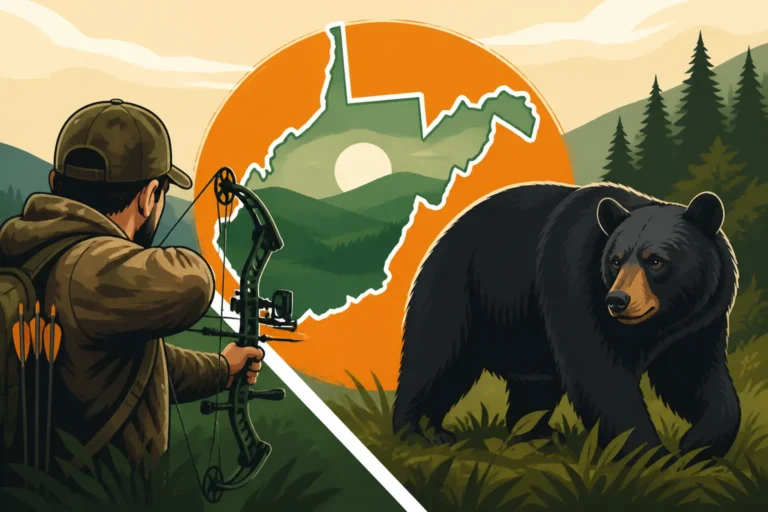
For many hunters in West Virginia, the dream of taking a black bear isn't just about the hunt itself, but about the unique challenge of the rugged mountain terrain. Unlike some areas where bears are drawn to bait or hounds do most of the work, the idea of truly earning a bear through a patient, strategic spot-and-stalk in our dense, unforgiving mountains can feel like an impossible feat. This guide is dedicated to demystifying that challenge, offering realistic, actionable tactics to help you navigate the highlands and successfully pursue a West Virginia black bear on foot.
Understanding West Virginia Mountain Bears and Their Habitat
Hunting black bears in West Virginia's mountains using spot-and-stalk tactics demands a deep understanding of their behavior, preferred habitats, and especially their dietary patterns throughout the seasons. These animals aren't just wandering aimlessly; they are highly attuned to their environment and, most importantly, their food sources. If you can predict what they’re eating and where they’ll find it, you’re halfway to finding them.
Seasonal Food Sources and Bear Movement
West Virginia's black bears are opportunistic omnivores, and their movements are heavily dictated by the availability of food. This is perhaps the single most crucial piece of information for any spot-and-stalk hunter.
- Spring and Early Summer: After denning, bears emerge ravenously hungry. During this time, you'll find them focusing on succulent green vegetation, new growth, and anything that provides quick energy. Think tender grasses, clover, and early berries in clear-cuts, old logging roads, and even open areas adjacent to dense timber. They'll also turn over rocks and logs looking for insects and grubs. As the spring progresses into early summer, certain soft mast like serviceberries and blackberries will start to ripen, drawing bears to specific patches.
- Late Summer and Early Fall: This is when the hard mast crop becomes the superstar, and it's often prime time for spot-and-stalk opportunities as bears become more predictable. Acorns, particularly from white oaks and then red oaks, are like gold. Bears will often spend days, even weeks, in a good mast crop, packing on calories for winter. When you're scouting, look for significant oak stands on ridges and benches. Beech nuts are another high-calorie favorite. It's not uncommon to find areas completely torn up by bears rooting for these precious nuts. You might also find them in wild apple orchards, wild cherry trees, or feeding on corn in agricultural fringes if you’re hunting areas bordering farmland. This is often the most productive period for glassing large areas, as bears might be feeding out in the open more regularly. To learn more about this crucial time, check out Hunting Bears Over Natural Mast in the Mountains.
- Late Fall and Early Winter: As temperatures drop and some mast crops dwindle, bears will intensify their feeding efforts, sometimes even becoming more active during daylight hours to maximize calorie intake. They'll continue to hit any remaining hard mast, but they might also move into areas with remaining soft mast or agricultural fields if available. As snow falls, they might be forced to forage more aggressively before denning. This late season period, often overlapping with deer seasons, can be incredibly productive for observant hunters.
Preferred Habitats and Terrain Features
West Virginia's mountains offer a diverse range of habitats, but bears consistently favor certain areas that provide a combination of food, water, and cover.
- Dense Cover: Bears feel secure in thick stuff. Laurel thickets, rhododendron hells, dense regrowth from old clear-cuts, and large stands of mature timber with a thick understory are all prime bedding and sanctuary areas. You might not see a bear in these spots, but they're often very close to them, especially when not actively feeding.
- Ridges and Benches: Bears, like deer, use topography to their advantage. Ridges offer travel corridors and elevated feeding areas, while benches—those flat or gently sloping areas along a mountainside—are often prime feeding grounds if they contain mast trees. These areas also provide relatively easier travel than steep hillsides. When looking at a map, identify these features and consider how a bear would move through them from bedding to feeding.
- Water Sources: While not always a primary draw in the same way food is, bears need water, especially during warmer months. Look for springs, seeps, and creek bottoms. These areas often have more lush vegetation in spring and early summer and can serve as travel corridors.
- Remote Areas: Particularly on public lands like the Monongahela National Forest, bears will often gravitate towards areas with less human disturbance. This means getting away from roads and popular trails. Don't be afraid to put in the miles; often, the most remote pockets hold the biggest, least-pressured bears.
- Clear-cuts and Logging Roads: These human-made features, while sometimes holding pressure, can also be bear magnets. Clear-cuts provide abundant soft mast and new growth, while old logging roads can offer easier travel and corridors for bears moving between feeding and bedding areas. They also provide excellent vantage points for glassing large areas, which is key to spot-and-stalk.
Essential Gear and Preparation for a Mountain Bear Stalk
Spot-and-stalk hunting for mountain bears in West Virginia is physically demanding and requires a well-thought-out gear list. It’s not just about what you carry, but how well it performs under strenuous conditions and how it helps you remain stealthy and effective.
Optics and Scouting Tools
Your eyes are your most valuable tool when spot-and-stalk hunting, and quality optics enhance that tool immeasurably.
- High-Quality Binoculars: This is non-negotiable. Forget cheap binoculars; you need something that gathers light well, offers crisp edge-to-edge clarity, and can withstand the rigors of mountain hunting. Opt for 10×42 or 12×50 power. You'll spend hours glassing distant hillsides, dark timber fringes, and mast patches. A good pair will reduce eye strain and allow you to pick apart terrain for that tell-tale black blob. Brands like Vortex, Leupold, or Swarovski are popular choices among serious hunters. For deeper insights, consider reading about Binocular Choice for West Virginia Whitetails, which shares many relevant principles.
- Spotting Scope (Optional but Recommended): For truly expansive glassing, especially from across a large hollow or a distant ridge, a spotting scope can be invaluable. It allows you to confirm if that black spot is indeed a bear, distinguish between a rock and an animal, and assess size or movement without having to move in closer. If you invest, make sure it's durable and relatively lightweight for packing.
- Tripod: A tripod for your binoculars (and spotting scope) is crucial. Trying to glass for hours freehand is exhausting and ineffective. A solid tripod provides a stable platform, allowing you to settle in and thoroughly dissect an area without wobble. This stability can literally make the difference between spotting a bear and overlooking it.
- GPS/Mapping App: In the vastness of West Virginia's public lands, a reliable GPS unit or a robust mapping app on your phone (like GoHunt, OnX Hunt, or BaseMaps) is essential. You'll need it to mark potential bear sign, navigate challenging terrain, understand property boundaries, and, most importantly, safely get back to your vehicle. Download offline maps before you leave home, as cell service is often nonexistent in the backcountry. GoHunt, for example, offers detailed satellite imagery and public/private land layers that are invaluable for planning your approach and knowing exactly where you are.
- Rangefinder: Once you spot a bear and begin your stalk, knowing the precise distance is critical for an ethical shot, especially with archery equipment or if you anticipate a long rifle shot. A quality rangefinder that can handle varied terrain and weather conditions is a must-have.
Clothing, Footwear, and Essential Tools
Your personal gear needs to support sustained physical effort in potentially harsh mountain conditions while allowing for stealth.
- Layered Clothing System: West Virginia weather is famously unpredictable. A base layer for wicking moisture, a mid-layer for insulation, and a durable, quiet outer layer that is windproof and waterproof (or at least water-resistant) is paramount. Avoid noisy fabrics. Early season might call for lighter layers, but late fall can bring freezing rain or snow. Layering allows you to adapt to changing temperatures and exertion levels. Check out Clothing for a West Virginia Late Season for more detailed advice on dressing for mountain weather.
- Sturdy, Comfortable Boots: You will be covering miles of steep, uneven, rocky, and often wet terrain. Your boots must provide excellent ankle support, traction, and waterproof protection. Break them in well before the hunt to avoid blisters. Brands like Kenetrek, Schnee's, or Scarpa are often favored for their durability and comfort in mountainous environments. Having reliable boots is absolutely key to safely navigating West Virginia's Steep Allegheny Ridges.
- Daypack/Hunting Pack: Choose a pack large enough to carry all your essentials—water, food, first aid, game bags, knife, rope, headlamp, and extra layers—but not so large it's cumbersome. It should be comfortable for long hauls and allow for easy access to frequently used items.
- First Aid Kit: Always carry a basic first aid kit. Accidents can happen quickly in the backcountry, from minor cuts and scrapes to sprains.
- Headlamp: Even if you plan to be back before dark, a headlamp is essential. A successful stalk might put you far from your vehicle at last light, and tracking a bear after the shot can easily extend into darkness.
- Knife and Game Bags: If you're successful, you'll need a sharp, reliable knife for field dressing. Game bags are crucial for keeping meat clean and cool, especially if you have to quarter the bear for pack out, which is common in steep country.
- Bear Spray (Optional but Recommended): While black bears are generally not aggressive, having bear spray as a last resort for self-defense is a personal choice some hunters make, especially when still-hunting thick cover where encounters can be sudden.
Executing the Spot-and-Stalk: Strategy and Techniques
Once you've done your homework and gathered your gear, the real work begins. Spot-and-stalk bear hunting is a game of patience, stealth, and calculated movements. It's less about speed and more about precision.
Glassing for Opportunity
The "spot" in spot-and-stalk is arguably the most critical and time-consuming part. You can't stalk what you can't find.
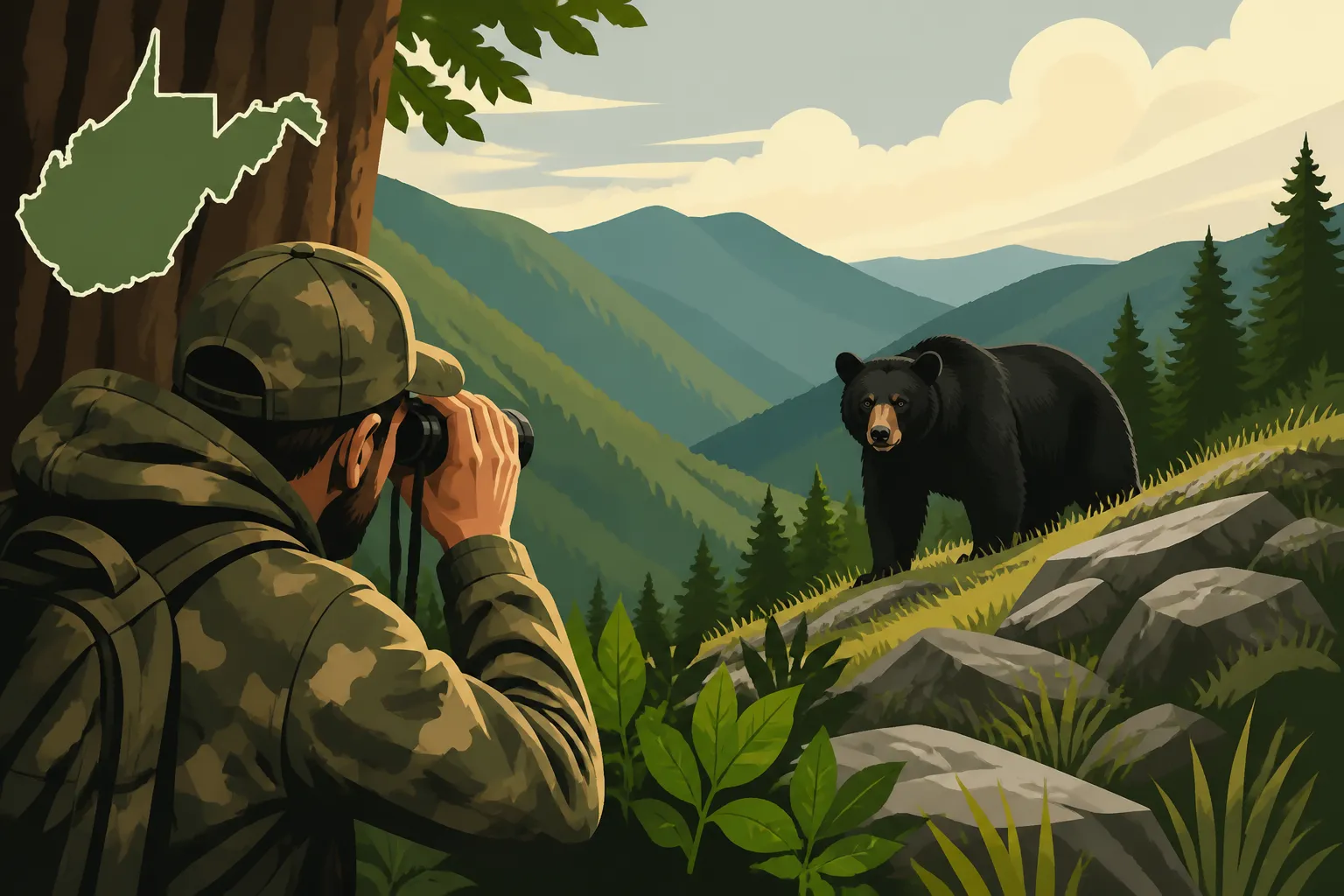
- Pick Your Vantage Points Wisely: Identify high vantage points that offer expansive views of potential bear habitat. This could be a rocky outcrop on a ridge, an old gas well pad, or a clear-cut edge overlooking a large hollow. The key is to see a lot of country. Use mapping apps like GoHunt to identify these terrain features before you even set foot on the ground.
- Divide and Conquer: Don't just scan aimlessly. Divide the landscape into grids or sections and systematically glass each one, looking for anything that seems out of place. Pay close attention to dark timber edges, mast-producing trees, creek bottoms, and clear-cuts. Don't just look for a whole bear; sometimes, it's a movement, a flick of an ear, or just a black spot that doesn't belong.
- Use Your Tripod: As mentioned, a stable platform is key. Lock your binoculars onto your tripod and let your eyes do the work. The slightest movement, a patch of fur, or even the subtle shine of a bear's coat in the sunlight can be missed if your optics are shaking.
- Timing is Everything: Bears are often most active during the early morning and late evening, when they move from bedding to feeding and vice-versa. Plan your glassing sessions around these peak activity times. However, during the rut or intense feeding phases, they can be active throughout the day, so don't completely rule out midday glassing, especially in cooler weather or under cloudy skies.
- Look for Sign: Even if you don't spot a bear, look for secondary signs. Fresh scat, overturned rocks, claw marks on trees, or disturbed ground from rooting can indicate recent bear activity and guide your further scouting or a still-hunting approach.
The Stalk: Closing the Distance
Once you've spotted a bear, the true test of your stealth and woodsmanship begins. This is where patience, understanding terrain, and meticulous planning come into play.
- Assess the Situation: Before moving an inch, take a moment to evaluate. What's the wind doing? What's the terrain between you and the bear? Are there any obstacles (creeks, thickets, other animals) that could give you away? How close do you need to get for a clean shot?
- Wind is Your Master: The wind is your absolute priority. A bear's nose is incredible, and even the slightest whiff of human scent will send it packing. Always approach into or across the wind, never with it at your back. Be mindful of thermals in the mountains; typically, thermals rise in the morning and fall in the evening. Understanding Wind and Thermals on a Steep Ridge is crucial for a successful stalk.
- Use the Terrain for Cover: Stay low, use hills, ridges, dense vegetation, and even large trees to break up your silhouette and conceal your movement. Never skyline yourself on a ridge. If you have to cross an open area, do so quickly and deliberately when the bear isn't looking.
- Slow Down and Be Quiet: This is not a race. Each step should be deliberate and quiet. Look for soft spots to place your feet, avoid snapping twigs or rustling leaves. Pause frequently to listen, look, and confirm the bear's location and activity. A good rule of thumb: take five minutes to cover what you could in one minute if you weren't stalking.
- Watch the Bear's Behavior: Pay close attention to what the bear is doing. Is it feeding, bedding, traveling, or looking around? If it’s feeding actively, you might have more leeway to move when its head is down. If it's alert, freeze. Use its movements and pauses to dictate your own.
- Plan Your Final Approach and Shot: As you get closer, start thinking about your shooting lane and a stable shooting position. Don't rush the shot. Wait for the bear to present a broadside or slightly quartering-away shot. Clear any small branches or obstructions that might interfere with your shot. Practice ethical Shot Placement on a West Virginia Black Bear beforehand to ensure a quick, humane kill.
Overcoming Challenges and Common Mistakes
Spot-and-stalk bear hunting in West Virginia is a formidable task, and it's easy to get discouraged. The mountains present unique hurdles, and learning from common mistakes can save you a lot of frustration.
Navigating Steep Terrain and Thick Cover
West Virginia's mountains are beautiful but brutal. The terrain is often steeper than it looks on a map, and the cover can be impenetrable.
- Physical Conditioning is Key: This isn't just a suggestion; it's a requirement. You'll be climbing steep grades, descending into deep hollows, and navigating rocky, uneven ground, often with a heavy pack. Start a rigorous exercise routine well before the season. Focus on cardio, leg strength, and endurance. Being physically prepared will not only make the hunt more enjoyable but also safer and more effective.
- Patience with the Pace: Don't try to rush. The mountains dictate the pace. What might look like a short distance on a map can take hours to traverse due to elevation changes, dense rhododendron, or treacherous footing. Embrace the slow grind. Remember, haste makes noise, and noise busts a stalk.
- Utilize Game Trails and Old Roads: While bears often prefer thick cover, they will also use game trails and old logging roads, especially for efficient travel between feeding and bedding areas. These can offer relatively easier and quieter routes for your approach, just be sure to move slowly and check the wind.
- "Brush Busting" When Necessary: Sometimes, you simply have to push through thick laurel or briar patches. When this happens, do it as slowly and deliberately as possible, lifting your feet rather than dragging them. Plan your path through the densest spots to minimize noise and exposure. It's often better to go around a patch if you can, even if it adds distance.
Dealing with Changing Winds and Thermals
Mountain winds are notoriously fickle, and they can be your greatest ally or your worst enemy.
- Constant Vigilance: Never assume the wind will stay constant. Carry a small wind checker (powder, string, or milkweed seeds) and use it constantly. Check it before every major move, before cresting a ridge, and whenever you pause.
- Understanding Thermal Pull: As daylight progresses, sun-warmed air rises up slopes (upslope thermals). As evening approaches, the air cools and flows downhill (downslope thermals). This can create complex wind patterns, especially in deep hollows or steep drainages. Try to plan your approach to take advantage of these natural air currents, or at least to avoid being directly exposed to them carrying your scent. You might have to wait for conditions to stabilize or change before continuing a stalk.
- Have a Backup Plan: If the wind shifts unexpectedly and blows your scent towards the bear, don't press your luck. It's usually better to back out quietly, circle around, and try a different approach later, or even another day, than to spook the bear and blow the opportunity entirely.
Managing Expectations and Persistence
Spot-and-stalk bear hunting in West Virginia is rarely a "slam dunk." It requires immense dedication.
- Embrace the "Hunting" Part: There will be many hours of glassing without seeing a bear, many stalks that end with a shifting wind or a phantom movement. This is part of the challenge. The reward comes from the process and the occasional success. For context, West Virginia has a very liberal bear season and a healthy population, but spotting them in the mountains is still tough.
- Learn from Every Outing: Each time you go out, pay attention. What did the wind do? Where did you see (or not see) sign? What mistakes did you make? How did the bear react? The more you observe and reflect, the better you'll become.
- Don't Give Up: Persistence is the most overlooked quality in a successful spot-and-stalk hunter. It might take multiple trips, miles of hiking, and countless hours of glassing before everything comes together. That feeling of finally executing a successful stalk and being face-to-face with a West Virginia black bear makes all the effort worthwhile. It's a testament to your skills, patience, and love for the mountains.
West Virginia Bear Spotting Locations and Season Notes
While bears are present throughout West Virginia, certain regions offer better opportunities for mountain spot-and-stalk hunting due to their vast public lands and rugged terrain. The bear population has made a remarkable comeback, with West Virginia's Black Bear Comeback being a true conservation success story.
Prime Mountain Regions
- Monongahela National Forest: This sprawling national forest is arguably the premier destination for mountain bear hunting. Its vast, undeveloped wilderness, deep hollows, and high ridges provide abundant bear habitat. Areas within and adjacent to the Cranberry Wilderness, Otter Creek Wilderness, and Dolly Sods Wilderness offer truly remote, challenging, and rewarding hunting experiences. Pay particular attention to areas with strong mast crops, as these will draw bears from miles around. Hunting the Cranberry Backcountry Wilderness Edge is a prime example of the kind of remote, challenging habitat you'll encounter.
- Potomac Highlands: Counties like Pendleton, Grant, Tucker, and Randolph offer a mix of national forest, state forest, and private land that can be excellent for bears. The terrain is rugged, but often a bit more accessible than the deep Monongahela backcountry.
- Southern Coalfields: While perhaps not as renowned for spot-and-stalk due to more fragmented habitat in places, the vastness of some of the reclaimed mine lands and untouched hollows in counties like Boone, Logan, and Wyoming do hold bears. However, the density of human population and mining activity can make finding truly remote, undisturbed areas more challenging. Notably, the four southern archery-only counties for deer do have gun seasons for bear, which can provide additional opportunity.
Season Considerations
West Virginia boasts a very liberal bear season, often with both archery and gun seasons running concurrently or overlapping with deer seasons. This extended season provides more opportunities for spot-and-stalk hunting.
- Archery Season: The archery season for bears often opens early, sometimes in September, and runs for an extended period. This early season can present challenges with warmer weather (requiring quick game care) but also opportunities when bears are hitting early soft mast.
- Gun Seasons: West Virginia also has various gun seasons for bears, sometimes split by region or dates. These can include periods where baiting or hound hunting is allowed, but spot-and-stalk is always an option. If you prefer to avoid the crowds, look for times or areas with less pressure.
- Checking Regulations: Always, always, always consult the current West Virginia Hunting & Trapping Regulations synopsis before heading afield. Season dates, bag limits, weapon restrictions, and checking requirements can change year to year. You can find this information on the West Virginia Division of Natural Resources (WVDNR) website.
Disclaimer
Hunting is an inherently dangerous activity. The information provided in this guide is for informational purposes only and should not be considered a substitute for professional instruction, proper safety training, or adherence to all local, state, and federal hunting regulations. Always prioritize safety, understand your equipment, respect wildlife, and obtain all necessary licenses and permits before hunting.