West Virginia Deer Camp Traditions
The annual deer season in West Virginia is far more than just a hunt; it's a sacred pilgrimage for countless families and friends, a ritual centered around the beloved tradition of 'deer camp.' For many, the stress of modern life and the logistical hurdles of coordinating schedules, finding suitable land, and simply getting everyone together can feel like a monumental task. This guide dives deep into the heart of West Virginia deer camp traditions, exploring everything from the enduring spirit that draws us back year after year to setting up camp, the cherished rituals, and the vital role of passing this heritage to future generations.
The Enduring Spirit of West Virginia Deer Camp
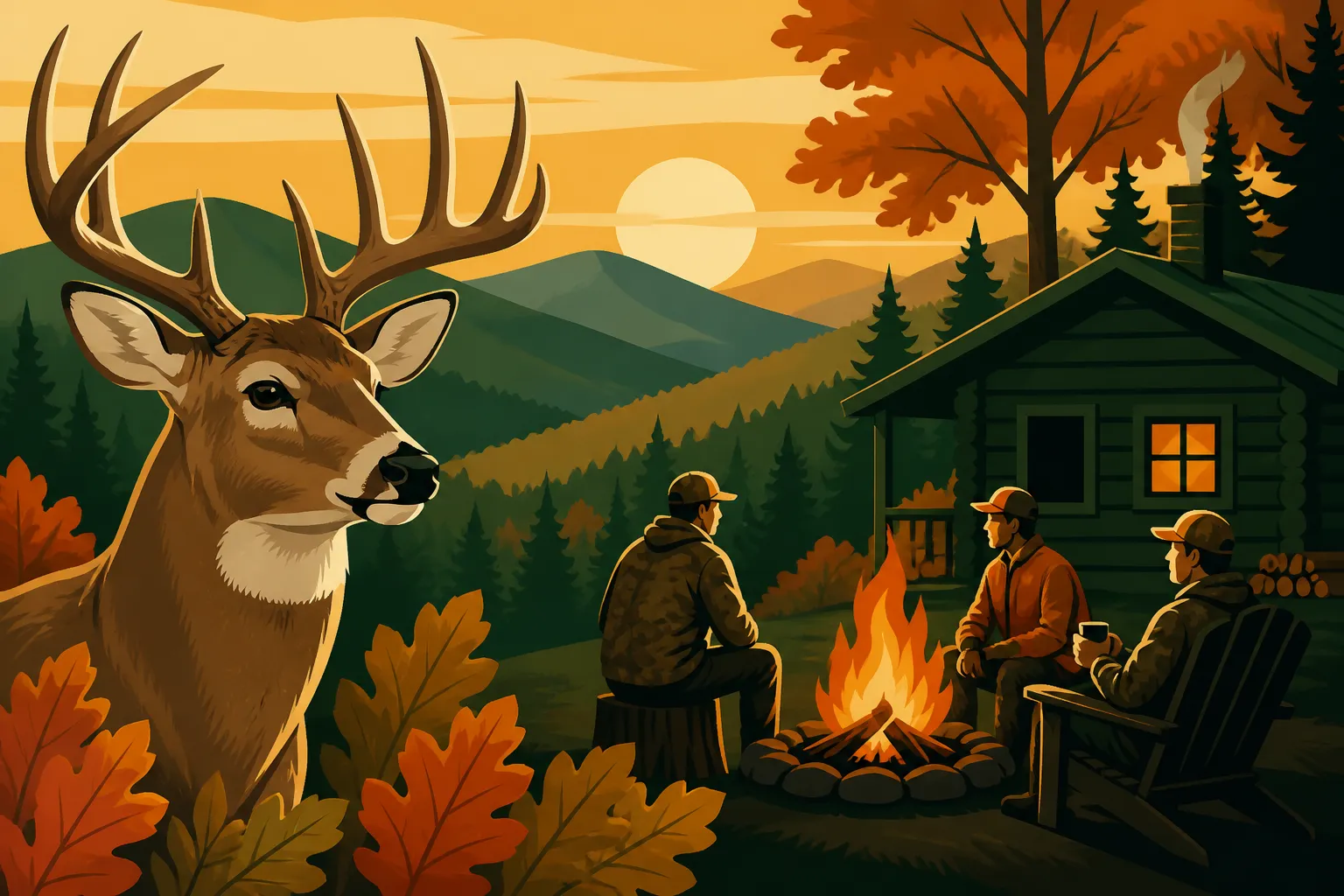
There’s something truly magical about West Virginia deer camp. It’s not just a collection of tents or a remote cabin; it’s a temporary home, a sanctuary where the outside world fades, and the primal rhythm of the hunt takes over. For generations, these camps have been the crucible where friendships are forged, family bonds are strengthened, and an intimate connection with the wild mountains is rekindled. It’s a place where stories grow taller with each telling, where successes are celebrated loudly, and failures are met with gentle teasing and camaraderie.
Why Deer Camp is More Than Just Hunting
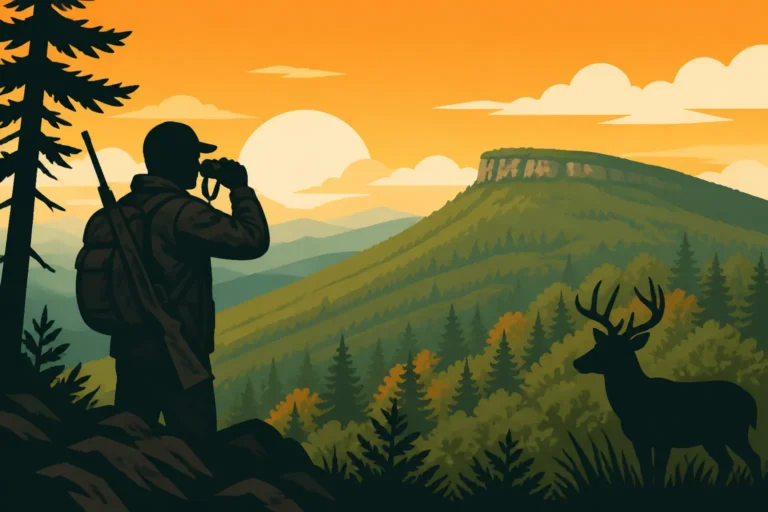
Ask any seasoned West Virginia hunter, and they’ll tell you that deer camp is about so much more than pulling a trigger. It’s about the quiet solitude of predawn walks to the stand, the crisp mountain air biting at your cheeks, and the anticipation building with every rustle of leaves. But equally, it's about the roaring fire, the smell of woodsmoke mingling with stale coffee, and the shared laughter that echoes long after the last hunter has turned in for the night. It's the annual reconnection with the land and the people who understand this deep-seated passion. The deer itself is often secondary to the shared experience.
It’s where life lessons are subtly taught and absorbed. Patience, resilience, respect for nature, and self-sufficiency are all integral parts of the deer camp curriculum. You learn to rely on your fellow hunters, to share duties, and to contribute to the collective well-being of the camp. For many, it’s a necessary detox from the digital world, a chance to slow down, listen to the wind, and remember what truly matters. This communal aspect sets West Virginia deer camps apart, fostering a sense of belonging that extends far beyond the season's close.
The Evolution of Camp Over Generations
West Virginia deer camps have certainly evolved over the decades, reflecting changes in technology, access, and even societal norms, but the core spirit remains remarkably constant. Grandfathers tell tales of canvas wall tents, kerosene lamps, and hunting with trusty lever-action rifles. Today, you might find pop-up campers, solar chargers, and hunters meticulously planning routes with apps like GoHunt. Yet, the essence of sharing knowledge, cooking over an open flame, and rising before the sun to chase whitetails endures.
From rudimentary lean-tos crafted from natural materials to elaborate multi-room cabins with wood stoves, the shelters have changed, but the purpose hasn't. The discussions around tactics, the analysis of tracks, and the occasional good-natured ribbing over a missed shot are timeless. Even the gear has transformed; while modern hunters might carry high-tech rangefinders and specialized packs, the fundamental tools—a good knife, reliable boots, and warm layers—are still paramount, linking current generations to those who hunted these same hills centuries ago.
Setting Up the Perfect West Virginia Deer Camp
Establishing a functional and comfortable deer camp is a critical first step to a successful hunt. It’s about more than just finding a flat spot; it’s about strategic placement for hunting access, efficient logistics, and creating a welcoming atmosphere for everyone involved. A well-planned camp minimizes distractions and maximizes the time spent focused on the pursuit of game and the enjoyment of companionship.
Location, Logistics, and Laying the Groundwork
Choosing the right location for your West Virginia deer camp is paramount. Proximity to prime hunting ground is obvious, but also consider water sources, accessibility for vehicles, and shelter from prevailing winds. Many families have established spots on private land that have been used for generations, but public lands offer vast opportunities. When considering public land, think about areas near a good network of logging roads for easier access, but also scout for more remote pockets to escape the pressure. Using mapping tools, like those found on GoHunt, can be incredibly helpful for identifying potential camp spots, assessing terrain, and marking key hunting areas.
Once the location is set, logistics come into play. What type of shelter will you use? A large canvas wall tent with a wood stove is traditional and offers excellent comfort in cold weather. Alternatively, pop-up campers or even small travel trailers provide more amenities. Plan for sanitation, water storage, and trash disposal to keep your camp clean and minimize impact on the environment. Don't forget a sturdy table for cooking and processing, and comfortable chairs for evening relaxation. For those considering public lands, understanding the rules for Camping Rules on West Virginia National Forest Land is crucial to avoid any unwelcome surprises.
Essential Gear and Comforts for a Successful Stay
A well-stocked deer camp is a happy deer camp. Beyond your hunting rifle, bow, or muzzleloader, consider the shared equipment that makes camp life enjoyable. A robust cook stove, ample fuel, and a comprehensive set of cookware are essential for the hearty meals that fuel early mornings and late nights. Good lighting, whether lanterns or headlamps, is a must for navigating camp after dark. Proper bedding, like warm sleeping bags or cot systems, is vital for a good night's sleep, especially when facing brisk mountain temperatures.
Table of Essential Deer Camp Gear
| Category | Traditional Essentials | Modern Comforts & Enhancements |
|---|---|---|
| Shelter | Canvas wall tent, tarp, simple lean-to | Pop-up camper, travel trailer, robust expedition tent |
| Heat & Light | Kerosene lantern, campfire, wood stove | Propane lanterns, LED headlamps, portable propane heater |
| Cooking | Cast iron skillet, Dutch oven, campfire grill | Propane stove with multiple burners, cooler with ice |
| Bedding | Wool blankets, sleeping bag, cot | Insulated sleeping pad, zero-degree sleeping bag, air mattress |
| Navigation | Paper map, compass, local knowledge | GPS device, smartphone with hunting apps (e.g., GoHunt) |
| Hygiene | Stream/creek water, simple soap | Portable shower, biodegradable soaps, hand sanitizer |
| Processing | Sharpening stone, butcher knife | Game bags, portable hoist, vacuum sealer |
Don't underestimate the small comforts, either. A good first-aid kit is non-negotiable, and a reliable power source, whether a generator or solar array, can keep phones charged and lights on. Consider a two-way radio system if hunting in remote areas where cell service is spotty. And perhaps most importantly, bring a healthy dose of patience and a good attitude – those are the ultimate camp essentials. You can learn more about Clothing for a West Virginia Late Season to ensure you're adequately prepared for the unpredictable mountain weather.
Time-Honored Rituals and Activities at Deer Camp
Deer camp isn't just about the hunt; it's a tapestry woven with routines, shared meals, and storytelling that binds generations together. These rituals create a sense of belonging and continuity, connecting today's hunters to those who came before them. It’s these unwritten rules and cherished moments that define the West Virginia deer camp experience.
From Pre-Dawn Coffee to Post-Hunt Storytelling
The rhythm of deer camp is predictable and comforting. It begins long before dawn, often in the dark stillness of the early morning hours. The first hunter awake might stoke the fire, the aroma of woodsmoke quickly filling the cold air. Then comes the unmistakable hiss and gurgle of coffee brewing, a sound that signals the start of the day. Hunters gather, quietly discussing plans for their stand locations or Deer Drives With Three or Four Hunters, the wind direction, and what they saw the evening before. This is a time for serious reflection and anticipation, often punctuated by the clinking of mugs and the rustle of gear.
As the morning hunt progresses, the camp might fall silent, save for the crackling fire. But when hunters begin to trickle back in, the stories start. Whether successful or not, every hunter has a tale to tell—the enormous buck that slipped away, the precise shot on a doe, the challenges of Tracking a Deer Through West Virginia Leaf Litter. These stories are exaggerated, embellished, and recounted year after year, forming a vital oral history of the camp. They’re not just entertainment; they're lessons, validations, and the building blocks of shared memories. Learning about Hunting the West Virginia Rut in November often provides the most exciting stories.
The Culinary Delights and Shared Meals
Food at deer camp is more than sustenance; it’s an event. Hearty, stick-to-your-ribs meals are the order of the day, designed to fuel hunters through long hours in the cold woods. Breakfasts often feature bacon, eggs, pancakes, or venison sausage. Lunch might be simple sandwiches or leftovers eaten quickly. But dinner is the centerpiece, a communal feast where everyone gathers around a large table, often illuminated by the glow of a lantern or a campfire.
Traditional camp fare includes chili, stews, pot roasts, and of course, plenty of fresh venison. The process of preparing and sharing these meals is a bonding experience in itself. Someone might be an expert chili maker, another might be in charge of the campfire potatoes, and a third might be the designated grill master for backstraps. The shared effort and the simple joy of eating together after a day in the field are irreplaceable. And when a deer is harvested, the camp transforms into a processing hub, with everyone pitching in to help with Field Dressing a Deer in Cold Weather and preparing the meat for the journey home, or for immediate celebration with a meal of fresh tenderloin. It's truly a labor of love that highlights the close ties of hunting camaraderie, which extends to activities like Butchering a Deer at Camp.
Passing the Torch: Mentorship and Future Generations
The future of hunting in West Virginia, and indeed across the nation, rests squarely on the shoulders of current hunters. It's our responsibility to ensure that the rich traditions and invaluable lessons learned at deer camp are passed down to new generations. This isn't just about preserving a pastime; it's about instilling a deep respect for nature, promoting ethical behavior, and fostering a connection to the outdoors that will endure.
Teaching the Ropes to New Hunters
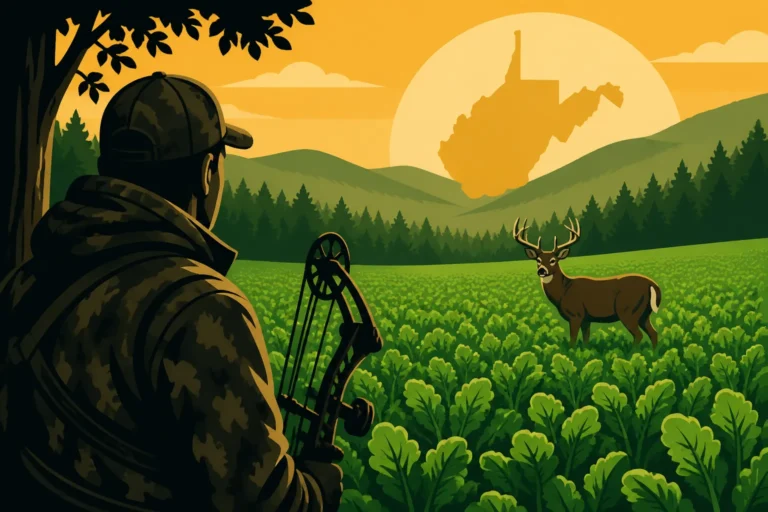
Bringing new hunters, especially youth, into the deer camp fold is one of the most rewarding aspects of the tradition. It's a structured but informal environment where they can learn invaluable lessons beyond what a textbook can teach. Mentorship often begins with observing and assisting, gradually moving into more active roles. These new hunters learn about West Virginia Hunter Education Requirements, firearm safety, tracking, game identification, and the subtle art of reading the woods. They see firsthand the patience required and the disappointment of an empty handed day, balanced with the excitement and hard work of a successful harvest.
Experienced hunters take the time to explain why certain decisions are made—why a particular stand location was chosen, how to approach a fresh rub line, or the importance of wind direction when still-hunting. This isn't just about hunting techniques; it's about teaching respect for the animal, for the land, and for fellow hunters. It's about instilling the ethics that define responsible hunting, ensuring that the legacy of West Virginia hunting remains strong and honorable. Understanding West Virginia Legal Firearms for Deer Hunting is also a key part of this educational process.
Preserving the Legacy of West Virginia's Hunting Heritage
To preserve the deep-rooted heritage of West Virginia deer camp, it takes conscious effort. It means making time for younger hunters, sharing stories, and actively involving them in all aspects of camp life, from setting up tents to cooking meals and processing game. It means encouraging them to learn about West Virginia Deer Season Structure Explained and the intricacies of wildlife management. It also involves embracing modern tools responsibly. For instance, while technology like GoHunt can aid in Scouting West Virginia Public Land Before Season and navigating, the emphasis should always remain on direct experience and traditional skills.
Furthermore, it involves setting a good example in all things, from adhering to West Virginia Deer Reporting Requirements to demonstrating good sportsmanship and respect for others, especially when navigating areas with Hunting Pressure on West Virginia Public Land. By consciously upholding the values of camaraderie, self-reliance, and conservation, we ensure that the traditions of West Virginia deer camp don't fade into history, but continue to thrive and inspire future generations to cherish and protect our wild mountains and the rich experiences they offer. Ensuring new hunters understand the ease of obtaining West Virginia Resident License Options is also crucial for their entry into the sport.
Disclaimer
This guide is intended for informational purposes only and does not supersede official West Virginia Division of Natural Resources (WVDNR) regulations. All hunters are responsible for knowing and abiding by current hunting laws and regulations. Always prioritize safety in the field.