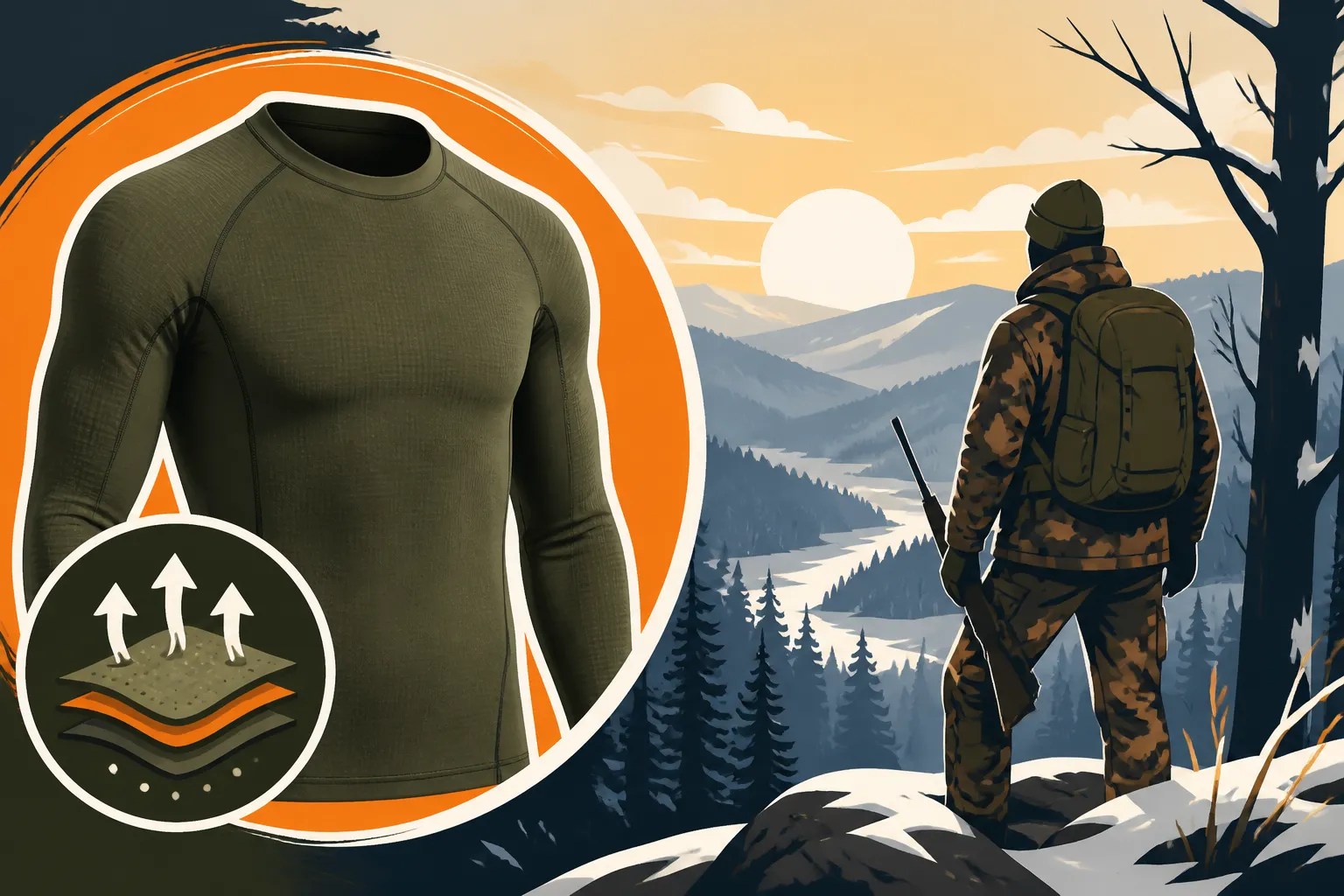
Base Layers for a West Virginia December
There’s nothing quite like a West Virginia December hunt. The air is crisp, the leaves are mostly down, and the promise of a late-season buck or a wily old gobbler keeps us heading for the woods. But let's be honest, those beautiful December days can turn brutally cold and damp in a heartbeat, making comfort – and even safety – a real challenge. You've experienced that biting wind on an exposed ridge or the creeping chill after a hard climb, leaving you shivering in your stand. This guide is all about tackling that exact frustration by mastering the art of base layers, ensuring you stay warm, dry, and focused when it matters most.
The Science Behind Staying Warm: Why Base Layers Are Critical
Hunting in West Virginia during December isn't just about bundling up; it's about smart insulation. Many hunters, myself included in my younger years, used to just throw on a heavy jacket and call it good. But that's a recipe for misery once you start moving or the weather turns. The truth is, staying truly warm in cold, damp conditions is a strategic game, and your base layers are the absolute foundation of that strategy. They're not just another piece of clothing; they're your first line of defense against the elements.
Understanding Heat Loss in Cold Weather
Our bodies are constantly trying to maintain a core temperature, usually around 98.6 degrees Fahrenheit. In cold weather, our bodies lose heat through several mechanisms: conduction (direct contact with cold objects), convection (wind blowing heat away), radiation (heat radiating off our bodies), and evaporation (sweat turning to vapor). For a West Virginia hunter, all of these are in play. Imagine sitting still on a freezing metal treestand (conduction) with a stiff breeze blowing up a hollow (convection), all while your body slowly radiates heat into the cold air.
The real killer for hunters, however, is often evaporation, specifically from sweat. You might think, "I'm not sweating in December!" but even a short hike up an Allegheny ridge with your pack and gear can make you perspire, especially if you're over-dressed for the exertion. Once that sweat gets trapped against your skin, it rapidly cools. Water conducts heat away from your body about 25 times faster than air. That's why cotton, which absorbs moisture and holds it close, is the absolute enemy in cold weather hunting. A damp cotton t-shirt under your layers will turn you into an ice block faster than anything else, leading to a miserable and potentially dangerous situation.
The Wicking Principle: How Base Layers Work
This is where base layers become the unsung heroes of your hunting wardrobe. Their primary job is not necessarily to insulate you (though some do add a touch of warmth), but to wick moisture away from your skin. Wicking fabrics are designed with tiny capillaries that pull sweat off your skin and transfer it to the outer surface of the fabric, where it can evaporate more easily or be absorbed by subsequent layers. This process keeps your skin dry, creating a stable, warm microclimate right next to your body.
By maintaining that dry layer against your skin, base layers effectively prevent evaporative cooling. Think of it like a personal climate control system. Whether you're still-hunting through thick laurel patches or Hunting the West Virginia Rut in November and finding yourself on a sudden, strenuous climb to cut off a traveling buck, your base layer is actively managing your moisture. It ensures that even if you work up a sweat, that moisture doesn't stay put and turn into a cold, clammy blanket, thereby preventing that deep chill that can set in and make a long sit feel unbearable.
Choosing Your Material: Synthetic vs. Merino Wool
When it comes to base layers, the hunting world generally divides into two camps: those who swear by synthetics and those who are devoted to merino wool. Both have distinct advantages and drawbacks, and understanding them is key to making the right choice for your West Virginia December hunts. Often, the best solution involves a thoughtful combination or choosing based on the specific conditions you anticipate facing.
Synthetic Base Layers: The Quick-Drying Workhorses
Synthetic base layers, typically made from polyester, polypropylene, or blends, are the speed demons of moisture management. Their biggest advantage is their exceptional wicking capability and incredibly fast drying times. If you anticipate high exertion, like a grueling pack-in to a remote area of Monongahela National Forest, or if you're planning a Deer Drives With Three or Four Hunters operation where you'll be constantly moving and sweating, synthetics are often the top choice. They pull that moisture off your skin efficiently and dry quickly once you stop moving, minimizing the post-exertion chill.
They are also generally more durable and abrasion-resistant than wool, making them a good option if you’re busting through thick brush all day. Another significant pro is that synthetics tend to be more affordable upfront, offering excellent performance without breaking the bank. However, they do have a couple of downsides. While many modern synthetics come with anti-odor treatments, they are still more prone to retaining body odor than wool over extended use. Also, once wet, they lose more of their insulating properties compared to merino wool, though they do dry faster. When browsing gear, you'll often see GoHunt's detailed product reviews highlighting the best synthetic options for various activity levels and temperature ranges, providing hunters with trusted insights into their performance in the field.
Merino Wool Base Layers: Nature's Finest Insulator
Merino wool, on the other hand, is nature's marvel. Derived from merino sheep, this fine wool offers an incredible warmth-to-weight ratio, making it ideal for colder, less active hunting scenarios, such as a long, static sit in a treestand during the Hunting the Late-Season December Lull. One of its most celebrated qualities is its ability to retain much of its insulating power even when damp. If you do get a little clammy, merino will still keep you significantly warmer than a wet synthetic.
Beyond warmth, merino is naturally odor-resistant, a huge benefit for multi-day hunts or when you want to minimize your scent profile for wary deer. It's also incredibly soft against the skin, shedding the "itchy wool" reputation of older generations. The breathability of merino helps regulate body temperature, preventing overheating during moderate activity while still providing warmth during periods of inactivity. The main drawbacks are generally higher cost and slower drying times compared to synthetics. It can also be more susceptible to wear and tear if not cared for properly, though good quality merino is surprisingly resilient. GoHunt often features comprehensive guides and reviews on premium merino wool options, helping hunters understand the nuances of different weights and blends for optimal performance in the varying West Virginia conditions.
| Feature | Synthetic Base Layers | Merino Wool Base Layers |
|---|---|---|
| Material Examples | Polyester, Polypropylene | Fine Merino Wool |
| Wicking Ability | Excellent; very fast moisture transfer | Excellent; wicks effectively |
| Drying Time | Very fast | Slower than synthetics |
| Warmth (Wet) | Loses significant insulating power | Retains significant insulating power |
| Odor Resistance | Moderate (requires treatment) | Excellent (natural properties) |
| Comfort/Softness | Good, can vary | Excellent; very soft against skin |
| Durability | High; good abrasion resistance | Good; can be more delicate than synthetics |
| Cost | Generally more affordable | Generally higher |
| Best For | High-exertion activities, quick temperature changes | Static sits, prolonged cold exposure, multi-day hunts |
Weight and Layering: Building Your December System
Understanding material is just half the battle; knowing which weight to choose and how to integrate your base layer into a complete system is crucial for a successful West Virginia hunt in December. The right base layer isn't a standalone solution but a vital piece of a much larger puzzle designed to keep you comfortable and effective from sunrise to sunset, regardless of what the mountain weather throws at you.
Light, Mid, and Heavyweight Options
Base layers come in different weights, and each has its place in a West Virginia December. Lightweight base layers are your go-to for early December days that are still relatively mild, or for any hunting scenario where you'll be highly active and generating a lot of body heat, even if the ambient temperature is quite cold. Think chasing squirrels in bottomland hardwoods or a long trek into the deep backcountry. They excel at wicking moisture without adding excessive warmth.
Midweight base layers are arguably the most versatile for the average West Virginia December hunt. They offer a good balance of warmth and wicking performance, making them suitable for most static sits in moderate cold, such as a typical morning deer hunt on Hunting Potomac Highlands Public Land. They provide that extra thermal buffer without being overly bulky, allowing for layering over them. Finally, heavyweight base layers are reserved for the bitterest cold, when temperatures plunge and you anticipate minimal movement, perhaps Cold-Weather Sitting Strategy in the Mountains during a deep freeze. These are designed for maximum insulation, often with a brushed interior for added warmth and comfort. The key is to match the weight of your base layer not just to the forecast, but also to your expected activity level.
The Art of Layering: Beyond Just Base Layers
A base layer is, as the name suggests, the base of your entire layering system. It's the first thing you put on, and its performance impacts everything else. Over your base layer, you'll want to add a mid-layer for insulation. This could be a fleece jacket, a synthetic puffy vest or jacket, or another wool layer. The mid-layer traps air, creating pockets of warmth, and should also ideally have some wicking properties to continue moving moisture outwards. This strategy is critical for staying warm, as detailed in Layering for a West Virginia Deer Stand.
Finally, an outer shell provides protection from wind, rain, and snow. This layer needs to be windproof and, ideally, waterproof or highly water-resistant. Its primary job is to keep the elements out, protecting your insulating layers beneath. The beauty of this three-layer system (base, mid, outer) is its adaptability. You can shed or add layers as conditions change, ensuring optimal comfort. For example, you might wear a lightweight synthetic base layer and a heavy mid-layer during a strenuous hike in, then strip off the mid-layer to prevent sweating, and then put it back on when you reach your stand and cool down. A good resource for understanding these dynamics and selecting the right gear is GoHunt, which often provides detailed guides on building effective layering systems for various hunting conditions and species.
Practical Considerations for West Virginia Hunters
Choosing the right base layers isn't just about fabric and warmth; it’s also about the practicalities of wearing them in the field, from fit and comfort to how you care for them. These small details can make a huge difference in your overall hunting experience, especially during long days in the rugged terrain of West Virginia.
Fit and Comfort: It's More Than Just Warmth
The fit of your base layer is incredibly important for its performance. It needs to be snug against your skin, but not so tight that it restricts movement or feels uncomfortable. A loose-fitting base layer won't be able to wick moisture effectively, as there won't be consistent contact with your skin. You want it to feel like a second skin – close enough to pull moisture away, but stretchy enough to allow full range of motion. Imagine trying to draw your bow on a cold morning while wearing a base layer that bunches or pulls uncomfortably around your shoulders.
Look for base layers with flatlock seams. These seams are designed to lie flat against the fabric, minimizing chafing and irritation, especially crucial during long hikes with a pack or extended sits in a treestand. The dynamic movements involved in hunting, from climbing to Hanging a Stand on a Steep Allegheny Ridge to simply turning to glass a distant hillside, require clothing that moves with you, not against you. A well-fitting, comfortable base layer will fade into the background, allowing you to focus on the hunt, not on adjusting your clothing.
Odor Control and Maintenance
Let's face it, hunting often involves long hours without access to a washing machine, and for many, scent control is paramount. This is where merino wool truly shines. Its natural antimicrobial properties mean it can be worn for multiple days without developing the strong odors that synthetic fabrics can produce. This is a huge advantage for multi-day backcountry trips or even just consecutive morning hunts without time for laundry.
For synthetic base layers, many manufacturers incorporate anti-odor technologies, often using silver-based treatments. While these are effective, their performance can diminish over time and with repeated washes. When it comes to cleaning both types, cold water and air drying are generally recommended. Heat from dryers can degrade elastic fibers in synthetics and shrink or damage wool. Avoid using fabric softeners, especially on synthetics, as they can clog the wicking fibers and reduce the garment's performance. Proper care will extend the life of your base layers and ensure they continue to perform optimally, keeping you warm and dry season after season. Taking care of your gear, like your base layers or even your Wool Versus Synthetics in Mountain Cold choices for outer layers, ensures they're ready for whatever West Virginia's unpredictable winter throws at them.
Disclaimer
This article is for general informational purposes only and does not constitute professional advice. Laws, prices and regulations vary by location and change over time. Consult a qualified professional for guidance on your specific situation.