Layering for a West Virginia Deer Stand
Oh, the age-old dilemma of a West Virginia deer stand! We've all been there, shivering uncontrollably as the morning mist turns into a biting wind, or sweating buckets under unexpected midday sun, wishing we'd dressed differently. Getting your clothing right for a day of deer hunting in the Mountain State isn't just about comfort; it's about staying alert, focused, and ultimately, safe. This guide is all about mastering the art of layering, helping you navigate West Virginia's notoriously fickle weather to stay comfortable and effective on stand, whether you're tucked into a hollow or perched on a ridge top.
Understanding West Virginia's Wild Weather Swings
If you've spent any time hunting in West Virginia, you know our weather has a mind of its own. It's not uncommon to start a November morning with frost on the ground and temperatures in the low 20s, only to have it climb into the 50s by afternoon, especially if the sun breaks through. Or, you might face a bone-chilling drizzle that suddenly turns into a heavy, wet snow. These drastic shifts are exactly why a well-thought-out layering system isn't just a good idea; it's absolutely essential.
Why Layering Isn't Just for Cold Weather
Many hunters think of layering primarily as a cold-weather strategy, a way to pile on the warmth when the mercury drops. But that's only half the story. Layering is just as critical for managing heat and moisture when temperatures fluctuate or when your activity level changes. Think about that long hike into your favorite spot on a chilly morning – you're building up heat and sweat on the move, but once you settle into your stand, your body temperature will quickly drop.
If you're wearing too many heavy, non-breathable clothes, that sweat gets trapped against your skin. And as soon as you stop moving, that moisture turns cold, sapping your body heat at an alarming rate. This isn't just uncomfortable; it can be dangerous, leading to hypothermia even in seemingly moderate conditions. A good layering system allows you to add or subtract insulation as needed, keeping you at a consistent, comfortable temperature while wicking away moisture. It's about proactive temperature regulation, not just reactive bundling.
The Unpredictability of Mountain Conditions
Our beloved West Virginia mountains, while beautiful, are infamous for creating their own microclimates. You might be experiencing a calm, sunny day in the valley, while just a few hundred feet higher on a ridge, a brisk wind is howling and fog rolls in. Precipitation can also vary wildly; a light rain down below might be freezing drizzle at higher elevations. This makes a static clothing choice completely impractical.
Consider a hunt in the Monongahela National Forest, for example. You might start your trek through a sheltered hollow, then ascend a steep ridge to reach your stand. The physical exertion of the climb will make you warm, perhaps even sweaty. But once you're on that exposed ridge, the wind can cut right through you. Having the right layers means you can strip down for the climb and bundle up for the sit without having to carry an entire extra wardrobe. It keeps you versatile and prepared for whatever Mother Nature throws your way in the Allegheny Highlands.
The Foundation: Base Layers for Moisture Management
The base layer is arguably the most important part of any effective layering system. It's the layer right next to your skin, and its primary job is to manage moisture – specifically, your sweat. Get this wrong, and no matter how many expensive outer layers you pile on, you'll still end up cold and miserable.
Why Cotton is Your Enemy, Not Your Friend
Let's get this out of the way upfront: cotton kills. Okay, maybe not literally in most West Virginia deer hunting scenarios, but it will absolutely make you miserable and increase your risk of hypothermia. Cotton absorbs moisture like a sponge and holds onto it. Once wet, cotton loses its insulating properties, and because it takes so long to dry, that cold, damp fabric against your skin will actively draw heat away from your body.
I've made this mistake myself in my younger days, thinking a cotton t-shirt and jeans would be fine under my hunting jacket. A short walk to the stand, a little sweat, and then sitting still for an hour, and I was shivering uncontrollably. It's a lesson you only need to learn once. For deer hunting, where you might be sitting still for hours in varying conditions, avoiding cotton in your base layer is non-negotiable. Save your favorite cotton flannel for around the campfire after the hunt, not for your time on stand.
The Power of Merino Wool and Synthetics
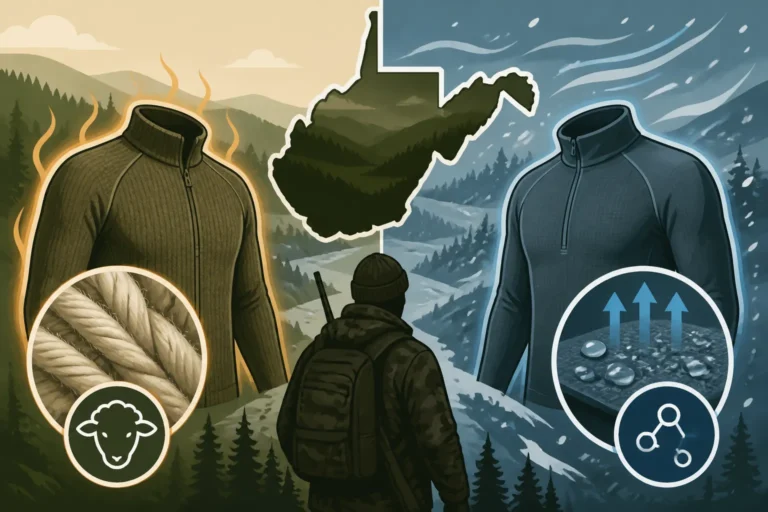
When it comes to base layers that perform, you have two excellent choices: merino wool and modern synthetics. Both are designed to wick moisture away from your skin, moving it to outer layers where it can evaporate, thus keeping you dry and warm.
Merino wool is a fantastic natural fiber. It's incredibly soft, doesn't itch like traditional wool, and has natural odor-resistant properties, which is a huge plus when you're spending long hours in the woods and need to minimize your scent profile. Even when damp, merino wool retains a surprising amount of its insulating power, making it incredibly forgiving if you do get a little sweaty or caught in a light drizzle. Companies like First Lite and Sitka Gear offer excellent merino base layers designed specifically for hunting. Its breathability and warmth-to-weight ratio are hard to beat, whether you're hunting in the early archery season or Hunting the Late-Season December Lull.
On the other hand, high-performance synthetics like polyester or polypropylene are also superb choices. They excel at wicking moisture, often drying even faster than merino wool. Synthetics tend to be more durable and often more budget-friendly. Many synthetic base layers are treated with antimicrobial finishes to help combat odor, though they might not quite match merino's natural ability in this regard. The key is to look for terms like "moisture-wicking" or "quick-drying" on the label. Brands like Under Armour and other outdoor retailers offer a wide range of effective synthetic options. The choice often comes down to personal preference for feel, durability, and budget, but either will serve you far better than cotton.
The Middle Ground: Insulating Mid-Layers
Once your base layer is taking care of moisture, your mid-layer steps in to provide the bulk of your insulation. This is where you add or subtract warmth based on the temperature, your activity level, and how long you plan to sit still. This layer traps warm air close to your body, creating an insulating barrier against the cold.
Fleece and Down: Your Warmth Warriors
Fleece and down are the two most common and effective materials for mid-layers. Both are excellent at trapping heat, but they each have their own strengths and weaknesses.
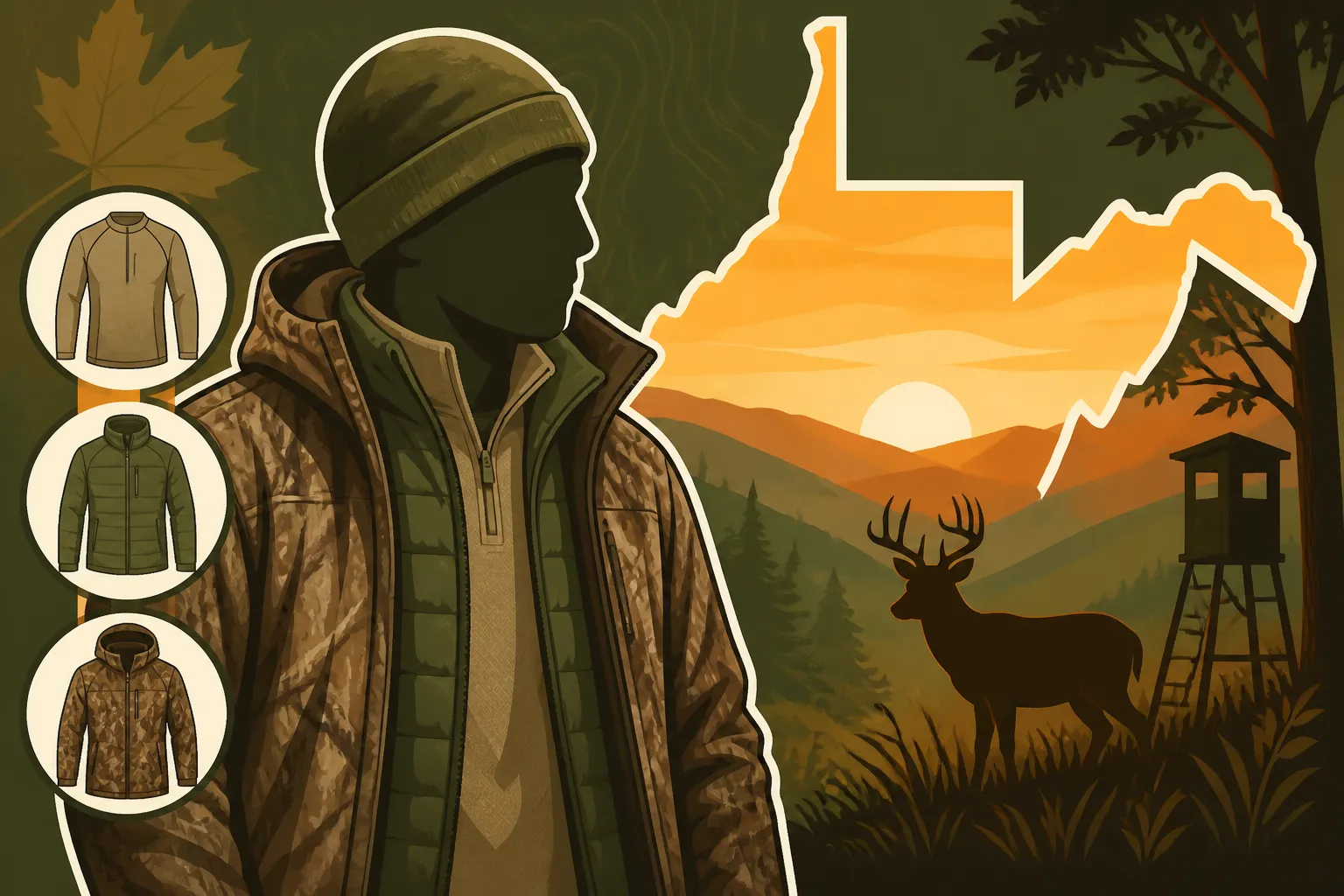
Fleece, typically made from synthetic polyester, is a fantastic insulator. It's lightweight, breathable, and continues to insulate even when wet, making it a reliable choice for West Virginia's unpredictable weather. Fleece is also relatively affordable and durable, standing up well to snags and tears from briars and branches. You can find fleece in various thicknesses, from lightweight microfleece that's perfect for a cool early season morning to heavier, thicker fleeces designed for bitter cold. A good quality fleece jacket or vest is a staple for any West Virginia deer hunter. It's easy to layer and provides consistent warmth without a lot of bulk, which is important when trying to stay agile in a treestand.
Down, the soft, fluffy feathers found under the tougher exterior feathers of ducks and geese, offers incredible warmth-to-weight ratio. A lightweight down puffy jacket can provide an astonishing amount of warmth for its bulk, making it a favorite for those long, cold sits. The major drawback with down, however, is its performance when wet. Once down gets wet, it loses nearly all of its insulating properties, and it takes a long time to dry. If you anticipate heavy rain or wet snow, you might want to consider synthetic insulation alternatives that mimic down's loft but perform better when damp. Some modern down jackets are treated with water-resistant coatings or use hydrophobic down to mitigate this issue, but it's still something to be aware of.
Versatility with Vests and Grid Fleece
Beyond full jackets, vests are often overlooked but incredibly versatile mid-layer options. A good insulated vest keeps your core warm without restricting your arm movement, which is critical when drawing a bow or shouldering a rifle. I often wear a vest as part of my mid-layer system, especially in the early to mid-season when temperatures might only hover around freezing. It provides warmth where it's needed most without causing me to overheat during a brisk walk to the stand.
Grid fleece, a type of fleece with a waffle-like pattern, is another excellent choice for a mid-layer. The grid pattern creates channels that improve breathability and wick moisture away more effectively than solid fleece, while still trapping plenty of warm air. This makes it a great option for situations where you might be moving and stopping, as it helps manage sweat more efficiently. A grid fleece hoodie or half-zip can be a fantastic "active insulation" piece that you wear during the walk in and keep on for the initial sit, adding a heavier layer over it once your body cools down.
The Outer Shield: Protecting Against the Elements
Your outer layer is your armor against the elements. Its job is to protect you from wind, rain, and snow while still allowing moisture vapor from your inner layers to escape. This is where you bring in the specialized hunting gear that offers camouflage and durability.
Softshells vs. Hardshells: Choosing Your Armor
When selecting an outer layer for West Virginia deer hunting, you'll typically be looking at either softshell or hardshell garments, or a combination of both. Each has distinct advantages depending on the conditions you expect to face.
Softshell jackets and pants are fantastic for mild to moderately cold, dry, or lightly damp conditions. They are typically made from a tightly woven, stretchy fabric that is highly breathable and often treated with a Durable Water Repellent (DWR) finish. This DWR treatment will shed light rain and snow, but a softshell won't keep you dry in a downpour. Their main strengths are their quietness (crucial for hunting), comfort, and excellent breathability. Many softshells also offer some wind resistance. For crisp, cold days without heavy precipitation, or for hunts where you'll be doing a lot of Still-Hunting Cranberry WMA Ridges, a softshell system is often ideal because it moves with you and prevents overheating.
Hardshell jackets and pants, on the other hand, are your go-to for serious precipitation and heavy winds. These garments are typically made with waterproof and breathable membranes, like those found in Gore-Tex or similar proprietary technologies. They are designed to keep every drop of water out while still allowing sweat vapor to escape, preventing that clammy feeling. While hardshells offer superior weather protection, they can sometimes be a bit noisier than softshells, especially in very cold temperatures when the fabric stiffens. For situations where you expect a lot of rain, heavy snow, or brutal winds, a hardshell is indispensable for staying dry and comfortable, particularly during those long, immobile hours on a stand.
The Importance of Scent Control and Quietness
Beyond weather protection, your outer layer needs to meet two critical hunting-specific criteria: scent control and quietness. Deer have an incredible sense of smell, and any strong human odor can blow your hunt before it even begins. Many hunting-specific outer layers incorporate scent-control technologies, like activated carbon or silver ions, designed to absorb or neutralize human odors. While no system is foolproof, these can certainly help reduce your scent footprint, especially when paired with good hygiene and proper storage of your hunting clothes.
Equally important is quietness. In the hushed woods of West Virginia, any rustle or swish of clothing can alert wary deer. The fabric of your outer layer should be soft and quiet, especially when moving or drawing your bow. Avoid noisy, stiff materials that sound like a crinkling chip bag. Manufacturers like GoHunt focus on developing fabrics that are both durable and whisper-quiet, ensuring that your clothing doesn't give away your position when that big buck finally steps out. Testing your gear for noise in your backyard before a hunt can save you a lot of frustration in the field.
Adapting Your Layers for Specific Conditions
Layering isn't a one-size-fits-all system; it's dynamic. The exact combination of layers you choose will depend heavily on the specific weather conditions, the time of year, and your planned activity level. A late-season sit will demand a very different setup than an early archery hunt.
Early Season Comfort (September-October Archery)
The early archery season in West Virginia, typically from late September into October, brings variable weather. Mornings can be cool and crisp, sometimes even frosty, but afternoons often warm up significantly, sometimes into the 60s or even 70s. During this time, the primary concerns are sweat management, minimizing bulk, and staying quiet.
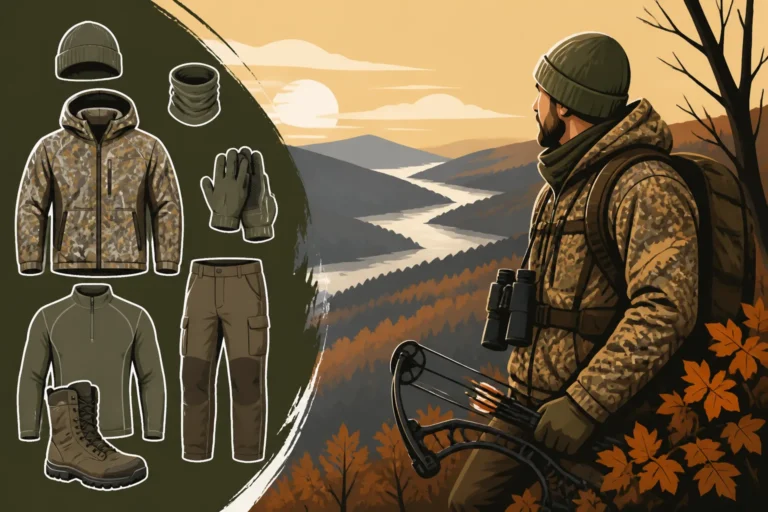
For your base layer, a lightweight merino or synthetic top and bottom is crucial. This will wick away sweat during your walk in and keep you from getting chilled once you're on stand. Your mid-layer might be a light grid fleece or simply a heavier long-sleeve base layer if it's going to be a warmer day. For an outer layer, a breathable softshell jacket and pants are often perfect. They offer enough protection from a cool breeze, are quiet, and won't make you overheat as the day progresses. If there's a chance of rain, pack a lightweight, packable hardshell shell that you can quickly throw over your softshell if needed. Remember, early season deer are often still fairly active, so being able to draw your bow or move quietly is paramount. Consider a good pair of Boots for West Virginia Hollows and Ridges that offer breathability but also good ankle support for varied terrain.
Late Season Endurance (November-December Gun & Archery)
Late season in West Virginia is a different beast entirely. From the peak of the rut in November through the cold, crisp days of December, temperatures can range from frigid teens to mild 40s, often accompanied by wind, rain, or snow. This is when maximum insulation and weather protection become critical.
You'll want a heavier base layer – think expedition-weight merino or a thicker synthetic. Your mid-layers will likely be substantial, possibly combining a heavy fleece jacket with a puffy down or synthetic insulated vest or jacket. The key here is to have enough insulation to sit still for hours in freezing temperatures. Your outer layer should prioritize warmth, wind resistance, and waterproofness. A thick, insulated hardshell or a highly insulated softshell with an excellent DWR finish is ideal. For those truly brutal days, a "puff-and-shell" system is popular: a thick, packable synthetic or down puffy jacket worn over your base and mid-layers, with a waterproof/windproof shell layered over that. This allows you to quickly shed the puffy if you need to move, then throw it back on when you're stationary. When Hunting the Late-Season December Lull, every bit of warmth helps.
Essential Accessories and Finishing Touches
A good layering system isn't just about your torso and legs; it extends to your extremities. Your head, hands, and feet are often the first to get cold, and neglecting them can quickly compromise your overall comfort.
Hats, Gloves, and Socks: The Unsung Heroes
You lose a significant amount of body heat through your head, so a warm hat is non-negotiable for cold weather hunting. For milder days, a simple merino wool or fleece beanie might suffice. As temperatures drop, consider a windproof fleece or insulated cap, or even a balaclava that can be pulled up over your face. Having options means you can adjust to the windchill and your activity level.
Your hands are also incredibly important, especially for dexterity when handling your weapon. I always carry multiple pairs of gloves. A lightweight, thin glove (often wool or synthetic) is great for keeping your hands protected from the elements while allowing maximum feel for your bowstring or trigger. For colder conditions, a thicker, insulated glove or a pair of convertible mittens (where the fingers can be exposed) are excellent. Consider waterproof outer shells for your gloves if rain or snow is expected. The ability to swap gloves throughout the day is a game-changer.
And don't forget your feet! Cold feet can make any hunt miserable. Invest in high-quality wool or synthetic hunting socks. Again, avoid cotton. Layering socks can also be effective: a thin liner sock to wick moisture, and a thicker wool sock over it for insulation. Make sure your boots are waterproof and insulated appropriately for the temperatures you expect. Having an extra pair of dry socks in your pack, especially when Hunting Deer After a Cold Front, is always a smart move.
Considering Your Pack and Treestand Setup
How you carry your layers is just as important as the layers themselves. A good hunting pack, like those offered by GoHunt, is essential for stashing extra layers, snacks, water, and emergency gear. It should be comfortable to wear, quiet, and have enough capacity for everything you need for a full day on stand. You don't want to leave crucial layers behind because your pack is too small.
When you're setting up a treestand, think about how your layers will interact with your safety harness and the stand itself. You want enough room for movement without your layers bunching up or getting snagged. Sometimes, especially on a frigid morning, I'll carry my bulkier outer jacket in my pack and put it on once I'm safely in my stand. This prevents me from sweating it up on the walk in and ensures I have a dry, warm layer to put on when I stop moving. Planning for a proper Treestand Setups in Monongahela National Forest means thinking about more than just the stand itself, but also how you'll manage your gear and comfort.
Here's a quick comparison of common layering materials:
| Layer Type | Material | Pros | Cons | Ideal Use Case |
|---|---|---|---|---|
| Base | Merino Wool | Excellent warmth-to-weight, odor resistant, insulates when damp | Can be expensive, less durable than synthetics, dries slower than synthetics | All-around, multi-day hunts, where odor control is critical, cold weather |
| Synthetic (Poly) | Excellent wicking, quick-drying, durable, affordable, good elasticity | Can retain odors over time, less effective insulation when damp than wool | High activity, early season, budget-conscious, wet conditions | |
| Cotton | Soft, comfortable (when dry), inexpensive | Absorbs moisture, no insulation when wet, slow to dry, heavy | NEVER for hunting next to skin | |
| Mid | Fleece | Insulates when wet, breathable, durable, affordable, quiet | Less warmth-to-weight than down, bulkier | All-around, active hunting, wet conditions, layering multiple pieces |
| Down | Superior warmth-to-weight, highly compressible | Loses insulation when wet, expensive, requires careful washing | Dry, cold conditions, long stationary sits, minimal bulk required | |
| Synthetic Insul. | Insulates when wet, good warmth-to-weight, hypoallergenic | Less compressible and slightly heavier than down for same warmth | Cold, wet conditions, ethical concerns about down, active use | |
| Outer | Softshell | Breathable, quiet, good wind resistance, water-resistant (DWR) | Not fully waterproof, less insulated than some options | Mild to cool dry/lightly damp weather, active hunting, mild wind |
| Hardshell | Fully waterproof, excellent wind protection | Can be noisy, less breathable than softshell, often less flexible | Heavy rain/snow, high winds, extremely cold weather where dryness is key |
Overcoming Common Layering Mistakes
Even seasoned hunters can sometimes make mistakes with their layering. Being aware of these common pitfalls can help you refine your system and ensure you're always prepared.
Too Many Layers, Not Enough Breathability
It's tempting to just pile on every warm item you own, especially when facing a truly cold West Virginia morning. However, too many non-breathable layers can actually work against you. If your layers aren't allowing moisture to escape, that sweat you generate (even from minimal movement) will get trapped. As we've discussed, trapped moisture equals cold.
Focus on quality over quantity. Two or three well-chosen, high-performance layers will outperform five bulky, non-breathable ones every time. Ensure that each layer, from base to outer, has properties that allow for moisture transfer. This is where Wool Versus Synthetics in Mountain Cold becomes a real consideration, as some wools offer exceptional breathability. Test your system by walking around your neighborhood or doing some light exercise before your hunt to see how well it breathes and regulates your temperature.
Neglecting Adjustability and Quick Changes
The most effective layering systems are those that allow for quick and easy adjustments. Our West Virginia weather changes on a dime, and your clothing needs to keep up. If you have to take off your entire outer shell, unbuckle your harness, and practically undress to get to a mid-layer, you're doing it wrong.
Look for items with full-length zippers on jackets and side zippers on pants, which allow for venting or easy removal without taking off boots. Vests are great for adding or subtracting core warmth quickly. Carrying a small, compressible puffy jacket in your Packs for a Monongahela Forest Day Hunt allows you to add significant warmth during a sit without having to completely overhaul your primary outer layer. The goal is to be able to make minor adjustments as the day progresses with minimal effort and disturbance. This adaptability is key to staying comfortable from legal shooting light until dark.
By truly understanding the principles of layering and applying them to the specific challenges of hunting in West Virginia, you'll be well on your way to more comfortable, focused, and successful days in the field.
Disclaimer
This article is for general informational purposes only and does not constitute professional advice. Laws, prices and regulations vary by location and change over time. Consult a qualified professional for guidance on your specific situation.