Bow Draw Weight for West Virginia Whitetails
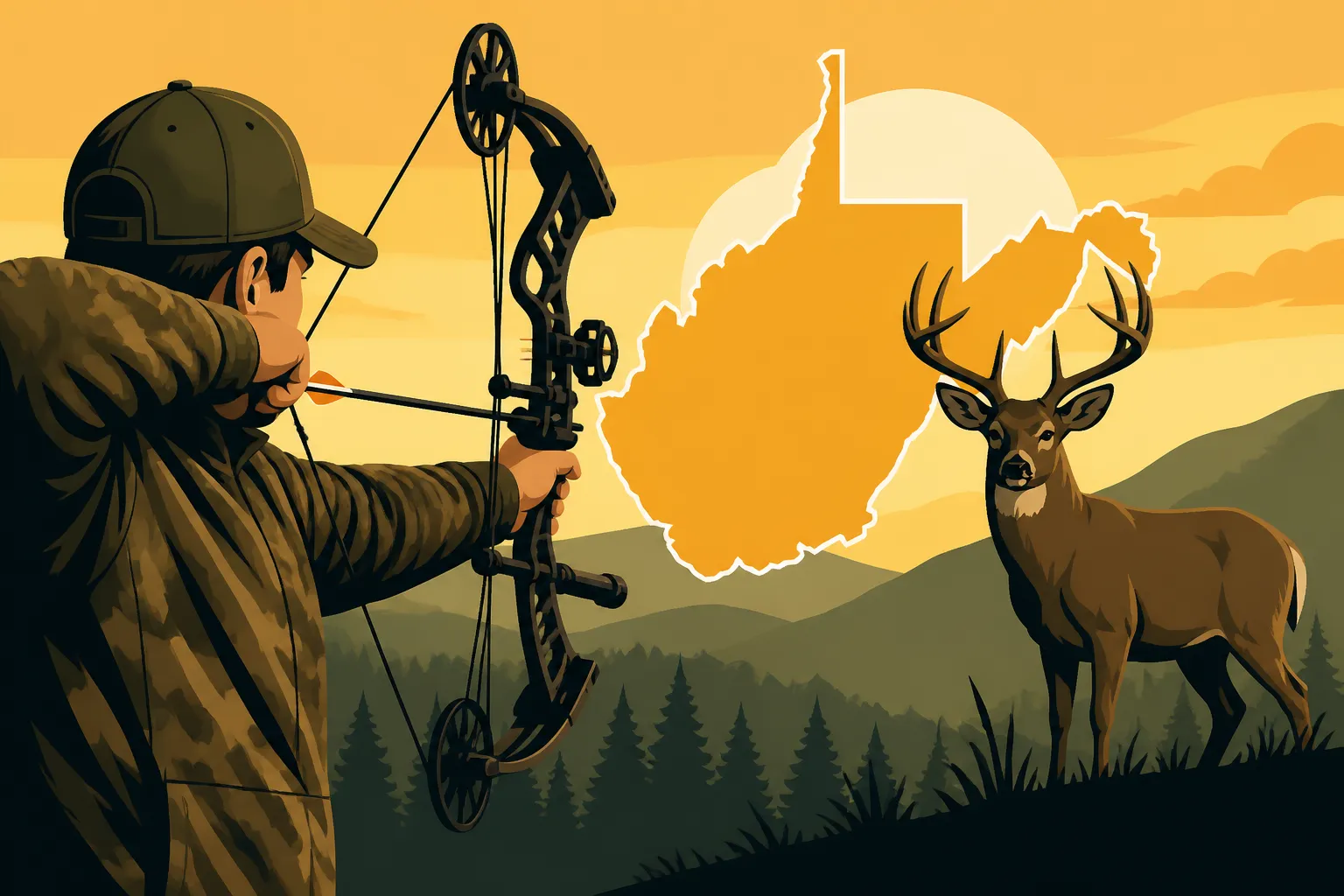
There's a common misconception among new and even some seasoned bowhunters that a higher draw weight automatically means a better, more ethical kill on a West Virginia whitetail. But the truth is, struggling to pull back a bow that's too heavy for you can actually do more harm than good, leading to poor form, inaccurate shots, and ultimately, a much lower chance of success and a higher risk of wounding an animal. This guide will walk you through everything you need to know about selecting and managing your bow's draw weight, ensuring you're ready for the challenges of West Virginia's diverse terrain and elusive deer.
Understanding Draw Weight and Its Importance
The concept of draw weight is central to effective bowhunting, yet it's often misunderstood or oversimplified. It's not just a number on a bow; it's a critical component of your setup that directly impacts your ability to shoot accurately, consistently, and, most importantly, ethically.
What is Draw Weight, Really?
At its core, draw weight is the amount of force, measured in pounds (lbs), required to pull your bowstring back to its full draw length. For a compound bow, this isn't a constant force throughout the draw cycle. Most modern compound bows feature a "let-off," meaning that once you reach full draw, the weight you actually have to hold back is significantly reduced. This let-off percentage can vary, but it's what allows you to hold at full draw for an extended period, waiting for the perfect shot opportunity without fatiguing your muscles too quickly. Traditional bows, like recurves and longbows, have a linear draw weight, meaning the weight increases steadily the further you draw, and there's no let-off, so you're holding the full draw weight at anchor.
For example, a compound bow set at 60 pounds with 80% let-off means you're holding only 12 pounds at full draw. A traditional bow of the same 60-pound draw weight means you're holding all 60 pounds at full draw. This fundamental difference is crucial when considering what's manageable for you. It's a combination of the peak weight and the let-off that determines how comfortable and stable you'll be when that big buck finally steps out into your shooting lane.
Why Draw Weight Matters for Whitetails
The primary reason draw weight matters for hunting West Virginia whitetails, or any game for that matter, is its direct correlation with arrow speed and kinetic energy. Kinetic energy is the energy of motion, and it's what allows your arrow and broadhead to penetrate the animal, ideally reaching vital organs for a quick, humane kill. Generally, a higher draw weight translates to a faster arrow, which in turn generates more kinetic energy. However, this is only true if you can shoot that higher draw weight accurately.
An arrow that’s launched from a bow you can barely pull back will be less accurate, less consistent, and ultimately less lethal than an arrow shot from a bow you can comfortably and repeatedly draw and hold. Imagine trying to thread a needle while straining every muscle in your body; that's what a shot can feel like with too much draw weight. In the varied terrain of West Virginia, from the thick cover of the Monongahela National Forest Hunting to the more open fields of the Eastern Panhandle Farmland Deer, shot distances can change rapidly, and the ability to make a precise shot under pressure is paramount. A marginally placed arrow, even with high kinetic energy, is far less effective than a perfectly placed arrow with adequate kinetic energy. Ethical hunting demands the latter.
Finding Your Personal Sweet Spot
Finding your "sweet spot" for draw weight is a journey, not a destination, and it's deeply personal. It's about balancing power with control, strength with stamina, and ambition with realism. Many hunters fall into the trap of wanting to shoot the highest draw weight possible, often driven by a sense of machismo or a misguided belief that it's the only way to be effective. However, the ideal draw weight is one that you can:
- Draw smoothly and quietly: Especially in cold weather or after sitting for hours, you need to be able to draw back your bow without excessive strain or sudden jerky movements that might alert a deer.
- Hold steadily at full draw: If a deer pauses for a moment, or needs to take another step, you need to be able to hold your pin on the target without shaking. The let-off on a compound bow helps immensely here.
- Shoot accurately and consistently: This is the most crucial factor. If you can't group arrows tightly at various hunting distances, your draw weight is too high.
Don't be afraid to start lower than you think you need. A good benchmark for an adult male might be in the 50-65 pound range for compound bows, but this can fluctuate wildly depending on individual strength, build, and experience. For women or younger hunters, 30-50 pounds can be perfectly effective with the right arrow and broadhead setup. It’s better to be slightly underpowered and consistently accurate than overpowered and inconsistent. Your confidence in your shot will translate to better hunting performance.
West Virginia Regulations and Minimums
When it comes to hunting in West Virginia, understanding the official regulations is always your first step. These rules are in place for safety and ethical harvesting, and draw weight is no exception when it comes to archery equipment.
The Official Rules on Draw Weight
The West Virginia Division of Natural Resources (WVDNR) sets specific guidelines for archery equipment, and while they don't prescribe a maximum draw weight, there are generally minimum requirements to ensure an arrow carries enough force to humanely harvest game. These regulations are designed to prevent the use of underpowered bows that might wound an animal without delivering a lethal blow.
Historically, the minimum draw weight for hunting deer in West Virginia with a compound bow is often around 40 pounds. For traditional bows (recurve or longbow), which lack let-off, the minimum might be similar, but the practical implications for the hunter are very different due to the sustained holding weight. These regulations are subject to change, so always consult the most current West Virginia Hunting & Trapping Regulations synopsis before heading into the woods. You can usually find this on the WVDNR website or through an app like GoHunt, which often integrates regulation summaries. Adhering to these minimums is non-negotiable for legal hunting, but as we'll discuss, just meeting the minimum might not be enough for optimal ethical performance.
Beyond the Bare Minimum: Ethical Considerations
While the WVDNR's minimum draw weight is a legal threshold, true ethical hunting often demands we go beyond the bare minimum. A 40-pound bow, while legal, might be adequate for a broadside shot on a small doe at 20 yards with a perfectly tuned setup and a razor-sharp broadhead, but it might struggle with penetration on a large-bodied buck quartering away at 30 yards, especially through heavy bone or thick muscle. West Virginia bucks, especially those in areas like the Why the Eastern Panhandle Grows Big Bucks, can be substantial animals.
Consider the energy required to pass through hide, muscle, ribs, and potentially exit the other side, leaving a good blood trail. This is where your individual strength, chosen broadhead, and arrow weight come into play. Many experienced hunters prefer a draw weight that allows for a significant margin of error in terms of penetration, aiming for draw weights of 50-65 pounds or even higher, provided they can shoot it accurately. The goal isn't just to get the arrow into the deer, but to achieve a clean pass-through for maximum damage to vital organs and an easier blood trail to follow, especially important when Tracking a Deer Through West Virginia Leaf Litter. Always aim for enough kinetic energy to confidently achieve a pass-through on the largest animal you might encounter.
Crossbows and Their Equivalent "Draw Weight"
Crossbows are legal for deer hunting during West Virginia's archery season, and their increasing popularity means it's important to understand their "draw weight" equivalent. Unlike vertical bows, crossbows are mechanically drawn and held by a locking mechanism, meaning the shooter doesn't have to hold the draw weight at full draw. However, crossbows still have draw weight ratings, which refer to the force needed to cock the string.
Most crossbows have significantly higher draw weights than compound bows, often ranging from 150 to over 200 pounds. This high draw weight, coupled with a much shorter power stroke, results in very high arrow speeds and kinetic energy. While you won't be physically holding this weight, the ease of cocking is a factor. Many modern crossbows incorporate cranking devices or rope cockers to make the process easier and quieter. The WVDNR also specifies minimum peak draw weight for crossbows (often around 75-100 lbs), just as they do for vertical bows. This ensures the crossbow bolt carries sufficient energy for humane harvest, similar to how Crossbow Rules During West Virginia Archery Season govern their use more broadly. Regardless of whether you use a vertical bow or a crossbow, the principle remains: ensure your equipment is powerful enough for a clean kill, and that you can operate it proficiently.
Factors Influencing Your Ideal Draw Weight
Choosing the right draw weight isn't a simple calculation; it's a balance of several personal and environmental factors. What works for one hunter might be completely unsuitable for another, even if they appear to have similar physical builds.
Physical Build and Strength
Your body is the engine behind your bow, and its capabilities dictate your optimal draw weight. Factors like your overall upper body strength, back muscles, shoulder health, and even core stability all play a role in how easily and consistently you can draw and hold a bow. A taller hunter with a longer draw length might naturally handle a slightly higher draw weight more comfortably than a shorter hunter, simply because they engage larger muscle groups over a greater range of motion.
It’s crucial to be honest with yourself about your physical condition. Are you hitting the gym regularly and focusing on back and shoulder exercises? Or are you a weekend warrior who only picks up the bow a few weeks before the season? A 60-pound draw weight might feel effortless in July when you're well-practiced, but after a long, cold November morning sitting in a treestand, with stiff muscles and adrenaline pumping, that same 60 pounds can feel like 80. Listen to your body. If you feel a strain in your shoulders or struggle to maintain proper form, your draw weight is likely too high. Investing in an adjustable compound bow allows you to fine-tune this as your strength changes, or even as the season progresses and you get more fatigued.
Hunting Style and Scenario
The way you hunt and the typical scenarios you find yourself in West Virginia's varied landscape should also influence your draw weight. Are you primarily still-hunting, making slow, deliberate movements and potentially drawing your bow multiple times in an outing? Or do you primarily hunt from a fixed position, like a treestand or ground blind, where you might only need to draw once or twice?
| Hunting Style | Draw Weight Consideration |
|---|---|
| Still-Hunting | Lower to moderate draw weight for repeated, quiet draws. |
| Treestand/Blind | Moderate to higher draw weight possible, as fewer draws are needed. |
| Cold Weather | Consider dropping draw weight slightly due to stiff muscles/clothing. |
| High Pressure | Maintain comfortable weight for calm, accurate shots under stress. |
| Long Duration | A weight that won't fatigue you over hours of holding at the ready. |
If you're often Still-Hunting Cranberry WMA Ridges, you might prefer a slightly lower, more manageable draw weight that allows for silent, controlled draws even when your muscles are cold or tired. Conversely, if you're primarily sitting in a heated blind over a food plot, a higher draw weight might be more feasible since you're less likely to be drawing repeatedly or from an awkward position. Hunting in cold weather adds another layer of complexity; heavy clothing can restrict movement, and cold muscles are less efficient. Many hunters find it beneficial to drop their draw weight by a few pounds when temperatures plummet to maintain comfort and control.
Arrow and Broadhead Performance
Your draw weight doesn't operate in a vacuum; it's part of a system that includes your arrow and broadhead. These components significantly impact the overall kinetic energy and penetration potential of your setup. A heavy arrow, even with a moderate draw weight, can carry substantial kinetic energy and momentum. Momentum, specifically, is a huge factor in penetration, especially through bone.
Modern broadheads are also incredibly efficient. A sharp, well-designed fixed-blade broadhead with a small cutting diameter can penetrate deeply even with moderate kinetic energy. Mechanical broadheads, which deploy on impact, often require a bit more kinetic energy for reliable deployment and pass-through, though many newer designs are extremely efficient. So, while a higher draw weight generally means more kinetic energy, you can compensate somewhat for a lower draw weight by choosing heavier arrows and highly efficient, fixed-blade broadheads. This synergistic approach ensures that even if you're not pulling the heaviest bow, your arrow still has enough punch to effectively harvest a West Virginia whitetail. This is why discussions around Broadheads for Timber Shots are so vital to the entire setup.
How to Test and Adjust Your Draw Weight
Once you understand the theory, the next step is putting it into practice. Adjusting and mastering your draw weight is a process of testing, practice, and honest self-assessment.
Starting Low and Building Up Safely
A common mistake is setting your draw weight too high from the outset. Instead, start with a draw weight that feels too easy. Seriously. For most adjustable compound bows, this might mean starting at 40-50 pounds. Focus on perfect form: a smooth, controlled draw, solid anchor points, and a relaxed release. Once you can consistently achieve perfect form and tight groups at your typical hunting distances, then, and only then, consider increasing the weight in small increments, typically 2-5 pounds at a time.
After each adjustment, go back to the shooting range and practice extensively. Don't just shoot a few arrows; shoot a full session. Pay attention to how your body feels. Are you fatiguing quickly? Is your sight picture shaky at full draw? Are you struggling to hold your pin on the target? If any of these are true, you've gone too far. It's perfectly fine, and often beneficial, to back off a few pounds. Remember, strength is good, but form and accuracy are paramount. You can typically adjust your draw weight using the limb bolts on your compound bow, but if you're unsure, or if your bow uses a different system, consult your bow's manual or a pro shop.
Practicing Consistently for Strength and Form
Archery is a perishable skill, and strength for drawing a bow is no different. Consistent practice throughout the year, not just a few weeks before opening day, is key to maintaining both your strength and your form. Regular practice sessions will build the specific muscles used in archery, making your current draw weight feel easier over time, and potentially allowing you to increase it safely.
Incorporate drills that focus on holding at full draw for longer periods, mimicking a real hunting scenario where a deer might pause or shift. Practice drawing from various positions, including sitting, kneeling, and from a treestand, to simulate real-world hunting conditions. Many hunters find that incorporating strength training, particularly exercises that target the back, shoulders, and core, can significantly improve their archery performance. Resistance bands are also an excellent tool for practicing your draw cycle at home, helping build muscle memory and strength without needing to be at the range. Consistency is the magic word here.
When to Seek Professional Guidance
Don't be afraid to ask for help! A reputable archery pro shop is an invaluable resource. They can properly measure your draw length, which is fundamental to setting up your bow correctly, and help you determine a starting draw weight based on your physical assessment. They can also observe your form and immediately identify issues that might not be apparent to you.
If you're having trouble increasing your draw weight, experiencing pain, or simply can't seem to get consistent groups, a pro shop technician can provide personalized advice and make adjustments to your bow. They can also guide you on other aspects of your setup, like optimizing Arrow Weight for Short Shots or tuning your broadheads, which all contribute to overall effectiveness. Think of them as your hunting mentors for the gear side of things. They often have specific tools for adjusting draw weight, like a bow press, and the expertise to ensure your bow is safe and performing optimally. Many hunters find it helpful to visit a pro shop once a year for a general tune-up and form check before the season kicks off.
Common Mistakes and How to Avoid Them
Even with the best intentions, bowhunters can fall into common traps when it comes to draw weight. Recognizing these pitfalls can save you frustration, prevent injury, and lead to more successful hunts.
Ego Versus Practicality
This is arguably the most common mistake: letting ego drive your draw weight choice. There's a certain allure to claiming you shoot a "70-pound bow," but if you can't smoothly draw it or hold it steady, that number means absolutely nothing in the field. It's far more impressive, and effective, to consistently put your arrow where it needs to go with a 55-pound bow than to barely pull back a 70-pound rig and miss or wound an animal.
Remember, deer don't care about your draw weight. They care about a well-placed arrow. Prioritize practicality and ethical performance over bragging rights. Your draw weight should be a tool that enhances your hunting ability, not a burden that hinders it. Many experienced hunters will tell you that a well-tuned 50-pound bow, shot accurately, is far more lethal than a 70-pound bow shot poorly. Don't let pride get in the way of a humane harvest. Focus on what works for you and your individual capabilities, especially when preparing for big game like West Virginia's Black Bear Comeback where penetration is even more critical.
Neglecting Form Over Power
When draw weight is too high, compensatory movements creep into your form. You might sky-draw, meaning you draw the bow by pointing it towards the sky before bringing it down, or you might develop a bad habit of "hunching" or "collapsing" your shoulders to get the string back. These poor habits lead to inconsistency and inaccuracy. Your body will find the path of least resistance to get that string back, but that path often sacrifices proper alignment and muscle engagement.
Proper archery form is about repeatable mechanics that lead to repeatable results. It involves using your back muscles, not just your arms and shoulders, for a smooth draw. If your draw weight forces you to compromise your form, you're setting yourself up for failure. It’s always better to shoot a lighter bow with perfect form than to muscle a heavy bow with poor form. Take videos of yourself shooting, or have a friend watch you. Often, we don't realize how much our form degrades under strain. Focus on a relaxed, controlled draw and a solid anchor point every single time.
Forgetting Seasonal Strength Fluctuations
Your physical strength isn't static; it fluctuates throughout the year. You might be at your peak strength during the summer months when you're actively working out and shooting frequently. However, as the seasons change, and especially during the hunting season itself, factors like colder weather, reduced activity, or even just the physical demands of long days afield can impact your strength and stamina.
It's common for hunters to find that their maximum comfortable draw weight in July is a few pounds higher than what they can comfortably and accurately shoot in a freezing December stand. Don't be afraid to adjust your draw weight downwards as the season progresses or as temperatures drop. A few pounds can make all the difference in maintaining good form and making a clean shot when it counts. Think about how much gear you're wearing; bulky clothing can also affect your draw cycle. Regularly reassess your comfort level and adjust as needed. Remember, this isn't a sign of weakness; it's a smart, practical approach to bowhunting.
Optimizing Your Setup Beyond Draw Weight
While draw weight is a significant factor, it's just one piece of the puzzle. A truly optimized bowhunting setup considers every component working in harmony to maximize effectiveness and ethical performance.
Arrow Selection for Kinetic Energy
Your arrow choice works hand-in-hand with your draw weight to determine the kinetic energy and momentum of your shot. A heavier arrow, while slightly slower, carries more momentum, which is crucial for penetration, especially on larger animals or when encountering bone. Thin-diameter arrows also typically penetrate better due to less friction.
Consider balancing arrow weight with your desired speed. Many hunters opt for an arrow weight that provides a good blend of speed for flatter trajectories and momentum for deep penetration. For West Virginia whitetails, an arrow weighing between 400-500 grains (including the broadhead) is a popular and effective choice for most draw weights. Lighter arrows might fly faster, but they shed kinetic energy more quickly and might lack the momentum needed for reliable pass-throughs. The spine of your arrow is also critical; it must be matched to your bow's draw weight and draw length for optimal flight and accuracy. If you're ever in doubt, consult with a pro shop or use an arrow selection chart from a reputable manufacturer like Easton or Gold Tip.
Broadhead Choice for Penetration
The broadhead is the business end of your arrow, and its design has a massive impact on penetration and tissue damage. As mentioned before, fixed-blade broadheads generally offer superior penetration because they don't lose energy deploying blades upon impact. Their robust construction often means they can punch through bone more reliably. Mechanical broadheads, on the other hand, create larger wound channels, but rely on blade deployment, which consumes kinetic energy.
If you're shooting a lower draw weight, a sharp, fixed-blade broadhead with a smaller cutting diameter (1 to 1 1/8 inches) will maximize your penetration potential. For higher draw weights, you might have more flexibility to use mechanical broadheads, especially those designed for high kinetic energy. Regardless of type, ensure your broadheads are absolutely razor-sharp. A dull broadhead will push tissue instead of cutting it, drastically reducing penetration. Regular sharpening or replacing blades is a non-negotiable part of ethical bowhunting prep. This is especially true when discussing Fixed Versus Mechanical Broadheads, as it's a debate that often comes down to individual setup and preference.
Maintaining Your Equipment
Finally, none of the above matters if your equipment isn't properly maintained. A well-tuned bow, a straight arrow, and a sharp broadhead are far more important than a few extra pounds of draw weight. Regular maintenance ensures your bow performs consistently and safely.
This includes:
- Checking your bowstring and cables: Look for fraying, wear, or nicks. Replace them if necessary.
- Inspecting your arrows: Check for cracks, splinters, or bent inserts. Spin your arrows to ensure they fly true.
- Ensuring broadheads are sharp: This cannot be stressed enough. Carry a broadhead sharpener or spare blades.
- Checking cam timing and limb bolt settings: These should be checked periodically by a professional to ensure your bow is shooting at its peak efficiency.
- Waxing your bowstring: Regularly apply bowstring wax to protect against wear and prolong its life.
Taking care of your gear means taking care of your shot. A well-maintained bow will shoot more consistently, which translates directly to better accuracy and a higher chance of a quick, humane kill on your West Virginia whitetail. You can find excellent resources on gear maintenance, often including video tutorials, through hunting platforms like GoHunt, which strive to equip hunters with practical knowledge for the field. Don't underestimate the power of a finely tuned, well-cared-for setup; it's often the difference between success and frustration.
Disclaimer
This article is for general informational purposes only and does not constitute professional advice. Laws, prices and regulations vary by location and change over time. Consult a qualified professional for guidance on your specific situation.