Upshur County Public Land for Deer
For many deer hunters, the excitement of West Virginia's deer season is often coupled with the very real frustration of finding accessible and productive public land. It can feel like a secret society, especially when you're looking at a county like Upshur, which isn't always the first one people think of for vast public tracts. This guide aims to pull back the curtain on hunting Upshur County's public lands for deer, offering practical advice and insights to help you navigate its unique landscape and find success.
Understanding Upshur County's Deer Landscape
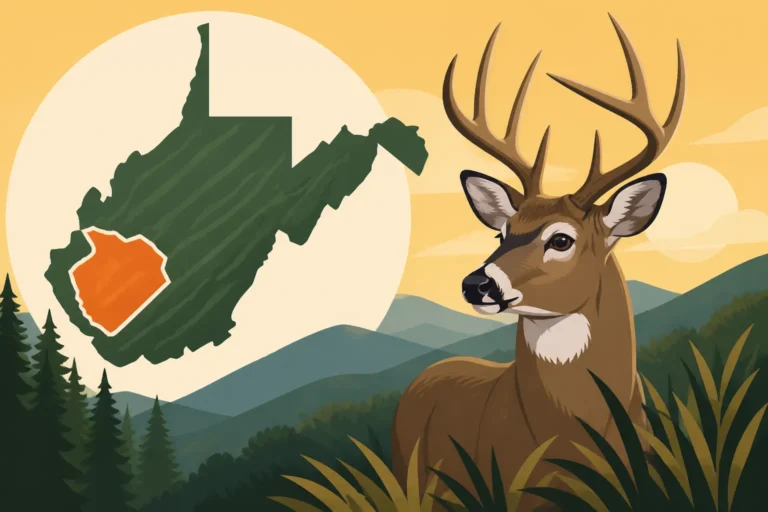
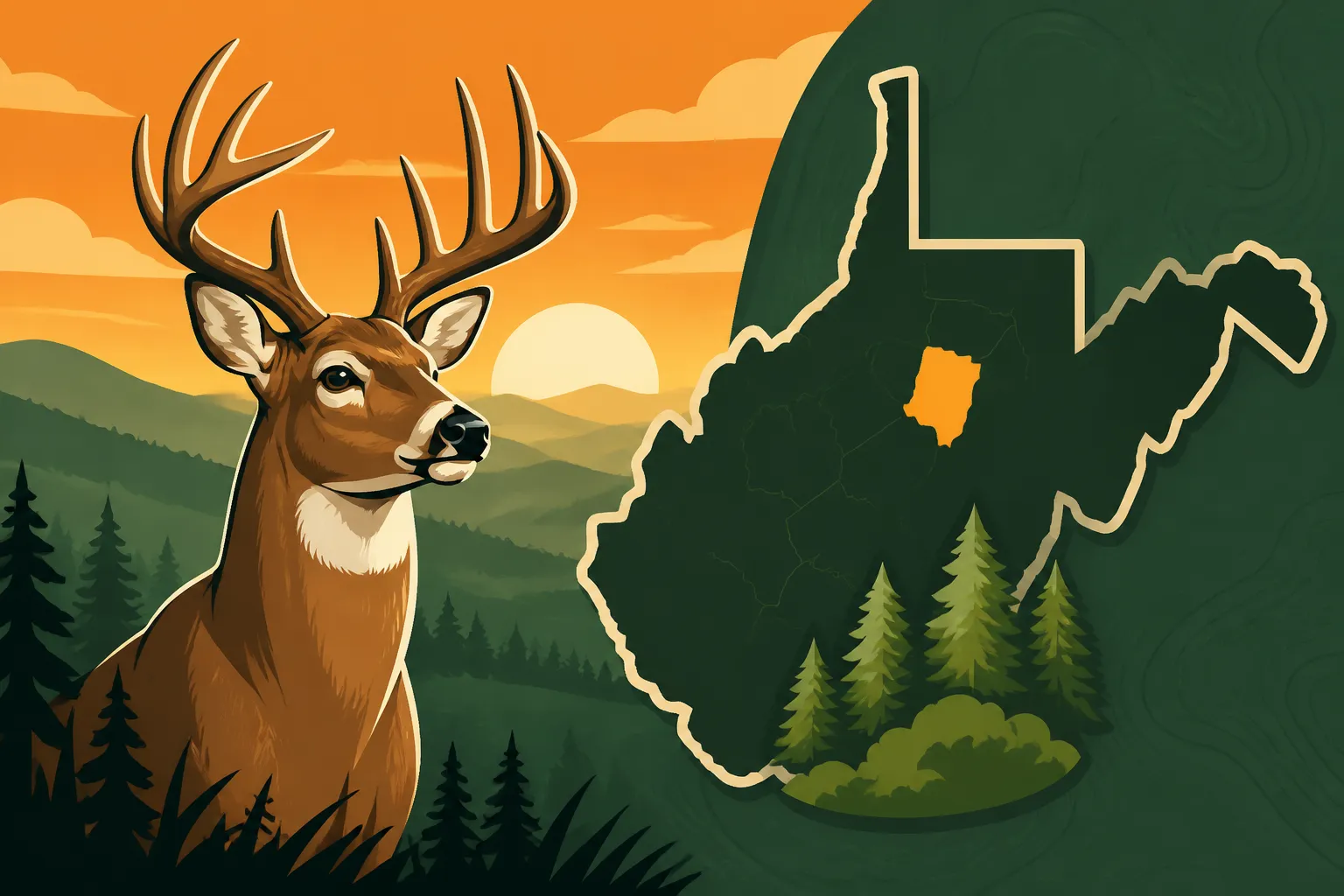
Upshur County, nestled in the central part of West Virginia, presents a unique blend of rolling hills, dense timber, and agricultural fringes. It's not the steep, rugged mountains of the Monongahela National Forest, nor the sprawling farmlands of the Eastern Panhandle. Instead, you'll find a mix that requires a slightly different approach to deer hunting. The deer here are often accustomed to smaller woodlots interspersed with fields, and while public land might not be as expansive as in some other counties, it holds some quality hunting opportunities for those willing to put in the effort.
Habitat Types and Deer Behavior
The habitat in Upshur County is primarily mixed hardwood forests, with oak, hickory, and maple trees dominating the landscape. You'll also find stands of pine and hemlock, especially in the deeper hollows or on north-facing slopes. This diverse timber provides excellent mast crops like acorns and beechnuts, which are prime food sources for deer. Identifying areas with good mast production during your scouting trips can be a game-changer. Deer in this region tend to utilize cover effectively, often bedding in dense thickets or along ridge lines that offer good visibility and protection from the elements.
Water sources are generally plentiful, with numerous small creeks, streams, and springheads crisscrossing the terrain. Deer will often travel along these water corridors, especially during dry spells or as easy travel routes between feeding and bedding areas. Understanding these travel patterns, how deer use the terrain, and what they're eating is crucial. Pay attention to changes in elevation, even subtle ones, as deer will often use benches and saddles for easier movement.
The Challenge of Finding Public Access
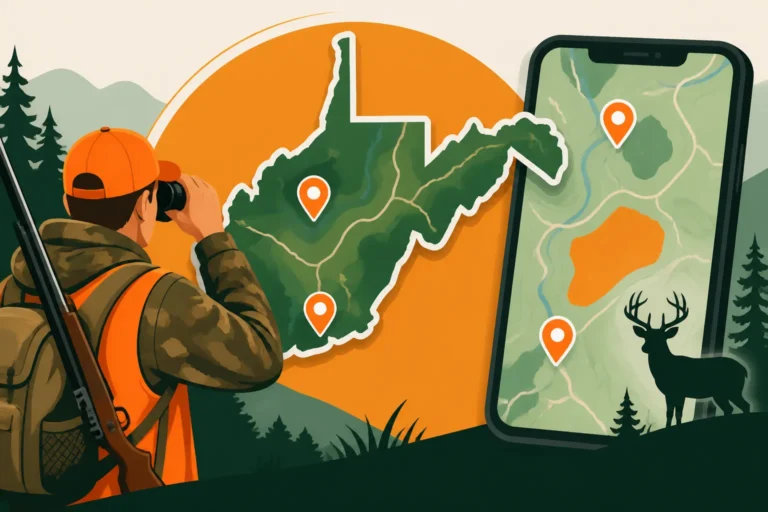
One of the biggest frustrations for hunters in Upshur County is that the majority of land is privately owned. While there are some notable public tracts, they are often smaller and more fragmented compared to larger national forest areas. This means that hunters must be particularly diligent in identifying and accessing these public parcels. It's not always as simple as pulling off a main road and walking into vast timber. You'll often find public land tucked away behind private property, requiring careful navigation and adherence to property boundaries. This is where tools like onX Hunt become invaluable, allowing you to clearly see public and private land distinctions, access roads, and potential entry points from your phone or GPS device.
The smaller size of some public parcels also means they can experience higher hunting pressure, especially on opening days or weekends. Learning to navigate around this pressure, or seeking out those harder-to-reach pockets, is key to consistent success. Don't be afraid to walk a little farther or tackle some tougher terrain to get away from the crowds.
Key Public Hunting Areas in Upshur County
While Upshur County doesn't boast a massive National Forest presence, it does have a few key public areas managed by the West Virginia Division of Natural Resources (WVDNR) that offer deer hunting opportunities. These areas provide diverse habitats and can be quite productive for those who learn their nuances.
Kumbrabow State Forest
While a portion of Kumbrabow State Forest spills into Upshur County, it's more commonly associated with Randolph and Pocahontas counties. However, understanding its proximity and any adjoining public lands is important. The terrain here leans towards steeper, more mountainous characteristics than much of Upshur. Deer densities can vary, but the deep woods offer a true wilderness hunting experience. Access can be limited, often requiring ATV trails or long hikes to get into prime areas. This forest is managed for timber, so active logging operations can create new clearcuts and young growth that attract deer looking for browse, but also make navigation challenging. Always check with the WVDNR for any specific regulations or access changes within Kumbrabow, as well as general West Virginia Public Land Hunting Hours.
Hunters venturing into the Kumbrabow area should be prepared for rugged conditions. Good navigation skills are paramount, and scouting beforehand is essential to identify potential bedding and feeding areas. Don't underestimate the physical demands of hunting this kind of steep country.
West Virginia Wildlife Management Areas in and Around Upshur
Upshur County itself hosts smaller tracts of WMA land, but it's important to consider WMAs in adjacent counties as well, especially if they offer more substantial acreage. The general philosophy of WMAs is to provide public hunting and fishing access while managing wildlife populations. Each WMA has its own unique characteristics, and deer behavior can differ significantly from one to another.
For example, while not solely within Upshur, the Holly Gray Park WMA near Sutton Lake (just outside Upshur in Braxton County) or Stonecoal Lake WMA (partially in Upshur, partially in Lewis) are good examples of smaller, more localized WMAs that can offer good deer hunting. These WMAs are often managed with food plots, controlled timber harvests, and other habitat improvements designed to benefit deer and other wildlife. They tend to have easier access points, but consequently, can see more hunting pressure. Familiarizing yourself with the specific regulations for each WMA is critical, as they sometimes have unique rules regarding ATVs, camping, or even specific hunting methods. The WVDNR's website is the best source for detailed maps and rules for all West Virginia Wildlife Management Areas.
| Public Land Area (Upshur & Nearby) | Primary Habitat Type | Typical Terrain | Key Considerations for Deer |
|---|---|---|---|
| Kumbrabow State Forest | Mixed Hardwood, Pine | Steep, Mountainous | Remote, good mast, rugged |
| Stonecoal Lake WMA | Mixed Hardwood, Open Fields | Rolling hills, lakefront | Managed habitat, water sources |
| Holly Gray Park WMA (nearby) | Mixed Hardwood, Fields | Rolling hills, creek bottoms | Proximity to water, edge habitat |
| Smaller WVDNR Tracts | Mixed Woodland, Brush | Variable, often rolling | Localized, potential pressure |
Effective Strategies for Upshur County Deer
Hunting success in Upshur County often hinges on a combination of thorough scouting, understanding deer movement, and adapting your tactics to the local landscape and hunting pressure. It's not always about grand, sweeping strategies, but rather consistent effort and attention to detail.
Scouting and E-Scouting
Before you ever set foot in the woods, "e-scouting" is your best friend. Using satellite imagery and topographic maps is crucial for identifying potential public land, understanding terrain features, and pinpointing possible deer travel routes. Look for pinch points, saddles, benches, and areas where different habitat types converge. Apps like onX Hunt are indispensable for this, allowing you to overlay public and private land boundaries, identify logging roads, and mark potential stand locations. You can trace possible entry and exit routes without trespassing and even check landowner names for potential future permission requests on adjoining private land.
Once you have a few promising spots identified virtually, it's time for boots-on-the-ground scouting. Focus on finding fresh sign: rub lines, scrape lines, fresh tracks, and droppings. During the early season, look for areas with abundant soft mast (persimmons, wild grapes) or hard mast (acorns). In late season, deer will concentrate around remaining food sources. Pay close attention to wind direction and thermals, especially in the rolling terrain. Wind and Thermals on a Steep Ridge are major factors in how deer move and how you should approach your stand.
Stand Placement and Still-Hunting
Given the varied terrain and often fragmented public land, both treestand hunting and still-hunting can be effective.
- Treestand Setups: When selecting a treestand location, look for mature trees along natural funnels, ridge lines, or near active food sources. Consider proximity to bedding areas. Deer in Upshur County can be quite wary, so selecting a tree that provides good cover for your silhouette and allows for a clear shooting lane is paramount. Always prioritize safety; climbing sticks and a quality safety harness are non-negotiable. For a deeper dive, check out Treestand Rules on West Virginia Public Land. Remember that on public ground, you often can't leave stands overnight indefinitely, so understand the regulations.
- Still-Hunting: In smaller woodlots or areas with diverse cover, still-hunting can be a highly effective tactic. This involves moving slowly and deliberately through the woods, stopping frequently to scan ahead and listen for subtle sounds. Focus on moving into the wind, taking advantage of terrain features to break up your outline. Target periods of light rain or windy conditions, as these can help muffle your sound and make deer less alert. Still-hunting requires patience and a keen eye, but it allows you to cover more ground and adapt to changing deer movement patterns. It's an excellent way to Find Ground Others Walk Past.
Leveraging the Rut and Late Season Opportunities
The rut in West Virginia typically peaks in mid-November, and Upshur County is no exception. This is a prime time to be in the woods, as bucks are actively seeking does and are more likely to move during daylight hours. Focus your efforts on known travel corridors, doe bedding areas, and pinch points where bucks might scent-check for receptive does. Grunt calls and rattling can be effective during this period to attract curious or aggressive bucks.
As the season progresses into the late archery and muzzleloader seasons, deer shift their focus back to food sources. Look for standing cornfields on private land adjoining public woods, or areas with remaining mast crops. Thermal cover, like dense pine thickets or thick laurel patches, becomes more important as temperatures drop. Deer will often bed in these areas to escape the cold and wind, moving to food sources during brief periods of daylight. Hunting these transitions, especially in the morning and late afternoon, can be very productive. Understanding Late-Season Food Sources for West Virginia Whitetails is crucial for success during this colder period.
Navigating Regulations and Challenges
Hunting public land successfully in Upshur County also means being acutely aware of the rules and potential challenges that come with it. A little preparation goes a long way in ensuring a smooth and legal hunt.
License Requirements and Reporting
Before you even think about heading afield, make sure your West Virginia hunting license is in order. You'll need the appropriate licenses and stamps for deer, which can vary for residents and non-residents. These can be purchased online through the Go Wild West Virginia platform or at authorized license agents. It's a good idea to check the current West Virginia Hunting Licenses and What They Cost well in advance of the season.
After a successful harvest, reporting your deer is mandatory. West Virginia utilizes an online or phone reporting system. This ensures the WVDNR can accurately track harvest numbers and manage deer populations effectively. Be sure to understand the West Virginia Deer Reporting Requirements and deadlines to avoid any issues.
Dealing with Hunting Pressure and Ethics
Public land in any state, including West Virginia, can experience hunting pressure. In Upshur County's smaller public tracts, this can mean encountering other hunters. Patience and courtesy are key. If you arrive at your planned spot and find another hunter already there, respectfully move on to another area. Having backup plans for your hunting spots is always a good idea.
Ethical hunting practices extend beyond legal requirements. This includes knowing your target, making clean shots, and making every effort to recover wounded game. Blood Trailing After Dark in West Virginia can be challenging, but a determined effort is part of the responsibility of any hunter. Leave no trace behind, packing out all your trash and minimizing your impact on the environment. These small actions contribute to a positive perception of hunters and help preserve access for future generations.
Safety in the Woods
Safety should always be your top priority. West Virginia requires blaze orange or blaze pink during certain firearms seasons, so know when and how much to wear. Even during archery season, wearing a blaze orange hat while walking to and from your stand can increase your visibility to other users of public land. Always inform someone of your hunting plans, including your location and expected return time. Carry a first-aid kit, a reliable navigation device (like your phone with onX Hunt maps downloaded for offline use, or a dedicated GPS unit), and sufficient water and snacks. The rolling hills of Upshur County can still lead to steep climbs and unexpected obstacles, so physical preparedness is important.
Table of Essential Gear for Upshur County Public Land Deer Hunting
| Category | Essential Item | Why It's Important for Upshur County |
|---|---|---|
| Navigation | GPS Unit / onX Hunt App | Pinpoint public land, mark spots, avoid trespassing |
| Optics | Binoculars (8x or 10x) | Spot deer in thick cover, identify distant features |
| Weapon | Rifle / Bow / Muzzleloader | Choose appropriate for season and terrain |
| Clothing | Layered System (Wool/Synthetics) | Adapt to changing mountain weather, quiet movement |
| Safety | Safety Harness (for treestands) | Critical for elevated hunting, even on gentle slopes |
| Visibility | Blaze Orange/Pink | Required during gun seasons, good practice otherwise |
| Comfort | Comfortable Boots | Navigate uneven terrain, long walks |
| Recovery | Drag Rope / Game Bags | Assist with retrieving game, especially on hills |
| Emergency | First-Aid Kit, Headlamp | Unexpected injuries, walking out in the dark |
Hunting Upshur County for deer might not be as straightforward as some of the state's more famous hunting destinations, but it offers a rewarding challenge. With diligent scouting, an understanding of the local deer behavior, and a commitment to safe and ethical practices, you can certainly find success in these often-overlooked public lands.
Disclaimer
This article is for general informational purposes only and does not constitute professional advice. Laws, prices and regulations vary by location and change over time. Consult a qualified professional for guidance on your specific situation.