Hunting the Southern Archery-Only Counties
Hunting in West Virginia is a cherished tradition for many, but the unique regulations in the southern counties can throw even seasoned hunters for a loop. If you’re like me, you’ve probably felt the frustration of trying to decipher which rules apply where, especially when you’re passionate about archery. This comprehensive guide aims to untangle the complexities of bowhunting deer in West Virginia's exclusive archery-only southern counties, offering clear insights and practical strategies to help you fill your freezer and make lasting memories.
Understanding West Virginia's Archery-Only Southern Counties
Navigating the various hunting seasons and rules across West Virginia can feel like trying to read a map drawn in the dark, especially when you encounter special zones. The southern archery-only counties represent one of these unique situations, designed to offer a distinct hunting experience. It’s a place where the whitetail deer population thrives under specific management strategies, creating opportunities unlike anywhere else in the state.
The Unique Regulations and Their Purpose
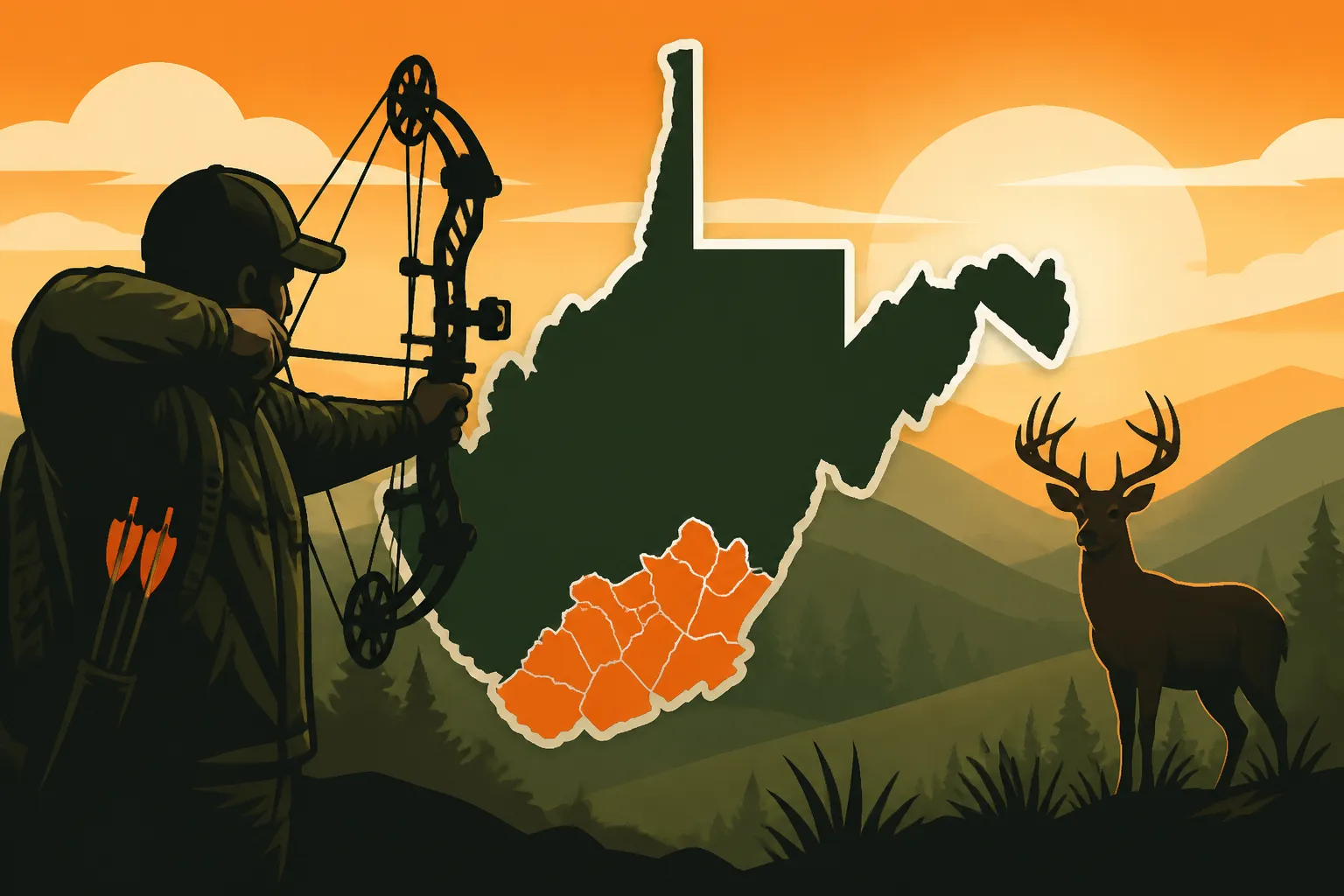
The most significant aspect of hunting in Logan, McDowell, Mingo, and Wyoming counties is right there in the name: they are strictly archery-only for deer. This means that throughout the entire deer season, from the very beginning of the archery opener right up until the final day in December, you can only pursue whitetails with a vertical bow or a crossbow. There are no gun seasons for deer in these specific counties, a stark contrast to the majority of West Virginia. This regulation isn't arbitrary; it's a deliberate conservation and management choice. Historically, these areas have faced different pressures and have unique community considerations. The decision to maintain an archery-only deer season helps to manage the deer herd in a way that aligns with local conditions and hunting preferences, often providing a less pressured hunting environment for bowhunters. It also extends the opportunity for a primitive weapon hunt throughout the entire fall. To truly understand why these specific areas are managed this way, it helps to delve into why Four Counties Are Archery-Only for Deer.
Geographic Scope and Specific Counties
The four counties that make up this special archery-only zone are Logan, McDowell, Mingo, and Wyoming. Nestled deep in the southern reaches of the state, these counties are characterized by rugged, mountainous terrain, dense forests, and a rich history. While they might not boast the sprawling agricultural fields of the Eastern Panhandle, they offer an abundance of steep hollows, timbered ridges, and winding creeks that provide exceptional deer habitat. For anyone looking to explore the specifics of hunting these regions, checking out dedicated resources like Logan County Archery-Only Public Ground can provide a fantastic starting point for planning your adventure. It's a different kind of hunting landscape, one that rewards patience, stealth, and a deep understanding of whitetail behavior in steep country.
The Rationale Behind Archery Exclusivity
The decision to limit deer hunting to archery equipment in these four counties stems from a combination of factors, including population dynamics, historical context, and local sentiment. For decades, these areas have experienced lower hunter densities during deer season compared to other parts of the state due to various socio-economic factors. The archery-only designation helps to maintain a consistent hunting pressure level, preventing the sharp peaks in harvest often seen during gun seasons elsewhere. It also caters to a segment of the hunting community that prioritizes the challenge and intimacy of bowhunting. The extended season without the presence of gun hunters means deer patterns can be more predictable, and bucks might mature to older age classes. This unique management strategy contributes to the overall health and stability of the deer population in this specific region, offering a quality hunting experience that emphasizes fair chase and traditional methods. The West Virginia DNR is always studying the impact of these regulations, ensuring they continue to meet conservation goals.
Deer Behavior and Habitat in the Southern Archery Zone
Hunting these southern counties requires more than just understanding the rules; it demands a deep appreciation for the unique environment and how deer interact with it. The rugged topography and dense cover create a world where whitetails often behave differently than their counterparts in more open, agricultural landscapes. It's a place where every ridge, hollow, and creek bottom tells a story about deer movement.
Terrain and Forest Characteristics
The landscape of Logan, McDowell, Mingo, and Wyoming counties is, in a word, formidable. We're talking about extremely steep, rugged mountains, cut by countless hollows and choked with thick timber. Oak, hickory, and maple dominate the canopies, providing crucial mast crops, especially acorns, that draw deer to specific areas. However, beneath this canopy, you’ll often find incredibly dense rhododendron and mountain laurel thickets, creating nearly impenetrable cover. These thickets serve as fantastic bedding areas and escape routes for deer, making still-hunting a real challenge but also an exciting prospect. Understanding the nuances of the terrain is critical, from how Wind and Thermals on a Steep Ridge affect deer movement to identifying natural funnels and pinch points that concentrate travel. The sheer verticality of the landscape means you’ll be doing a lot of climbing, and your ability to read the contours of the land will be paramount to success.
Deer Movement Patterns Without Gun Pressure
One of the most appealing aspects of these archery-only counties is the way deer behave when they aren't subjected to the intense pressure of gun season. While deer are still wild animals and inherently wary, they tend to maintain more natural patterns throughout the fall. You might find them feeding in more open areas during daylight hours or traveling established routes without the same level of nocturnal conversion seen in gun-hunted areas. This doesn't mean they're easy to hunt; far from it. The dense cover still provides ample hiding places. However, the absence of gun blasts often leads to more consistent daytime activity, particularly during the middle parts of the season. This extended period of natural movement presents bowhunters with unique opportunities to pattern deer based on food sources, bedding areas, and rutting behavior. You can often see how deer behave in a less disturbed environment compared to areas with heavy pressure.
Key Food Sources Throughout the Long Season
Deer in the southern counties rely heavily on natural food sources, shifting their preferences as the season progresses. Early in the archery season, from late September through October, acorns are king. White oaks drop first, drawing deer to specific ridges and benches, followed by red oaks. Identifying productive oak stands is crucial for early season success. As the season transitions into November and December, other hard mast, like hickory nuts and beechnuts, become important. Additionally, browse—tender shoots and leaves of various plants—remains a staple, particularly in areas with recent timber activity or regeneration. The sheer amount of forested land means deer have a smorgasbord of options. A hunter using a mapping tool like GoHunt can pinpoint areas with specific tree cover, helping to predict where deer might be feeding. Understanding the progression of these food sources is like having a secret calendar for deer movement, guiding your hunt from the opening day through the late season.
Essential Tactics for Bowhunting the Southern Counties
Success in these rugged, archery-only counties demands a thoughtful approach and adaptable tactics. You can't just set up anywhere and expect a deer to walk by; you need to understand the terrain, predict deer movement, and be ready to capitalize on fleeting opportunities.
Scouting Strategies for Rugged Terrain
Effective scouting is the bedrock of success here. Given the challenging terrain, pre-season legwork is invaluable. Start by poring over topographical maps and satellite imagery, looking for natural funnels, saddles, benches, and potential bedding areas. These features, often subtle, can concentrate deer movement in an otherwise vast forest. Look for areas where ridges meet, or where thick cover bottlenecks travel. When you hit the woods, focus on finding fresh sign: rub lines, scrape lines, and well-used trails. Don't be afraid to put in the miles; deer often use travel corridors that are difficult for humans to navigate, leading to less pressured hunting. Pay close attention to water sources and potential food plots or clear-cuts if you're on public land. Learning to decipher these clues before the season opens is covered in more detail in Scouting West Virginia Public Land Before Season. Remember, what looks like an impossible climb on a map might be a deer highway on the ground, and a powerful mapping tool like GoHunt can save you countless hours of wandering.
Effective Stand Placement and Ground Blind Use
Once you've identified promising areas through scouting, the next step is strategic stand placement. Given the steepness of the terrain, many hunters opt for mobile setups, using climbing sticks and a lightweight hang-on stand, or even a saddle hunting system. This allows you to adapt to changing conditions and deer patterns without leaving a heavy footprint. Look for trees that offer natural concealment, broken by thick branches, and choose locations that give you a clear shot along a likely travel corridor or near a feeding area. Consider prevailing wind patterns, especially how Wind and Thermals on a Steep Ridge can swirl unpredictably in hollows. Often, a stand placed just below the crest of a ridge can give you an advantage, allowing deer to travel above you without catching your scent.
For areas with extremely thick cover, or where suitable trees are scarce, a ground blind can be an excellent option. Using a Ground Blind on West Virginia Public Land effectively means brushing it in thoroughly and placing it where it blends naturally into the environment. These are particularly useful near dense bedding areas or along the edges of small openings where deer might feel secure moving during daylight. The key is to think like a deer: where would they feel safe, and where are they most likely to pass?
Still-Hunting and Stalking Opportunities
While stand hunting is popular, the dense cover and rugged terrain of the southern counties also present fantastic opportunities for still-hunting and stalking. This requires immense patience, quiet movement, and an ability to read the forest. Move slowly, taking only a few steps at a time, and then pause, scanning intently for any sign of movement—an ear flick, a twitching tail, or the outline of a deer through the brush. Focus on hunting into the wind and using topography to your advantage, slipping along contour lines or through hollows. The rhododendron and laurel thickets, while challenging, can also be used as cover for a stealthy approach. This method is especially effective when targeting bedding areas during the middle of the day or when trying to close the distance on a feeding deer. Remember, in these woods, every crack of a twig sounds like a gunshot to a deer, so truly slow, deliberate movement is key.
Gear and Preparation for Extended Archery Seasons
An extended archery season in rugged terrain demands gear that's up to the task and a mindset that's prepared for anything Mother Nature throws your way. You'll be spending long hours in the woods, often far from easy access, so reliability and comfort are paramount.
Bow and Crossbow Setup Considerations
When it comes to your archery setup, durability and precision are key. For traditional bowhunters, ensure your limbs are in top condition and your strings are waxed. For compound archers, a good Bow and Crossbow Setups for West Virginia should include a reliable sight, a quiet rest, and perfectly fletched arrows. Broadhead selection is critical; consider fixed-blade or robust mechanical broadheads that can withstand potential bone impacts and provide maximum penetration on a deer. Because shots in these thick woods are often close, accuracy at 20-30 yards is more important than extreme long-range precision. Practice regularly, simulating real-world hunting positions, including shooting uphill and downhill from awkward angles.
For crossbow users, the same principles apply. Ensure your scope is sighted in perfectly, your bolts are consistent, and your broadheads are tuned. The Crossbow Rules During West Virginia Archery Season allow for their use throughout the entire season in these counties, offering another effective tool. Regardless of your chosen weapon, familiarize yourself with its capabilities and limitations. A reliable rangefinder is also an invaluable tool, allowing you to accurately judge distances in dense timber where judging yardage can be deceiving.
Navigational Tools and Mapping Resources
Getting lost in the vastness of the southern West Virginia woods is a real possibility if you're not prepared. A reliable GPS unit or a robust hunting app on your smartphone, like GoHunt, is absolutely essential. These tools allow you to mark stand locations, track your movement, and navigate back to your vehicle or camp with confidence. Pre-download maps for offline use, as cell service can be spotty or nonexistent in many of these remote areas. Beyond just navigation, these apps often feature topographical layers, property boundaries (crucial for public land hunting), and satellite imagery that can reveal hidden clearings, benches, and trail systems. Always carry a physical compass and a printed map as a backup, just in case your electronics fail. Knowing how to read a map and compass could literally be a lifesaver.
Layering and Cold Weather Preparedness
The archery season in West Virginia spans from late September to late December, meaning you'll encounter a wide range of temperatures and weather conditions. From warm, early fall days to frigid late-season sits, proper layering is vital. Start with a moisture-wicking base layer to manage sweat, add insulating layers (fleece or down) for warmth, and top it with a quiet, waterproof, and windproof outer shell. Wool is an excellent choice for insulation as it retains warmth even when wet. For the late season, insulated boots, hand warmers, and a warm hat are non-negotiable. Sitting still for hours in cold, damp conditions can quickly lead to hypothermia if you're not adequately dressed. Always bring more layers than you think you'll need, as conditions can change rapidly in the mountains. A quick reference on Clothing for a West Virginia Late Season might offer more specific advice on what to wear.
Maximizing Your Chances: Rut and Late Season Approaches
The extended archery season in West Virginia's southern counties offers unique advantages during two of the most productive times to hunt deer: the rut and the late season. Understanding how to adapt your tactics for these periods can significantly increase your odds of success.
Hunting the Peak Rut in the Archery-Only Zone
The rut, usually peaking in mid-November, is a magical time to be in the woods. While gun hunters often crowd the woods during this period elsewhere, the archery-only designation in Logan, McDowell, Mingo, and Wyoming means less pressure and potentially more natural buck movement. During the rut, bucks are actively seeking does, often abandoning their typical cautious behavior. This is when rattling, grunting, and doe bleats can be incredibly effective. Focus your efforts around known bedding areas, pinch points, and travel corridors between doe groups. Bucks will cruise these areas, often scent-checking for receptive does. Don't be afraid to sit all day; the peak of the rut sees activity throughout the daylight hours. A prime resource for this period is Hunting the Rut in Mid-November, which offers excellent strategies applicable to these counties. Look for fresh rubs and scrapes, as these indicate recent buck activity and can pinpoint areas of interest.
Late Season Food Sources and Thermal Cover
As December rolls around, deer shift their focus almost entirely to food and thermal cover. With most leaves down, visibility increases, but deer also become more wary. Your success during the late season will hinge on your ability to locate primary food sources that are still available, such as remaining acorns or browse in clear-cuts. Deer will often congregate in areas with south-facing slopes, which catch more sunlight and offer warmer bedding, especially after a cold front or snow. Thick laurel and rhododendron patches provide crucial thermal cover, protecting deer from harsh winds and cold temperatures. Hunting the Late-Season December Lull means finding these specific areas where deer are trying to conserve energy and find sustenance. Morning hunts near bedding areas and afternoon hunts near feeding sites are typically most productive. Patience becomes even more critical, as deer movement might be subtle and concentrated in specific windows.
Adapting to Changing Conditions
The West Virginia mountains are notorious for unpredictable weather. One day you might be comfortable in a light jacket, and the next you're facing snow and freezing rain. Successful bowhunters in the southern counties are masters of adaptation. A sudden drop in temperature might push deer to seek thermal cover. A heavy rain might temporarily suppress movement, only for deer to become very active once the weather breaks. Always check the forecast, but be prepared for anything. This might mean having multiple stand locations set up for different wind directions or having both stand hunting and still-hunting strategies ready to deploy. Flexibility in your approach, whether it's shifting your target area based on food availability or adjusting your hunting method, is paramount to consistent success throughout the long archery season.
Navigating Public Access and Hunter Pressure
While the southern archery-only counties offer a less pressured deer hunting experience overall, that doesn't mean you'll have the woods entirely to yourself. Understanding public access points, managing interactions with other hunters, and maintaining ethical standards are all part of a successful and enjoyable trip.
Finding Public Land and Access Points
Despite the region's ruggedness, there's a good amount of public hunting land available in these counties. Wildlife Management Areas (WMAs) such as Big Ugly WMA in Logan County, Berwind Lake WMA in McDowell, Cabwaylingo State Forest in Mingo, and R.D. Bailey Lake WMA in Wyoming County offer significant tracts of public ground. Additionally, portions of the Monongahela National Forest extend into some of these areas, providing vast, wild landscapes. Use mapping tools like GoHunt, and cross-reference with official West Virginia DNR maps to identify public land boundaries and access points. Many of these areas have limited road systems, meaning you might have to walk further to get away from other hunters. Don't overlook smaller, less obvious public parcels; sometimes the steepest, hardest-to-reach spots hold the least pressured deer. Remember, simply because it's public doesn't mean it's easy to get to, and that's often a good thing for a bowhunter seeking solitude.
Dealing with Fellow Bowhunters
Even in archery-only zones, you might encounter other hunters, especially on popular public land access points. A common frustration is finding another hunter in "your" spot. The key is respect and communication. If you see a vehicle parked at your intended access point, consider choosing a different area or waiting until later. If you encounter another hunter in the woods, a friendly wave or a quiet conversation about intentions can go a long way. Most bowhunters in these remote areas are seeking a quality experience and are respectful. However, understand that public land is for everyone, and sometimes you just have to adapt. Having backup spots is crucial. The beauty of these vast, rugged landscapes is that with a little extra effort, you can usually find ground others walk past, offering a genuine wilderness experience.
Ethical Considerations and Respect for the Land
Hunting in West Virginia is a privilege, and it comes with responsibilities. Always adhere to all regulations, including blaze orange requirements when applicable (though not required for archery-only deer season, it's good practice during concurrent seasons for other game), and proper tagging and checking of your deer. Be mindful of leaving no trace; pack out everything you pack in, and leave the woods cleaner than you found them. This includes properly disposing of gut piles and ensuring your stand placements do minimal damage to trees. Respect private property boundaries and obtain explicit permission if you accidentally cross onto private land. Retrieving Game From Private Land in West Virginia requires landowner permission, even if your deer runs onto it. Upholding these ethical standards not only preserves the integrity of the hunt but also ensures these unique archery-only opportunities remain available for future generations to enjoy.
| County | Primary Terrain | Notable Public Land | Key Hunting Characteristics |
|---|---|---|---|
| Logan | Very steep, rugged | Big Ugly WMA, R.D. Bailey WMA (part) | Dense timber, remote hollows, good bear population |
| McDowell | Steep, forested | Berwind Lake WMA, Panther State Forest | Remote, thick rhododendron, deep woods |
| Mingo | Rolling hills, dense | Cabwaylingo State Forest, Laurel Lake WMA (part) | Mix of timber/some reclaimed, excellent cover |
| Wyoming | Steep, rugged | R.D. Bailey WMA, Guyandotte WMA (part) | Extremely challenging access, dense thickets |
Disclaimer
Please remember that hunting regulations, seasons, and bag limits are subject to change. Always consult the most current West Virginia Hunting and Trapping Regulations synopsis provided by the West Virginia Division of Natural Resources (WVDNR) before planning any hunting trip. This guide is for informational purposes only and does not replace official legal documents.