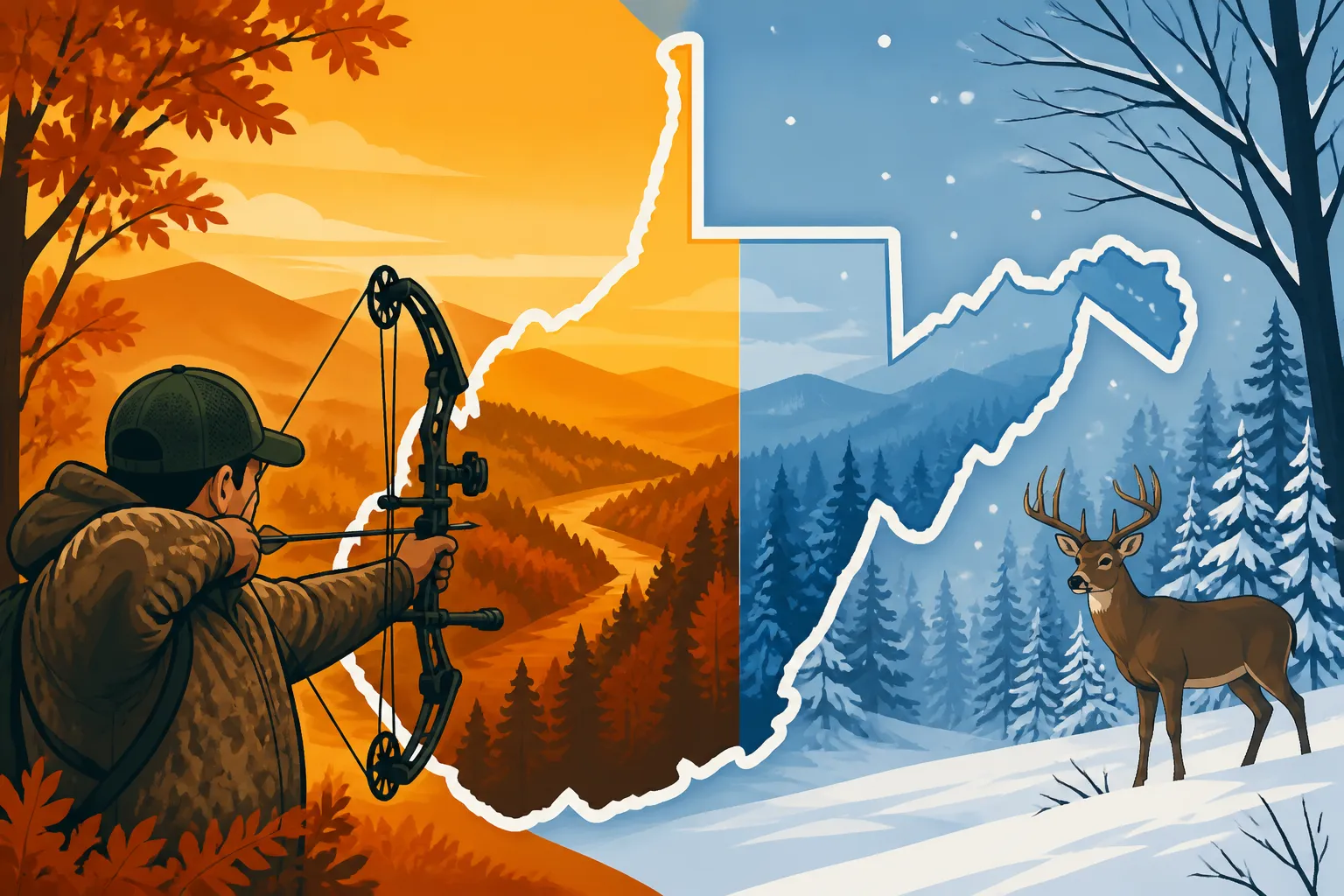
How West Virginia’s Season Runs Archery to December
The West Virginia deer season can feel like a whirlwind with its staggered openings and varied weapon choices, leaving hunters confused about the best times and tactics to be successful. Navigating the rules, understanding deer behavior shifts, and adapting your hunting style as the calendar turns from early fall to deep winter is crucial. This comprehensive guide will meticulously break down the entire West Virginia deer season, from the quiet archery opener in September all the way through the chilly December close, equipping you with the knowledge to maximize your time afield.
The Archery Season Kick-Off: Patience and Persistence
When that early September air cools just a touch, and you start seeing the first subtle hints of yellow in the sycamores, you know West Virginia’s archery season is upon us. It’s a magical time, full of anticipation, but also a period that demands a very specific approach. Unlike the frantic pace of gun season, the archery opener is a marathon, not a sprint, and your patience will be rewarded.
Early Season Strategies September to Mid-October
The early archery season, typically from late September through mid-October, is all about food sources and predictable patterns. Deer are still largely in their summer routines, focused on gorging themselves on available browse and soft mast like grapes, apples, and the last of the blackberries. Hard mast, especially acorns, starts dropping in earnest, becoming a primary draw. Locating white oaks, which often drop their acorns earlier and are preferred by deer, can be a game-changer. I’ve spent countless hours in the woods, especially around the Monongahela National Forest, just walking under oaks, looking for fresh cuttings and listening for the crunch of deer feeding. Setting up close to these reliable food sources, often within sight of a well-used trail leading to bedding areas, is key. Remember, deer movement is primarily crepuscular – dawn and dusk – so your best bets are early mornings and late evenings.
During this period, thermals play a massive role, especially in our steep West Virginia terrain. As the sun rises, warm air pushes up the hollows and ridges; as it sets, cold air sinks. Always hunt with the wind, but also consider how thermals will affect your scent throughout your sit. A common mistake is getting busted by an unexpected thermal shift. Early season, deer are less pressured, but they’re still incredibly wary. Keep your entry and exit routes quiet and discreet, avoiding any areas where deer might be bedding. Utilizing mapping tools like GoHunt can be invaluable here, allowing you to mark specific oak trees, bedding areas, and plan silent routes in and out of your stand. Many hunters find success by keying into specific water sources during dry spells, as deer will travel to hydrate.
Pre-Rut Movement and Tactics Late October
As October deepens and the days shorten, a shift occurs. The bucks, who have largely been bachelor-grouped and somewhat tolerant of each other, begin to disperse. Testosterone levels are on the rise, and while the full-blown rut is still a few weeks away, you'll start seeing increased daytime activity, especially from younger bucks. This is the "pre-rut," a fantastic time to be in the woods for archers. Scrapes and rubs start appearing, signaling bucks are actively marking their territory and checking for does. Focus your scouting efforts on identifying fresh sign along ridge lines and creek bottoms, often in transitional cover between bedding and feeding areas.
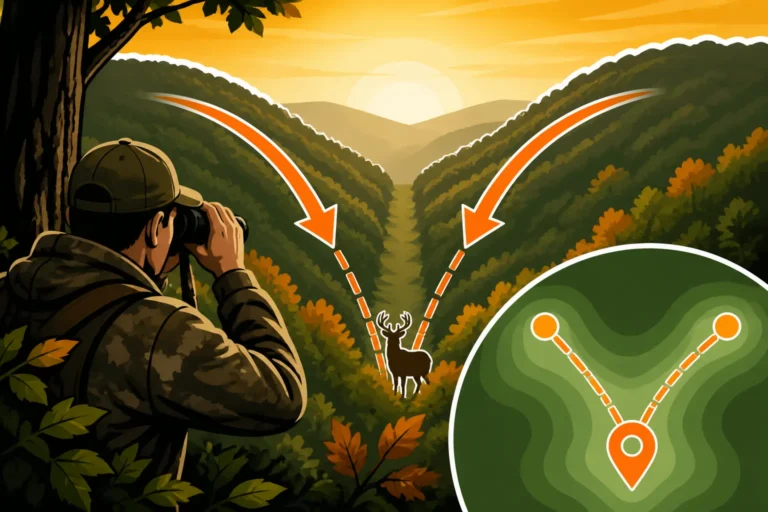
Tactics evolve to capitalize on this increased movement. While food sources are still important, paying attention to funnel points, pinch points, and natural travel corridors becomes paramount. Bucks are covering more ground, cruising for the first receptive does. Light calling, like soft grunts or doe bleats, can start to be effective, especially if you spot a cruising buck just out of range. Don't go overboard; subtle is usually better. Consider hunting near known doe bedding areas, as bucks will inevitably scent-check these spots. This period is also when you might start to see more aggressive rub lines, indicating a mature buck is in the area. Take a moment to really study these areas and think about where that buck might be coming from or going to. For a deeper dive into targeting deer during this time, consider exploring Hunting the West Virginia Rut in November.
Crossbow Integration and Rules
West Virginia's archery season welcomes both traditional bows and crossbows, offering flexibility for hunters. The integration of crossbows has opened up archery hunting to a wider range of participants, including those who might have physical limitations preventing them from drawing a compound or recurve bow, or simply those who prefer the increased accuracy and less demanding practice regimen. However, there are specific rules and considerations when using a crossbow.
First and foremost, check the current year's West Virginia Division of Natural Resources (WVDNR) regulations regarding crossbow usage. Typically, crossbows are legal during the entire archery season for deer, bear, and turkey. There aren't usually special permits required beyond your standard hunting license and stamps. However, it's always critical to confirm. Equipment-wise, ensure your crossbow meets the minimum draw weight and bolt specifications if any are listed. Most modern crossbows easily exceed any such requirements. The biggest advantage of a crossbow is the ability to hold at full draw, allowing for more precise shot placement when a deer presents a fleeting opportunity. However, they are still short-range weapons compared to rifles, and ethical shot distances should be respected. For detailed information on specific requirements, refer to Crossbow Rules During West Virginia Archery Season. Remember, even with a crossbow, practice is essential to ensure proficiency and make clean, ethical kills.
The November Rush: Buck Gun Season
The air crackles with a different kind of energy when November rolls around in West Virginia. The first gun season for bucks is a statewide phenomenon, drawing hunters from all corners of the state and beyond. It’s a time of tradition, camaraderie, and intense focus, but also a period that can feel incredibly crowded and challenging, particularly on public lands.
Opening Weekend Pressure and Opportunity
Opening weekend of buck gun season is, without a doubt, the busiest time to be in the West Virginia deer woods. Roads leading to public hunting areas are lined with trucks and trailers, and every traditional hunting spot often sees multiple hunters. The sheer amount of human activity pushes deer, disrupting their patterns and making them more nocturnal. However, this pressure can also create opportunities. Deer that are pushed from one bedding area might move into another, or into thicker cover they normally avoid. Many a large buck has been harvested on opening weekend by a hunter who understands this dynamic.
Instead of fighting the crowds head-on in popular spots, consider deep wilderness pushes where others won't go, or target smaller, overlooked pockets of cover on the fringes of public land. Focusing on escape routes between known bedding and feeding areas, or thickets and laurel hells where deer will hide, can pay dividends. If hunting with a group, organized deer drives can be incredibly effective during this period, moving deer through dense cover towards waiting standers. For detailed tactics to succeed when the woods are buzzing with activity, check out Opening Weekend Tactics for Buck Gun Season. This weekend isn't for the faint of heart, but with a solid plan, it offers some of the best chances at a mature buck.
Hunting the West Virginia Rut in November
While West Virginia's buck gun season generally coincides with the peak of the whitetail rut in mid-November, the intensity and timing can vary year to year and region to region. This is when bucks are actively seeking does, often throwing caution to the wind in their pursuit. It’s a period characterized by increased daytime movement, especially from mature bucks. The scrapes and rubs you saw in late October are now heavily worked, and fresh ones appear daily. Bucks are moving, scent-checking, and engaging in sparring matches.
Hunting the rut during gun season means being prepared for anything. Bucks might suddenly appear from unexpected directions, chasing a doe. Setting up in areas with good visibility but also near dense cover, like clear-cuts or thick creek bottoms, can be effective. Funnels between bedding areas, saddles on ridge tops, and bottlenecks created by terrain or water are prime locations. Grunt calls and rattling antlers can be highly effective now, mimicking the sounds of bucks challenging each other or does communicating. Aggressive calling can sometimes pull a curious buck right into range. Remember that deer are moving more, so staying vigilant and ready is crucial. Understanding Hunting the Rut in Mid-November can provide even more specialized insights.
Navigating Public Land Crowds
The popularity of West Virginia's buck gun season means public lands can get busy. Navigating these crowds effectively requires a blend of planning, courtesy, and often, a willingness to work harder than the next hunter. Before the season, use satellite imagery and topographic maps to identify remote areas, steep hollows, or distant benches that are less likely to see heavy foot traffic. The GoHunt app, for example, allows you to overlay public and private land boundaries, topo lines, and even recent satellite images, helping you pinpoint those hard-to-reach pockets where deer might feel safer.
Arrive early, especially on opening morning, to secure your desired spot and give yourself ample time to walk in quietly. Be respectful of other hunters you encounter; a quick, friendly nod or greeting goes a long way. If you find someone already in your intended spot, have a backup plan ready. Sometimes, simply walking an extra half-mile or choosing a less accessible approach can put you into unpressured deer. Consider hunting during weekdays if your schedule allows, as the pressure often drops significantly after the opening weekend. Knowing Opening Weekend Crowds on West Virginia Public Land can help you mentally prepare and strategize. It’s all about finding that balance between the excitement of the hunt and the reality of shared resources.
Muzzleloader Season: A Bridge to the Late Season
After the intensity of buck gun season, the woods often settle into a quieter rhythm, but the opportunities for deer hunting are far from over. West Virginia’s muzzleloader season typically offers a bridge between the gun season and the late archery season, allowing hunters to continue pursuing deer with a classic, single-shot firearm. This season presents unique challenges and rewards, often taking place in colder weather conditions.
Muzzleloader Tactics and Gear
Muzzleloader hunting is a distinct discipline that demands precision and attention to detail. The focus shifts back to a more deliberate, methodical approach, similar to archery in its emphasis on close-range opportunities. Weather plays an even greater role during muzzleloader season, as keeping your powder dry in the often damp, chilly conditions is paramount. Many hunters opt for inline muzzleloaders with 209 primers for increased reliability, but traditional caplock or flintlock rifles are also legal and provide an authentic hunting experience.
Tactically, deer are often wary after the gun season, so stealth and understanding their post-pressure movements are crucial. They might have relocated to thicker cover or become almost entirely nocturnal. Focus on reliable food sources that remain, such as standing corn on private land (with permission, of course) or overlooked pockets of late-dropping acorns on public ground. Hunting travel corridors between these food sources and dense bedding cover is a sound strategy. Long hours on stand, often in colder temperatures, are typical. You'll want to review Muzzleloaders for a West Virginia December to ensure your setup is tuned and ready for the specific conditions this season presents.
Post-Rut Recovery and Food Sources
By the time muzzleloader season rolls around, the peak rut is generally over, and bucks are in a recovery phase. They've burned a tremendous amount of energy during breeding and are now focused on replenishing their fat reserves for the lean winter months. This means food sources become the primary driver of deer movement once again. Identifying high-energy food sources is key. While some acorns might still be on the ground, deer will also be seeking out brassicas, winter wheat, and any lingering browse.
This is a great time to hunt standing crops or food plots if you have access to them. On public land, seek out areas with persistent forage, such as greenbriar thickets or even certain types of pine stands that offer both cover and some nutritional value. Deer will also be less tolerant of cold as their energy levels are depleted, so southern-facing slopes that receive more sunlight can be good places to find them bedded and feeding. Understanding Late-Season Food Sources for West Virginia Whitetails becomes incredibly important here, as deer will travel to find caloric intake.
Utilizing Cold Weather Advantages
The colder weather that typically accompanies muzzleloader season, often bringing with it frost or even early snow, can actually work to your advantage. Fresh snow not only makes tracking deer much easier but also makes deer more visible against the white backdrop. The crunch of frozen leaves can be loud, but a fresh dusting of snow can quiet the woods, making silent approaches possible. Furthermore, extreme cold forces deer to move during daylight hours to feed, as they need to maintain their body temperature.
Strategically, cold snaps can concentrate deer around the best available food sources. If there's a strong cold front moving through, focus your efforts on these feeding areas, especially in the late afternoons. Consider using a ground blind that provides insulation from the wind, allowing you to sit longer and stay warm. Thermal layering is absolutely critical for this season. Don’t let the cold chase you out of the woods, because those frigid days often bring out the biggest bucks. Knowing Cold-Weather Sitting Strategy in the Mountains will give you practical tips to stay comfortable and effective when the mercury drops.
Late Season Archery: The December Grind
Just when you think the deer season is winding down, West Virginia’s extended archery season carries on through December, often until the very last day of the year. This can be one of the most challenging, yet rewarding, periods to hunt. The deer have been pressured for months, the weather is cold and often harsh, and food sources are dwindling. However, the deer that remain are often in predictable patterns, and the woods are incredibly quiet, offering a unique opportunity for persistent archers.
Unpressured Deer and Winter Feeding Patterns
By December, many hunters have hung up their gear, especially on public lands. This significantly reduces pressure on the deer herd, allowing them to settle back into more natural daytime movements. While they are still wary, they might be more visible than during the bustling gun seasons. The primary driver for deer activity now is survival: finding enough food to sustain themselves through winter and conserving energy.
This means focusing intently on the most calorie-rich food sources available. Standing crops, if you have access, are gold. On public land, this often means scouring steep, south-facing slopes for any remaining mast, or seeking out thickets of greenbriar, honeysuckle, or other persistent browse that offers nutrition. Deer will often bed close to these food sources to minimize energy expenditure during travel. Scouting becomes crucial, looking for fresh tracks in the snow or mud, and concentrations of droppings. Deer are consolidating their ranges, and finding that core wintering area can lead to consistent opportunities.
Cold-Weather Sitting Strategy in the Mountains
Hunting in December often means dealing with truly cold temperatures, potentially snow, ice, and biting winds. Staying warm and comfortable for hours on end in a treestand is a challenge that requires meticulous planning and the right gear. Layering is paramount: start with moisture-wicking base layers, add insulating mid-layers like fleece or wool, and top it off with a windproof and waterproof outer shell. My experience has shown that wool, like that from brands such as KUIU or Sitka, is an excellent choice for quiet movement and warmth, even when damp. Hand warmers, insulated boots, and a warm hat are non-negotiable.
Beyond clothing, consider the location of your stand. A stand in a sheltered pocket, out of the direct wind, can feel significantly warmer than one exposed on a ridge. South-facing slopes that catch more sunlight can also offer a bit of warmth. Think about your stand setup to minimize movement; every subtle adjustment to stay warm can spook a deer. Carrying a small thermos of hot coffee or tea can provide both warmth and a mental boost during those long, cold sits. This is where patience truly shines, as deer movement might be sporadic, but when they move, they move with purpose.
Maximizing Success Before the Close
As December winds down to the final days, the opportunities become limited, creating a sense of urgency. For many, this is the last chance to fill a tag. Success during this period often comes down to dedication, understanding residual food sources, and recognizing that deer are often clustered. If you find a productive feeding area, chances are multiple deer will be using it.
Consider hunting during light snowfalls, which can muffle sound and make deer more visible. Track recent deer movement closely, and be prepared to move your stand if necessary to intercept new patterns. Bucks, though post-rut, can sometimes still be seen scent-checking, or even chasing a late-cycling doe, so don't entirely discount the idea of calling. However, the primary focus should remain on food and security cover. This late season period, with its quiet woods and often focused deer, offers a truly intimate hunting experience, a fitting close to West Virginia’s long archery season. Check out Hunting Into the Late December Archery Close for more last-minute tips.
Understanding County-Specific Regulations and Antlerless Opportunities
West Virginia is a state that values its diverse hunting opportunities, and this is reflected in its highly localized regulations. What's legal in one county might be completely different in another, especially when it comes to deer seasons. Ignoring these nuances can lead to citations, or worse, impacting the sustainability of our deer herds.
The Importance of County-Level Rules
West Virginia's deer management is often implemented on a county-by-county basis, or even in specific zones within counties. This granular approach allows the WVDNR to address specific population densities, habitat conditions, and other local factors. For example, some counties in the southern part of the state are archery-only for deer, while others have more liberal antlerless quotas. Some counties might have slightly different opening or closing dates for certain seasons, or restrictions on weapon types. Before you even pack your hunting boots, it is absolutely essential to consult the official West Virginia Hunting and Trapping Regulations summary for the current year, and specifically look up the rules for the county you plan to hunt in. This information is readily available on the WVDNR website, and apps like GoHunt can help you quickly reference county boundaries and associated rules, often with links to official sources.
Mistakes here are easy to make, especially for hunters who travel between different regions of the state. Never assume the rules from your home county apply elsewhere. Pay close attention to details like antler point restrictions (APRs), which counties allow Sunday hunting, or specific regulations regarding public land access. Failure to do so can result in serious penalties, ranging from fines to license revocation. Understanding these distinctions is not just about staying legal; it's about being an ethical and responsible hunter who respects the local management goals.
Early Antlerless and Bonus Tags
Beyond the general buck seasons, West Virginia offers various antlerless deer opportunities that are critical for managing the overall deer population and providing additional hunting opportunities. The "early antlerless" season is one such example, typically occurring in late October in specific counties, allowing hunters to harvest does before the general gun season. This helps to balance the herd's sex ratio and control population growth in areas where deer numbers are high.
Many counties also have bonus antlerless tags available, often purchasable in addition to your regular license and stamps. These tags are a powerful tool for landowners and hunters to manage deer populations on a local level. For example, in counties designated as having higher deer densities, the WVDNR might allow hunters to purchase multiple bonus antlerless tags, providing a greater opportunity to harvest additional deer. Conversely, in counties where deer numbers are lower or stable, bonus tags might not be offered or might be limited. It’s crucial to know West Virginia County-Specific Antlerless Rules to understand where and when these opportunities exist. These antlerless harvests are vital for maintaining a healthy and sustainable deer herd in West Virginia.
Gear and Scouting Throughout the Seasons
Being a successful deer hunter in West Virginia, from the early days of archery to the final late-season crunch, isn't just about knowing the regulations and deer behavior. It's also about having the right gear and, perhaps most importantly, putting in the year-round effort of scouting.
Adapting Your Setup to Each Phase
Your hunting setup should evolve as the season progresses. What works perfectly for a warm September archery hunt might leave you exposed and freezing in a December muzzleloader stand.
- Early Archery (September/October): Lightweight, breathable camouflage is essential. Insect repellent is a must, especially for ticks and gnats. Your bow or crossbow should be sighted in for realistic distances, typically 20-40 yards. Focus on scent control more than ever, as deer are less pressured and more sensitive to foreign odors.
- Gun Season (November): Blaze orange or blaze pink is a legal requirement. Choose heavier, insulated clothing suitable for colder temperatures. Your rifle should be zeroed and practiced at common shooting distances for the terrain, which could be anything from 50 to 200 yards in our mountains. Binoculars are invaluable for scanning open timber and distant ridges.
- Muzzleloader (Late November/Early December): Warm, waterproof clothing is paramount. Keeping your muzzleloader dry and functional in damp conditions is critical. Again, blaze orange is required. Practice shooting your muzzleloader in conditions similar to what you'll encounter, as cold and dampness can affect performance.
- Late Archery (December): Return to camouflage, but with extreme emphasis on insulation and warmth. Insulated boots, multiple layers, and hand/foot warmers are your best friends. Your bow or crossbow might need a check as string materials can react to extreme cold. Focus on stealth and minimal movement on stand.
A good GPS unit or a reliable mapping app on your phone, like GoHunt, is useful throughout all seasons for marking stands, tracking deer, and navigating public land. Remember, no single "perfect" setup exists; flexibility and adaptation are key.
Year-Round Scouting for Success
The most successful West Virginia deer hunters are those who never truly stop scouting. While in-season scouting is important for identifying fresh sign, the real work begins long before opening day.
- Post-Season (January-March): This is arguably the best time to scout. With leaves off the trees, visibility is excellent. Deer sign from the previous season, like rub lines and old scrapes, is still visible. You can identify bedding areas, travel corridors, and even shed antlers, giving you clues about buck populations and wintering habits. Focus on Shed Hunting on West Virginia Public Land to combine scouting with finding treasure.
- Spring/Summer (April-August): As green-up occurs, focus on identifying new food sources like early browse, clear-cuts, and potential new acorn crop areas. Trail cameras are highly effective now for monitoring deer movement and identifying individual bucks. Look for minerals sites, which deer will frequent. Mapping tools are invaluable for marking these observations.
- Pre-Season (Late August/Early September): A few weeks before the season opens, revisit your target areas. Look for fresh rubs and scrapes, observe trail camera photos for current patterns, and confirm primary food sources. This fine-tuning before the season starts can make all the difference.
Consistent, year-round scouting allows you to build a comprehensive understanding of the deer in your hunting area, anticipating their movements through the various seasons and weather changes. It takes time and effort, but it's the foundation of consistent success in West Virginia's diverse and challenging deer woods. For more in-depth scouting techniques, you might want to look at Scouting West Virginia Public Land Before Season.
Disclaimer
Hunting carries inherent risks, including but not limited to injury or death. Always prioritize safety, understand and follow all applicable laws and regulations, and respect wildlife. The information provided in this guide is for informational purposes only and should not replace official regulations, professional instruction, or personal judgment. Regulations can change, so always consult the latest West Virginia hunting and trapping regulations before going afield.