West Virginia Black Bear DNA Tracking Study
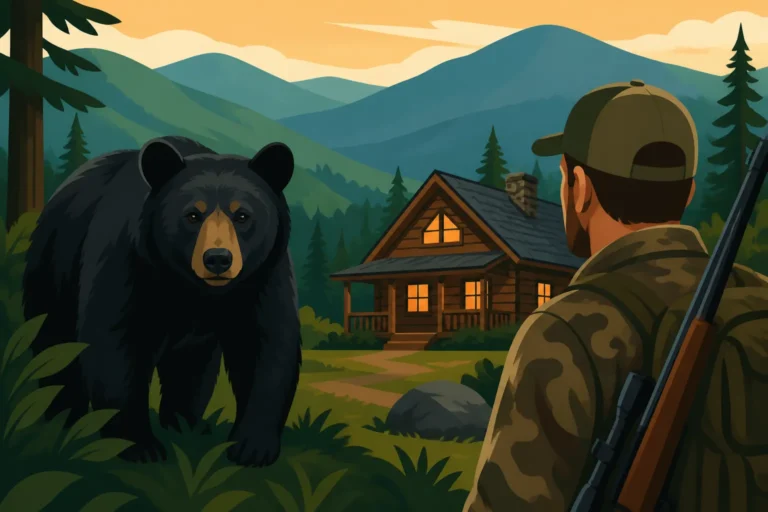
It can feel like you're hunting ghosts when you're after a West Virginia black bear. These incredible animals are notoriously elusive, constantly on the move, and masters of blending into our rugged landscape. Historically, getting an accurate handle on their numbers and movements was a monumental challenge, leaving many hunters and wildlife enthusiasts wondering just how many bears truly roam our mountains. This guide is going to pull back the curtain on how West Virginia wildlife biologists are using cutting-edge DNA tracking studies to understand our black bear population like never before, offering insights that impact everything from conservation to your next hunting trip.
Unpacking West Virginia's Black Bear DNA Tracking Study
When we talk about managing a species as robust and intelligent as the black bear, simply guessing at population numbers isn't going to cut it. For years, wildlife agencies relied on methods like harvest data analysis, anecdotal sightings, and track counts, all of which offered pieces of the puzzle but never the full picture. The frustration for many hunters was that it often felt like the management was based on "best guesses" rather than hard facts, leading to questions about season lengths, bag limits, and overall population health.
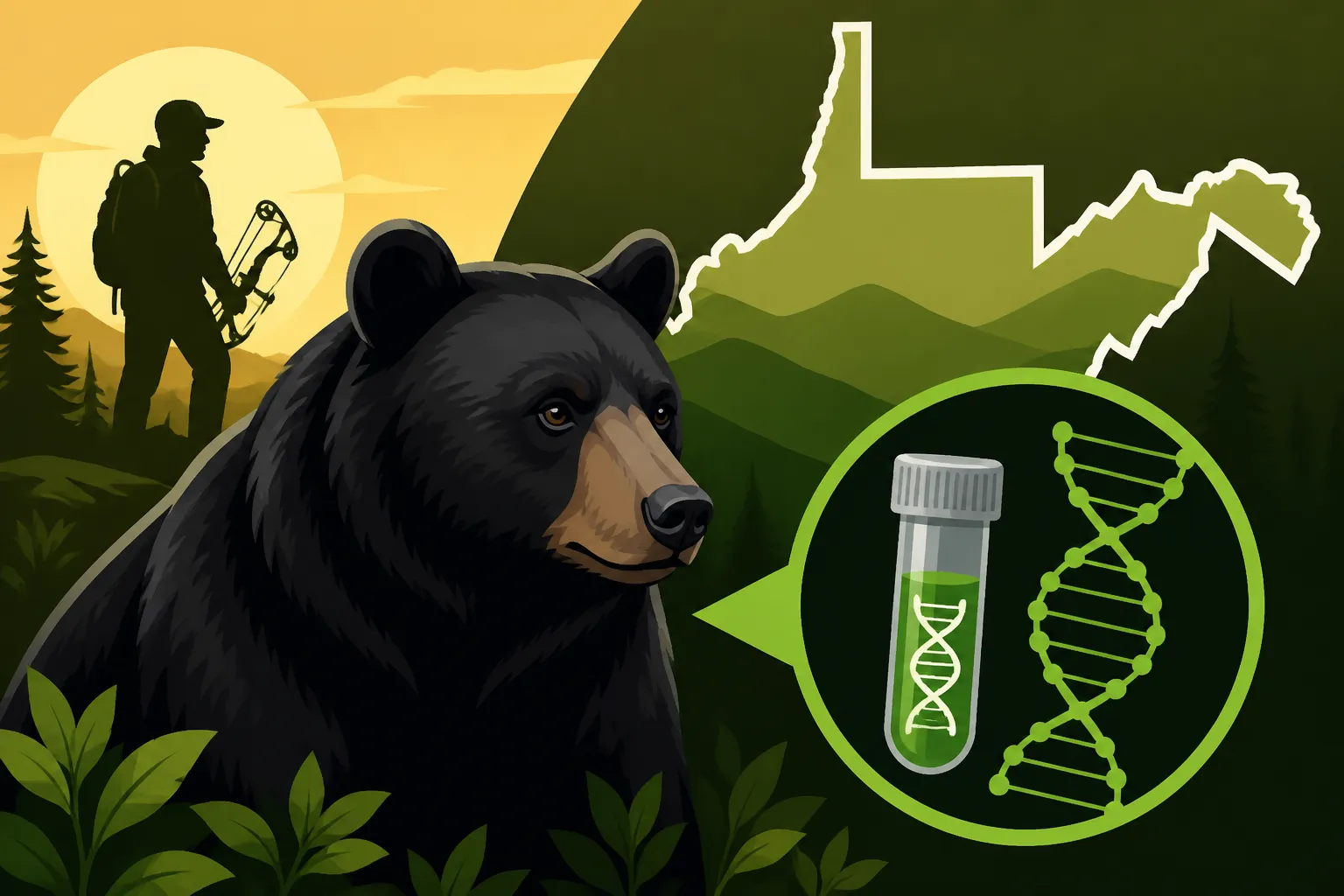
Enter the power of DNA. A black bear DNA tracking study is exactly what it sounds like: a scientific effort to collect genetic material from individual bears across a given area. This isn't about tracking one bear with a collar (though that happens too!), but rather identifying every bear in a specific region and understanding its genetic fingerprint. This kind of comprehensive data allows biologists to estimate population sizes with much greater accuracy, identify movement corridors, understand kinship, and even detect potential health issues within the population. It's a game-changer for wildlife management, moving from estimates to verifiable data points.
Why Traditional Methods Fell Short for Bears
Historically, counting bears was incredibly difficult. Unlike deer, which might congregate in fields or be more easily observed from a distance, bears are solitary for much of the year and prefer dense cover. Imagine trying to get an accurate count of every squirrel in your neighborhood if they all stayed in the tallest trees and only came out at night – that's a bit like the challenge with bears, but on a much grander scale and with a creature that can cover miles of rugged terrain in a single day.
Methods like bait station surveys, where biologists would count how many times bait was visited, or track surveys, where paw prints in snow or mud were tallied, provided indices of population presence, but not concrete numbers of individuals. Harvest data, while useful for understanding trends in hunter success and distribution, doesn't tell you how many bears weren't harvested. Without knowing the actual number of individual bears, it's tough to confidently say if a population is growing, shrinking, or stable, which is crucial for setting sustainable hunting seasons. This lack of precise data was a significant pain point for both wildlife managers striving for effective conservation and hunters who wanted assurance that seasons were set fairly and sustainably.
How the DNA is Collected and Analyzed
The fascinating part about a black bear DNA tracking study is the ingenuity involved in collecting samples from an animal that would rather not be seen. It's not like you can just walk up to a bear and ask for a hair sample! The process requires careful planning, a lot of legwork, and some pretty clever tricks to get those precious genetic clues without disturbing the bears too much.
Clever Collection Techniques
One of the most common and effective methods for collecting bear DNA is through hair snares. These often consist of a strand of barbed wire or a rough fabric placed in a strategic location – perhaps around a bait site (like a pile of donuts or some strong-smelling attractant) or along a well-used bear trail. When a curious bear passes over or under the snare, some of its hair inevitably gets snagged. The barbed wire is usually set high enough to ensure only bears (and not smaller animals) snag hair, but low enough that they rub against it. Another common technique involves setting up rub posts with a rough material or even a scent attractant like diesel fuel (bears seem to love the smell!). When a bear rubs against the post, hair is left behind.
Beyond hair, biologists also collect DNA from scat samples (bear droppings). Each scat sample contains intestinal cells from the bear that deposited it, which can be analyzed for DNA. This is a bit more opportunistic and requires keen observation skills in the field. Sometimes, even tissue samples from harvested bears are collected by hunters or processors during check-in, providing a valuable source of genetic material, especially for understanding the genetic diversity within the hunted population. All of these samples, no matter how small, contain a unique genetic signature that can identify an individual bear.
The Lab Work: From Hair to Identity
Once these samples are collected in the field, often over several months or even a full year across a designated study area, they head to a specialized genetics lab. This is where the magic really happens.
Here’s a simplified breakdown of the lab process:
- Extraction: The first step is to extract the DNA from the hair follicle, scat cells, or tissue. This involves a series of chemical processes to isolate the genetic material from other cellular components.
- Amplification: Bear DNA is present in very small quantities in these samples. Scientists use a technique called Polymerase Chain Reaction (PCR) to make millions of copies of specific DNA segments, creating enough material to analyze.
- Analysis and Profiling: These amplified DNA segments are then analyzed to create a unique genetic profile for each bear. Think of it like a genetic barcode. Biologists look for specific markers that differ between individuals.
- Individual Identification: By comparing all the genetic profiles collected, researchers can identify how many unique individual bears were sampled. If two hair samples from different locations show the exact same genetic profile, they know it's the same bear.
- Population Estimation: With the number of unique individuals identified and an understanding of the sampling effort, statisticians can then use complex models to estimate the total population size within the study area. This gives a much more precise figure than previous methods.
This meticulous lab work ensures that every tiny hair or scat sample contributes valuable data to paint a clear picture of West Virginia's Black Bear Comeback.
Insights Gained from Bear DNA Data
The information gleaned from these DNA tracking studies is far more profound than just a head count. It provides a nuanced understanding of black bear ecology and behavior in West Virginia, offering critical insights that were previously impossible to obtain. It's like going from a blurry photograph to a high-definition movie of what's happening in our bear woods.
Population Size and Density
The most immediate and impactful result of a DNA tracking study is a reliable estimate of the black bear population size within a specific study area. Instead of broad regional estimates, biologists can pinpoint the number of individual bears living in a particular forest block or WMA. This data on How Many Black Bears West Virginia Has Today helps determine population density – how many bears per square mile – which is a crucial metric for evaluating habitat health and carrying capacity.
This accurate count allows wildlife managers to make truly informed decisions about hunting quotas and season lengths. If the population is robust and growing, it might support more liberal harvest opportunities. If the study reveals a lower density than expected in a particular area, it might signal a need for more conservative management or further investigation into habitat quality. This precision replaces guesswork with data, offering reassurance to hunters that seasons are based on sound science.
Movement Patterns and Habitat Use
Each time a bear is "re-captured" genetically at a different snare site, it provides a data point on its movement. Over time, these individual bear "move maps" build up a picture of home ranges, travel corridors, and preferred habitats. Biologists can then understand:
- How far bears travel: Are they staying put in one hollow, or are they ranging across multiple ridges? This is vital for understanding gene flow and disease transmission.
- Key travel routes: Do bears consistently use certain saddles, creek bottoms, or powerline cuts? This information can be critical for conservation efforts, like planning wildlife crossings or protecting vital habitat linkages.
- Seasonal shifts: Do bears move to higher elevations for mast crops in the fall, or into agricultural areas when natural foods are scarce? Understanding these patterns can inform where and when hunters might find success.
This kind of detailed movement data can be invaluable for hunters too. Knowing that bears generally travel through certain types of terrain or utilize specific food sources at different times of the year can help you plan your scouting and stand locations. You might even use tools like GoHunt to overlay habitat features with known bear movement corridors identified in such studies.
Genetic Health and Disease Monitoring
DNA analysis goes beyond just counting individual bears; it delves into their genetic makeup. Biologists can assess the genetic diversity within the population. A diverse gene pool is a sign of a healthy, resilient population, better able to adapt to environmental changes and resist diseases. Low genetic diversity can indicate an isolated or struggling population.
Furthermore, DNA studies can aid in disease monitoring. While CWD is primarily a concern for deer, other diseases can affect bear populations. If a sick bear sample is collected, its DNA can be used to track potential spread or identify individuals with higher susceptibility. This early detection capability is a powerful tool for maintaining the overall health of West Virginia's bear population.
Implications for West Virginia Bear Hunting and Conservation
The comprehensive data gathered from the West Virginia Black Bear DNA Tracking Study has far-reaching implications, not just for the scientific community, but for every hunter and outdoor enthusiast in the state. It's about ensuring a sustainable future for these magnificent animals and providing transparent, data-driven management.
Informing Management Decisions and Hunting Regulations
With a clearer picture of population numbers and dynamics, the West Virginia Division of Natural Resources (WVDNR) can make much more precise and effective management decisions. For instance, if a study indicates a robust and growing bear population in a specific region, it might justify more liberal hunting opportunities, such as extended seasons or increased bag limits, contributing to West Virginia's Liberal Bear Season Rules. Conversely, if a localized population shows signs of decline or stagnation, the WVDNR might implement more conservative measures to allow for recovery.
This direct correlation between scientific data and regulatory changes provides confidence to hunters that the seasons are not arbitrary but are carefully crafted to maintain healthy bear populations while still offering ample hunting opportunities. It's a win-win for both conservation and recreational hunting. The data from these studies directly feeds into the models that help establish West Virginia Bear Harvest Trends and ensure that those trends are sustainable year after year.
| DNA Tracking Study Benefit | Traditional Method Limitation | Impact on Hunters/Conservation |
|---|---|---|
| Accurate Population Count | Best Guess/Index | Data-driven season limits, sustainable harvest |
| Individual Identification | No way to distinguish | Understanding dispersal, kinship, disease spread |
| Precise Movement Data | Anecdotal/Telemetry only | Informed habitat protection, better scouting |
| Genetic Diversity Analysis | Unknown | Early warning for population health issues |
| Less Intrusive Collection | Trapping/Collaring (more stress) | Reduced stress on animals, broader data collection |
Understanding Bear Ecology and Behavior
Beyond just numbers, the DNA study offers a deeper understanding of how West Virginia's black bears live. Knowing their movement patterns helps us understand how they adapt to different food sources, like the annual mast crops. For instance, if a poor acorn year impacts a specific region, DNA data might reveal increased bear movement into other areas or a greater reliance on alternative food sources, giving hunters clues about Hunting Bears Over Natural Mast in the Mountains.
This ecological insight is crucial for conservation. It helps identify critical habitat areas that need protection, understand the impact of human development on bear movements, and even predict how bears might react to climate shifts. For hunters, this translates into a richer knowledge base about the animals they pursue, leading to more informed and ethical hunting practices. When you understand the science behind the bear, you become a more effective and responsible hunter.
Future Research and Conservation Efforts
The ongoing nature of DNA tracking studies means they provide a continuous stream of data, allowing biologists to monitor long-term trends. This baseline data is incredibly valuable for future research, such as assessing the impact of specific management actions, understanding bear-human conflicts, or evaluating the success of habitat improvement projects.
For example, if the state is considering expanding bear habitat in a particular region, DNA tracking before and after the efforts could provide concrete evidence of success by showing an increase in bear density or expansion of their range. This scientific rigor ensures that conservation dollars are spent wisely and that our wildlife management practices are constantly evolving based on the best available information. As hunters, supporting these research efforts ensures that future generations will also have the opportunity to experience the thrill of Hunting Bears in the Cranberry Backcountry and other prime bear country across West Virginia.
Disclaimer
This article is for general informational purposes only and does not constitute professional advice. Laws, prices and regulations vary by location and change over time. Consult a qualified professional for guidance on your specific situation.