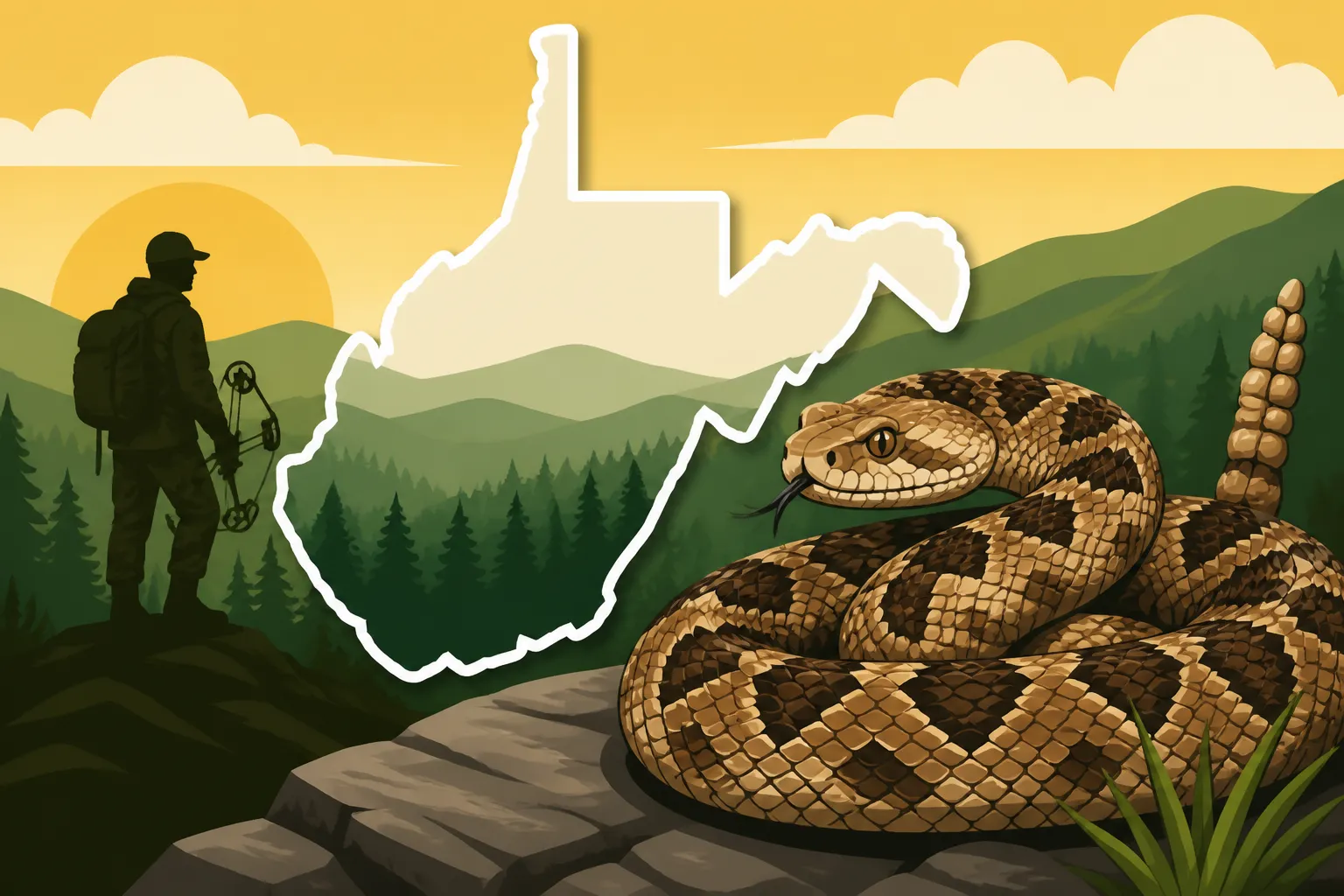
West Virginia Timber Rattlesnake Range
For those of us who spend countless hours in the West Virginia woods, chasing whitetails or turkeys, a concern that sometimes whispers through the back of our minds is the possibility of encountering a timber rattlesnake. It’s a primal fear for many, and frankly, understanding where these fascinating creatures live and how to interact with them safely is crucial, not just for your peace of mind, but for actual preparedness. This guide is here to shed light on the timber rattlesnake's domain in West Virginia, helping you navigate their habitats with confidence and respect.
Understanding the West Virginia Timber Rattlesnake
Let's be honest, snakes, especially venomous ones, can trigger a strong reaction in most people. But the timber rattlesnake is a native species, an integral part of our Appalachian ecosystem. Getting to know them helps demystify them and ultimately makes us safer hunters. They aren't out to get you, but they will defend themselves if threatened.
Characteristics and Identification
Timber rattlesnakes are generally quite striking, often displaying beautiful patterns that help them blend seamlessly into their surroundings. They're typically quite thick-bodied snakes, ranging from about three to five feet in length, though larger specimens have certainly been found. Their coloration can vary wildly, from a light yellow with dark chevron-shaped bands to a much darker, almost black appearance, especially in the more mountainous regions. The dark bands are often velvety black and contrast sharply with the lighter ground color.
The most distinctive feature, of course, is their rattle. This segmented appendage at the end of their tail is made of keratin, the same material as our fingernails. When disturbed or feeling threatened, they'll vibrate their tail, causing the segments to strike against each other and produce that iconic buzzing or rattling sound. It's a clear warning, and one you should always heed. However, sometimes they don't rattle if they feel truly cornered or if it's too cold to rapidly vibrate their muscles. Never assume a motionless snake is harmless. They also have a distinctly triangular-shaped head, wider than their neck, a common characteristic of venomous pit vipers.
Behavior and Temperament
Timber rattlesnakes are generally quite reclusive and non-aggressive. They much prefer to avoid confrontation, and their first line of defense is usually camouflage. They'll often lie perfectly still, relying on their incredible ability to blend in, hoping you'll simply walk past without noticing them. If that doesn't work, their next step is often to coil up and rattle a warning. This is their way of saying, "Hey, I'm here, back off!"
They are ambush predators, primarily hunting small mammals like mice, voles, and chipmunks, as well as birds. They're most active during warmer months, from late spring through early fall. As the weather cools, they'll seek out their hibernacula—dens where they overwinter, often communal and in rocky, protected areas. During the hunting season, especially early archery or even into parts of gun season in warmer years, you absolutely need to be aware of their presence, particularly when the sun is out and they are looking to warm themselves.
Prime Habitat and Geographic Distribution
Understanding the timber rattlesnake's preferred habitat is key to knowing where you're more likely to encounter them in West Virginia. It's not every square inch of the state, but certain areas definitely have a higher concentration.
Rocky Outcrops and Ledges
If there's one defining feature of prime timber rattlesnake habitat in West Virginia, it's rocky terrain. Think about those steep, craggy hillsides, the exposed rock ledges, and the jumbles of boulders that characterize so much of our mountain landscape. These areas provide everything a rattlesnake needs: shelter from predators, crevices for overwintering dens (hibernacula), and sunning spots where they can thermoregulate their body temperature. They love to bask on warm rocks, especially after cool nights or in the mornings.
When you're Hunting Steep Allegheny Ridges or exploring the rugged public lands of the Potomac Highlands, keep your eyes peeled. These rocky areas, particularly those with a southern exposure that catches the most sun, are prime real estate for timber rattlesnakes. You might find them coiled up near a rock crevice, under a fallen log, or even stretched out on an old logging road. This is especially true in counties like Pocahontas, Randolph, and Pendleton, where such features are abundant.
Dense Forest Undergrowth and Logging Roads
While they love rocks, timber rattlesnakes don't spend all their time out in the open. They are often found in the dense, shaded undergrowth of mature forests, especially where there are plenty of downed logs, brush piles, and leaf litter for cover and to ambush prey. The thick, undisturbed forests of places like the Monongahela National Forest are perfect for them. They're masters of camouflage, and spotting one in heavy leaf litter can be incredibly difficult.
Old logging roads and game trails also become pathways for them. They might be crossing these paths to get from one hunting ground to another, or simply using the slightly more open ground for sunning. When you're Scouting West Virginia Public Land Before Season, or navigating these trails during your hunt, always watch where you step. It’s easy to get focused on deer sign or a gobbler strutting, but failing to look down can put you in a bad spot.
Southern-Facing Slopes and Mountain Benches
Aspect and elevation play a huge role in timber rattlesnake distribution. They tend to prefer southern-facing slopes because these areas receive more direct sunlight, warming up faster in the spring and staying warmer longer into the fall. These warmer microclimates are essential for their survival, helping them maintain their body temperature for hunting and digestion. You'll often find them on these sunny slopes, particularly on benches or flats that break up the steep incline, providing a good vantage point and a place to sunbathe.
Even in high-elevation areas, if there's a south-facing aspect with good rock structure, rattlesnakes can be present. While you might associate them more with lower elevations, they absolutely inhabit the higher reaches of our mountains too, often up to several thousand feet. Think about those beautiful, sunny mountain benches you seek out for deer sign; these are also attractive spots for a rattlesnake looking to warm up. So, whether you're Hunting a High Elevation Mountain Bench or exploring mid-slope terrain, keep an eye out, especially when the sun is shining.
Here's a quick overview of what makes prime timber rattlesnake habitat:
| Habitat Feature | Likelihood of Rattlesnake Encounter | Hunter Awareness |
|---|---|---|
| Rocky Outcrops/Ledges | High | Scan ahead, watch hand/foot placement, use trekking poles |
| South-Facing Slopes | High | Focus on sunny spots, especially in cooler weather |
| Dense Forest Undergrowth | Medium to High | Be mindful of stepping over logs, deep leaf litter |
| Old Logging Roads/Trails | Medium | Watch the path, especially at dawn/dusk |
| Creek Bottoms/Wetlands | Low | Less common, but not impossible on higher banks |
| Open Fields/Farmland | Very Low | Rarely found far from rocky, wooded cover |
Encountering Rattlesnakes While Hunting
It's one thing to know where they live, and another to know what to do if you actually encounter one while you're deep in the woods, miles from the nearest road. Preparedness is key.
Situational Awareness and Prevention
The best defense is always prevention and awareness. When you're in timber rattlesnake country, especially during the warmer parts of the season, make situational awareness a priority. This means more than just scanning for deer; it means constantly observing the ground around you, particularly when stepping over logs, through thick brush, or near rocky areas. Wearing appropriate footwear is absolutely critical. High-top, sturdy leather or rubber boots provide significant protection. Boots like those I'd recommend for Boots for West Virginia Hollows and Ridges are ideal, as they protect your lower leg and ankle.
Consider carrying trekking poles, not just for balance on Hunting Steep Allegheny Ridges, but also for probing ahead of you in thick cover. This can displace a snake before you step on it. When you sit down, whether for a quick break or in a ground blind, always inspect the area thoroughly. Don't just plop down on a log or a rock without looking underneath and around it. A good practice is to always wear snake gaiters or snake-proof chaps if you're particularly concerned, especially when bushwhacking through dense cover.
What to Do During an Encounter
So, you've heard the rattle, or you've spotted one coiled and motionless. Your heart is probably pounding. The most important thing is to remain calm and assess the situation. First, locate the snake. Once you've seen it, the next step is to slowly and carefully back away. Give the snake plenty of space. Timber rattlesnakes can strike about half their body length, so a four-foot snake can strike two feet. Give it more than that. Never try to harass, pick up, or kill a rattlesnake. This is when most bites occur. They are a protected species in West Virginia and are generally not aggressive unless provoked.
If a snake is between you and your path, try to go around it with a wide berth. Wait for it to move on its own if it's blocking a critical route, or simply find an alternative path. If you have a Packs for a Monongahela Forest Day Hunt, ensure that anything critical is easily accessible, but don't drop your pack to retrieve something. Just back off. Your goal is to disengage and avoid confrontation.
Safety and Preparedness in Rattlesnake Country
Hunting in West Virginia often means being in remote areas, far from immediate help. This amplifies the importance of being prepared for any emergency, including a snakebite.
First Aid for Snakebite
While prevention is paramount, knowing basic first aid for a snakebite is crucial, especially when you're on First Aid Kits for Remote Highlands Ground. If someone in your party is bitten:
- Stay Calm: Panic will increase heart rate and spread venom more quickly. Keep the victim calm.
- Call for Help: Immediately call 911 or emergency services. Give them your exact location using GPS coordinates if possible. This is where tools like GoHunt's mapping features can be a lifesaver, allowing you to quickly pinpoint and relay your location to first responders, even in areas with spotty cell service if you've downloaded maps offline.
- Remove Constricting Items: Take off any rings, watches, or tight clothing near the bite area, as swelling will occur rapidly.
- Keep the Bite Area Below the Heart: This helps slow the spread of venom.
- Clean the Wound: Gently wash the wound with soap and water if available.
- Immobilize: Keep the bitten limb as still as possible.
- Do NOT Do These Things: Do not cut the wound, try to suck out venom, apply a tourniquet, apply ice, or consume alcohol/caffeine. These actions are ineffective and can often cause more harm.
- Transport: Get the victim to medical help as quickly and safely as possible.
Remember, the goal is to get the victim to a hospital for antivenom as soon as possible. Your First Aid Kits for Remote Highlands Ground should certainly include items for basic wound care and pain management, but antivenom is only available at medical facilities.
Gear and Awareness Tips for Hunters
Beyond boots and trekking poles, a few other gear and awareness considerations can make a big difference. When using mapping applications, like a premium service that integrates with your planning, you can use features of GoHunt to identify specific terrain types and rock formations on satellite imagery. This is incredibly helpful when Reading Aerial Photos for Eastern Panhandle Deer or planning a new route. By looking for rocky bluffs or prominent ledge lines on the map, you can mentally flag those as high-probability areas for rattlesnakes and plan your approach accordingly, giving them extra respect.
Always hunt with a buddy, or at least let someone know your exact hunting location and expected return time. This is good advice for any remote hunting trip, but especially important in areas where a snakebite could leave you incapacitated. Keep your eyes on the ground, especially during creek crossings or climbing over blowdowns. Remember, rattlesnakes are often most active during the same periods we are – dawn and dusk – and also during the day when warming up. Be vigilant and enjoy the wild beauty of West Virginia, knowing you're prepared for whatever nature presents.
Disclaimer
This article is for general informational purposes only and does not constitute professional advice. Laws, prices and regulations vary by location and change over time. Consult a qualified professional for guidance on your specific situation.