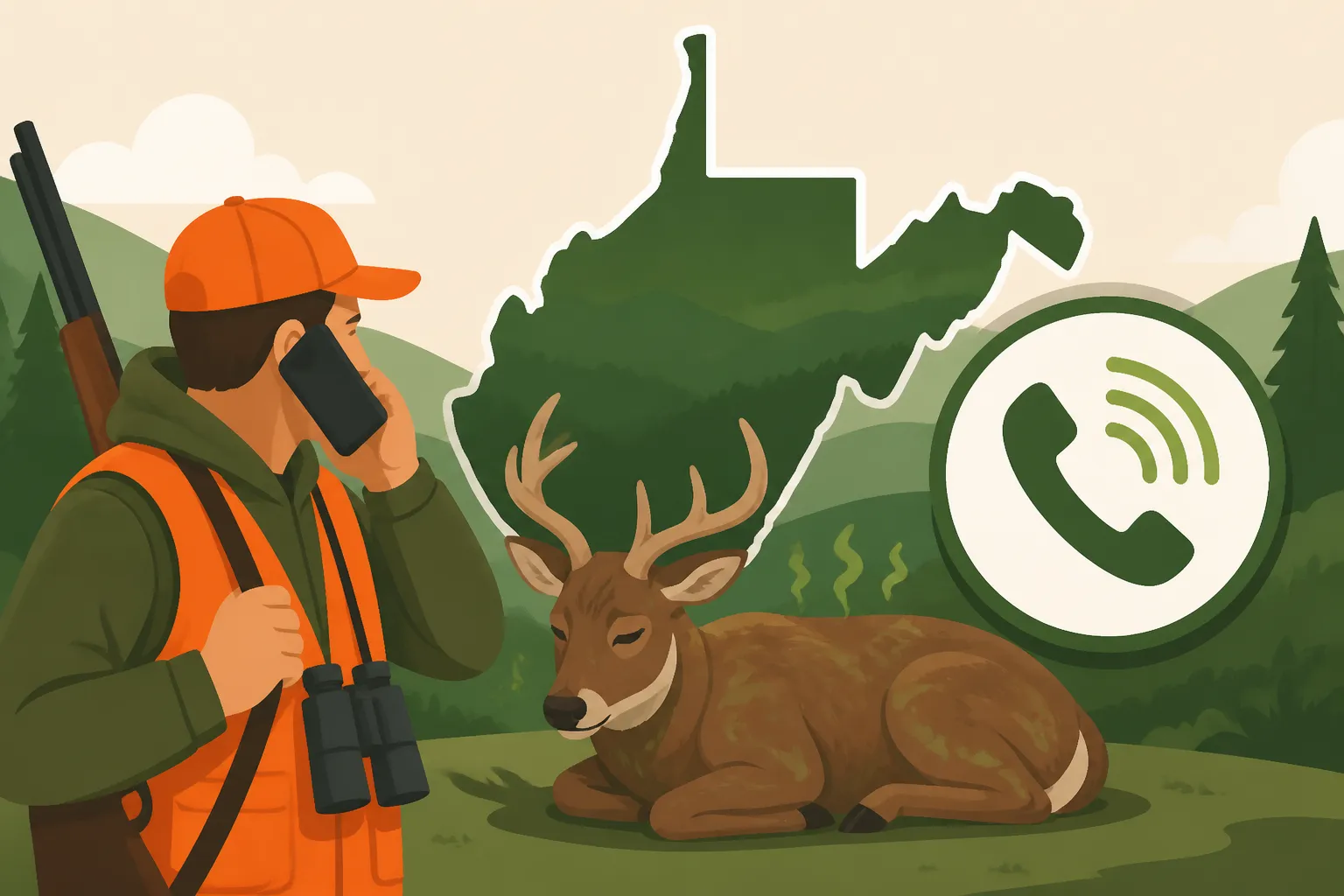
Reporting a Sick Animal in West Virginia
There's nothing quite as jarring as being out in the West Virginia woods, enjoying the crisp air and the quiet pursuit of game, only to stumble upon a wild animal that's clearly not well. It can be a disquieting sight, leaving you wondering what to do and if you should even get involved. This guide is here to walk you through exactly why and how you should report a sick animal in West Virginia, ensuring you're empowered to help protect our cherished wildlife and safeguard your own health and hunting experiences.
Why Reporting a Sick Animal Matters in West Virginia
Seeing a deer staggering, a turkey with unusual growths, or a fox acting disoriented isn't just a sad sight; it's a potential alarm bell for the health of our entire ecosystem. Hunters are often the first line of defense in spotting these issues because we spend so much time immersed in wild places. Your report isn't just a casual observation; it's a vital piece of information that helps wildlife managers track diseases and protect our game species.
Protecting Wildlife Populations from Disease
Diseases can spread rapidly through animal populations, especially in areas where animals congregate or during periods of high stress, like severe winters or droughts. Think about how quickly a cold can spread through a classroom – the same principle applies, but with far more severe consequences for wildlife. If a disease goes unchecked, it can devastate local herds or flocks, leading to significant declines in species numbers that can take years to recover. For example, understanding and monitoring outbreaks of Epizootic Hemorrhagic Disease (EHD) in West Virginia deer is crucial for the overall health of the herd. EHD Die-Offs in West Virginia Deer can dramatically impact local populations, and early reporting helps biologists understand the scope and spread.
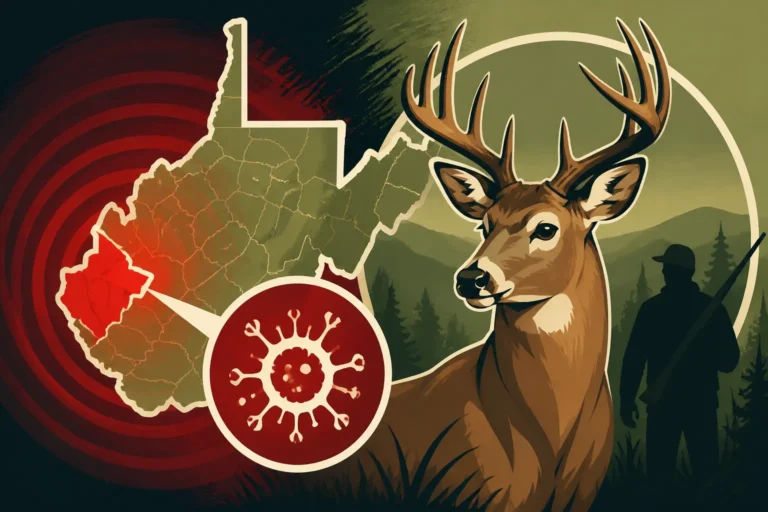
Beyond acute illnesses, chronic diseases like Chronic Wasting Disease (CWD) pose an even more insidious threat. CWD is a neurological disease that slowly degrades an animal's brain, ultimately leading to death. It's a game-changer for deer management, and every sighting of a potentially CWD-infected animal is critical. Without diligent reporting from hunters, it's incredibly difficult for the West Virginia Division of Natural Resources (WVDNR) to map the spread and implement management strategies to slow its progression and protect future generations of deer.
Safeguarding Hunter Health and Venison Quality
As hunters, we connect with nature in a very tangible way, and that includes harvesting animals for food. The last thing any hunter wants is to process an animal only to find it riddled with disease or to wonder if the meat is safe to consume. Reporting sick animals directly contributes to your own safety and the quality of the venison you put on your table. If the WVDNR can track diseases, they can provide better guidance on harvest practices, specific testing requirements, and areas to be aware of.
Consider the ongoing challenge of CWD. While there's no conclusive scientific evidence of CWD transmitting to humans, health organizations still advise against consuming meat from CWD-positive animals. Knowing that you're hunting in an area with a higher prevalence of CWD or being able to test your harvested animal is invaluable. Your reports help inform these public health recommendations and provide a clearer picture for all hunters. This is also relevant when you're considering Handling Venison From a CWD Containment Area, as specific precautions are often advised.
Understanding the Role of the WVDNR
The WVDNR is the agency tasked with managing West Virginia's vast and diverse wildlife resources. They employ biologists, conservation officers, and other specialists who monitor animal health, conduct research, and respond to disease outbreaks. When you report a sick animal, you're essentially acting as an extra set of eyes and ears for these professionals. They can't be everywhere at once, and our vast public lands, like those you might explore while Scouting West Virginia Public Land Before Season, mean that many areas go largely unmonitored for day-to-day animal health.
Your detailed observations help the WVDNR prioritize their response. They might collect samples, test carcasses, or track the movement of disease within a specific area. This information is then used to inform hunting regulations, provide public advisories, and develop long-term management plans. It’s a cooperative effort, and hunters are absolutely essential to the success of West Virginia Wildlife Disease Monitoring programs.
Recognizing Signs of Illness in West Virginia Wildlife
It's natural to wonder, "Is this animal actually sick, or is it just acting weird?" Many wildlife behaviors can seem unusual to the untrained eye, but there are some clear red flags that suggest an animal is suffering from illness. Knowing what to look for can make your report more accurate and helpful.
Common Diseases and Their Symptoms
Wildlife diseases manifest in various ways, but many share common symptoms. Keep an eye out for these general signs of distress or abnormal behavior:
- Changes in Behavior: An animal that is unusually tame, disoriented, circling, stumbling, or exhibiting a lack of fear towards humans or other animals is a major red flag. They might seem lethargic, unresponsive, or conversely, overly aggressive or agitated without provocation.
- Physical Appearance: Look for emaciation (being extremely thin with visible ribs or hip bones), dull or ruffled coat, hair loss, skin lesions, tumors, or abnormal growths. Discharge from the eyes, nose, or mouth is also a sign of infection.
- Respiratory Issues: Difficulty breathing, coughing, sneezing, or nasal discharge can indicate respiratory infections.
- Limping or Lameness: While an animal could be injured, persistent lameness without an obvious wound might indicate a deeper infection or neurological issue.
- Repeated Yawning or Drooling: Excessive drooling, especially in conjunction with neurological symptoms, can be a sign of serious illness like rabies in mammals.
For example, when hunting coyotes or foxes, if you see one with significant hair loss, scabby skin, and looking generally miserable, it could be mange. Mange in West Virginia Coyotes and Foxes is a common parasitic skin disease that can severely debilitate these animals. Similarly, in birds, lethargy, ruffled feathers, and difficulty flying could indicate something like Avian Influenza. Keeping an eye out while hunting Squirrel and Small Game Hunting in West Virginia can reveal issues in smaller species, too.
When to Be Concerned Versus Normal Behavior
It's important to distinguish between a genuinely sick animal and one that might simply be injured, old, or reacting to human presence. A deer that bounds off with a slight limp after you spook it might just have taken a bad step, not be diseased. An old buck with a worn coat in late winter might just be at the end of its natural life cycle or stressed from the rut, not necessarily carrying a specific disease.
Consider the context:
- Is the animal showing multiple symptoms, or just one?
- Is its behavior consistently abnormal, or a one-off reaction?
- What time of year is it? Animals can look rough after the rut or a hard winter.
- Is there an obvious injury (e.g., hit by a car) versus no clear cause for the distress?
When in doubt, it’s always better to report and let the experts assess the situation. The WVDNR would much rather receive a report that turns out to be nothing than miss a critical early warning sign of a widespread disease.
Specific Concerns: CWD and Rabies
While many diseases affect West Virginia wildlife, two in particular warrant heightened awareness due to their severity and implications for public health and hunting: Chronic Wasting Disease (CWD) and rabies.
Chronic Wasting Disease (CWD): This fatal neurological disease primarily affects deer, elk, and moose. In West Virginia, it has been confirmed in several counties, particularly in the Eastern Panhandle. West Virginia's Chronic Wasting Disease Counties are continually monitored, and it's vital for hunters in these areas to be especially vigilant. Symptoms of CWD can include:
- Excessive salivation and drooling
- Extreme weight loss (hence "wasting" disease)
- Lack of coordination, stumbling, or unusual gait
- Listlessness and difficulty standing
- Lowered head and blank stare
- Increased thirst and urination
- Changes in behavior, such as a loss of fear of humans
These symptoms often become apparent in the later stages of the disease, making early detection by hunters crucial for containment efforts.
Rabies: This viral disease affects the central nervous system of mammals and is almost always fatal once symptoms appear. It can be transmitted to humans through the bite or scratch of an infected animal. While often associated with foxes, raccoons, skunks, and bats, any mammal can carry rabies. Look for:
- Unusual aggression, acting fearless or attacking without provocation
- Staggering or stumbling gait
- Excessive salivation or foaming at the mouth
- Paralysis, especially in the hind legs
- Nocturnal animals active during the day
If you encounter an animal exhibiting these symptoms, do not approach it. Rabies is a serious public health threat, and immediate reporting is paramount.
Your Step-by-Step Guide to Reporting a Sick Animal
Okay, you've seen something concerning. What now? Don't just walk away and hope someone else handles it. You, as a responsible hunter, can make a difference. The process is straightforward, but it requires a bit of caution and good information gathering.
Initial Observations and Safety First
Before you even think about making a call, take a moment to observe the animal from a safe distance. This is absolutely critical, especially if rabies or aggressive behavior is suspected. Never approach, touch, or handle a sick or dead animal. Your safety, and the safety of anyone with you, is the top priority.
From a safe vantage point, try to gather as much information as possible without disturbing the animal further. Jot down notes if you can, or mentally log these details:
- Animal Species: Is it a deer, bear, fox, turkey, etc.?
- Location, Location, Location: This is paramount. Be as specific as possible. What county? What WMA or forest area? Is it near a specific road, landmark, or trail marker? Using a GPS device or a mapping app like GoHunt on your phone to drop a pin on your exact location can be incredibly helpful. If you're on public land, mention if it's within Monongahela National Forest Hunting boundaries or a particular WMA.
- Date and Time of Observation: Even an approximate time helps.
- Observed Symptoms: Detail what you saw. "Deer was staggering and drooling," "Fox had significant hair loss and was very thin," "Turkey had large lesions on its head."
- Animal's Condition: Is it alive or dead? If alive, is it moving, or bedded down? If dead, how long does it appear to have been there (fresh vs. decomposed)?
- Presence of Others: Were other animals nearby? Did they exhibit similar symptoms?
The more precise you can be with these details, the more effective the WVDNR's response can be.
Contacting the Right Authorities
Once you have your information, it's time to make the report. In West Virginia, your primary point of contact for sick or diseased wildlife is the WVDNR.
Here's how to reach them:
- WVDNR District Offices: West Virginia is divided into several WVDNR districts, each with an office. This is often the most direct way to speak with a biologist or conservation officer familiar with your specific area. A quick online search for "West Virginia DNR district office [your county]" will usually bring up the contact information.
- WVDNR General Contact Number: If you're unsure which district office to call, or if it's after hours, the main WVDNR phone number can connect you or direct you to the appropriate personnel.
- Conservation Officer: If you happen to know your local conservation officer's contact information (perhaps you've met them in the field), they are an excellent resource. They are intimately familiar with their patrol areas. This is also the number you'd use for something like Reporting a Poacher in West Virginia.
- County Health Department (for suspected rabies): If you strongly suspect rabies, especially if there has been potential human or domestic animal exposure, you should also consider contacting your local county health department in addition to the WVDNR.
Important Note: Do not use social media or forums to report sick animals. While these platforms can spread awareness, they are not official channels for immediate response or data collection by wildlife agencies.
What Information to Provide When You Call
When you get someone on the phone, be prepared to calmly and clearly relay all the information you gathered.
Start with your name and contact information, as they may need to follow up with you. Then, systematically go through your observations:
- "My name is [Your Name], and I'm calling to report a sick animal I observed today."
- "I saw a [species of animal] at approximately [time] on [date]."
- "The animal was located near [be specific: street address, road name, nearest intersection, WMA name and specific trail/feature, GPS coordinates if you have them from GoHunt]."
- "The animal was exhibiting these symptoms: [list all observed symptoms clearly, e.g., 'staggering, had discharge from its eyes, and was very thin']."
- "It was [alive/dead] when I observed it. If alive, describe its current behavior. If dead, describe its state of decomposition."
- "I did not approach or touch the animal, and I ensured my safety."
Be ready to answer any follow-up questions they might have. They may ask about the terrain, presence of water, or other factors that could be relevant to the animal's condition or the logistics of sending someone to investigate. Your patience and clear communication are key here.
| Symptom Category | Examples of Concern | Immediate Action |
|---|---|---|
| Behavioral | Disorientation, staggering, aggression, unusual tameness, circling, lethargy | Report WVDNR, maintain distance. |
| Physical Appearance | Emaciation, hair loss, skin lesions, tumors, discharge from orifices, ruffled feathers | Report WVDNR, do not touch. |
| Neurological | Paralysis, seizures, head tilting, foaming at mouth | High concern for rabies. Report WVDNR & County Health, extreme caution. |
| Respiratory | Coughing, sneezing, difficulty breathing | Report WVDNR, maintain distance. |
| Deceased Animals | Fresh carcass with no obvious trauma, signs of disease | Report WVDNR, do not touch or move. |
What Happens After You Report a Sick Animal
Once you've made your report, you might wonder what the next steps are from the WVDNR's perspective. It's not always an immediate response, but rest assured, your information is valuable and contributes to a larger effort.
The WVDNR's Response and Investigation
The WVDNR triages reports based on severity, location, and suspected disease. Not every report will result in a field visit, especially if the animal is deceased and heavily decomposed, or if the symptoms are ambiguous. However, reports of animals suspected of carrying highly contagious diseases (like CWD) or those posing a public health risk (like rabies) will often receive a more rapid response.
Here's what might happen:
- Assessment: A WVDNR biologist or conservation officer will assess your report, often cross-referencing it with other reports in the area or known disease outbreaks. They might consult with veterinarians or disease specialists.
- Field Investigation: If warranted, a WVDNR representative will visit the reported location. They might attempt to locate the animal, observe it further, or, if it's deceased, collect tissue samples for laboratory analysis. This is why your precise location data, perhaps captured with a tool like GoHunt, is so important.
- Data Collection: Information from your report, along with any findings from a field investigation and lab results, will be logged into the WVDNR's wildlife disease monitoring database. This data helps them track the prevalence and geographic spread of diseases. This is a critical component of West Virginia Wildlife Disease Monitoring.
- Public Advisories: If a new or widespread disease outbreak is confirmed, the WVDNR may issue public advisories to hunters, landowners, and the general public, providing guidance on safety and recommended actions.
It's important to have realistic expectations. The WVDNR manages a massive amount of land and wildlife with finite resources. They prioritize threats, and your detailed report helps them do that effectively.
How Reporting Contributes to Wildlife Management
Each report of a sick or dead animal is a puzzle piece in the larger picture of West Virginia's wildlife health. Over time, these individual reports allow the WVDNR to:
- Identify Disease Hotspots: By mapping reports, they can pinpoint areas where a particular disease is more prevalent, allowing for targeted management efforts, such as increased CWD testing in certain counties, or specific population control measures.
- Track Disease Spread: Understanding how diseases move across the landscape helps predict future impacts and implement preventative measures. For instance, tracking the progression of CWD from Why Hampshire County Became West Virginia's CWD Ground Zero has been critical.
- Inform Regulations: Data on wildlife diseases can directly influence hunting seasons, bag limits, and carcass transport regulations, particularly in areas affected by diseases like CWD. The West Virginia Carcass Movement Restrictions are a direct result of these monitoring efforts.
- Protect Public and Hunter Safety: Knowing which diseases are active and where allows the WVDNR to provide accurate information and precautions to hunters, ensuring that those pursuing West Virginia's Black Bear Comeback or White-Tailed Deer Across West Virginia can do so as safely as possible.
- Evaluate Population Health: The presence and spread of certain diseases can be an indicator of overall population health and habitat quality. Persistent disease issues might prompt further research into environmental factors affecting wildlife. This data also contributes to the understanding captured in West Virginia Deer Harvest Records.
Continuing Your Hunt Safely and Responsibly
After reporting a sick animal, you should, of course, continue your hunt with heightened awareness.
- Remain Vigilant: Keep an eye out for any further signs of illness in other animals. One sick animal might indicate a cluster.
- Practice Good Field Hygiene: Always wear gloves when field dressing any animal. Wash your hands thoroughly with soap and water (or use hand sanitizer) before and after handling game. Clean your knives and equipment meticulously.
- Avoid Problem Areas: If the WVDNR confirms a significant disease outbreak in a specific area, you might choose to hunt elsewhere or take extra precautions.
- Trust Your Gut: If you harvest an animal that, upon closer inspection, appears sick or unhealthy after the shot, report it to the WVDNR immediately. They can advise you on whether testing is necessary or if the carcass should be disposed of responsibly. Do not try to salvage meat from an obviously diseased animal.
By being proactive, observant, and responsible, you are not just a hunter; you are a vital conservation partner, helping to ensure the long-term health and vitality of West Virginia's incredible wildlife heritage.
Disclaimer
This article is for general informational purposes only and does not constitute professional advice. Laws, prices and regulations vary by location and change over time. Consult a qualified professional for guidance on your specific situation.