West Virginia Elk Herd Growth Since Reintroduction
For many years, the idea of wild elk roaming the ridges and hollows of West Virginia felt like a distant dream, a whisper of a bygone era. It was hard to imagine the sheer scale and majesty of these animals thriving in our state again, especially when all we knew were stories of their historical absence. Yet, thanks to incredible efforts and a lot of dedicated conservation work, that dream has become a vibrant reality. This guide dives deep into the remarkable journey of West Virginia's elk herd, exploring how they went from a distant memory to a growing, thriving population in the Mountain State.
From Ghost to Grandeur: The Story of West Virginia's Elk Reintroduction
It’s easy to forget that West Virginia wasn’t always just about whitetail deer and black bears. Our mountains once echoed with the bugle of the magnificent elk. But, as with so much of our wildlife heritage, human impacts led to their extirpation. Understanding this history is crucial to appreciating the monumental task and success of bringing them back.
Why Elk Disappeared from the Mountain State
The story of elk disappearing from West Virginia is a familiar one across much of the eastern United States. By the late 1800s, unchecked hunting pressure, coupled with widespread habitat destruction from logging and settlement, had pushed elk out of the state entirely. The vast, unbroken forests that once supported these large herbivores were fragmented, and their numbers dwindled until there were none left. It wasn't just West Virginia; elk were virtually wiped out east of the Mississippi River. This loss left a void, not just ecologically, but in the collective memory of what our wild places once held. For generations, the only elk most folks saw were in western documentaries or zoos.
Imagine growing up hearing tales of massive deer-like animals with huge antlers, knowing they once roamed your backyard, but were long gone. That's the reality for many older West Virginians. The landscape changed, and with it, the wildlife it supported. Recovering something lost on such a grand scale seemed like an impossible feat for many, especially given the challenges of modern development and land use.
The Vision for Restoration: Bringing Elk Back
Despite the historical challenges, the idea of elk restoration in West Virginia simmered for decades among wildlife enthusiasts and conservationists. The dream wasn't just about bringing back a species; it was about restoring a piece of the state's natural heritage and enhancing biodiversity. The vision gained serious momentum as success stories from neighboring states like Kentucky and Pennsylvania, which had undertaken their own reintroduction programs, began to emerge. These programs proved that with careful planning, suitable habitat, and public support, elk could indeed thrive in the East again.
The West Virginia Division of Natural Resources (WVDNR) began extensive studies to identify suitable habitats, assess public opinion, and secure funding. This wasn't a quick decision; it involved years of research into habitat carrying capacity, potential disease risks, and socioeconomic impacts. A huge part of this vision involved finding the right location, a place with expansive tracts of land, diverse forage, and minimal human-elk conflict potential. This led to focusing on the reclaimed surface mines and vast forested areas in the southern part of the state.
The First Steps: Sourcing and Release
With the groundwork laid, the actual reintroduction began. This crucial phase involved careful selection and transport of elk from established, healthy herds in other states. Kentucky, with its robust and successful elk population, became a primary source. The first releases were monumental events, a true turning point in West Virginia's wildlife history. Imagine the excitement and anticipation of seeing those first animals step out of their transport trailers and onto West Virginia soil, free to roam once more.
These initial elk weren't just randomly dropped off. They were meticulously handled, undergoing health screenings and fitted with GPS collars to allow biologists to track their movements, monitor their health, and observe their adaptation to their new home. This tracking was vital for understanding their dispersal patterns, preferred habitats, and overall survival rates. It was a careful, scientific endeavor, built on the lessons learned from other successful reintroductions. The hope was that these initial groups would form the core of a new, self-sustaining population. How Elk Returned to Southern West Virginia details more about this process.
Measuring Success: Milestones in Elk Herd Growth
The reintroduction of elk was merely the first chapter. The true test lay in their ability to survive, reproduce, and ultimately thrive. Thankfully, the story of West Virginia's elk herd has been one of consistent, encouraging growth, marked by several significant milestones.
Key Factors Driving Population Increase
Several critical factors have contributed to the impressive growth of West Virginia's elk herd. First and foremost is the availability of ideal habitat, particularly within the reclaimed surface mine lands and surrounding forests of the southern coalfields. These areas offer a mosaic of open grasslands, regenerating timber, and abundant forage, providing both feeding grounds and secure cover. The combination of early successional plants and diverse browse has proven to be a buffet for elk, allowing them to gain weight and remain healthy.
Another major factor is the robust health and genetic diversity of the source animals, primarily from Kentucky. These elk arrived in excellent condition and quickly adapted to West Virginia's similar Appalachian environment. Furthermore, strategic management practices by the WVDNR, including initial protection from hunting and continuous monitoring, have played a crucial role. They've focused on ensuring the herd's survival and growth before considering any broader recreational opportunities. Reduced predation pressure, compared to some western states, has also benefited calf survival rates, giving the young elk a better chance to reach maturity.
Challenges and Adaptations in a New Home
While the growth has been impressive, it hasn't been without its challenges. Elk, like any large wildlife species, face hurdles in a modern landscape. One ongoing challenge is navigating human-wildlife interactions, particularly as the herd expands and moves closer to agricultural areas or infrastructure. While the initial release sites were chosen for their remoteness and habitat suitability, elk don't always stay put. They explore, and sometimes that exploration brings them into contact with fences, roads, or private property where they might not be welcomed.
Disease monitoring is another critical aspect, with ongoing surveillance to ensure the herd remains healthy and to prevent the spread of any potential illnesses. The WVDNR continually works on habitat improvements, ensuring a consistent food supply and good cover as the herd grows and its needs evolve. Adapting to the Appalachian terrain, with its steep hollows and dense forests, has been a natural process for these resilient animals, proving their adaptability to a new, yet historically familiar, environment.
| Milestone Event | Description | Impact on Herd Growth |
|---|---|---|
| Initial Reintroductions | Transport and release of elk from established herds (e.g., Kentucky) | Established the foundational breeding stock for the West Virginia herd. |
| First Calves Born | Documented births of elk calves on West Virginia soil | Proved successful breeding and adaptation to the local environment. |
| Population Milestones | Reaching target population numbers (e.g., 500, 1000 animals) | Indicated exponential growth and sustained reproduction within the herd. |
| Habitat Expansion | Documented elk movement into new counties and habitat types | Signified a healthy, expanding population utilizing broader areas. |
| Hunter Engagement Begins | Introduction of limited hunting opportunities (e.g., lottery permits) | Acknowledged herd health, provided management tools, and generated revenue. |
| Public Viewing Opportunities | Established viewing areas and educational programs | Increased public awareness, support, and appreciation for the elk. |
Tracking the Numbers: Population Estimates and Trends
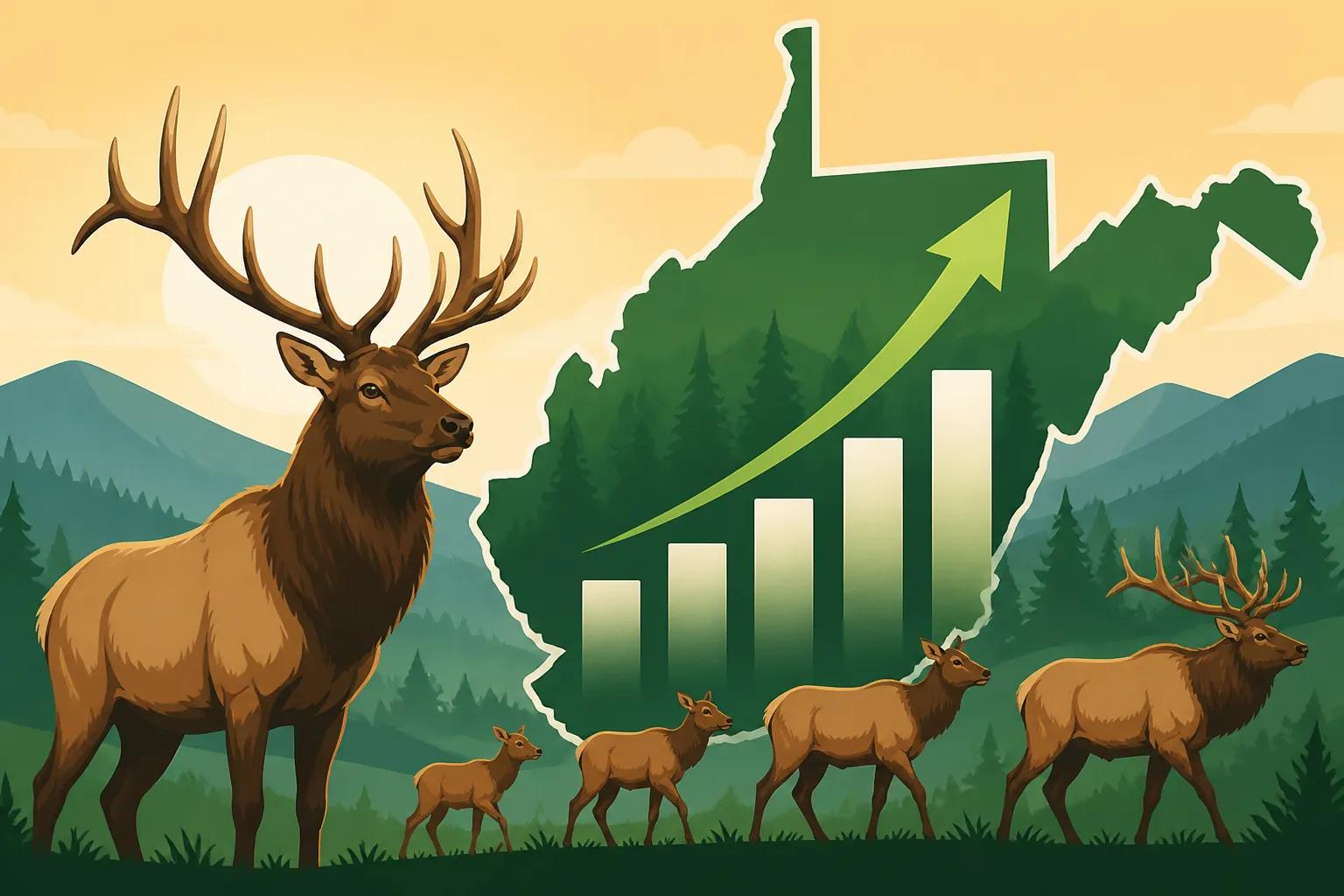
For biologists and enthusiasts alike, tracking the actual numbers is key to understanding the success of the reintroduction. The WVDNR uses a variety of methods to estimate the elk population, including aerial surveys, trail camera data, and observations from collared animals. While exact numbers fluctuate and are constantly being refined, the overall trend has been one of steady and substantial growth. From those initial few dozen animals, the herd has expanded considerably, exceeding many initial projections. How Many Elk Live in West Virginia Today delves deeper into these population metrics.
The growth hasn't been linear; there are always environmental factors like harsh winters or mast crop failures that can influence year-to-year recruitment. However, the overarching trend indicates a healthy, reproductively successful herd. This means more calves are being born, and a high percentage of them are surviving to adulthood, adding to the overall population. Biologists continue to monitor these trends closely, using tools like GoHunt and other mapping applications to analyze habitat use and movement patterns, which are crucial for making informed management decisions.
Looking Ahead: The Future of West Virginia's Elk
The success of the elk reintroduction in West Virginia is a testament to dedicated conservation efforts, but the work is far from over. As the herd continues to grow, so do the opportunities and responsibilities associated with managing this magnificent species for the long term.
Expanding the Range and Habitat
With a thriving core population, a natural progression is the expansion of the elk's range beyond the initial release sites. Elk are wanderers, and as their numbers increase, they will naturally seek out new territories, driven by the need for forage and new breeding grounds. This expansion will likely see them utilizing adjacent public and private lands, pushing the boundaries of what was once considered "elk country." The WVDNR is actively studying potential expansion corridors and identifying additional suitable habitat. This often involves looking at large, unfragmented blocks of forest, particularly those with a mix of timber stands and open areas, similar to the reclaimed lands they currently inhabit.
This expansion could eventually lead to elk establishing populations in other parts of the state where historical habitat existed, bringing new viewing opportunities to different regions. However, it also requires careful planning to minimize conflicts with agriculture and urban development. Habitat connectivity is a big part of this, ensuring that elk can move safely between different patches of suitable land. Hunting the Southern Coalfields might give some insights into the broader ecological context of these expansion areas.
Management Strategies for a Growing Herd
As the elk herd continues to grow, effective management strategies become increasingly vital. The goal shifts from simply establishing a population to maintaining a healthy, balanced ecosystem. This involves balancing herd numbers with available habitat, preventing overgrazing, and mitigating potential conflicts with human interests. Limited, controlled hunting seasons are a key tool in modern wildlife management, helping to regulate populations, ensure herd health, and generate revenue for conservation efforts. West Virginia Elk Restoration Program Status explains the broader goals behind these management efforts.
The WVDNR will continue to use scientific data, including population estimates, habitat assessments, and public input, to determine the appropriate management actions. This might include targeted habitat improvements, managing forage availability, and possibly even translocating elk to establish new satellite herds in carefully chosen areas. Technology plays a big role here; tools like GoHunt can help hunters and biologists understand land ownership, terrain, and habitat features, informing both hunting strategy and management decisions. Education and outreach to landowners and the general public will also be critical to fostering coexistence and support for the growing elk population.
The Role of Hunters and Conservation
Hunters have historically been, and continue to be, some of the most dedicated conservationists, and their role in the future of West Virginia's elk herd is indispensable. The reintroduction and ongoing management of elk are costly endeavors, funded in large part through hunting license sales and excise taxes on hunting equipment. When the state eventually moves to more regular elk hunting opportunities, hunters will directly contribute to the financial sustainability of the program through permit fees and related economic activity.
Beyond financial contributions, hunters are often the eyes and ears in the woods, providing valuable observations that can aid biologists in monitoring the herd. Responsible hunting, guided by science-based regulations, will ensure that the elk population remains healthy and robust for generations to come. It’s an exciting time to be a West Virginia outdoors enthusiast, with the chance to witness, and perhaps one day even participate in, the management of these magnificent creatures. For those looking to support conservation or find ways to engage with the elk program, keeping up with WVDNR announcements and contributing to wildlife organizations is always a great step. Even just observing and appreciating Elk Viewing in West Virginia responsibly helps foster a connection to these incredible animals.
Disclaimer
This article is for general informational purposes only and does not constitute professional advice. Laws, prices and regulations vary by location and change over time. Consult a qualified professional for guidance on your specific situation.