Resident Goose Problems Near Charleston
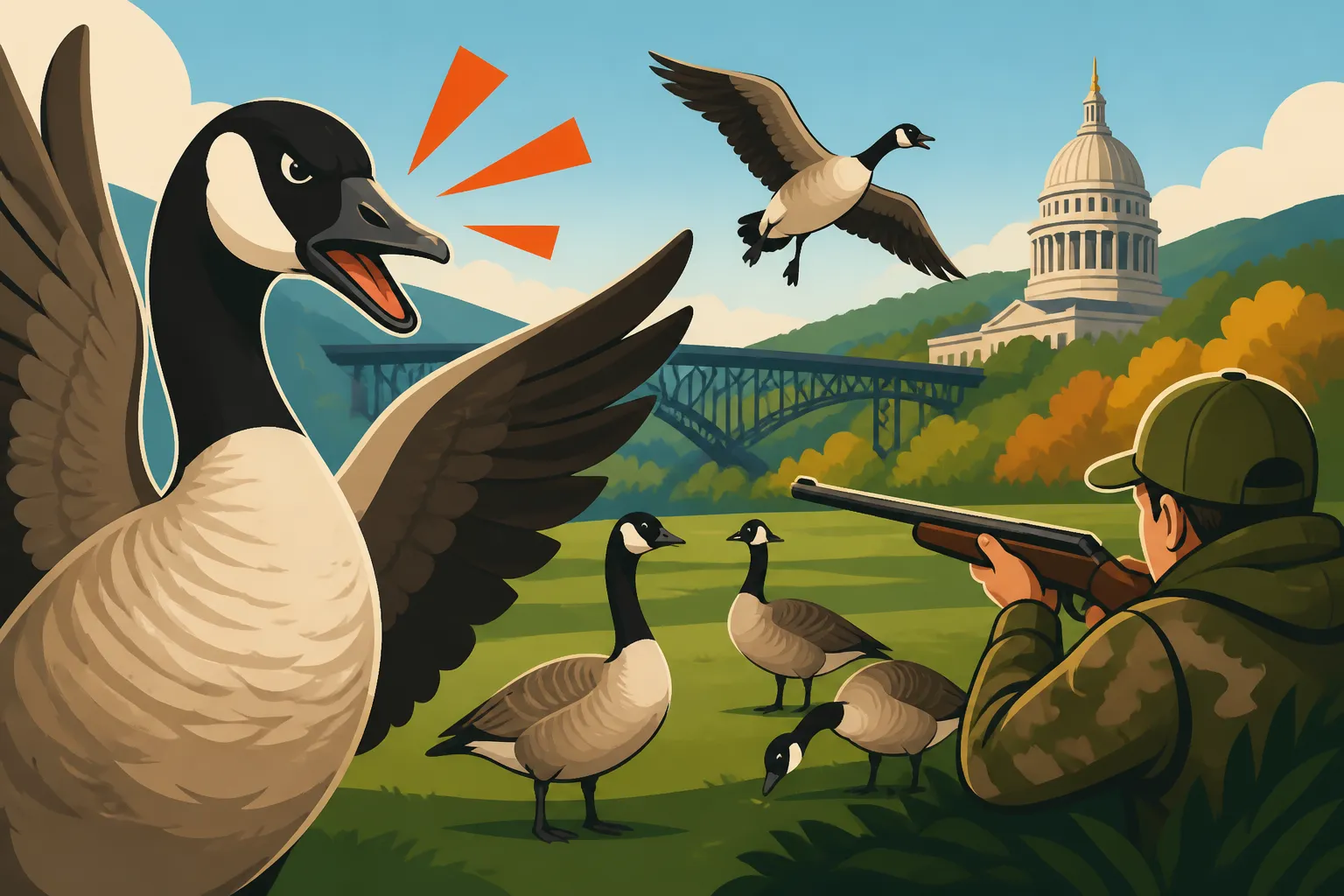
For anyone living near Charleston, especially those with a lawn, a pond, or even just a park nearby, you've probably noticed it: Canada geese are everywhere. What once felt like a majestic seasonal visitor has, for many, turned into a persistent, messy, and sometimes destructive nuisance. This guide will walk you through why these resident goose populations have exploded around West Virginia's capital city, the real problems they cause, and how communities and individuals can manage their impact, including the role ethical hunting can play.
Understanding the Rise of Resident Geese in Charleston's Urban Landscape
It's easy to assume all Canada geese are simply passing through, following ancient migratory routes to and from their breeding grounds. And for a long time, that was largely true. However, over recent decades, a significant shift has occurred, especially in areas like the Kanawha Valley around Charleston. We're seeing more and more geese that simply don't leave, becoming permanent fixtures in our neighborhoods and green spaces.
The Shift from Migratory to Year-Round Residents
Historically, the Canada goose was primarily a migratory species, moving north in the spring to nest and south in the fall to warmer climates. These birds were known for their V-formations across the sky and the tell-tale honk signaling changing seasons. However, decades of management efforts to reintroduce geese, coupled with significant changes to the landscape, have given rise to a distinct population known as "resident" Canada geese. These aren't the same birds that fly all the way to Canada; they're descendants of transplanted or locally hatched geese that have found everything they need right here, year-round. They have no natural inclination to migrate because their immediate environment provides abundant food, safety from predators, and plenty of nesting sites. They're comfortable with human presence and often become quite bold. This phenomenon isn't unique to Charleston, but our city's particular blend of river, parks, and suburban development makes it an ideal year-round home.
Why the Kanawha Valley Offers a Perfect Home
Just think about the Kanawha Valley, particularly around Charleston. We have a major river, the Kanawha, which offers vast stretches of open water for roosting and escape. Alongside it, you find numerous well-manicured lawns, golf courses, corporate parks, and recreational fields – essentially, an endless buffet of short, tender grass that geese absolutely adore. These areas are often adjacent to calm ponds, retention basins, or slow-moving creeks, providing ideal, predator-free nesting sites. Unlike wilder habitats, urban and suburban areas offer very few natural predators that can effectively control goose populations. Foxes and coyotes might take an occasional gosling, but they can't significantly impact the sheer numbers of adult geese thriving in these sheltered environments. The consistent food supply, lack of significant predation, and easy access to water mean that a goose hatched in Coonskin Park or by a corporate office pond has very little reason to ever leave. It's a truly ideal, year-round goose paradise, inadvertently created by human landscaping and development.
The Tangible Impacts of Overabundant Goose Populations on Charleston
While a few geese might seem charming, when their numbers explode, they bring with them a host of significant problems. From environmental degradation to direct impact on our daily lives, resident geese are far more than just a minor inconvenience.
Ecological Concerns and Water Contamination
One of the most immediate and serious problems caused by large goose populations is their impact on water quality. Geese are prolific defecators, and their droppings are incredibly rich in nutrients like phosphorus and nitrogen. When hundreds, or even thousands, of geese congregate around ponds, lakes, and even the Kanawha River, these nutrients are washed into the water. This can lead to what's known as eutrophication, where excess nutrients cause rapid algae blooms. These blooms can deplete oxygen levels in the water, harming fish and other aquatic life. Furthermore, goose droppings carry bacteria like E. coli and Salmonella, posing potential health risks to humans who might swim, fish, or even simply come into contact with contaminated water. Public swimming areas or fishing spots, popular recreational assets around Charleston, can become unsafe or simply unpleasant due to the sheer volume of goose waste. Think of a local pond turning murky green, or the unpleasant film of algae on the surface – that's often a direct result of too many geese calling it home.
Property Damage and Public Nuisances
Beyond environmental concerns, resident geese cause a great deal of physical damage and create numerous public nuisances. Their incessant grazing can turn a lush, green lawn into a patchy, denuded wasteland. Golf courses, athletic fields, and even private residential yards in areas like South Hills or Kanawha City often bear the brunt of this damage. Imagine trying to host a soccer game or enjoy a picnic on a field covered in goose droppings – it's unhygienic, unsightly, and frankly, gross. The droppings are slippery and can pose a fall hazard, especially on paved paths or near playground equipment. Geese can also become aggressive, particularly during nesting season, chasing people or pets if they feel their nest or goslings are threatened. This aggression, combined with the constant honking and general mess, can significantly reduce the quality of life and enjoyment of public and private green spaces. They can even create traffic hazards as flocks cross busy roadways without much regard for oncoming vehicles.
Economic and Recreational Drawbacks
The problems resident geese cause also have tangible economic and recreational consequences for Charleston. Property managers, homeowners' associations, and municipal parks departments spend significant resources attempting to clean up goose droppings, re-seed damaged turf, and implement various deterrents. This can involve specialized cleaning equipment, increased staffing, or expensive landscaping repairs. Golf courses, for example, might see a drop in membership or play if their greens and fairways are consistently fouled. Recreational activities like picnics, walking trails, or simply relaxing by a pond become less appealing when you're constantly dodging droppings or listening to incessant honking. For waterfowl hunters, the presence of too many non-migratory birds can also dilute the quality of the hunting experience, as true migratory species might be deterred by the already crowded conditions or simply harder to distinguish. The goal for many is to strike a balance, maintaining healthy ecosystems that benefit both wildlife and human residents, rather than allowing one species to dominate and degrade the environment.
Strategies for Effective Resident Goose Management in Urban Settings
Managing resident goose populations effectively requires a multi-faceted approach, combining proactive deterrence with carefully regulated population control. There's no single magic bullet, but a combination of strategies can help bring these numbers back into a more manageable balance.
Non-Lethal Approaches and Deterrence Techniques
For many, the first line of defense against problem geese involves non-lethal methods aimed at making an area less appealing to them. Habitat modification is key here. Think about letting your grass grow longer in areas where geese congregate; they prefer short, easily accessible turf for grazing. Planting tall, dense vegetation around pond edges can create a visual barrier, making geese feel less secure and less likely to settle. Removing easily accessible food sources, like spilled birdseed or improperly secured trash, can also help.
Physical deterrents can include installing fences or netting in strategic areas, especially around nesting sites or vulnerable landscapes. Visual deterrents, such as Mylar balloons, reflective tape, or predator effigies (like coyote cutouts), can sometimes work, though geese are intelligent and often become accustomed to these quickly. Auditory deterrents, like propane cannons or distress calls, can also be employed, but their effectiveness often wanes, and they can be a nuisance to human neighbors. Chemical repellents, which make grass taste bitter to geese, are another option, though they require regular reapplication and can be costly. For serious infestations, some communities employ border collies trained to harass geese without harming them, effectively herding them away from problem areas. The key to any non-lethal deterrent is persistence and variety, continually changing tactics to prevent geese from habituating.
Regulated Hunting as a Population Control Tool
While non-lethal methods are valuable, they often aren't enough to control booming resident goose populations. This is where regulated hunting plays a crucial, often misunderstood, role. Unlike migratory geese that are carefully managed under international treaties, resident geese fall under specific state and federal guidelines that often allow for more liberal hunting seasons and bag limits. Hunting helps to reduce overall goose numbers, particularly adult birds, which in turn reduces nesting success and gosling production. It also makes geese warier of human presence, encouraging them to use less developed areas. For hunters interested in pursuing waterfowl around Charleston, understanding these regulations is paramount. The seasons for Canada geese, especially the early resident goose season, are often designed to target these local populations before the main migratory flocks arrive. West Virginia Goose Season Dates provides a great overview of when these opportunities occur. These hunting opportunities not only provide a recreational outlet but also contribute directly to managing nuisance populations. Remember, hunting waterfowl also requires a West Virginia Federal Duck Stamp Requirement in addition to your state licenses.
Collaborative Efforts: Local Government and Landowner Involvement
Effective goose management in urban and suburban areas often requires a collaborative effort between individual landowners, community groups, and local government agencies. For example, if a community pond is overrun with geese, the local municipality might work with residents to implement a comprehensive management plan. This could involve a combination of habitat modification, egg addling (where eggs are treated to prevent hatching), and, if necessary, allowing controlled hunting on suitable public or private lands. Landowners, whether private citizens or businesses, can play a significant role by adjusting their landscaping practices to be less goose-friendly. Many state wildlife agencies, including the WVDNR, offer technical assistance and guidance on managing nuisance wildlife. Resources like GoHunt mapping tools can be invaluable for identifying property boundaries and potential hunting zones, making it easier for landowners and hunters to coordinate efforts responsibly. It's about collective responsibility and working together to find sustainable solutions that benefit both people and wildlife.
Hunting Resident Geese: Opportunities and Ethical Considerations Around Charleston
For hunters, the burgeoning resident goose population around Charleston presents unique opportunities. However, it also comes with a distinct set of challenges and ethical considerations, especially when operating closer to populated areas.
Navigating Public and Private Land Access for Waterfowl
Hunting resident geese often means hunting in areas that might be less remote than traditional waterfowl hotspots. Around Charleston, this could involve access to agricultural fields adjacent to the Kanawha River, managed green spaces, or even specific designated hunting zones within larger public lands. Securing access to private land is often the most productive avenue for resident goose hunting. This means talking to farmers, landowners with large ponds, or managers of corporate parks. Be polite, explain your intentions (emphasizing population control), and always get explicit permission. Remember, Do You Need Written Permission in West Virginia? is a good question to ask yourself before stepping onto private ground.
Public land options might be more limited near Charleston's immediate urban core, but they do exist further out. Wildlife Management Areas (WMAs) in surrounding counties could offer opportunities, though they might require more scouting to find active goose areas and to understand specific WMA rules. Using mapping applications like GoHunt can be incredibly helpful here, allowing you to identify public land boundaries, potential roosting sites, and travel corridors between water and feeding areas. Always be aware of safety zones around residences and occupied buildings, as discharging a firearm too close to these can be illegal and dangerous. Hunting Ohio River Valley Bottomland covers similar considerations for larger river systems that attract waterfowl.
Understanding West Virginia's Goose Season Rules
West Virginia typically offers a few different goose seasons, and it's vital to know which one applies to the birds you're targeting. The early September resident goose season is specifically designed to address these local, non-migratory populations. This season often has more generous bag limits than later seasons, reflecting the need to reduce their numbers. Always check the current West Virginia hunting regulations booklet, available from the WVDNR, for the most up-to-date dates, bag limits, and shooting hours. This information can change year to year, so don't rely on last season's memory. West Virginia Duck Season Dates and West Virginia Goose Season Dates are critical resources.
Beyond the dates and limits, be mindful of specific regulations regarding decoy use, blind construction, and non-toxic shot requirements. In many waterfowl hunting situations, especially over water or on federal lands, non-toxic shot is mandatory. Even if not legally required in a specific spot, it's generally a responsible choice for environmental protection. Understanding the differences between migratory and resident goose behavior is also key to success. Resident geese are often less wary, but they also tend to stay closer to their established routines.
Essential Gear and Safe Hunting Practices
Hunting resident geese, especially near developed areas, demands careful attention to gear and safety. A good waterfowl shotgun, often a 12-gauge, capable of handling larger loads of non-toxic shot, is standard. Decoys, typically full-body or shell Canada goose decoys, are essential for attracting birds, even wary resident ones. You'll also need appropriate clothing, often camouflage, and waders if you plan on retrieving birds from water. For those hunting from shore or in fields, layout blinds can be incredibly effective for concealment. Remember, Layout Blinds and River Boats can be key to a successful hunt.
Safety is paramount. Always know your target and what lies beyond it. Be acutely aware of your surroundings, especially if you're hunting near roads, houses, or other public spaces. Clear communication with hunting partners is critical. Pack a well-stocked first-aid kit, and always inform someone of your hunting plans and expected return time, particularly if you're heading to a less-traveled area. Waders for River Bottom Hunting and Decoy Spreads for Ohio River Divers are great resources for practical gear advice. Finally, respectful and ethical conduct is always expected; retrieve all downed birds, leave no trash behind, and ensure you're representing the hunting community positively.
Charleston's resident goose population, while a testament to conservation successes, now presents real challenges. By understanding the causes, recognizing the impacts, and embracing a balanced approach to management that includes both deterrence and regulated hunting, we can work towards a healthier equilibrium for our communities and our wildlife.
| Problem Caused by Resident Geese | Common Impacts in Charleston Area | Management Strategies |
|---|---|---|
| Water Contamination | Algae blooms in ponds, E. coli risk in Kanawha River, unpleasant swimming areas. | Habitat modification (longer grass), deterring access to water, regulated hunting to reduce numbers. |
| Property Damage | Graze damage on lawns, golf courses, athletic fields; costly re-seeding. | Chemical repellents, physical barriers (fencing), trained border collies. |
| Public Nuisance | Excessive droppings on paths/parks, aggressive behavior during nesting, honking noise. | Visual/auditory deterrents (with caution), egg addling, regulated hunting. |
| Ecological Imbalance | Outcompeting other bird species, degrading wetland habitats. | Integrated management plans involving WVDNR, local government, and landowners. |
| Safety Concerns | Slippery droppings leading to falls, geese on roadways. | Targeted deterrents near high-traffic areas, public awareness campaigns. |
Disclaimer
This article is for general informational purposes only and does not constitute professional advice. Laws, prices and regulations vary by location and change over time. Consult a qualified professional for guidance on your specific situation.