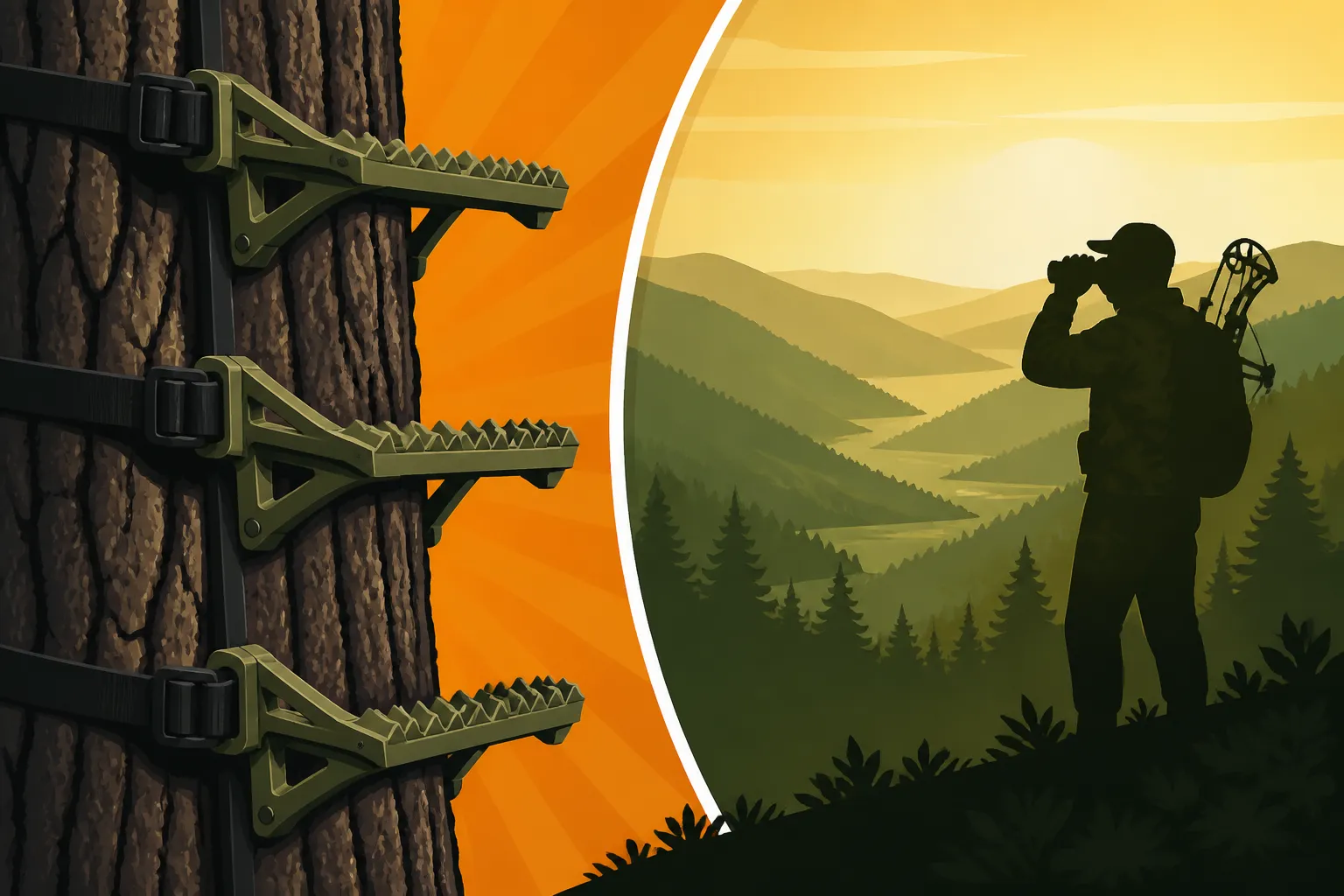
Climbing Sticks for Rough Bark
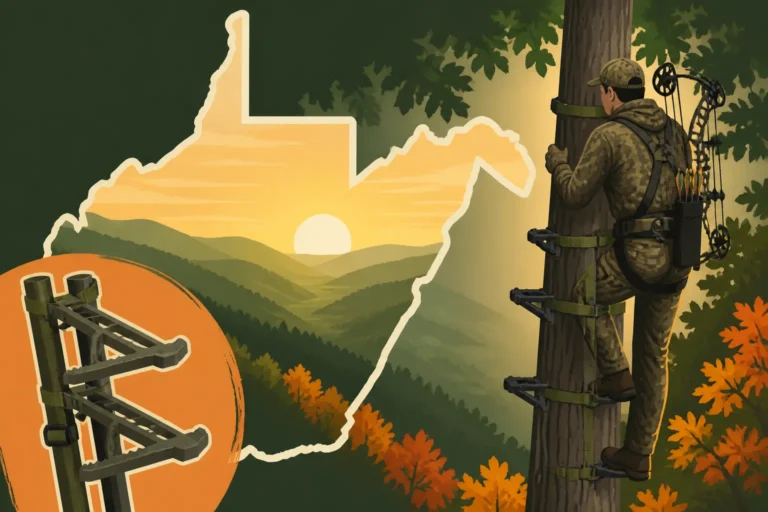
Let's be real, navigating West Virginia's hunting grounds means you're often staring up at some truly magnificent, but equally challenging, trees. Their bark, gnarly and thick from decades of weathering mountain winds and snow, can make setting up your climbing sticks a frustrating dance between stability and sheer willpower. This guide is all about tackling that common problem head-on, helping you understand how to choose and use climbing sticks that won't let you down on even the roughest, most stubborn hardwoods.
The Unique Challenge of West Virginia's Trees
Hunting in West Virginia is an experience like no other, but it comes with its own set of environmental considerations. Our forests are diverse, ancient, and often incredibly rugged. While this makes for fantastic habitat, it also means that the trees you're looking to hang a stand on aren't always going to cooperate with standard gear.
Understanding Different Bark Textures
Think about the classic West Virginia forest. You're going to encounter towering white oaks with their deeply furrowed, almost shaggy bark, or old hickories whose bark peels in long, vertical strips. Then there are the red oaks, still rough but maybe a little less aggressive, and sometimes even the smoother, slicker poplars or maples. Each of these bark textures presents its own unique challenge when you're trying to secure a climbing stick. A stick that might bite perfectly into a younger, smoother oak in another region could easily slip and spin on the loose, heavy bark of a mature Allegheny hardwood. The deep furrows can create voids where traditional V-brackets can't get a solid purchase, leading to an unstable and frankly, dangerous, climb. It's not just about the tree species; even within the same species, a mature tree will have much rougher bark than a younger one, and it's those big, mature trees that often hold the biggest bucks.
Why Standard Sticks Fall Short
Most entry-level or even mid-range climbing sticks are designed with a more generalized tree in mind. They often rely on a relatively smooth, consistent surface for their straps to grip and their V-brackets to seat securely. When you introduce them to the deeply textured, often irregular surfaces found on a mature West Virginia oak or hickory, you start running into problems.
Firstly, the straps can struggle to find consistent tension. The rough bark can abrade the straps, causing wear over time, or simply not allow the strap to cinch down tightly enough across the uneven surface. Secondly, the V-brackets or tree-contact points that are meant to cradle the tree can't get a full, firm bite. Instead of a stable three-point contact, you might only have two points, or worse, the stick can pivot on a single high point of bark. This results in sticks that might shift horizontally, rotate on the tree, or even "walk" down the trunk as you ascend. Not only is this unnerving and loud – a major issue when you're trying to be stealthy – but it's a serious safety concern. You definitely don't want to be halfway up a tree on a crisp November morning, feeling your stick give way underfoot. It compromises your confidence, your safety, and ultimately, your hunt.
Features to Look for in Rough Bark Climbing Sticks
When you're outfitting yourself for hunting West Virginia's rugged terrain, especially if you plan on using climbing sticks to access those prime treestand locations, you need gear that's up to the task. Standard sticks might work in some places, but for our deeply textured trees, you need specific features that enhance grip and stability.
Enhanced Attachment Systems
The real magic for climbing sticks on rough bark often lies in their attachment system. Forget flimsy straps and smooth-faced V-brackets. What you're looking for are innovations that truly bite and hold. Many top-tier sticks now incorporate wider straps, sometimes with rubberized coatings on the inside to increase friction against the bark. These wider straps distribute pressure more effectively and are less likely to slip into deep furrows. Some manufacturers go a step further with dual-strap systems, offering redundancy and a more secure wrap around the tree.
Beyond the straps, pay close attention to the tree-contact points. Aggressive V-brackets, often featuring small, sharp teeth or textured rubber grippers, are a game-changer. These aren't meant to damage the tree, but rather to find purchase in the natural irregularities of the bark. Imagine trying to get a solid purchase on a gnarled old white oak; a smooth bracket will just slide. A bracket with a more aggressive design, however, can dig in just enough to prevent rotation and downward movement, giving you a much more stable platform. When you're scouting for a new treestand location, perhaps following some intel you found on GoHunt or checking out Scouting West Virginia Public Land Before Season, having sticks with these features means you won't have to pass up that perfect, albeit rough-barked, tree.
Material and Construction for Durability
The materials and overall construction of your climbing sticks are also critical, especially when considering the demanding environment of West Virginia hunting. You'll primarily find sticks made from either aluminum or steel. Aluminum sticks are generally lighter, which is a huge advantage when you're packing gear deep into the Monongahela National Forest Hunting or Hunting Steep Allegheny Ridges. Lighter sticks mean less fatigue on those long walks in and out, and easier, quieter setup. However, they need to be constructed robustly to maintain strength.
Steel sticks, while heavier, often offer incredible durability and rigidity. They can sometimes be a bit more forgiving of rough handling or accidental bumps against rocks and trees. Regardless of the material, look for high-quality welds and corrosion-resistant finishes. Our West Virginia weather can be brutal, with damp conditions, freezing rain, and abundant moisture that can quickly lead to rust or material degradation if the finish isn't up to par. Furthermore, the construction should be designed for quiet operation. Loose components, rattling parts, or finishes that squeak against each other are immediate red flags for stealthy hunters. You want a stick that feels solid, doesn't flex excessively, and makes minimal noise during transport and installation.
Stability and User-Friendly Design
Even the best attachment system is only part of the equation; the overall design of the climbing stick needs to contribute to stability and ease of use. Non-slip steps are paramount. Look for steps with aggressive texture, raised edges, or even small serrations that provide secure footing even when your boots are muddy, wet, or icy. Wide steps also offer a more comfortable and secure platform, reducing foot fatigue during the climb.
Offset designs, where the step is slightly away from the main stick body, can provide more space for your boots and make the climb feel more natural. Modular systems that stack or nest together efficiently are also a huge plus for transport. When you're packing your gear into a remote hollow, having sticks that are easy to carry and quick to deploy saves time and energy. Think about how quickly you can get them on the tree and secure them without fumbling, especially in low light conditions. The goal is a system that allows for quick, silent, and most importantly, safe ascent, so you can focus on the hunt, not on fighting your gear. When you're planning your setup, checking out resources like Hanging a Stand on a Steep Allegheny Ridge can give you an idea of the types of conditions where these features become absolutely essential.
Techniques for Deploying Sticks on Tricky Trees
Using climbing sticks effectively on West Virginia's rough-barked trees isn't just about having the right gear; it's also about employing smart techniques. A good hunter knows that preparation and proper execution are just as vital as the quality of their equipment.
Scouting and Tree Selection
The hunt often begins long before you ever set foot in the woods with your bow or rifle. Effective scouting is critical, especially when dealing with challenging terrain and trees. Don't just look for any tree in a good location; look for the right tree. Even with the best rough-bark climbing sticks, some trees are simply not ideal. Avoid trees with excessive lean, as this can put uneven stress on your sticks and make for an uncomfortable, potentially unstable, stand setup. Also, be wary of trees with dead limbs that could break off during your climb or while you're in your stand.
When you're doing your pre-season homework, perhaps using mapping tools from GoHunt to identify promising features, pay attention to the specific tree species and their maturity. Sometimes, a slightly younger tree, or one of a different species with slightly smoother bark but still in a great travel corridor, can be a better option than a massive, ancient oak that's impossible to climb safely. Identifying these "climbable" trees during daylight hours, marking them with discreet flagging tape or GPS points, makes your in-season setup much faster and safer. Think about the entire path from the ground to your stand; are there any large knots, burls, or branches that will obstruct your sticks or your climb? Planning this out ahead of time saves a lot of frustration and potential danger in the dark. You can even use the WVDNR app to help you identify public land boundaries or access points while scouting, as discussed in Scouting With the WVDNR App.
Installation Best Practices
Once you've picked your tree and are ready to deploy your climbing sticks, adherence to best practices is paramount for safety and stability. Always start with the lowest stick, ensuring it's as level as possible and securely cinched. This first stick sets the foundation for your entire climb. When dealing with rough bark, actively search for flat spots or depressions where the V-bracket or tree-contact point can seat firmly. Sometimes, rotating the stick slightly or shifting it up or down an inch or two can make all the difference in finding a solid purchase. While shims aren't generally recommended for climbing sticks due to safety concerns, careful placement and firm strap tension are your best friends.
When securing the straps, pull them as tight as you can without over-stressing the strap or causing the stick to visibly deform the bark. You want it snug, but not to the point of tearing into the tree or potentially slipping later. As you install each subsequent stick, always maintain three points of contact (two hands and one foot, or two feet and one hand) with the tree and your existing sticks. Before putting your full weight on a newly installed stick, give it a good tug and a slight wiggle test to ensure it's not going to shift or rotate. This simple check can prevent a nasty fall. Remember, patience is a virtue, especially when working with difficult trees. Rushing the process only increases the risk of an accident.
Maintenance and Safety Checks
Even the best climbing sticks require diligent maintenance and pre-hunt safety checks. Before every hunt, especially if your sticks have been left out in the elements, take a moment to visually inspect them. Look for any signs of wear and tear on the straps, paying close attention to frayed edges, cuts, or stretched fibers. Check the buckles for damage, rust, or any debris that might prevent them from locking securely. Examine the tree-contact points for bending, dulling of any teeth, or excessive wear on rubber grippers.
Environmental factors in West Virginia can also play a huge role. Ice and freezing rain can make bark incredibly slick, reducing the effectiveness of even the most aggressive grippers. Sap, especially from certain species like pines, can also create a slippery residue. Heavy rain can saturate bark, making it softer and less able to provide a firm purchase. If you encounter these conditions, consider alternatives or exercise extreme caution. Sometimes, it's safer to opt for a ground blind, especially if you're dealing with challenging conditions, as discussed in Using a Ground Blind on West Virginia Public Land. Regular cleaning of your sticks, removing mud, dirt, and sap, will extend their lifespan and ensure they perform optimally when you need them most. Never compromise on safety – your life depends on it.
Comparing Popular Climbing Stick Options for Rough Bark
Choosing the right climbing sticks can feel overwhelming with all the options out there. While I can't name specific models or brands for promotional purposes, I can guide you on what features to look for across the market when you're specifically targeting those challenging, rough-barked West Virginia trees.
Here’s a breakdown of common types and what they bring to the table for our rugged environment:
| Key Feature Category | Benefit for Rough Bark Trees | Considerations |
|---|---|---|
| Attachment System | Wider straps distribute pressure better over irregular bark, reducing slippage. Rubberized coatings or aggressive internal textures on straps increase friction. Dual cam buckles or rope-based systems can offer more secure, cinching power. | Heavier duty straps might be slightly bulkier to manage. Rope systems require practice to deploy quickly and quietly. |
| Tree-Contact Points | Aggressive, serrated V-brackets or pointed teeth dig into deep bark furrows for a stable, anti-rotation grip. Non-slip rubber pads on contact points provide extra friction without damaging the tree. | Overly aggressive teeth could potentially damage softer bark on younger trees, so choose wisely for your target trees. |
| Construction Material | Lightweight aluminum is excellent for long hikes into remote spots like Hunting Potomac Highlands Public Land, reducing fatigue. Heavy-duty steel offers maximum rigidity and durability, potentially withstanding more abuse. | Aluminum can be more prone to bending if excessively stressed. Steel adds noticeable weight, impacting packability. |
| Step Design | Wider, angled, or offset steps provide more comfortable and secure footing, reducing the chance of your boot slipping, especially when wet or muddy. Aggressive anti-slip texture on steps is crucial. | Wider steps can sometimes make sticks stack less compactly, affecting portability. |
| Modularity & Portability | Sticks that nest, stack, or hinge compactly make for easier transport through dense West Virginia cover. Quick-attach/detach designs mean less time fumbling and more time hunting. | Some modular systems can be slightly noisier if not properly secured during transport. Check reviews for ease of assembly. |
When you're doing your research, tools like GoHunt can be invaluable for finding product reviews and user experiences related to specific climbing stick designs. Look for feedback from hunters who operate in similar challenging terrain. Pay attention to comments about how well the sticks hold on various tree species – especially oaks, hickories, and other hardwoods common in West Virginia. Understanding these nuances will help you make an informed decision and invest in climbing sticks that will serve you well on our mountain hunting adventures.
Successfully navigating the rugged terrain and challenging trees of West Virginia is all about preparation and having the right gear. Investing in climbing sticks specifically designed or adapted for rough bark isn't just a matter of convenience; it's a critical component of your safety and hunting success. By understanding the unique challenges our forests present, recognizing the key features that make sticks effective, and practicing sound deployment techniques, you'll be able to ascend confidently to your vantage point. Embrace the challenge, and enjoy the reward that comes from mastering our wild mountains.
Disclaimer
This article is for general informational purposes only and does not constitute professional advice. Laws, prices and regulations vary by location and change over time. Consult a qualified professional for guidance on your specific situation.