Shot Size for Grouse and Woodcock
Choosing shotgun shot size for grouse and woodcock in West Virginia explains how to balance pattern density and pellet energy for humane kills.
See it before it sees you.
Binoculars, spotting scopes, and rangefinders, plus packs, boots, layering systems, blinds, and stands that earn their weight.
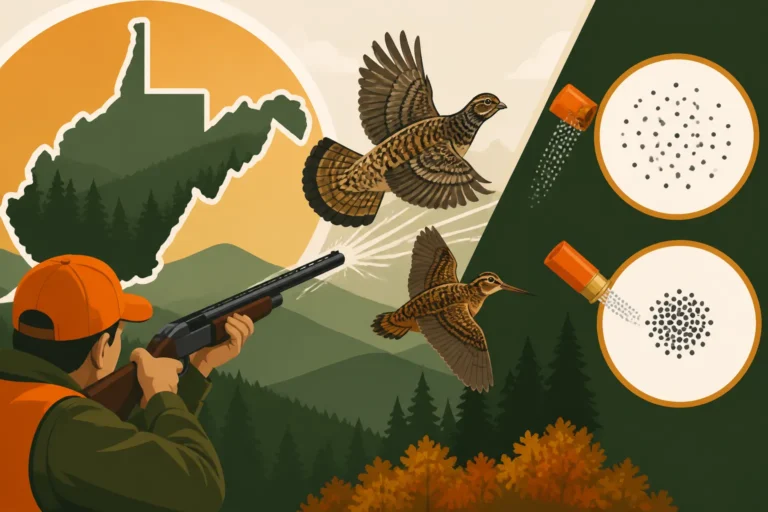
Choosing shotgun shot size for grouse and woodcock in West Virginia explains how to balance pattern density and pellet energy for humane kills.
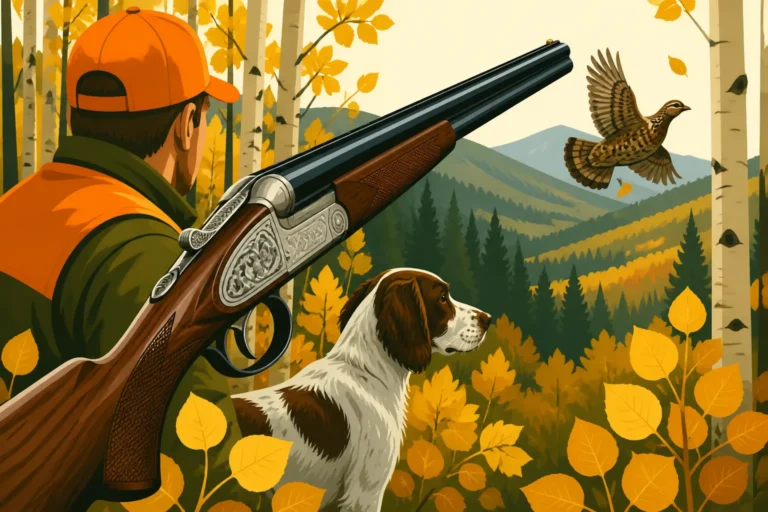
Twenty gauge double-barrel shotguns provide West Virginia grouse hunters lightweight handling and dual chokes for thick aspen covers.
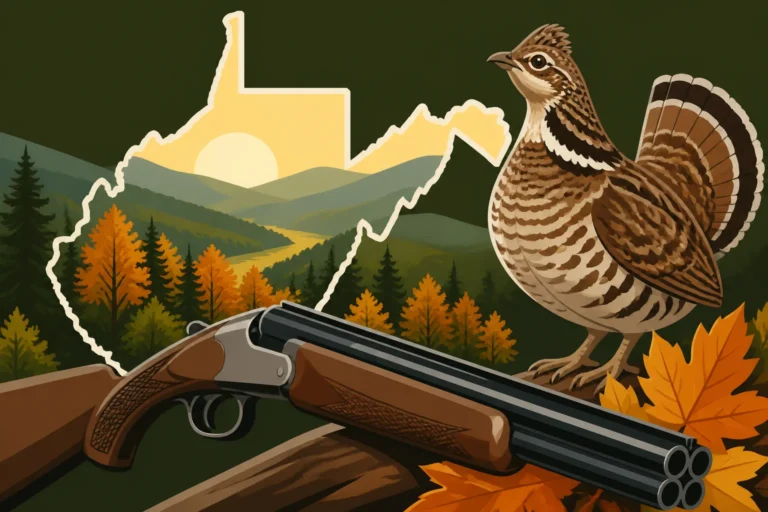
Choosing the best shotgun gauge for West Virginia grouse hunting helps hunters succeed in dense Allegheny Mountain cover.
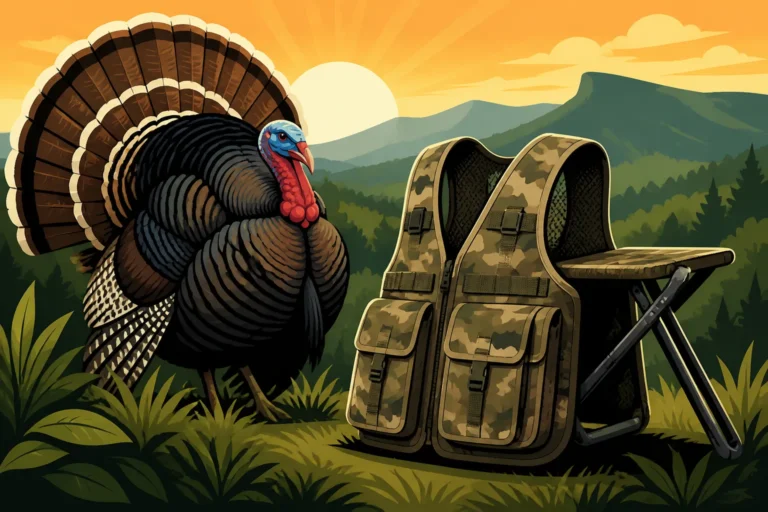
Kickstand turkey vests with collapsible frames provide elevated seats and back support, preventing back fatigue and improving hunt success.
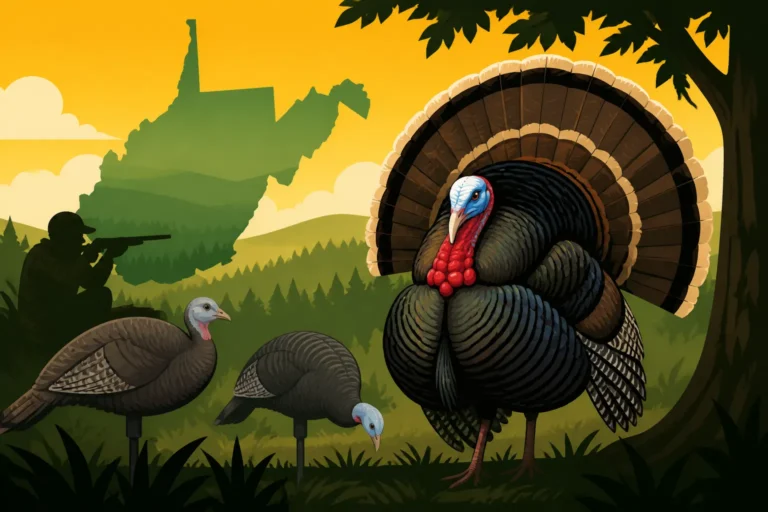
Decoy strategies help hunters overcome decoy fatigue and hang ups when hunting pressured West Virginia gobblers.
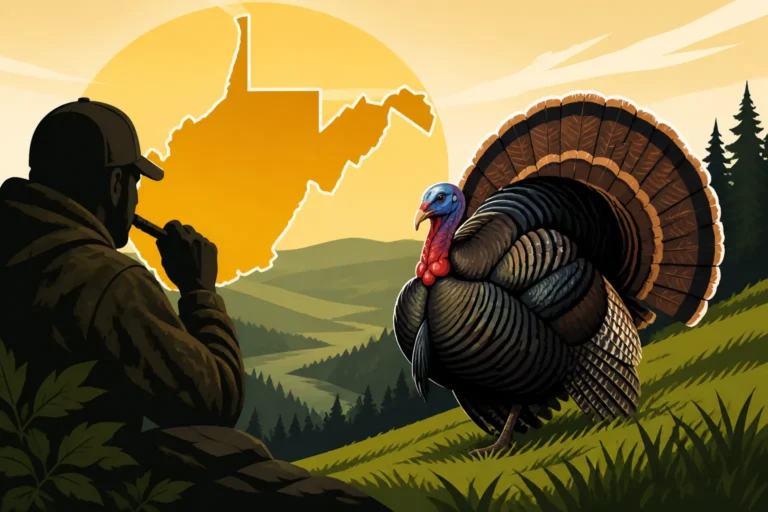
Locator calls for West Virginia gobblers trigger involuntary shock gobbles, pinning turkey locations down on ridges.
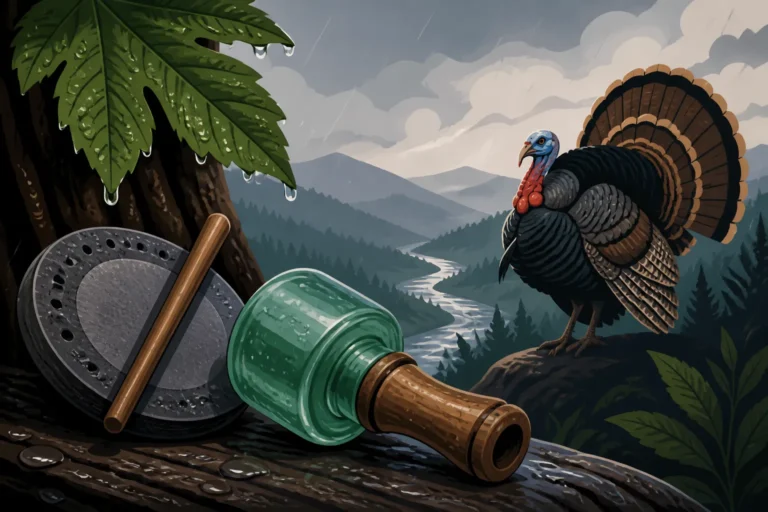
Slate and glass calls require specific strategies during wet West Virginia spring turkey hunts to maintain clear friction sounds.
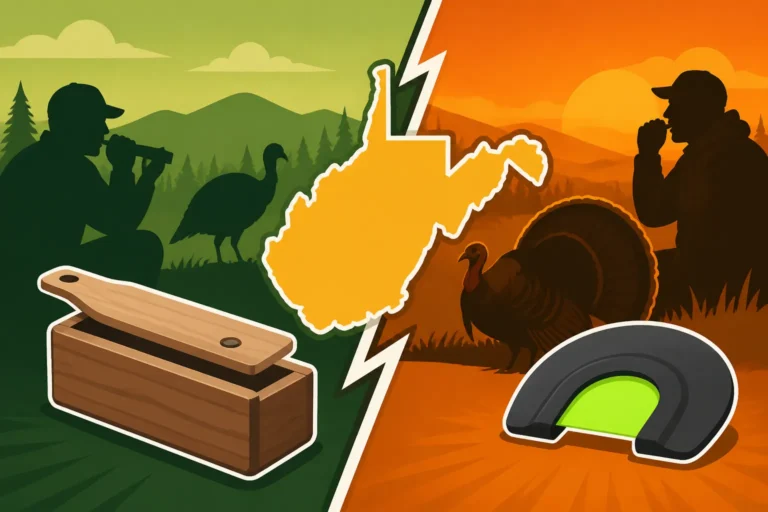
Box calls and mouth calls for West Virginia turkey hunters compare volume and ease of use in mountain terrain.
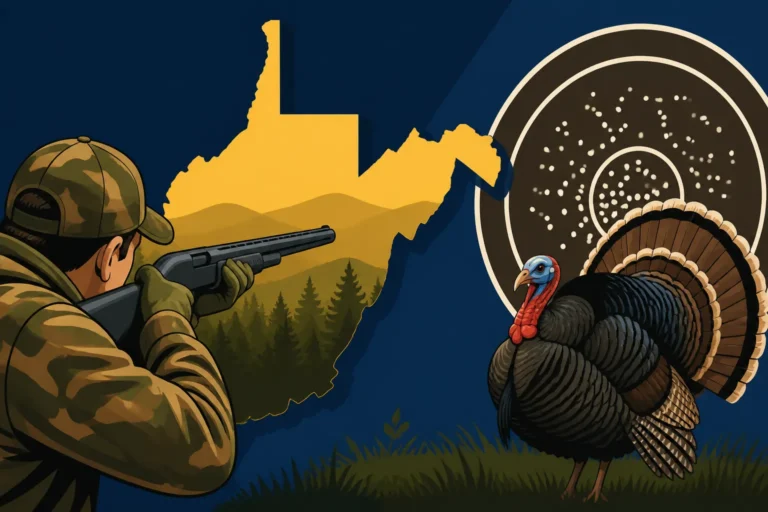
Patterning a turkey shotgun at forty yards delivers lethal pellet density to the head and neck of a spring gobbler.
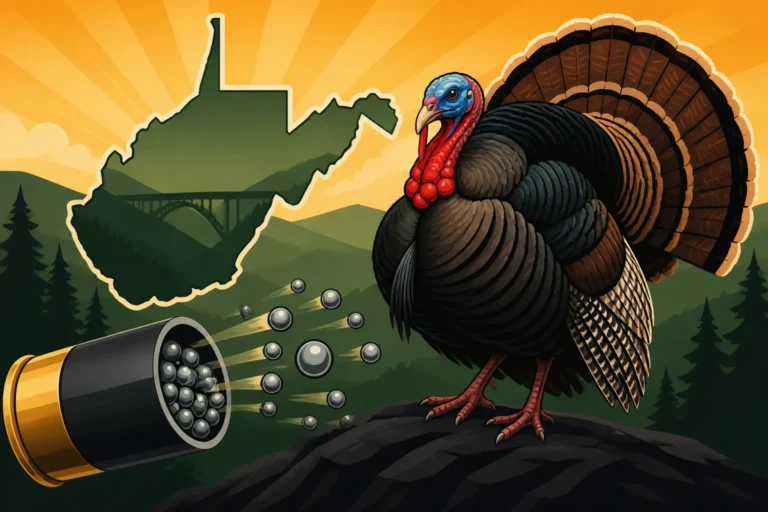
Tungsten turkey loads and traditional lead shells compared by performance, price, and effectiveness for West Virginia hunters.