Rubber Boots for Bottomland Walking
Rubber boots for West Virginia bottomlands keep feet dry, block human scent, and withstand harsh outdoor hazards.
See it before it sees you.
Binoculars, spotting scopes, and rangefinders, plus packs, boots, layering systems, blinds, and stands that earn their weight.
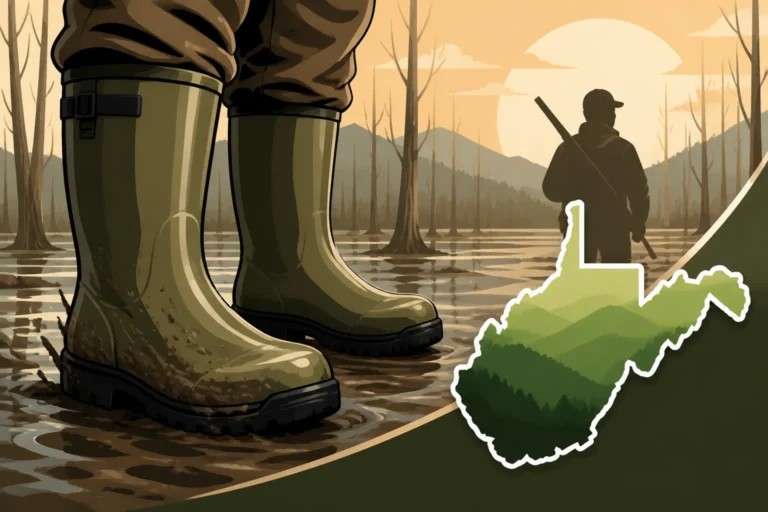
Rubber boots for West Virginia bottomlands keep feet dry, block human scent, and withstand harsh outdoor hazards.
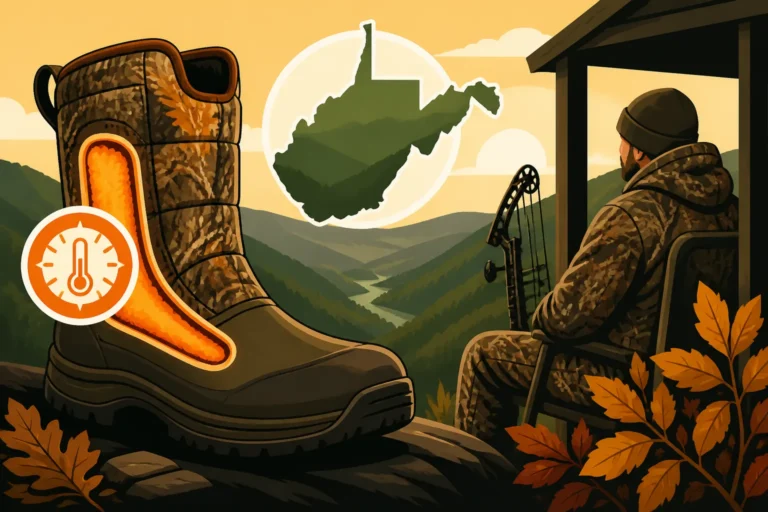
Insulated boots for West Virginia hunts explain gram weights, materials, and how to choose pairs for cold-weather treestand sits.

Wool hunting clothing provides warmth in wet snow, moisture wicking, and quiet movement for West Virginia hunts.
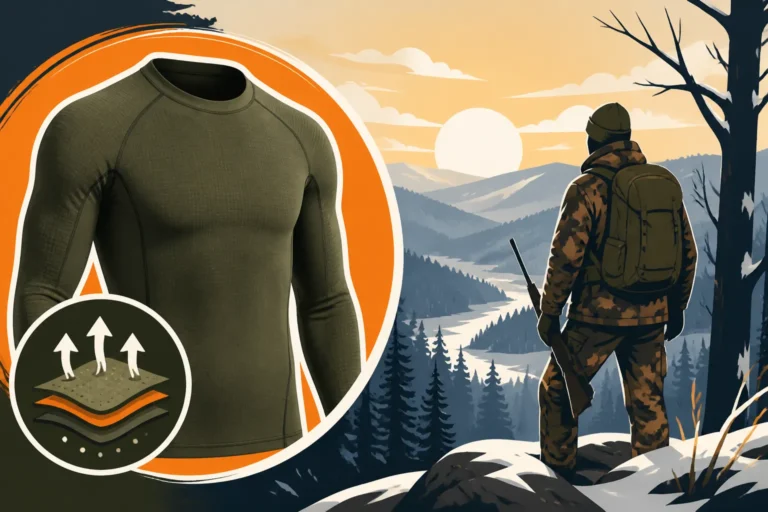
Base layers as the foundation of staying warm and dry during a cold, damp West Virginia December hunt, built on how the body loses heat in cold weather.
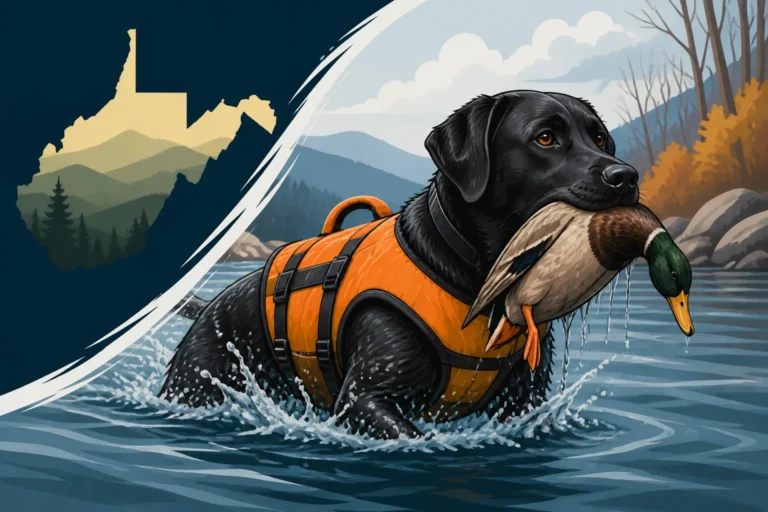
Specialized dog vests protect hunting dogs from hypothermia, abrasions, and fatigue during cold water retrieves in West Virginia.
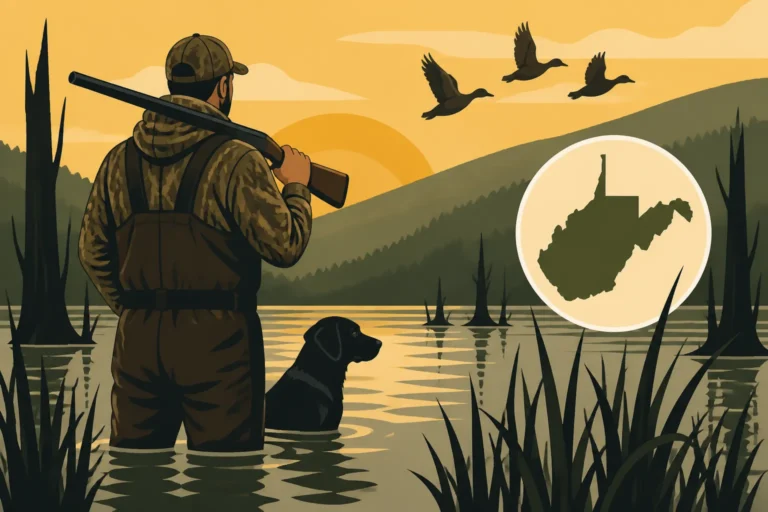
Choosing West Virginia hunting waders prevents hypothermia, crosses beaver ponds, and accesses remote deer and waterfowl habitats safely.
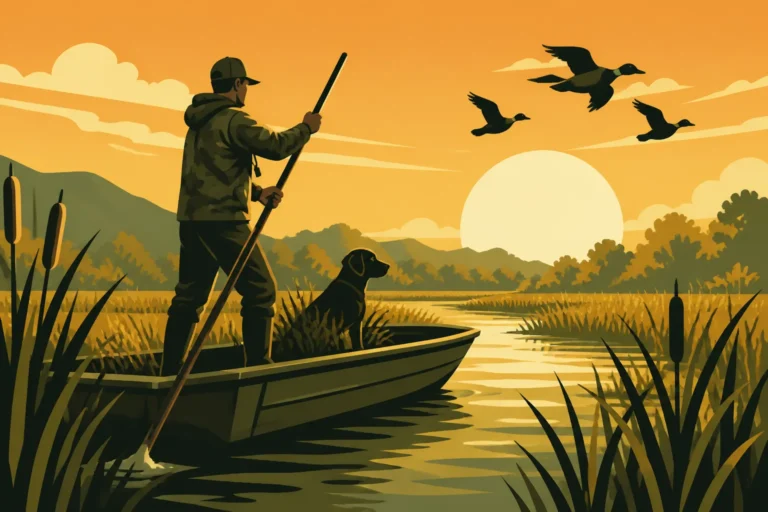
Marsh boats and push poles help hunters navigate West Virginia marshes to access shallow waterways and hidden duck habitats.
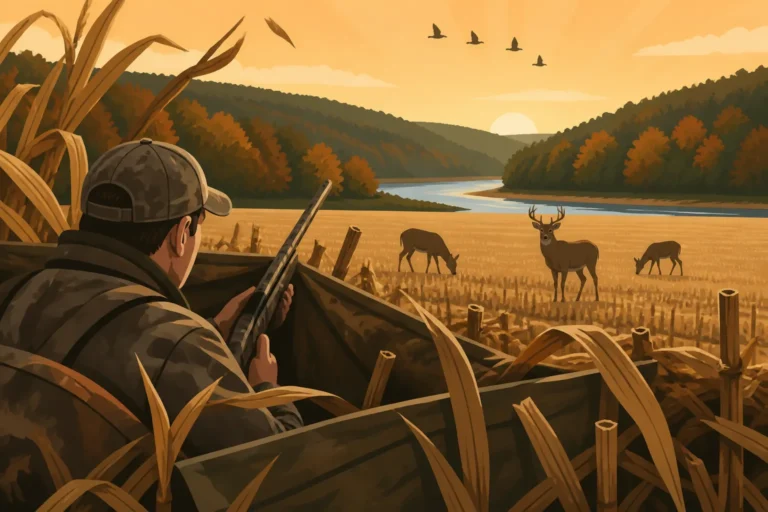
Layout blind tactics help waterfowl hunters conceal themselves and stop ducks from spotting them in cornfields.

Federal regulations require nontoxic shot for hunting waterfowl and certain migratory birds in West Virginia wetlands.

Waterfowl loads for river divers in West Virginia help hunters select non-toxic ammunition for fast-flying ducks.