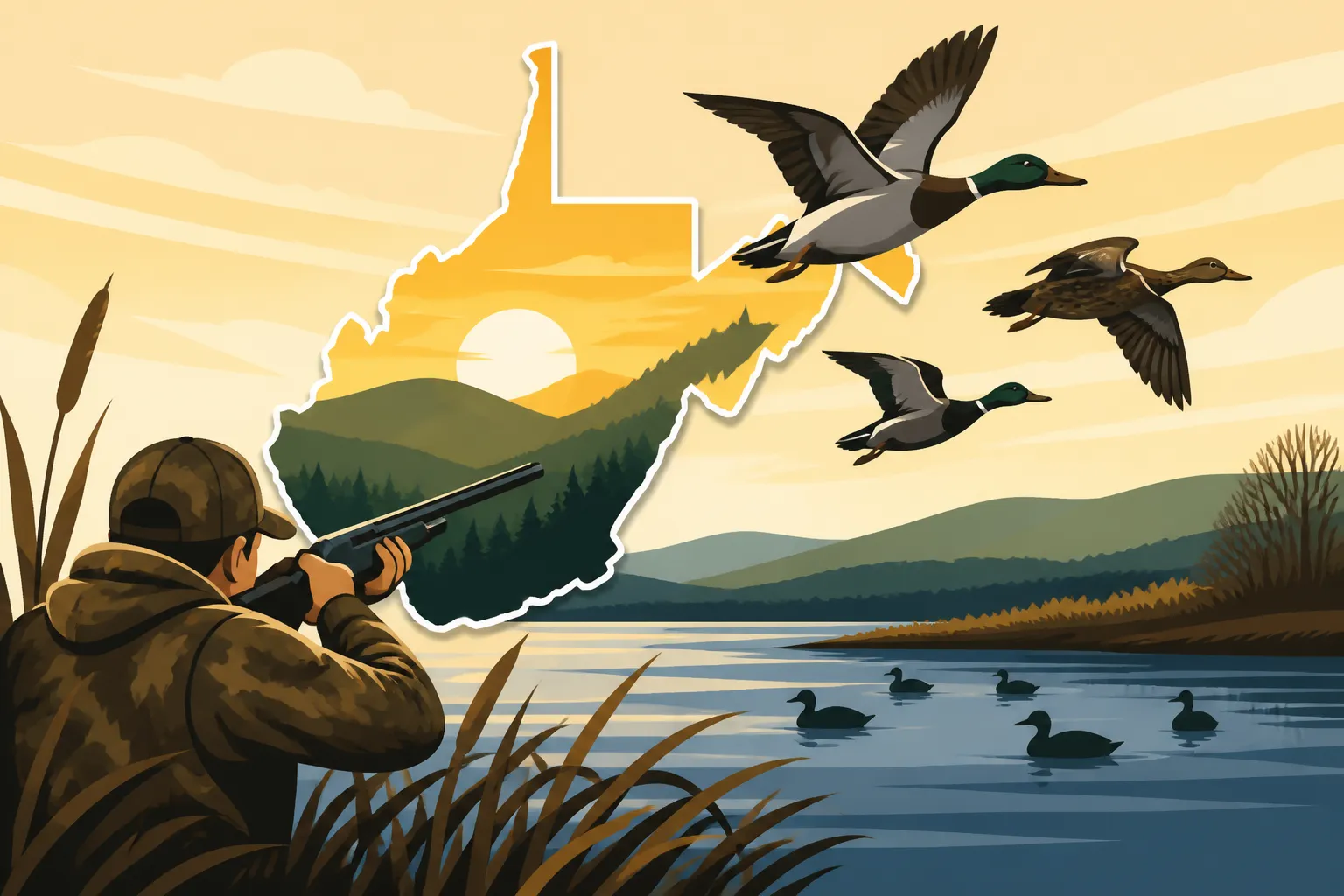
West Virginia Waterfowl on the Atlantic Flyway
For many hunters in West Virginia, deer season often consumes all the conversation, but there's a unique and incredibly rewarding pursuit that thrives within our rugged landscape: waterfowl hunting. Battling bitter cold, meticulously setting decoy spreads, and mastering the intricate calls to coax ducks and geese into range can feel like a daunting endeavor, especially when you consider how the vast Atlantic Flyway interacts with our mountainous state. This comprehensive guide aims to peel back the layers of waterfowl hunting in the Mountain State, helping you understand crucial migration patterns, identify the key species you’ll encounter, pinpoint prime hunting grounds, and equip yourself with the right gear and knowledge for success on West Virginia's rivers and wetlands.
Understanding the Atlantic Flyway in West Virginia
West Virginia isn't typically the first image that comes to mind when you picture expansive duck marshes or grain fields teeming with geese. However, don't let this common perception mislead you. Our state sits squarely within the Atlantic Flyway, a massive migratory superhighway that funnels millions of birds from their northern breeding grounds down to their southern wintering habitats. While we may not boast the sprawling coastal estuaries of Maryland or the vast agricultural plains of some midwestern states, West Virginia plays a surprisingly vital role for migrating waterfowl, offering critical stopover points and wintering havens along its extensive river systems and scattered wetlands. The journey for these birds through our state is often dictated by the flow of our major waterways, making river systems incredibly important to track.
The Flyway's Path Through the Mountain State
The Atlantic Flyway is essentially a series of aerial routes stretching from the Arctic tundra of eastern Canada all the way down to the warm waters of the Caribbean and South America. In West Virginia, this major migratory corridor primarily follows our larger river valleys, with the Ohio River on our western border serving as a particularly important artery. Birds moving south will often use these river systems and their tributaries as natural navigation guides, finding pockets of suitable habitat along the way. Think of the Ohio as the main interstate for waterfowl, with rivers like the Kanawha, Little Kanawha, and even certain stretches of the New River and Potomac acting as critical state routes and local roads that feed into it.
This reliance on river systems means that while birds might be spread out, they tend to concentrate along these waterways, especially when weather conditions trigger a major push south or cause them to hold over. A significant cold front sweeping down from the north can rapidly flood our river systems with waves of ducks and geese, transforming a quiet, still morning into a vibrant flurry of wings. Understanding these natural corridors is the foundational step to successfully figuring out where you should be setting up your decoy spread. It’s not always about finding vast, open fields; sometimes, the key lies in a secluded bend in the river or an overlooked backwater.
Unique West Virginia Waterfowl Habitats
Our state's varied topography creates a diverse array of habitats that attract waterfowl, often in unexpected places. Beyond the broad expanse of the major rivers, West Virginia also offers numerous smaller creeks, backwater sloughs, secluded beaver ponds, and even high-elevation impoundments that can draw in specific species of ducks and geese. While the majority of our state is heavily forested, these isolated pockets of water and wetland become incredibly valuable oases for migrating birds, offering food, water, and shelter. For example, the floodplains adjacent to the Ohio River often contain agricultural fields that are magnets for hungry geese and dabbling ducks, especially during harsh winter weather when other natural food sources become scarce or locked under ice.
The smaller mountain streams and their associated beaver ponds, though less common and often requiring more effort to access, can be absolute goldmines for species like wood ducks, particularly during the early part of the season. These secluded spots provide abundant natural food and valuable shelter, often away from heavy hunting pressure. While you might not encounter thousands of birds in these smaller locales, the unique experience of jump-shooting a few woodies off a quiet mountain pond is distinctively West Virginian. It truly highlights the incredible diversity of our hunting opportunities, provided you know where and how to look.
Key Waterfowl Species in West Virginia
West Virginia hosts a fascinating array of waterfowl throughout the hunting season, primarily migratory species but also a robust resident population of Canada geese. Knowing what kind of birds to anticipate in different habitats and at various times of the season is paramount for tailoring your hunting strategy, from the specific decoys you deploy to the calling sequences you use. Our diverse landscapes, ranging from the wide channels of the Ohio River to the intimate confines of mountain streams, attract a wonderful mix of these feathered travelers.
Ducks of West Virginia
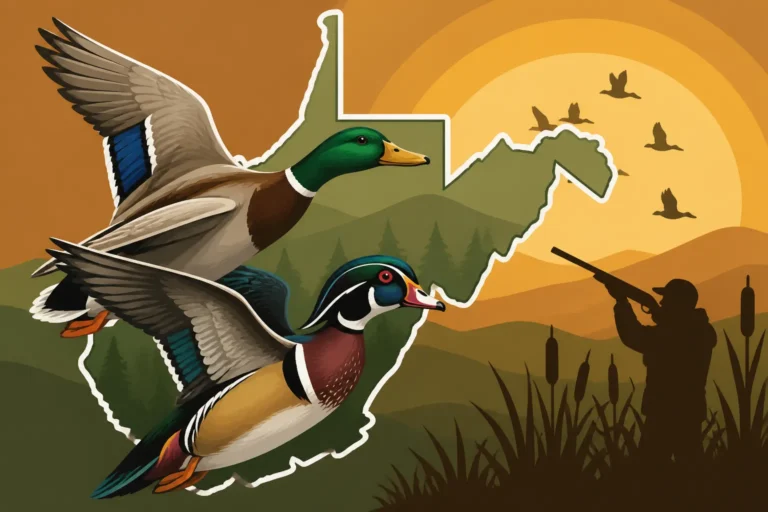
When focusing on ducks, West Virginia sees a healthy mix of both dabblers and divers. Dabbling ducks, which include familiar species like mallards, wood ducks, green-winged teal, black ducks, and gadwalls, are typically found in shallower waters. They feed by tipping up, rather than fully submerging, to graze on submerged vegetation and small invertebrates. These are the ducks you’ll most often encounter along flooded crop fields, in beaver ponds, and along the vegetated edges of larger rivers where they can access shallow feeding grounds. Mallards are arguably the most common and highly sought-after duck, with the drakes easily identifiable by their iridescent green heads. They frequently fly in small groups and generally respond well to various duck calls. Wood ducks, with their stunning, ornate plumage, are especially prevalent in the early season, favoring wooded swamps and smaller, timbered waterways. To improve your chances, check out our detailed article on Wood Ducks in West Virginia River Bottoms.
Diving ducks, such as ring-necked ducks, scaup (often called bluebills), canvasbacks, and redheads, prefer deeper, more open water. You’ll find them more frequently on larger bodies of water, including big river impoundments, main river channels, or larger lakes. These birds feed by diving completely beneath the surface, often congregating in large rafts. They can present a significant challenge to hunt due to their incredible speed and preference for open water environments. Divers typically respond differently to calling compared to dabblers, and often require a "diver rig" of decoys set further out in the open water. Keep a close watch on the weather; a strong north wind can usher in waves of divers that quickly populate open water areas.
Geese of West Virginia
Canada geese are a cornerstone of West Virginia waterfowl hunting, with both migratory flocks and a substantial resident population. The resident geese are frequently found near agricultural fields, golf courses, and various urban and suburban ponds, providing hunting opportunities that can sometimes be less dependent on large, weather-driven migrations. These local birds can offer some truly fantastic hunting, particularly when they are consistently feeding in nearby corn or soybean fields. The primary challenge with resident geese often revolves around securing legal access to their preferred feeding grounds and understanding their somewhat predictable daily patterns. For hunters specifically targeting these larger birds, gaining insights from our article on Canada Geese on West Virginia Farmland can be incredibly beneficial.
Beyond Canada geese, we occasionally witness other goose species, though they are much less common targets for most West Virginia hunters. Snow geese and Brant might pass through during specific, strong migration pushes, typically along the major flyways. However, their appearances are far from regular occurrences for the average hunter in the Mountain State. If you are fortunate enough to encounter them, it's often considered a special and unexpected bonus. Always prioritize positive identification before taking a shot, as regulations and bag limits can vary significantly among different goose species.
Other Migratory Birds
While ducks and geese are undoubtedly the main focus of waterfowl hunting, West Virginia also serves as a stopover for several other migratory game birds. American coots, often mistaken for small ducks due to their swimming habits and dark plumage, are also legal game species and can be found in similar wetland habitats. They offer a unique hunting opportunity for those looking to diversify their harvest. Their flight patterns can be quite distinct from ducks, and they often gather in surprisingly large groups, presenting a different kind of challenge.
Another intriguing, albeit less common, option is the common snipe. These small, incredibly fast-flying shorebirds inhabit wet meadows, muddy edges of ponds, and seasonally flooded fields. Hunting snipe is an entirely different game altogether, often involving walking them up from dense cover with a flushing dog, or attempting to jump-shoot them as they burst from the vegetation. They provide an exhilarating wingshooting challenge and are often overlooked by many hunters, offering a distinct flavor of migratory bird hunting in the Mountain State.
Prime Waterfowl Hunting Locations
Finding consistent waterfowl hunting in West Virginia can sometimes feel like an uphill battle, especially when compared to states blessed with vast, dedicated wetlands. However, by strategically understanding the key types of habitat and areas that reliably attract birds, you can dramatically increase your chances of success. The core principle is always identifying where the birds can find a reliable combination of food, water, and security, which is often tied to our river systems.
Major River Systems
West Virginia’s large river systems are, without a doubt, the most dependable places to find significant numbers of migrating waterfowl. The Ohio River, which defines our entire western border, stands out as a prime example. Its broad expanse, numerous islands, extensive sandbars, and adjacent agricultural lands create an ideal migratory corridor and staging area for both ducks and geese. Tributaries flowing into the Ohio, such as the Kanawha River and the Little Kanawha River, also offer excellent opportunities, particularly in their lower reaches where they become wider, slower, and have more expansive floodplains. Birds will extensively utilize these rivers for resting and feeding, often moving into flooded timber or shallow backwaters to escape hunting pressure. When scouting these areas, keen eyes will look for large sandbars, slow-moving eddies, or any areas with visible submerged vegetation that indicates potential feeding grounds.
The Potomac River in the Eastern Panhandle, especially its larger, less-constricted stretches, also sees good numbers of waterfowl, with Canada geese and mallards being common visitors. Its close proximity to significant agricultural areas in neighboring Maryland and Virginia helps to draw birds into the West Virginia side. Similarly, the New River and Greenbrier River in the southeastern part of the state can hold birds, though typically in smaller, more dispersed numbers, with wood ducks being a common target in the timbered and swampy sections. Understanding the specific dynamics of these rivers, including potential hunting pressure and legal access points, is paramount. Many experienced hunters utilize small boats, canoes, or even kayaks to access prime, less-pressured spots along these river systems, allowing them to get away from hunters constrained to bank access.
Key Wildlife Management Areas and Public Access
West Virginia is fortunate to boast several Wildlife Management Areas (WMAs) that are either specifically managed for waterfowl or naturally possess ideal wetland habitats. These WMAs are an invaluable resource for public land hunters, though they can, understandably, experience significant hunting pressure. McClintic Wildlife Management Area in Mason County, with its extensive network of ponds and wetlands situated conveniently close to the Ohio River, is an exemplary location. It frequently serves as a crucial hub for a wide variety of duck and goose species. Other commendable options include Pleasants Creek WMA and Conaway Run Lake WMA, both featuring lakes and ponds that can hold strong numbers of both diving and dabbling ducks during migration.
It is absolutely essential for every waterfowl hunter to consult the official WVDNR hunting regulations for specific WMAs you plan to visit, as many of these areas have unique rules. These can include restrictions on hunting days, requirements for specific types of blinds, or even special quota hunts designed to manage pressure and ensure quality hunting experiences. Utilizing online mapping tools and resources like GoHunt or the official WVDNR website can be incredibly helpful for pinpointing these areas, understanding their precise boundaries, and reviewing any special regulations before you even leave home. These platforms are invaluable for identifying suitable Public Hunting Land in West Virginia and finding specific waterfowl habitat within them. Also, remember to investigate if a West Virginia WMA Access Permit Requirement applies to your chosen location, as some areas may require one.
Private Land Opportunities
While public lands provide invaluable access for all hunters, securing permission to hunt private land, particularly parcels featuring active agricultural fields or large farm ponds, can significantly elevate your waterfowl hunting success. Geese, in particular, are powerfully attracted to waste grain found in corn and soybean fields after the harvest. Farmers who are experiencing crop depredation from large goose flocks might be more receptive to granting hunting access, especially if you approach them politely, respectfully, and perhaps even offer to share some of your harvest or assist in managing their goose population.
Building strong, trust-based relationships with landowners requires both time and consistent effort, but the long-term payoff can be immense. These private parcels often receive considerably less pressure than public hunting areas, which can lead to more predictable bird behavior and better hunting opportunities. When seeking permission, always be meticulously clear about your intentions, always offer to share a portion of your harvest, and commit to leaving the property in an even better condition than you found it. This thoughtful approach often cultivates long-lasting hunting privileges and positive relationships within the community.
Season Dates and Regulations for Waterfowl
Navigating West Virginia’s waterfowl season dates and the intricate regulations can, at times, feel like trying to solve a complicated puzzle. Unlike deer season, which often features relatively clear, continuous hunting periods, waterfowl seasons are frequently broken into specific "splits" with highly detailed, species-based bag limits, all of which are governed by a complex interplay of both state and federal rules. It is absolutely crucial for every hunter to understand these intricate details to ensure a legal, ethical, and successful waterfowl hunt.
Navigating the Complex Season Splits
West Virginia’s waterfowl seasons are typically divided into multiple distinct segments or "splits" throughout the fall and winter. These splits are meticulously designed to coincide with different migration waves of various waterfowl species, with the overarching goal of providing hunting opportunities when birds are most abundant and accessible. For example, there might be an early teal season that runs for a short period, followed by an initial opening segment for all ducks and geese, a mid-season closure, and then a late-season segment that extends further into winter. It's important to note that these specific dates and structures can also vary by zone within the state, although West Virginia generally operates under a simpler, less fragmented structure compared to some larger states that have multiple flyway zones.
The West Virginia Division of Natural Resources (WVDNR) annually publishes the definitive and official season dates for all waterfowl hunting, usually after the federal frameworks and guidelines have been firmly established. It is absolutely imperative to consult the current year’s official hunting and trapping regulations summary every single year, without fail, as dates and rules are subject to change from one season to the next. Never rely on previous years' calendars or assumptions! An incredibly valuable resource for staying completely up-to-date on this information is the official WVDNR website or the GoWild West Virginia platform. There, you can find precise, current details on West Virginia Duck Season Dates and West Virginia Goose Season Dates, which are updated regularly.
Bag Limits and Species Restrictions
Beyond merely understanding the season dates, comprehending the daily bag limits and possession limits is an absolute non-negotiable aspect of waterfowl hunting. These limits are highly species-specific and can be quite granular in their detail. For instance, you might have an overall general duck bag limit, but within that overarching limit, there are often specific restrictions on certain species. These restricted species commonly include mallards (often limited to a certain number of hens), wood ducks, black ducks, pintails, canvasbacks, and redheads. Exceeding these species-specific limits, even if you haven't yet reached your overall general duck limit, constitutes a legal violation.
Canada goose limits are typically more straightforward, but once again, always double-check the current official regulations. Special early seasons, such as the September Canada goose season, often feature more liberal limits. These are specifically implemented to help manage the thriving resident goose population before the main migratory birds begin to arrive. Accurately identifying waterfowl in flight is a critical skill that requires diligent practice, but it is absolutely vital for staying within legal limits and making ethical shooting decisions. Many diligent hunters carry a comprehensive waterfowl identification guide or utilize a specialized app to help them distinguish between various species and sexes while scouting or during periods of downtime in the blind.
Licensing and Federal Duck Stamp Requirements
Before you even contemplate heading out into the field, ensure that all of your necessary hunting licenses and permits are completely in order. In West Virginia, all waterfowl hunters are required to possess a base hunting license (such as the Class A for residents or the Class E for non-residents). In addition to this, you'll need a West Virginia Migratory Bird Stamp, and crucially, a federal Migratory Bird Hunting and Conservation Stamp – universally and affectionately known as the "Federal Duck Stamp." This federal stamp is a mandatory requirement for anyone aged 16 years or older and is typically valid from July 1st of one year through June 30th of the following year. It's far more than just a permit; an impressive 98 cents of every dollar generated from its sale goes directly towards the conservation of vital wetland habitats, which are critical not only for waterfowl but also for a myriad of other wildlife species. For more in-depth information, be sure to read our dedicated article on the West Virginia Federal Duck Stamp Requirement.
Furthermore, all migratory bird hunters, regardless of their age, are mandated to complete a Harvest Information Program (HIP) certification. This involves answering a few simple, brief questions about your previous year's hunting activity for specific migratory bird species. The data collected through the HIP program is invaluable, helping state and federal wildlife agencies to accurately estimate harvest numbers and make informed, science-based management decisions for migratory bird populations. It's a quick and easy process that typically occurs when you purchase your hunting license. Don't forget to check out West Virginia HIP Certification for Bird Hunters for all the specific details on this important requirement. It is absolutely essential to carry valid proof of all your licenses and stamps with you while afield. Utilizing digital platforms, such as those offered by GoHunt or the WVDNR's GoWild app, can help you keep digital copies easily accessible on your smartphone, which is particularly useful in areas where traditional cell service might be intermittent or non-existent.
Essential Gear and Tactics for Waterfowl Hunters
Waterfowl hunting is widely recognized as a gear-intensive sport, and for very good reason. You’re frequently pitted against the unforgiving elements, enduring everything from bitterly frigid temperatures to howling winds and even relentless rain or heavy snow. All the while, you are meticulously attempting to entice wary birds into comfortable shooting range. Possessing the right equipment and employing effective, well-practiced tactics can be the crucial differentiator between a frustrating, unproductive morning and a truly memorable, successful hunt.
Decoy Spreads and Calling Strategies
Decoys are undeniably the bread and butter of successful waterfowl hunting, serving to convincingly simulate a safe, inviting landing zone for incoming birds. The specific type, number, and size of your decoy spread will largely depend on the particular species you are targeting and the unique characteristics of your hunting location. For puddle ducks (dabblers) in smaller, more confined waters, a dozen mallard and wood duck decoys might be perfectly sufficient, perhaps arranged in a loose "J" or "U" shape to create an inviting open landing zone directly in front of your blind. Conversely, when hunting larger rivers or open water for diving ducks, you might need dozens of specialized diver decoys, such as those mimicking canvasbacks or bluebills, set in long, distinct lines or large, cohesive rafts to maximize visibility in open water. Incorporating motion decoys, such as spinning wing decoys (often called "spinners") or simple jerk strings, can add crucial realism and significantly increase your spread's overall pulling power, especially on calm days. For more detailed insights into effective layouts, consider the article on Decoy Spreads for Ohio River Divers.
Calling is another fundamental art form in waterfowl hunting, and truly mastering it requires consistent practice and keen observation. For mallards, a basic repertoire consisting of a greeting call, comeback call, and a lively feed call is absolutely essential. Learn to "read" the birds: call aggressively and loudly to birds that are high and far out, then gradually tone it down to soft, reassuring greetings or subtle chuckles as they commit and begin to work into your spread. For geese, short, sharp honks and clucks, accurately mimicking a content flock feeding on the ground, are often highly effective. There is a wealth of instructional videos, detailed guides, and even online resources, including platforms like GoHunt, that can help you meticulously hone your calling skills. Crucially, remember that too much calling can often be as detrimental as not enough. When birds are cupped, committed, and making their final approach, it is frequently best to fall silent and let the decoys do the rest of the work.
Blinds, Waders, and Weather Gear
West Virginia's weather is notoriously unpredictable, and waterfowl hunting frequently takes place during the coldest, wettest, and most unforgiving months of the year. Therefore, proper clothing and effective concealment are absolutely paramount for comfort and success. Layering is the golden rule: begin with moisture-wicking base layers to keep sweat away from your skin, add insulating mid-layers like fleece or wool for warmth, and top it all off with a completely waterproof and windproof outer shell, preferably in a camouflage pattern that blends seamlessly with your surroundings. Insulated, waterproof waders are a non-negotiable item for hunting in shallow water or for the crucial task of retrieving downed birds from cold water. Look for models with integrated, well-insulated boots to ensure your feet stay warm in icy conditions. For specific advice on selecting the right waders, our article on Waders for River Bottom Hunting offers valuable insights.
For effective concealment, a well-constructed blind is indispensable. On riverbanks or along field edges, a natural blind meticulously brushed in with local vegetation (such as cattails, corn stalks, or river cane) can be exceptionally effective. For hunting in more open water or exposed fields, a layout blind (a low-profile blind that you lie down inside) or a boat blind (a specialized blind built onto a small boat) may be absolutely necessary. The overarching goal is always to blend seamlessly into your immediate surroundings, becoming virtually invisible to the sharp eyes of approaching waterfowl. Even on public land, many hunters achieve excellent concealment using portable pop-up blinds or by simply hunting from existing thick cover. For detailed setup advice and considerations, explore a comprehensive guide such as Layout Blinds and River Boats.
Shotguns and Nontoxic Shot Rules
Your shotgun is your primary instrument in the waterfowl blind, and choosing the right one is crucial. A 12-gauge shotgun stands out as the most versatile choice for waterfowl hunting, as it is capable of reliably handling a wide variety of loads and shot sizes suitable for everything from fast-flying teal to large, hardy Canada geese. A 3-inch or 3.5-inch chamber is generally preferred for accommodating heavier loads, which are often necessary for larger birds or for extending your effective shooting range. Choke selection is also critically important: a modified or improved cylinder choke is often a versatile choice for decoying birds that are working close, while a full or extra-full choke might be more appropriate for pass shooting at longer distances or targeting high-flying late-season geese.
Crucially, nontoxic shot is a legal requirement for all waterfowl hunting throughout the entire United States, including West Virginia. This means that only steel, bismuth, or tungsten-alloy shot may be used; lead shot is strictly prohibited for waterfowl. Steel shot is generally the most common and often the most affordable nontoxic option, but it requires using larger shot sizes than lead to achieve equivalent killing power due to its lower density. Bismuth and tungsten, being denser, perform more similarly to lead but come at a significantly higher cost. Always, without exception, consult the current regulations to ensure that both your chosen shot material and size are legal and appropriately matched for the game you are pursuing.
Conservation Efforts and the Future of Waterfowl Hunting
Waterfowl hunting is deeply and intrinsically linked to the concept of conservation. The robust populations of ducks and geese that we are fortunate enough to enjoy today are a direct and undeniable result of decades of dedicated conservation work, the vast majority of which has been generously funded by hunters themselves. Understanding these ongoing efforts and actively participating in our role as stewards is not merely about ethical responsibility; it is about securing a vibrant and sustainable future for this cherished hunting tradition in West Virginia and across the entire flyway.
WVDNR and Partner Initiatives
The West Virginia Division of Natural Resources (WVDNR) plays a truly pivotal role in the scientific management of waterfowl populations and their habitats within the state. They diligently conduct aerial surveys, participate in bird banding programs, meticulously monitor harvest data (often collected through essential programs like HIP certification), and meticulously set season dates and bag limits in careful conjunction with federal guidelines. These scientific, data-driven approaches are designed to ensure that waterfowl hunting remains completely sustainable and that bird populations remain healthy and thriving. The WVDNR also actively manages numerous Wildlife Management Areas (WMAs) specifically to provide vital habitat for migratory birds. This comprehensive management includes carefully controlling water levels in impoundments, planting diverse food plots, and restoring critical wetlands to create ideal conditions for migrating waterfowl throughout the various seasons. For instance, several WMAs located along major river systems focus specifically on managing moist soil units to provide incredibly rich and accessible food sources during the crucial migration periods.
Beyond the dedicated efforts of the state agency, national and local conservation organizations serve as absolutely crucial partners in this endeavor. Respected organizations such as Ducks Unlimited, Delta Waterfowl, and the National Wild Turkey Federation (which also contributes significantly to broader habitat issues) provide immense contributions to habitat restoration and preservation efforts across the entire Atlantic Flyway. These groups frequently collaborate with private landowners, fund cutting-edge research, and vigorously advocate for policies that directly benefit waterfowl populations and their habitats. The purchases of both federal and state duck stamps directly funnel much-needed funds into these vital conservation programs. Without these concerted and collaborative efforts, the breathtaking spectacle of migratory waterfowl would undoubtedly be a mere shadow of what it is today.
Hunter's Role in Conservation
As waterfowl hunters, we are not merely consumers of a natural resource; we are, in fact, its primary and most passionate stewards. Our significant financial contributions, primarily through the purchase of hunting licenses and various stamps, form the fundamental backbone of waterfowl conservation funding. Beyond monetary contributions, embracing and practicing ethical hunting behaviors is absolutely fundamental. This includes developing proficient and accurate bird identification skills to avoid inadvertently shooting protected species or exceeding legal bag limits, diligently retrieving all downed birds (which underscores the importance of a good retriever dog or thorough searching), and always respecting private property rights and public land regulations. We also bear the responsibility of consciously using nontoxic shot, fully understanding its profound environmental benefits.
Actively participating in volunteer efforts, such as local habitat cleanups or community conservation projects, further strengthens the vital bond between hunters and the natural resources we cherish. Teaching new hunters the paramount importance of conservation, providing dedicated mentorship, and demonstrating ethical behavior helps to ensure that future generations will have the same, if not even greater, opportunities to experience the exhilarating thrill of a flock of mallards cupping their wings and descending into the decoy spread. Every single hunter has a crucial part to play in keeping West Virginia's rich waterfowl heritage alive, vibrant, and continuously thriving for years to come.
Challenges and Opportunities for West Virginia Waterfowl Hunters
Like virtually any form of hunting, chasing waterfowl in West Virginia comes with its own distinctive set of challenges. However, for those dedicated hunters willing to invest the necessary effort, these challenges frequently blossom into profoundly rewarding opportunities, fostering deeper connections with both the breathtaking landscape and the resilient birds themselves. A comprehensive understanding of the obstacles you might face will empower you to better prepare, ultimately significantly increasing your chances of a successful and fulfilling experience.
Pressure and Limited Public Access
One of the most significant hurdles confronting West Virginia waterfowl hunters is often the intense hunting pressure, particularly on popular public hunting areas like certain Wildlife Management Areas (WMAs) or easily accessible stretches of major rivers. On opening day or during peak migration periods, these sought-after spots can feel genuinely crowded, and birds quickly become highly wary of visible blinds and even expertly blown calls. This necessitates an early start, often well before dawn, and a willingness to hike or boat into less accessible, more secluded areas where hunting pressure is significantly reduced. While not exclusively about waterfowl, our article on Opening Weekend Crowds on West Virginia Public Land offers relevant insights into broader public land pressure.
Limited public access to prime waterfowl habitat, especially to private agricultural fields that act as powerful magnets for geese, presents another considerable challenge. A large portion of the most productive feeding grounds are situated on private land. This reality demands diligent and discreet scouting, politely asking for landowner permission, and sometimes employing creative strategies regarding where and how you set up your hunt. For instance, effectively hunting an accessible piece of public water that lies in close proximity to private feeding fields can still be highly productive if you position yourself to intercept birds flying between their nocturnal roosting areas and their daytime feeding grounds. Utilizing advanced mapping tools, such as those integrated into platforms like GoHunt, can be exceptionally helpful in identifying potential flight corridors and pinpointing less-pressured areas, even along larger rivers.
Adapting to Changing Migration Patterns
Waterfowl migration patterns are influenced by an intricate web of factors, including prevailing weather systems, the broader impacts of climate change, and the availability and quality of habitat situated further north and south along the flyway. Milder winters, for example, can result in birds "short-stopping" their migration, choosing to hold over longer in northern states or significantly delaying their arrival in West Virginia. This inherent unpredictability can make it particularly challenging to precisely time your hunts, especially if you rely exclusively on traditional or historical peak migration dates.
The most successful waterfowl hunters in West Virginia are inherently adaptable. They pay meticulous attention to weather forecasts extending across the entire flyway, with particular emphasis on tracking strong cold fronts pushing down from our north, which often act as catalysts for pushing birds south. They also extensively utilize scouting reports, a myriad of online resources, and invaluable local knowledge to gain a current understanding of bird numbers and their precise movements. Being flexible with hunting dates, including the ability to hunt mid-week when pressure is typically lower, can often yield remarkably significant results. Ultimately, success in West Virginia waterfowl hunting is about being reactive to what the birds are doing now, not simply relying on what they have done historically.
Future Opportunities Through Habitat Work
Despite the inherent challenges, significant opportunities continue to emerge for the future of waterfowl hunting in West Virginia. Ongoing habitat restoration and the strategic creation of new habitat, particularly focusing on expanding small wetlands, developing intricate beaver pond complexes, and enhancing vital riverine habitats, can provide more abundant and diverse stopover and wintering grounds. This expansion helps to distribute birds more widely across the landscape, thereby potentially reducing localized hunting pressure. The WVDNR and their dedicated partner organizations are continuously engaged in these critical conservation projects.
Hunters themselves can play a direct role by actively advocating for wetland conservation initiatives, financially supporting reputable organizations like Ducks Unlimited, and even engaging in small-scale habitat improvements on their own private property if they possess suitable land. The unwavering enthusiasm and profound dedication of West Virginia's waterfowl hunters ensure that efforts to diligently preserve and actively enhance these precious natural resources will persist, continually opening up new hunting opportunities and guaranteeing that the exhilarating thrill of "ducks on the deck" remains a vibrant and enduring part of the state's rich hunting heritage for generations to come.
| Waterfowl Species (Common WV) | Type | Preferred Habitat | Key Identification Features | Optimal Hunting Conditions |
|---|---|---|---|---|
| Mallard | Dabbler | Shallow marshes, flooded fields, river edges | Green head (drake), blue speculum, curled tail feathers (drake) | Cold fronts, overcast, windy |
| Wood Duck | Dabbler | Wooded swamps, beaver ponds, timbered creeks | Ornate crest, distinctive "whistle" (drake), often in pairs | Early season, calm mornings |
| Canada Goose | Grazer | Agricultural fields, large rivers, open water | Black neck/head with white chin strap, large body | Fields, cold weather, foggy/overcast |
| Green-winged Teal | Dabbler | Small ponds, shallow marshes, muddy flats | Small size, green speculum, fast erratic flight | Early season, small water |
| Ring-necked Duck | Diver | Deep marshes, lakes, large rivers | Ring on bill, black back, white flanks (drake), dark head | Open water, good diver spread |
| Black Duck | Dabbler | Coastal marshes, large rivers, sheltered bays | Dark body, lighter head, purplish speculum, shy | Large rivers, stormy weather |
Disclaimer
Please remember that hunting regulations, season dates, and bag limits can change annually. It is your responsibility to consult the current West Virginia Hunting and Trapping Regulations Summary, available from the West Virginia Division of Natural Resources (WVDNR), before heading afield. This guide provides general information and should not be considered a substitute for official regulations or professional advice.