West Virginia Fall Turkey Possession Limit
It's easy to get tangled up in West Virginia's fall turkey regulations, especially when you're trying to figure out how many birds you can actually keep. Between the varying season lengths across counties and the sometimes confusing lingo, it can feel like you need a law degree just to head into the woods. This guide aims to demystify the West Virginia fall turkey possession limit, helping you plan your hunts confidently and stay on the right side of the law.
Understanding the West Virginia Fall Turkey Possession Limit
Navigating hunting regulations can be a real head-scratcher, and the term "possession limit" is one that often causes a fair bit of confusion among even seasoned hunters. It's not just about how many birds you can shoot in a single day, but rather the total number of fall turkeys you can legally have in your possession at any given time, whether they're in your cooler, freezer, or mounted on the wall from the current fall season.
What "Possession Limit" Actually Means for Fall Turkey Hunters
For fall turkey hunting in West Virginia, the possession limit is two turkeys. This means that throughout the entire fall hunting season, you cannot have more than two turkeys harvested during that specific fall period in your physical possession, whether that's in your home, at your camp, or in transit. This applies regardless of how long your county's season is open or how many days you actually spend hunting. It's a cumulative limit designed to manage the overall harvest pressure on the state's wild turkey population. Many hunters, especially those new to the Mountain State or coming from areas with different rules, often mistake the daily bag limit for the possession limit. While you can typically only harvest one turkey per day during the fall season (which is your daily bag limit), your total tally for the season cannot exceed two birds. This distinction is crucial to avoid unintended violations.
To put it into perspective, let's say you're hunting in a county with a longer season. You might harvest a hen on the first weekend, check it in, and process it. You now have one turkey towards your possession limit. If a few weeks later you harvest another turkey, perhaps a jake or another hen, you've reached your two-bird possession limit for the fall. Even if the season is still open, you cannot harvest any more fall turkeys once you've reached this limit. This structure encourages hunters to make deliberate choices about their harvest and helps distribute the hunting pressure.
Why the Limit Exists: Conservation and Management
The West Virginia Division of Natural Resources (WVDNR) implements these limits not to make things difficult, but as a critical part of their wildlife management strategy. The two-bird possession limit for fall turkeys is carefully calculated to ensure the long-term health and sustainability of the wild turkey population across the state. Unlike the spring season, which primarily targets adult gobblers, the fall season allows for the harvest of both gobblers and hens. Harvesting too many hens in the fall can directly impact the reproductive potential of the flock for future years, as hens are the foundation of turkey production.
WVDNR biologists continually monitor turkey populations, factoring in things like poult-to-hen ratios, nesting success, and harvest data from previous seasons. Based on this science, they adjust regulations to prevent overharvest. The possession limit, alongside county-specific season lengths, serves as a safeguard. It ensures that while hunters still have ample opportunity to enjoy the pursuit of fall turkeys, the overall number of birds removed from the population remains within sustainable levels. It's a delicate balance, and these rules are designed to maintain robust turkey numbers for generations of West Virginia hunters to come. Understanding this conservation aspect helps hunters appreciate the 'why' behind the rules and encourages responsible hunting practices that benefit the entire ecosystem.
Navigating West Virginia's County-Specific Fall Turkey Seasons
One of the most unique, and sometimes challenging, aspects of fall turkey hunting in West Virginia is the varying season lengths across different counties. It’s not a one-size-fits-all approach, and what's legal in one hollow might not be just over the ridge. This tiered system directly influences how you plan your hunting trips and, implicitly, how you manage your two-bird fall possession limit.
The Different Fall Turkey County Tiers
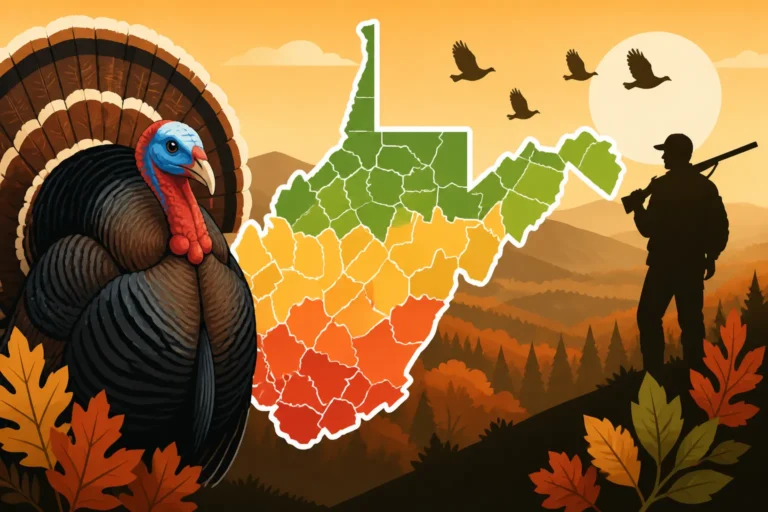
West Virginia categorizes its counties into different tiers for fall turkey hunting, each with its own specific season length. This is a dynamic approach, allowing the WVDNR to manage turkey populations at a more granular, local level, considering factors like population density, habitat, and harvest history in those specific areas. You'll find counties with one-week seasons, two-week seasons, and even four-week seasons. For example, some counties in the Western and Southern regions of the state might have shorter, one-week seasons to protect more vulnerable local populations, while many of the Eastern Panhandle counties or those in prime habitat areas often boast more liberal four-week seasons. It’s crucial to check the specific regulations for the county you plan to hunt, as these can change year to year based on population surveys and management objectives. The official WVDNR hunting regulations pamphlet or their online Go Wild West Virginia platform is your best friend here. For a deeper dive into these specifics, you might want to read our guide on how to determine Finding Your County's Fall Turkey Tier.
For instance, a county might be open for fall turkey hunting for only a single week in late October, while another might have a two-week split season, and a third could offer an entire month of hunting spread across different periods. This fragmentation can be perplexing. Imagine planning a trip that crosses county lines; you might find yourself in a county where the season is wide open one day, only to cross into an adjacent county where it closed last week. This is why thorough research is non-negotiable before you even scout. Our articles on One-Week Fall Turkey County Rules and Four-Week Fall Turkey County Rules can give you detailed insights into what to expect in those specific areas. This tiered system is a testament to the WVDNR's commitment to localized management, responding to the specific needs of turkey populations throughout our diverse landscapes.
Impact of Season Lengths on Your Personal Possession Limit
While the season lengths vary dramatically from county to county, it’s absolutely critical to remember that the statewide fall turkey possession limit of two birds remains constant. The length of the season in the county you're hunting does not change how many turkeys you can harvest and possess for the entire fall. You still only get two, whether you hunt exclusively in a one-week county or spend your time across several counties with longer seasons. This is where planning becomes paramount. If you harvest a turkey in a one-week county, and then travel to a four-week county, you still only have one more bird you can take to reach your season's possession limit.
Consider a hypothetical scenario: You successfully hunt a bird in October in Pendleton County, which traditionally has a longer fall turkey season. That’s one down for your two-bird possession limit. Later in November, you decide to hunt in a different county, say Braxton County, which might have a shorter season. Even if Braxton County's season just opened, you can only harvest one more turkey there before you hit your personal season limit of two birds. This cumulative aspect means you need to keep track of your total harvest, not just what you're doing on a particular day or in a specific county. A hunting app like GoHunt can be incredibly useful here, allowing you to track your harvest and check regulations on the go. It’s about the total, overarching season, not individual county opportunities. This system aims to create a fair and sustainable hunting environment for everyone, ensuring that the privilege of fall turkey hunting remains robust for years to come.
Practical Advice for Managing Your Fall Turkey Harvest
Hunting fall turkeys in West Virginia is a rewarding experience, but it requires careful planning to ensure you stay within the legal limits. With a statewide possession limit of two birds for the entire fall season, thoughtful consideration before and during your hunts is key. Let’s talk about how to manage your harvest responsibly and avoid any potential issues.
Planning Your Hunts to Stay Within the Limit
The best way to avoid exceeding the two-bird possession limit is to plan your hunts strategically, well before you ever step foot in the woods. Begin by identifying which counties you plan to hunt and familiarize yourself with their specific season dates. Our article, Hunting West Virginia's Fall Turkey Splits, offers excellent guidance on understanding how these various season structures work. If you intend to hunt multiple counties, factor in the travel time and the open dates for each. It’s helpful to literally map out your intentions, noting where and when you hope to harvest your birds.
For many hunters, the decision to take a hen or a jake comes down to opportunity. If you're hoping for a specific kind of bird, like a mature gobbler, you might pass on smaller birds early in the season, knowing you only have two tags to fill. However, fall hunting is often about flock dynamics, and taking a bird from a large group is a common tactic. Just remember, once you tag your first bird, you have one more opportunity for the entire fall season. This means making a conscious decision each time you pull the trigger. Always have your license and appropriate stamps, ready to check your bird immediately. You can find detailed information about the overall West Virginia Fall Turkey Bag Limit to further aid your planning.
Essential Tools for Compliance and Recording Your Harvest
In today's digital age, managing your hunting compliance is easier than ever, but it still requires diligence. The official Go Wild West Virginia platform, accessible via their website or mobile app, is your primary resource for checking your harvest and ensuring you're within the legal limits. Once you harvest a bird, you must check it in according to WVDNR regulations. This process typically involves reporting your harvest online, via phone, or at a designated checking station. This act officially records your bird against your personal season limit.
Beyond the official checking system, it's wise to keep your own personal log or record of your harvests. This could be as simple as a note in your hunting journal or using a dedicated app. Some advanced hunting apps, like those offered by GoHunt, provide detailed mapping and regulation overlays that can help you keep track of county lines, season dates, and even your personal harvest tally as you move through different areas. Having these resources at your fingertips can prevent accidental over-harvest. Remember, quick and accurate reporting is paramount. For detailed steps on how to register your harvest, consult our guide on West Virginia Turkey Checking Requirements.
What Happens if You Exceed the Possession Limit?
Exceeding the possession limit for fall turkeys in West Virginia is a serious violation, and it’s not something to be taken lightly. The WVDNR and their enforcement officers have a clear mandate to uphold hunting regulations, and ignorance of the law is generally not considered an excuse. If you are found in possession of more than the legal limit of two fall turkeys, you could face significant penalties. These typically include substantial fines, forfeiture of the illegally harvested game, and potentially even suspension of your hunting privileges for a certain period. The specifics of the penalties can vary depending on the circumstances and the discretion of the legal system, but it’s always a situation you want to avoid.
Beyond the legal ramifications, there's also an ethical responsibility to consider. Responsible hunters understand that regulations are in place to conserve wildlife resources, ensuring that future generations have the same opportunities we do. Violating these rules undermines those efforts and can reflect poorly on the entire hunting community. Always double-check your count, know your limits, and when in doubt, choose not to shoot. It’s far better to walk away empty-handed than to face the consequences of a violation. If you're curious about potential repercussions for various offenses, our post on West Virginia Wildlife Violation Penalties provides more context.
Common Misconceptions and Nuances
Even with careful planning, there are always those subtle distinctions in hunting regulations that can trip you up. The difference between daily and possession limits, and how to handle transportation of your game, are two areas that often lead to confusion for fall turkey hunters in West Virginia.
Daily Bag Limit vs. Possession Limit Clarified
This is arguably the most common point of confusion for hunters. Let's break it down one more time, just to make sure it's crystal clear for West Virginia fall turkeys.
- Daily Bag Limit: This is the maximum number of turkeys you are allowed to harvest in a single day. For fall turkeys in West Virginia, this is generally one turkey per day. So, if you're out hunting and you successfully harvest a turkey, you cannot harvest another one on that same calendar day, even if you see more birds. Once you've tagged and checked your bird, your daily bag limit is met.
- Possession Limit: This is the total number of turkeys you can legally have in your possession at any given time for the entire fall season. As we've discussed, for fall turkeys in West Virginia, this is two turkeys. This limit is cumulative, meaning it accumulates throughout the season. If you take one bird on Monday and another on Saturday, you've reached your possession limit, and you cannot harvest any more fall turkeys for the remainder of the season, regardless of how many open days are left in your county or other counties.
It's vital not to confuse the two. You might take one turkey on a Monday (meeting your daily bag limit for that day), and then later in the week, take another turkey (meeting your daily bag limit for that day). But once you have two turkeys harvested and in your possession from the fall season, your possession limit is met, and you are done fall turkey hunting for the year. This contrasts somewhat with the spring season, where the West Virginia Spring Turkey Bag Limit is typically two bearded turkeys, but still usually one per day, with the possession limit often matching the season limit. Always keep these two distinct numbers in mind!
Transporting Your Harvest Across County Lines
Once you've successfully harvested and checked your fall turkey, the next logical step is to transport it, whether that's back to camp, home, or to a processor. However, there are specific rules in West Virginia, particularly if you're moving your bird across county lines, especially if those lines border one of the state's Chronic Wasting Disease (CWD) containment areas. While fall turkeys are not deer, and thus not subject to the same strict CWD carcass movement restrictions, it's always best practice to understand general transportation rules.
The most important rule for any harvested game in West Virginia is that it must be properly checked and tagged before you transport it any significant distance, and definitely before you cross state lines. The checking process creates a legal record of your harvest and provides the necessary documentation. When transporting within West Virginia, especially if you're going from a remote hunting location to a larger town for processing, ensure your checked bird is visible if stopped by an officer. While you typically won't encounter issues transporting a legally harvested and checked turkey across West Virginia county lines, it’s always prudent to have your license, stamps, and check-in confirmation readily available. Some digital tools, like those offered by GoHunt, can help you quickly reference county boundaries if you're unsure where you are in relation to major roadways or potential checking stations, aiding in smooth transportation. For more specific details, review the guidelines on West Virginia Turkey Tag Transport Rules to ensure you're fully compliant.
To summarize, here's a quick reference for West Virginia fall turkey limits:
| Limit Type | West Virginia Fall Turkey Regulation | Important Note |
|---|---|---|
| Daily Bag Limit | 1 turkey | Max 1 turkey harvested per calendar day. |
| Possession Limit | 2 turkeys | Max 2 turkeys harvested for the entire fall season (cumulative). |
| Season Length | Varies by County (1, 2, or 4 weeks) | Does NOT affect the statewide 2-turkey possession limit. |
Disclaimer
Please remember that hunting regulations can change. While every effort has been made to provide accurate and up-to-date information, it is your responsibility to consult the official West Virginia Division of Natural Resources (WVDNR) regulations pamphlet or their website before heading afield. This content is for informational purposes only and should not be considered legal advice.