Finding Which Counties Allow Gun Deer Hunting
It can feel like you need a law degree just to figure out where you can legally hunt deer with a firearm in West Virginia these days. Between statewide rules, special archery-only zones, and county-specific antlerless opportunities, knowing before you go is more complicated than simply checking the calendar. This comprehensive guide will walk you through exactly how to confidently identify which counties in the Mountain State permit gun deer hunting, making sure your hunting plans are always on solid ground.
Understanding West Virginia's Tiered Deer Hunting System
West Virginia's deer hunting regulations aren't a one-size-fits-all kind of deal, and that's often where the confusion begins for many hunters. While the state strives for consistency, the diverse landscape, varying deer populations, and unique local traditions mean that hunting opportunities, especially for firearms, can differ significantly from one county to the next. It’s crucial to understand this overarching structure before you even start looking at specific dates or counties.
The General Statewide Gun Season Framework
For the vast majority of West Virginia, the general buck gun season is a much-anticipated tradition, typically kicking off around the Monday before Thanksgiving and running for about two weeks. This is the period when most hunters grab their rifles, shotguns, or muzzleloaders to pursue antlered deer. It’s a time-honored event, drawing hunters from all corners of the state and beyond, eager to fill their freezers and chase that big mountain buck. The rules during this general season are usually straightforward: one antlered deer per hunter, with specific legal antler requirements (often requiring at least one antler to be three inches or longer).
Many counties also offer an antlerless firearms season, either concurrently with the buck season or immediately following it. These county-specific antlerless rules are often designed to help manage local deer populations, particularly in areas where deer numbers are higher or where landowners are experiencing agricultural damage. It’s important to remember that purchasing a special antlerless license or tag is usually required for these additional opportunities, and the bag limits can vary by county. For a deeper dive into these broad regulations, you might want to check out our guide on West Virginia Deer Season Structure Explained.
Special Regulations and County-Specific Exceptions
While the general framework applies to most of West Virginia, certain areas operate under entirely different rule sets. This is often due to a combination of factors, including population density, historical precedent, and sometimes even localized efforts to manage hunter density or preserve specific hunting experiences. These exceptions are the primary reason why simply knowing the statewide gun season dates isn't enough; you absolutely have to verify the rules for your specific hunting location.
One of the most notable exceptions, which we'll explore in more detail, involves counties designated as "archery-only" for deer. These areas prohibit the use of firearms for deer hunting entirely, a critical piece of information that can make or break a hunting trip if you're not aware of it. Beyond these well-known archery-only zones, other counties might have unique antlerless limits, specific youth hunting weekends that differ slightly, or even local ordinances that impact hunting. It's a patchwork, no doubt, and that's why reliable, up-to-date resources are your best friend.
Navigating the Official Resources to Verify Gun Hunting Counties
When it comes to West Virginia hunting regulations, relying on word-of-mouth or last year's memories is a recipe for trouble. The official channels are always your most accurate source of information. Understanding how to use these resources effectively is paramount to a successful and legal hunt.
The West Virginia Hunting and Trapping Regulations Summary
The absolute gold standard for West Virginia hunting regulations is the official Hunting and Trapping Regulations Summary, published annually by the West Virginia Division of Natural Resources (WVDNR). This document is your bible for all things hunting in the state. You can pick up a physical copy at most licensed vendors, sporting goods stores, or WVDNR offices, but it's also readily available as a free download from the WVDNR's website.
Once you have this summary in hand, your mission is to locate the "Deer Seasons" section. Within this section, you'll find a series of tables that break down the regulations by county. These tables typically list each county and detail the specific dates and types of seasons permitted within them. For gun hunting, you'll be looking for columns or entries that specifically mention "Buck Firearm," "Antlerless Firearm," or "Muzzleloader Season." Pay close attention to the footnotes or any asterisks, as these often contain critical information about bag limits, specific weapons restrictions, or other important caveats unique to that county.
Here's a simplified example of what you might see in the regulations summary:
| County Name | Archery/Crossbow Season | Buck Gun Season | Muzzleloader Season | Antlerless Gun Season |
|---|---|---|---|---|
| Barbour | Sept. 28 – Dec. 31 | Nov. 18 – Dec. 1 | Dec. 2 – Dec. 8 | Nov. 18 – Dec. 8 |
| Grant | Sept. 28 – Dec. 31 | Nov. 18 – Dec. 1 | Dec. 2 – Dec. 8 | Nov. 18 – Dec. 8 |
| Logan | Sept. 28 – Dec. 31 | Archery-Only | Archery-Only | Archery-Only |
| Monongalia | Sept. 28 – Dec. 31 | Nov. 18 – Dec. 1 | Dec. 2 – Dec. 8 | Nov. 18 – Dec. 8 |
As you can see, a quick glance at this table immediately highlights that Logan County stands apart. Always double-check these tables against the current year's regulations, as dates and specific rules can shift. This summary also outlines other critical information like West Virginia Blaze Orange Requirements for gun season, so it's truly a must-read.
Utilizing Digital Tools and Apps for Quick Checks
In our increasingly digital world, relying solely on a physical booklet can sometimes feel a bit old-school, especially when you're out in the field. Thankfully, the WVDNR has embraced technology, and there are several excellent digital tools and apps that can provide quick, on-the-go access to crucial hunting information. The official Go Wild West Virginia platform, for instance, is not just for buying your licenses and stamps; it also offers resources and links to the digital regulations. Many hunters find the interactive maps available through this system incredibly helpful for visualizing public land boundaries and sometimes even overlaying specific regulations.
Beyond the official state resources, there are reputable third-party hunting apps designed to make your life easier. Platforms like GoHunt, for example, specialize in providing detailed mapping features that often include overlays for public and private land, as well as critical regulation boundaries. While these apps can be incredibly convenient for a quick check or when you're deep in the woods and need to verify a boundary, it’s always, always a good idea to cross-reference their information with the official WVDNR Regulations Summary, especially if you're planning a trip to an unfamiliar county. App updates can sometimes lag behind official regulation changes, so a brief check of the official summary ensures you have the most current and accurate information. Many of these digital tools can also help with Scouting West Virginia Public Land Before Season, providing invaluable insights even before you step foot in the woods.
Identifying the Archery-Only Deer Hunting Counties
This is where many hunters, especially those new to West Virginia or those traveling from other states, can get tripped up. While most of West Virginia opens up to firearms for deer hunting during various seasons, there are a handful of counties where deer hunting is strictly limited to archery and crossbows. Knowing these exceptions is non-negotiable for a legal and ethical hunt.
Why Certain Counties Remain Archery-Only
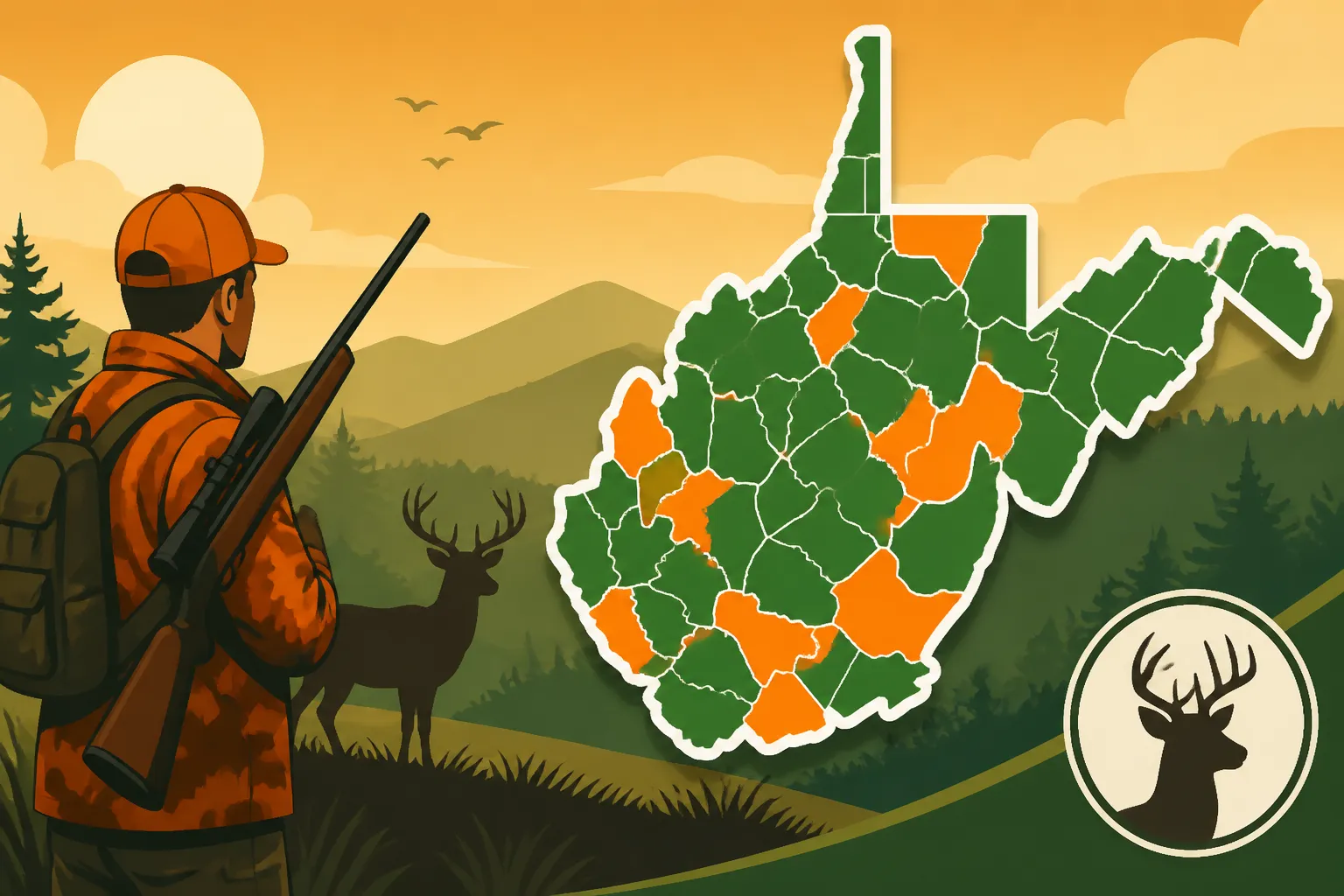
Four counties in southern West Virginia—Logan, McDowell, Mingo, and Wyoming—have a long-standing tradition of being designated as archery-only for deer hunting. This means that during deer season, regardless of the time of year, you cannot use a rifle, shotgun, muzzleloader, or any other firearm to harvest deer in these specific counties. The reasoning behind this designation is rooted in a combination of historical factors, hunter traditions, and, importantly, population density. These are often more densely populated areas compared to the vast expanses of the Monongahela National Forest, with a mix of residential zones and smaller, fragmented hunting parcels. The archery-only rule helps to mitigate safety concerns associated with firearm use in more populated areas and preserves a specific hunting experience.
For many local hunters, this is simply "how it's always been," a cherished tradition that focuses on close-quarters hunting with traditional archery equipment. This unique situation is so significant that it has its own dedicated discussions, such as Why Logan and McDowell Skip Gun Season and our detailed guide on West Virginia's Archery-Only Southern Counties. It’s not just a minor nuance; it’s a fundamental difference in how deer hunting operates in these specific parts of the state.
Planning Your Hunt in Archery-Only Zones
If you intend to hunt deer in Logan, McDowell, Mingo, or Wyoming counties, your equipment choices are critical. You will need to be equipped with a legal bow or crossbow. This means foregoing your trusty rifle and making sure your archery skills are sharp. For those accustomed to firearm hunting, this requires a significant shift in strategy, gear, and mindset. You'll need to consider ethical shot distances for archery, concealment, and patience in equal measure.
Planning a hunt in these zones also means thinking about the kind of terrain and cover you'll encounter. These areas, while sometimes more populated, also contain rugged Appalachian foothills and hollows where deer thrive. You’ll be focusing on close encounters, using natural cover, and potentially spending more time in treestands or ground blinds. For a comprehensive look at what this kind of hunting entails, our guide on Hunting the Southern Archery-Only Counties can provide invaluable insights into tactics and expectations. Remember, even with a valid The West Virginia Class X Combo License, the weapon restriction in these four counties overrides the general gun season privileges.
Staying Updated and Avoiding Common Pitfalls
Regulations are not set in stone; they evolve. Failing to stay current can lead to legal issues, fines, and the loss of hunting privileges. A little diligence goes a long way in ensuring a smooth and successful hunting season.
Annual Regulation Changes and Review
It's a common mistake: assuming that because the rules were a certain way last year, they'll be the same this year. West Virginia's hunting regulations, like those in many states, are subject to annual review and potential changes by the WVDNR. These changes can be driven by a variety of factors, including deer population management goals, disease concerns (like Chronic Wasting Disease), public input, and even legislative action. A season date might shift a day or two, antlerless opportunities could be added or removed in certain counties, or specific weapon restrictions might be altered.
For example, sometimes the West Virginia Muzzleloader Season Dates might shift slightly, or changes could be made to the early antlerless firearm season structure in specific regions. Even seemingly minor adjustments can have a significant impact on your hunting plans. Therefore, it is absolutely essential to review the official West Virginia Hunting and Trapping Regulations Summary every single year before you head into the woods. Don't just skim it; read through the deer hunting sections relevant to your target counties with fresh eyes, even if you think you know them inside and out. This annual ritual is the best defense against unknowingly violating a regulation.
Double-Checking Before Your Hunt
Even after you've read the regulations summary, it's a good practice to perform a final double-check in the days leading up to your hunt, especially if you're traveling a distance or hunting in an unfamiliar area. Why? Because sometimes, emergency closures or very last-minute changes can occur, though these are rare for general season structures. More commonly, it's just a good way to reinforce the rules in your mind and ensure there hasn't been any misinterpretation on your part.
You can often find emergency alerts or late-breaking news on the WVDNR website, their social media channels, or through local news outlets that cover hunting. If you're relying on a third-party app like GoHunt, ensure it has recently updated its data for the current season. Imagine arriving at your hunting spot, only to realize the county you planned to gun hunt is now under a temporary restriction due to a local issue, or that the antlerless season you targeted has been slightly modified. A quick final verification can save you from potential disappointment, a long drive for nothing, or worse, legal repercussions. Taking the time to be absolutely certain you understand West Virginia Buck Gun Season Dates and the specific county rules ensures a responsible and enjoyable hunting experience.
Disclaimer
Please remember that hunting regulations can change. While every effort has been made to provide accurate and up-to-date information, this guide is for informational purposes only. It is the individual hunter's responsibility to review and comply with all current West Virginia Division of Natural Resources (WVDNR) hunting and trapping regulations prior to hunting. Always check the official WVDNR Hunting and Trapping Regulations Summary for the most current and legally binding information.