West Virginia Turkey Stamp Cost
Oh, the joys of hunting regulations, right? It sometimes feels like you need a law degree just to figure out what licenses and stamps you need before you even step foot in the woods. One of the questions I hear most often from fellow hunters, especially those new to the Mountain State or looking to chase gobblers, is about the West Virginia turkey stamp. It can be a real head-scratcher knowing if you need it, what it costs, and how it all fits into the broader picture of your hunting license. Well, you're in the right place, because this guide is going to break down everything you need to know about the West Virginia turkey stamp, its cost, and how to get yourself properly tagged up for a successful hunt.
The Essential West Virginia Turkey Stamp
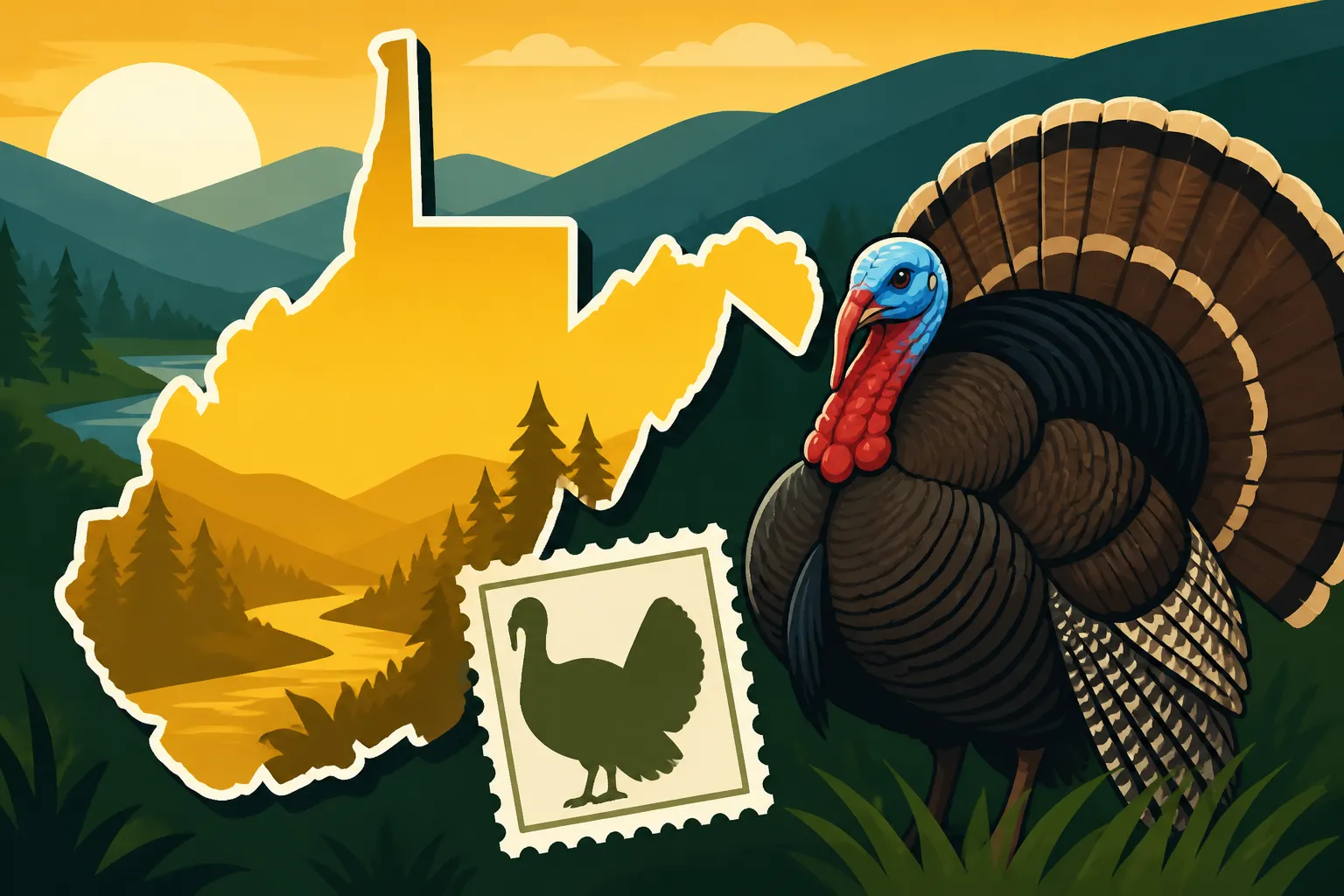
Let's face it, West Virginia has some incredible wild turkey hunting, both in the spring and fall. But before you can start practicing your calls or scouting those prime roosting spots, you need to make sure your paperwork is in order. The West Virginia turkey stamp isn't just a piece of paper; it's a vital part of the state's conservation funding, directly supporting wildlife management efforts that keep our turkey populations thriving. Think of it as your personal contribution to keeping the gobblers gobbling for years to come.
Many hunters, myself included, have stood at the counter or clicked through the online portal, scratching their heads about which combination of licenses and stamps is truly necessary. It's not always intuitive, especially when you consider a base hunting license is usually required in addition to specific game stamps. This separate stamp system ensures that funds generated by turkey hunters specifically go back into programs that benefit turkeys and their habitat. It covers both the exciting challenge of Spring Turkey Hunting in West Virginia and the strategic pursuit of Hunting West Virginia's Fall Turkey Splits.
Who Needs a West Virginia Turkey Stamp?
It's a straightforward question with a few nuances. In West Virginia, generally speaking, anyone who plans to hunt wild turkeys – whether resident or non-resident, adult or youth – will need to possess a valid turkey stamp, in addition to their basic hunting license. There are very few exceptions to this rule, primarily related to youth hunters participating in special mentored hunts or those with specific lifetime licenses that might already encompass these privileges.
For instance, if you're an adult West Virginia resident, you'll typically need your base resident hunting license (like a Class A or the popular Class X combination license) plus the resident turkey stamp. Non-residents face similar requirements, needing their non-resident hunting license (like a Class E) and the non-resident turkey stamp. This dual requirement can sometimes catch hunters off guard, leading to that last-minute scramble. It's always best to plan ahead and ensure all your ducks (or in this case, turkeys!) are in a row. Remember that the license year in West Virginia runs from July 1st to June 30th, so you'll need to renew annually.
Breaking Down the West Virginia Turkey Stamp Cost
Now for the part everyone wants to know: what's this going to cost me? The price of a West Virginia turkey stamp, like most hunting licenses, varies depending on whether you are a resident of the Mountain State or visiting from out of state. It's also usually a fraction of the cost of your overall hunting license, but it's an absolutely essential component for turkey hunters.
Let's look at the current costs (as of the most recent regulations, but always double-check with the West Virginia Division of Natural Resources for the absolute latest figures, as they can change):
| License/Stamp Type | Resident Cost (Approx.) | Non-Resident Cost (Approx.) | Notes |
|---|---|---|---|
| Basic Hunting License | Class A: $19 | Class E: $119 | Required for all hunting, in addition to stamps. |
| Annual Turkey Stamp | Class RR: $7 | Class MM: $35 | This is your dedicated turkey stamp. |
| Class X Combo License | $35 | N/A | Includes Class A + various stamps (incl. turkey) & fishing. |
| Class O Combo License | N/A | $165 | Includes Class E + various stamps (incl. turkey) & fishing. |
As you can see, for a West Virginia resident, the annual turkey stamp (Class RR) is quite affordable at around $7, but remember it must be paired with a basic hunting license like the Class A. Many residents opt for The West Virginia Class X Combo License at about $35, which bundles the basic hunting, fishing, bear, and deer/turkey stamps all into one convenient package. This is often the most cost-effective and headache-free option for those who plan to hunt multiple species or fish throughout the year.
For non-residents, the turkey stamp (Class MM) typically runs about $35, also requiring a basic non-resident hunting license (Class E) for $119. So, you're looking at a combined total of around $154 just for a basic hunting license and turkey stamp. If you're planning on doing a lot of hunting and fishing in West Virginia, the non-resident Class O combo license might be a better value at roughly $165, as it includes both hunting and fishing privileges, plus your bear, deer, and turkey stamps. It's smart to compare these options based on your individual hunting plans before you buy. Remember, tools like GoHunt can be invaluable for cross-referencing these regulations and ensuring you have all your necessary tags.
How to Purchase Your West Virginia Turkey Stamp and Licenses
Getting your West Virginia turkey stamp and associated licenses is pretty straightforward these days, thanks to modern technology. There are a few convenient ways to make sure you're legal before heading afield:
Online Through Go Wild West Virginia
The easiest and most common way to purchase your licenses, including the turkey stamp, is through the official Go Wild West Virginia licensing system. This online portal allows you to purchase and print your licenses from the comfort of your home, or even on your phone in the field if you have service. It's super user-friendly and walks you through the various options. Many hunters find that sitting down with a cup of coffee and Buying a License on Go Wild West Virginia a few weeks before the season opens is the best way to ensure they haven't forgotten anything. You'll need some basic information, including your full name, address, date of birth, and possibly hunter education certification details if it's your first time or if you're a new resident.
One of the great features of the online system is that it often helps you identify what you need based on your selections. As a veteran hunter, I always recommend creating an account on the Go Wild platform. It keeps a record of all your past purchases, which is handy for renewal or simply confirming what you have. Plus, it's tied directly to the state's wildlife management, so you know the funds are going where they should.
In-Person at Authorized License Agents
If you're more of a traditionalist or just prefer to speak with someone, you can still purchase your turkey stamp and other licenses in person. Authorized license agents are scattered throughout West Virginia, typically found at sporting goods stores, bait shops, and even some county clerk offices. Just walk in, tell them what you need, and they'll help you process the transaction. This is especially helpful if you're traveling to West Virginia from out of state and want to pick up your license as you arrive, or if you have specific questions about local regulations. They can also assist with specific queries about West Virginia Resident License Options or West Virginia Nonresident License Options.
Purchasing via Phone
While less common now with the robust online system, in some cases, you might still be able to purchase licenses over the phone through the WVDNR's licensing agent. Check their official website for current contact information and availability for phone purchases. This can be a lifesaver if you're in a remote area with spotty internet but can get a phone signal.
Regardless of how you buy it, ensure you carry proof of your license and stamp with you while hunting. Whether it's a physical copy, a screenshot on your phone, or accessible through a dedicated hunting app, you need to be able to show it if asked by a conservation officer. This is where apps like GoHunt can come in handy, allowing you to often store your license digitally alongside other critical hunting information.
Common Questions and Avoiding Pitfalls
Navigating hunting regulations can be tricky, and the West Virginia turkey stamp is no exception. Let's cover some common questions and how to steer clear of potential issues.
What Happens If You Hunt Without a Turkey Stamp?
This is a pitfall you absolutely want to avoid. Hunting without the proper licenses and stamps is a violation of West Virginia state law. Penalties can range from fines to confiscation of game, and even loss of hunting privileges. It's simply not worth the risk. Conservation officers are out there to protect our wildlife and ensure fair chase, and they will check for proper licensing. Always ensure you have your West Virginia Deer, Turkey and Bear Stamp Rules in order before heading out.
Other Licenses You Might Need
Remember, the turkey stamp is almost always in addition to a basic hunting license. Don't make the mistake of thinking the turkey stamp alone is enough. For residents, it's typically a Class A or Class X. For non-residents, it's often a Class E or Class O. Depending on your age and residency status, you might also need to have successfully completed a hunter education course. For youth hunters, especially during the West Virginia Youth Spring Turkey Weekend, specific mentored youth hunting rules might apply, but generally, the turkey stamp is still a requirement.
If you plan to hunt other species, like deer or bear, you'll need additional stamps for those as well, unless you purchased a combo license that includes them. Many hunters also choose to buy a fishing license, especially if they're spending time in the beautiful rivers and streams of West Virginia during their trip.
When Does Your Turkey Stamp Expire?
Like most annual hunting and fishing licenses in West Virginia, your turkey stamp is valid for the state's license year, which runs from July 1st to June 30th of the following year. This means if you buy your stamp in September for fall turkey season, it will also be valid for the following spring turkey season, but you'll need to purchase a new one after June 30th for any subsequent seasons. Keep this in mind to avoid being caught without a valid stamp when the next season rolls around. It's a good practice to check the official WVDNR website or use resources like GoHunt annually to confirm dates and any regulation changes for West Virginia Spring Turkey Season Rules.
It might seem like a lot of hoops to jump through, but each stamp and license plays a crucial role in maintaining West Virginia's incredible hunting heritage and abundant wildlife. By understanding the requirements and costs upfront, you can ensure a smooth, legal, and ultimately more enjoyable turkey hunting experience in the Mountain State. Happy hunting!
Disclaimer
Please be aware that hunting regulations, license costs, and season dates can change. While this guide provides current and accurate information based on the latest available data, it is your responsibility as a hunter to consult the official West Virginia Division of Natural Resources (WVDNR) website or their current hunting regulations handbook for the most up-to-date and complete information before heading afield.