West Virginia Mentored Youth Hunting Rules
It’s a tale as old as time: you’ve got a kiddo who's itching to get out in the woods, maybe they've seen you come home with a deer, or they've just fallen in love with the idea of being outdoors, learning the ropes. But the thought of navigating all the rules and regulations for youth hunting can feel like trying to untangle a fishing line after a big blow – confusing and overwhelming. This guide is here to untangle all those knots, focusing specifically on West Virginia's mentored youth hunting rules, making sure you understand exactly how to safely and legally introduce the next generation to our incredible hunting heritage.
The Heart Behind Mentored Youth Hunting Programs
Let's be real, the world is changing, and fewer young folks are getting into hunting. This isn't just a West Virginia thing; it's a nationwide trend. That's why programs like mentored youth hunting are so incredibly important. They're designed to bridge that gap, giving kids a chance to experience the wild long before they might be ready to pass a full hunter education course on their own. It’s about more than just the harvest; it’s about connection, tradition, and passing on invaluable skills.
Fostering a New Generation of Hunters
Think about your own first hunting experiences. For many of us, it was with a parent, grandparent, or a trusted family friend. That connection, that shared experience, is what molds us as hunters. Mentored youth programs aim to replicate that foundational experience, creating a structured yet accessible path for youngsters. It's not just about teaching them how to shoot; it's about teaching them patience, observation, respect for wildlife, and the intricate dance of the ecosystem. It's about instilling a love for the outdoors that lasts a lifetime. Plus, it's a fantastic way to spend quality time together, away from screens and distractions, building memories that you'll both cherish long after the season ends. These early exposures are critical for ensuring our traditions continue.
The Importance of Safety and Responsibility
When we talk about hunting with children, safety is always, and rightfully so, the number one concern. Parents worry about firearms, about being in the woods, about making sure their child is truly ready. Mentored youth programs in West Virginia are built with this in mind, placing significant emphasis on direct supervision. This isn't a "drop them off and check on them later" scenario; it's a hands-on, constant presence model. The whole idea is to prevent accidents, promote ethical behavior from day one, and ensure that every young hunter understands the weight of their actions and the importance of responsible firearm handling. It’s about building a solid foundation of safety before they ever pull a trigger. These programs also help reinforce the broader concept of responsible outdoor recreation and wildlife stewardship.
Who Qualifies for West Virginia's Mentored Youth Program?
Alright, let's get down to brass tacks: who can actually participate in this fantastic program? West Virginia has some specific guidelines for both the young hunter and the adult mentor, ensuring that these experiences are positive and legally sound. It's not overly complicated, but understanding the nuances is key to avoiding any hiccups when you're out in the field.
Age Brackets and Apprentice Hunter Licenses
In West Virginia, the mentored youth hunting program is designed for individuals under the age of 18. This means if your child hasn't yet reached their 18th birthday, they're eligible. The beauty of this program is that it allows them to hunt without first completing the full West Virginia Hunter Education Requirements. Instead, they'll need what's called an Apprentice Hunter License. This special license grants them the privilege to hunt under the direct supervision of a qualified mentor. It's a stepping stone, a way to get practical, real-world experience before committing to the full hunter education course, which they will eventually need to hunt independently.
There’s no minimum age, per se, for the apprentice license, but common sense dictates that the child should be mature enough to understand and follow safety instructions and handle a firearm or archery equipment safely. You know your child best, so you’ll need to make that judgment call. The Apprentice Hunter License opens doors to various game species during their respective seasons, aligning with many of the same rules as licensed adult hunters, albeit with that critical supervision clause.
Defining a Qualified Mentor
So, who can be a mentor? It’s not just any adult who feels like taking a kid hunting. West Virginia law is quite clear on this: a qualified mentor must be at least 18 years of age and hold a valid West Virginia hunting license for the current year. This license must be valid for the game species being hunted by the youth. For example, if you're taking your apprentice deer hunting, you, as the mentor, need a valid big game hunting license that includes a deer stamp. The mentor also needs to have successfully completed a hunter education course, or have been exempt from hunter education (typically those born before January 1, 1975). This ensures the mentor possesses the knowledge and experience necessary to teach and supervise safely.
The mentor is responsible for the apprentice hunter's actions and must ensure they abide by all hunting laws and regulations. It’s a significant responsibility, and it’s why the state requires the mentor to be an experienced, licensed hunter themselves. The mentor-apprentice relationship is built on trust and direct instruction, making the mentor’s qualifications paramount to the program’s success. Essentially, you're not just a companion; you're the instructor, the guide, and the safety officer all rolled into one.
The Rules of Engagement for Mentored Hunts
Okay, you've got your apprentice hunter license and a qualified mentor. Now, how do you actually go hunting? West Virginia's mentored youth hunting rules are quite specific about how the hunt must be conducted, particularly concerning the mentor's proximity to the youth. These aren't just suggestions; they are legal requirements designed to ensure safety and effective instruction.
Direct Supervision and Proximity Requirements
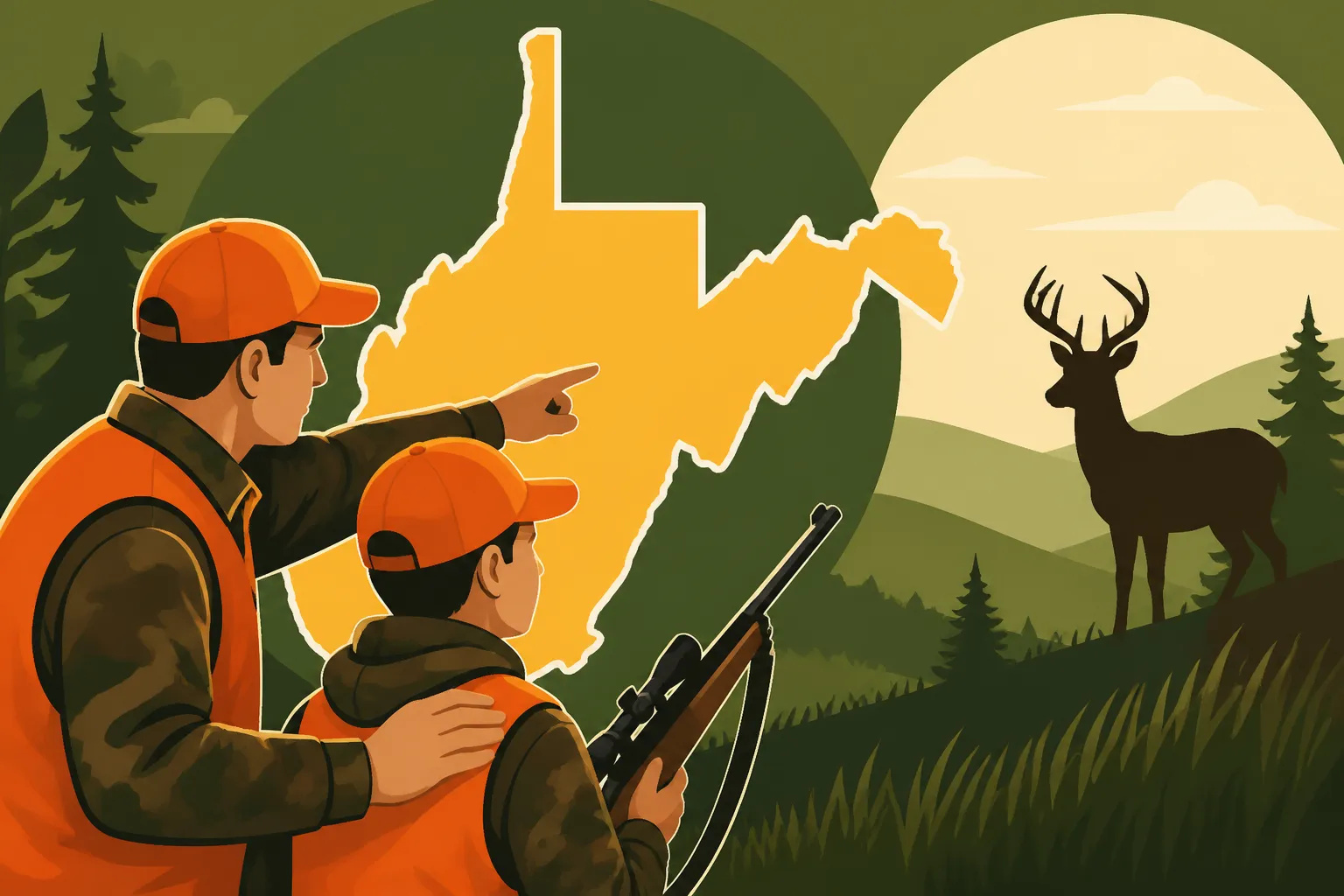
This is where the rubber meets the road. The most critical rule for mentored youth hunting in West Virginia is direct supervision. This isn't like being in the same general area; it means the mentor must be close enough to have direct voice control and provide immediate assistance. Specifically, the mentor must be within arm's length of the apprentice hunter while the apprentice is hunting. Yes, you read that right – arm's length. This might feel a bit restrictive, especially if you're used to sprawling out on a deer stand or walking separate paths, but it's there for a reason: safety, safety, safety.
This rule means you’ll be side-by-side, whispering instructions, pointing out deer sign, and physically assisting if needed. It ensures that if there's a question about shot placement, target identification, or a sudden safety concern, the mentor can intervene instantly. It also means you’re right there to witness and guide them through the entire process, from spotting game to making the shot and even proper Field Dressing a Deer in Cold Weather or warmer conditions. This close proximity creates an incredibly immersive and educational experience, leaving no room for doubt or misinterpretation of safety protocols or hunting ethics. This also extends to West Virginia Firearms Discharge Setback Rules, as the mentor is responsible for ensuring compliance.
Legal Weapons and Bag Limits
Mentored youth hunters can typically use the same legal weapons as fully licensed adult hunters for the species they are pursuing, as long as it aligns with West Virginia Legal Firearms for Deer Hunting or other specific game regulations. This means if you’re hunting deer during archery season, the youth can use a bow or crossbow, assuming they can safely handle it. During buck gun season, they can use a legal firearm. The key here is always the mentor's direct supervision and the apprentice's ability to safely operate the equipment under that guidance. This isn't the time to hand a tiny youngster a magnum rifle they can't control; choose appropriate equipment for their size and strength.
Regarding bag limits, apprentice hunters are generally subject to the same bag limits as adult hunters for the specific species and season they are participating in. For example, if you're deer hunting, the apprentice hunter contributes to the overall county or statewide bag limits, just like any other hunter. They must also check their game in accordance with state regulations. For specific seasons like West Virginia Spring Turkey Season Rules or West Virginia Deer Season Structure Explained, all applicable regulations, including bag limits and hunting hours, apply to the mentored youth hunter as they would to an adult. The mentor needs to be fully aware of these specific rules to ensure compliance.
Navigating Licenses and Permits
Getting out there means making sure all your paperwork is in order. It's not just about the fun of the hunt; it's about respecting the law and contributing to wildlife conservation. Understanding how to obtain the necessary licenses and stamps for both the apprentice and the mentor is a crucial step that often causes a little head-scratching.
Obtaining the Apprentice Hunter License
As mentioned, the apprentice hunter will need a specific Apprentice Hunter License. This is usually very straightforward to purchase. You can often buy these online through the West Virginia DNR's Go Wild system, or at authorized license agents across the state. The cost is typically nominal, making it very accessible. When purchasing, you'll need basic information for the youth, such as their name, address, and date of birth. This license is valid for the current license year.
It’s important to remember that this license replaces the need for traditional hunter education certification for the duration of the mentored hunt. However, it does not exempt them from needing a valid license if they were to hunt independently later on. Think of it as a temporary pass into the hunting world, under strict guidance. This program is fantastic because it removes a common barrier for young people and parents who might not have the time or immediate resources to complete the full hunter education course right away. It allows for a trial period, letting the youth decide if hunting is truly for them before investing more time and effort into the full course.
Mentor License and Required Stamps
The mentor's licensing is just as critical. As a mentor, you need to possess a valid West Virginia hunting license. This isn't just a basic license; it must include all the necessary stamps for the game species being pursued. For instance, if you're taking your apprentice deer hunting, you’ll need a base hunting license (like the West Virginia Resident Class A License Cost or a West Virginia Resident Class X Combo Cost for residents, or a West Virginia Nonresident Annual License Cost for non-residents) plus a West Virginia Deer Stamp Cost. If you’re hunting bear, you’ll need a West Virginia Bear Stamp Cost. For turkey, a West Virginia Turkey Stamp Cost is required.
These stamps are vital because they directly fund conservation efforts in the state. You can purchase your licenses and stamps through the same Go Wild West Virginia system online or at local license vendors. Make sure your licenses are current and that you have physical or digital proof on hand while hunting. Many hunters now opt for Carrying Proof of License on Your Phone for convenience, but it's always wise to have a backup. It's your responsibility as the mentor to ensure both you and your apprentice are fully compliant with all licensing requirements.
| Requirement / Item | Apprentice Hunter (Under 18) | Mentor (18+) |
|---|---|---|
| Hunter Education | Not required (under direct supervision) | Required (or born before 1/1/1975) |
| Primary License | Apprentice Hunter License | Valid WV Hunting License (e.g., Class A, Class X) |
| Game-Specific Stamps | None (covered by mentor's stamps) | Required for species hunted (e.g., Deer, Bear, Turkey) |
| Minimum Age | No minimum, but must handle equipment safely | 18 years old |
| Proximity During Hunt | Within arm's length of mentor | Within arm's length of apprentice |
| Supervision Level | Direct, constant voice control & assistance | Direct supervision of apprentice |
| Ability to Hunt Alone | No | Yes (if fully licensed) |
Preparing for a Successful Mentored Hunt
So, all the paperwork is done, the licenses are in hand. Now comes the exciting part: getting ready for the actual hunt! Preparation is key to a safe, ethical, and successful experience, especially when you're introducing someone new to the sport. It's about more than just showing up; it’s about setting the stage for a positive lifelong memory.
Pre-Hunt Education and Skill Building
Even though the apprentice doesn't need formal hunter education yet, it doesn't mean you skip all the learning. Quite the opposite! This is your chance to really teach them. Before you ever step foot in the woods, spend time going over firearm or archery safety rules. Discuss topics like positive target identification, shot placement, and the ethics of hunting. Let them handle the equipment, unloaded, in a safe environment, practicing shouldering a rifle or drawing a bow. Take them to a shooting range to practice. This builds confidence and familiarity.
You can also cover crucial outdoor skills like basic navigation, understanding weather patterns, and identifying animal tracks or droppings. Talk about Scouting West Virginia Public Land Before Season and what you're looking for. The more knowledge and practical skills you can impart beforehand, the more engaged and capable the young hunter will be in the field. This foundational education makes the actual hunt safer and more meaningful, turning it into a true learning adventure rather than just a shooting opportunity. Many resources, including online videos and the WVDNR website, offer materials you can review together.
Essential Gear for Young Hunters
Having the right gear makes a huge difference in comfort and safety, especially for a new hunter. First and foremost, think about comfort. Ill-fitting boots, scratchy clothes, or being too cold or too hot can quickly sour an experience. Dress them in layers appropriate for West Virginia weather, considering the time of year and elevation – it can get quite chilly, even in early fall in some of our mountain regions. Good, broken-in boots are a must for navigating uneven terrain.
Next, safety gear: West Virginia Blaze Orange Requirements are in effect for firearm seasons, so ensure they have plenty of visible orange. Hearing protection is non-negotiable for firearm hunting, and eye protection is highly recommended for target practice and during the hunt itself. Ensure the weapon they're using is appropriately sized and has manageable recoil. A small-statured youth shouldn't be struggling with an oversized rifle. Consider options like a youth model .243 or a lightweight shotgun. A comfortable pack for snacks, water, and extra layers can also make a long day in the woods much more enjoyable. Brands like GoHunt often feature youth-specific gear that can make a real difference in comfort and performance.
Practical Scouting and Safety Briefings
Before opening day, invest time in scouting the area you plan to hunt. Take the apprentice with you! This is an excellent way to teach them how to read the land, identify deer trails, rubs, scrapes, and food sources. Show them how to use tools like the GoHunt app or other mapping software to understand terrain and property lines. You can walk through potential stand locations or ground blind setups. This makes the actual hunt less about blind luck and more about understanding animal behavior and habitat.
On the day of the hunt, always start with a safety briefing. Review the 4 basic rules of firearm safety, discuss the plan for the day, and emphasize communication. Talk about what to do if you get separated (unlikely with the arm's length rule, but good practice), how to signal, and any specific landmarks. Discuss the "shot zone" and what a safe backdrop looks like. A little extra time spent on these practical preparations can prevent a lot of headaches and ensure everyone feels confident and secure throughout the hunting experience. Remember, understanding the specifics of your hunting area, whether it's a Treestand Setups in Monongahela National Forest or a small woodlot, enhances both safety and success.
Common Misconceptions and Troubleshooting
Even with all the rules laid out, sometimes there are still those nagging questions or unexpected situations that pop up. The world of hunting, especially when involving youth, can sometimes seem to have more unspoken "rules" than actual laws. Let’s tackle a couple of common points of confusion to make your mentored youth hunting experience as smooth as possible.
Clarifying "Hands-On" Versus "Observation"
A common point of confusion revolves around the "arm's length" rule and what "direct supervision" truly implies. Some mentors might initially think it means they just need to be in the same blind or stand, but West Virginia's rule is stricter: arm's length. This means the apprentice is truly engaged in a hands-on learning process, with the mentor right there to guide every single step. It's not about the apprentice sitting quietly and observing while the mentor hunts. It's the apprentice doing the hunting, under the mentor’s immediate, physical guidance.
For example, if a deer approaches, the mentor isn't just pointing; they might be physically helping to steady the rifle, whispering specific instructions about aiming points, or even making the final call on whether to take the shot based on safety and ethical considerations. This extreme closeness eliminates scenarios where a youth might make a poor judgment call due to inexperience, such as taking an unsafe shot or incorrectly identifying game. This level of intimacy in the instruction is what makes the mentored program so incredibly valuable and safe.
Addressing Public Land Etiquette
When you’re hunting on public land, especially with a new hunter, there are always additional considerations. Other hunters might be around, and it's essential to model good Hunting Pressure on West Virginia Public Land etiquette. Teach your apprentice to be respectful of others, to maintain quiet, and to understand that public land is a shared resource. Explain why it’s important to give other hunters space and to always be aware of your surroundings, beyond just the game you're pursuing.
If you encounter another hunter, a simple, polite wave or nod is usually sufficient. Avoid loud conversations or interfering with their hunt. This is a great opportunity to teach your youth about responsible land use, packing out everything you pack in, and minimizing your impact on the environment. If you're hunting on a West Virginia WMA Permit Requirement area, make sure you've followed all the specific rules for that WMA, which might include signing in or specific access points. Modeling these behaviors teaches the next generation not just how to hunt, but how to be a good steward of the land and a respectful member of the hunting community.
Disclaimer
Please remember that hunting regulations can change. While I strive to provide the most current and accurate information, it is always your responsibility to consult the official West Virginia Division of Natural Resources (WVDNR) regulations guide for the current hunting season before heading afield. This guide is for informational purposes only and should not be considered a substitute for official legal documentation.